

Products are selected by our editors, we may earn commission from links on this page.

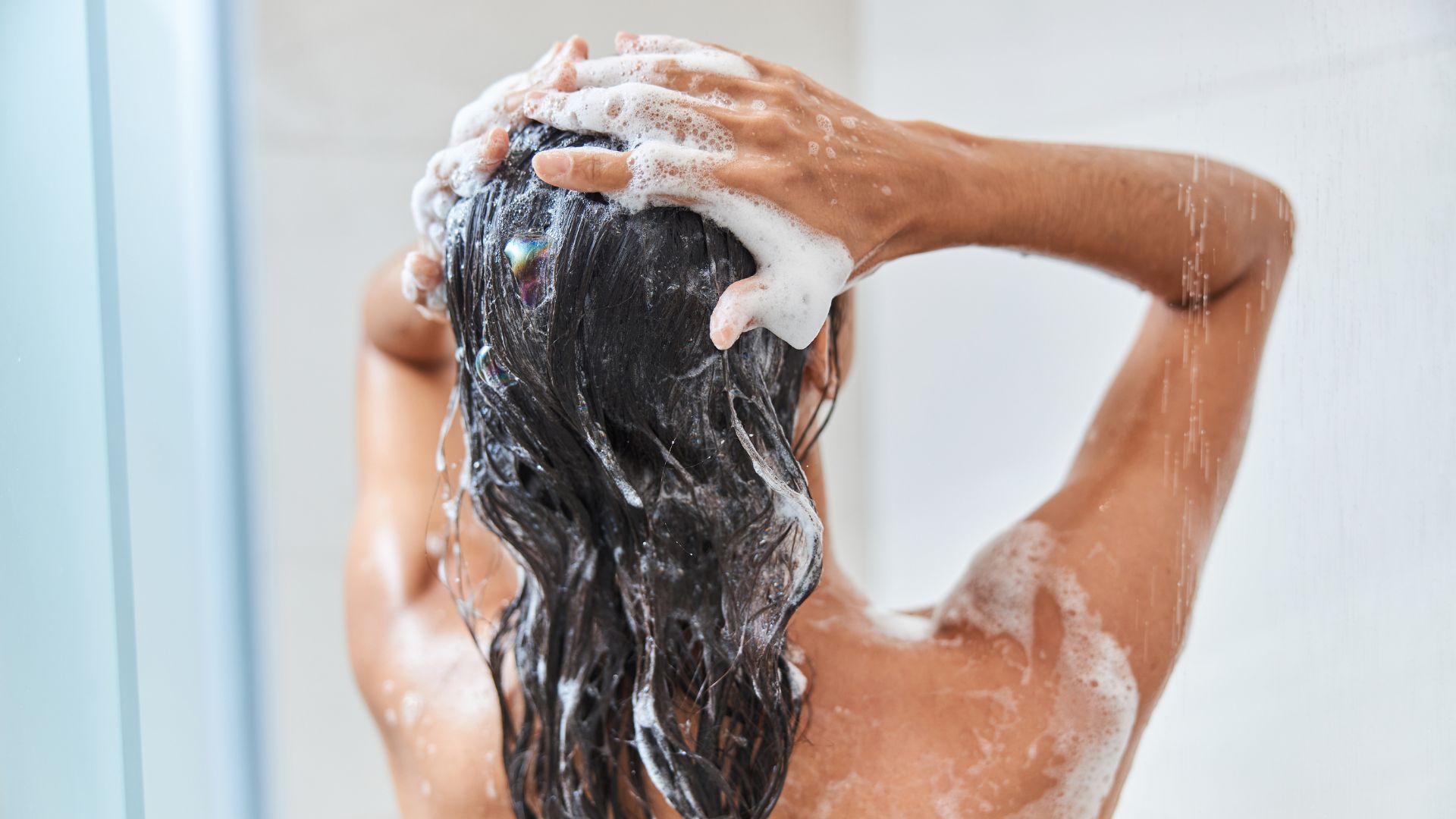
For something people do almost on autopilot, hair washing raises more questions than most expect. Board-certified dermatologists say there is no universal schedule, and the right routine depends on hair type, age, and where oil naturally builds up on the scalp. Understanding those factors, they say, matters far more than counting days between washes. Getting it right can mean healthier-looking hair and a calmer scalp.
Hair naturally produces sebum, an oil that keeps strands soft and flexible. Dermatologist Brendan Camp of New York’s MDCS Dermatology explained to Allure that shampooing clears this buildup from the hair shaft, since oil glands keep producing sebum whether or not someone washes. Skip too many washes, and it accumulates, leaving hair heavy and greasy. Wash too often, though, and strands can end up dry, dull, or prone to split ends.
How often that oil builds up varies from person to person, which is why dermatologists rarely give one blanket answer. Fine, oily hair tends to need attention every day or two, while coarse, curly, or coily hair can go far longer between washes. Age, ethnicity, and activity level shift the equation further, all details we’ll break down section by section, starting with hair type itself.
What Your Hair Type Means for Wash Day
For people with fine or straight hair, dermatologist Shilpi Khetarpal of the Cleveland Clinic recommends washing at least every other day, since finer strands show oil more quickly. Those with an oily or greasy scalp may prefer washing daily if buildup feels bothersome. Cleveland Clinic notes that thin, finer hair generally does well with a wash every one to two days, depending on how quickly oil accumulates.
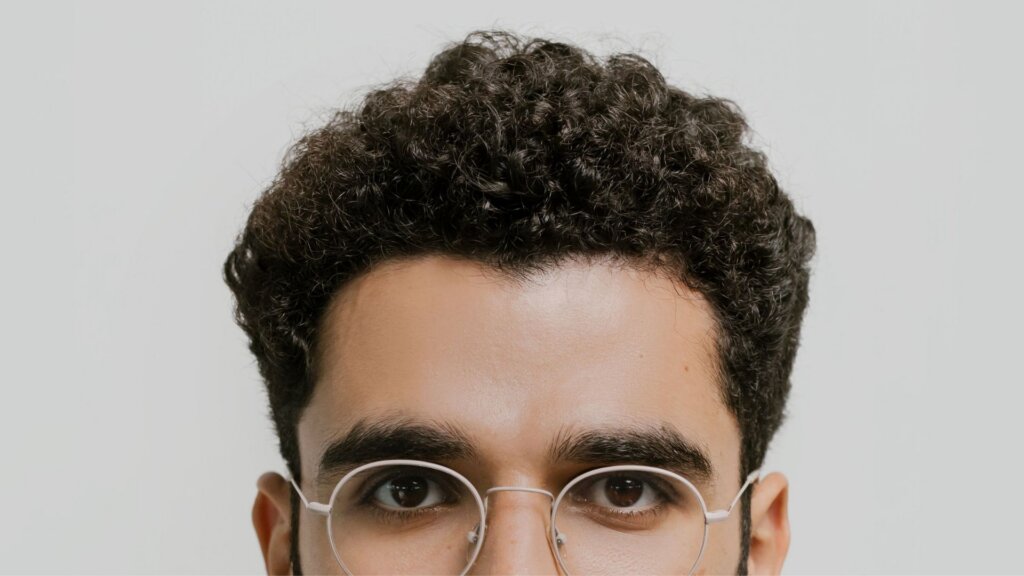
Coarse, coiled, or tightly curled hair holds onto moisture differently, so Khetarpal suggests washing at least every two weeks. The American Academy of Dermatology offers a similar range, advising that dry, textured, curly, or thick hair be shampooed as needed, roughly every two to three weeks. Both point to the same idea: curlier, coarser strands generally need far less frequent washing than straight or fine hair.
Technique matters as much as timing. Deeptej Singh, a board-certified dermatologist with the American Academy of Dermatology, recommends applying shampoo to the scalp rather than the full length of hair, which clears away product and dead skin without over-drying strands. The AAD also advises applying conditioner to just the ends for fine or straight hair, while dry or curly hair can be conditioned along its entire length.
Age, Genetics, and Activity Level Play a Role Too

Oil production changes throughout life. Khetarpal explains that oil glands are driven by androgens, hormones that run higher in younger people. Virginia’s Children’s Hospital of Richmond notes that those glands become especially active during puberty’s hormonal shifts, which is part of what drives teenage acne. According to MedlinePlus, that activity slows with age: men see a modest decline, usually after 80, while women typically notice reduced oil production once menopause begins.
Genetics and ethnic background factor in as well. Khetarpal notes that people of color often have naturally drier hair that can become brittle when washed too frequently, and generally do well washing at least twice a month. Other hair types, she says, may benefit from washing two to three times a week to help limit scalp inflammation and keep the yeast that naturally lives on skin from overgrowing.
A tough workout doesn’t necessarily mean a wash is required. Khetarpal says she typically advises patients to stick with their usual hair washing schedule, whether that’s a few times a week or once every other week, regardless of how much they exercise. Still, heavy sweating and humidity can add to the sebum, sweat, and general debris sitting on the scalp, according to Columbia Health, so personal comfort matters too.
Small Habits Make a Big Difference Between Washes
Between washes, dry shampoo can help absorb excess oil and dirt, though Khetarpal cautions it shouldn’t replace regular shampooing altogether. If white flakes start showing up, the American Academy of Dermatology points to two likely causes: not shampooing often enough, or using a conditioner or scalp product that doesn’t suit that particular hair type. Adjusting the routine, rather than washing less, tends to solve the issue.
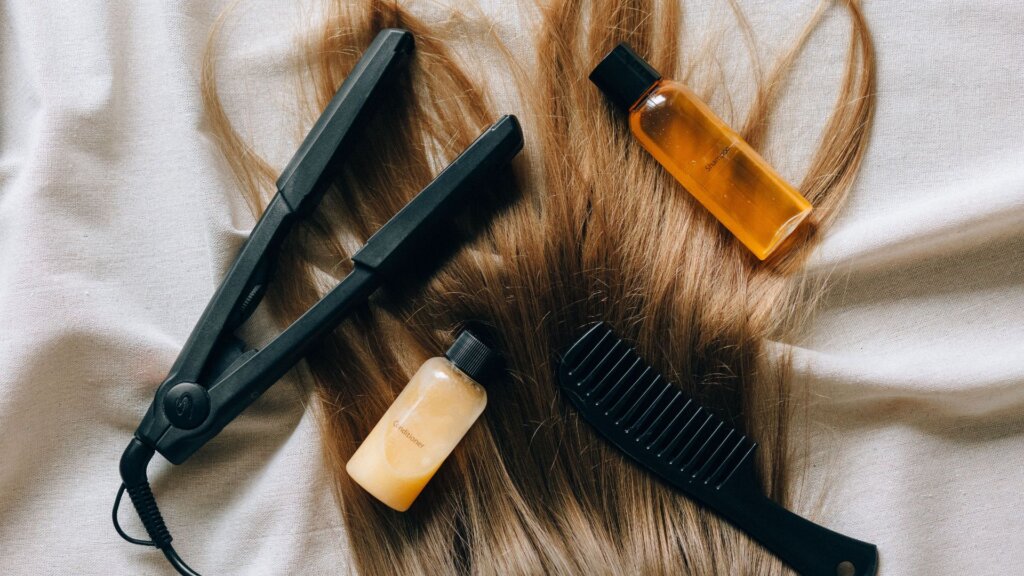
Wet hair is more fragile, so the American Academy of Dermatology recommends a wide-tooth comb instead of a brush for detangling. Working from the ends upward with minimal pulling limits breakage, and those with thick or curly hair can comb through conditioner while still in the shower. Afterward, wrapping hair in a towel or soft t-shirt to absorb moisture causes far less damage than vigorous rubbing.
Heat styling adds another layer of stress, so the AAD suggests limiting blow dryers, flat irons, and curling irons, or using low to medium heat with a protective product when they’re needed. Dermatologist Deeptej Singh notes that a solid hair care routine helps prevent damage and supports growth while keeping hair looking its best, and a board-certified dermatologist can tailor a routine to a person’s specific hair type and scalp needs.