

Products are selected by our editors, we may earn commission from links on this page.
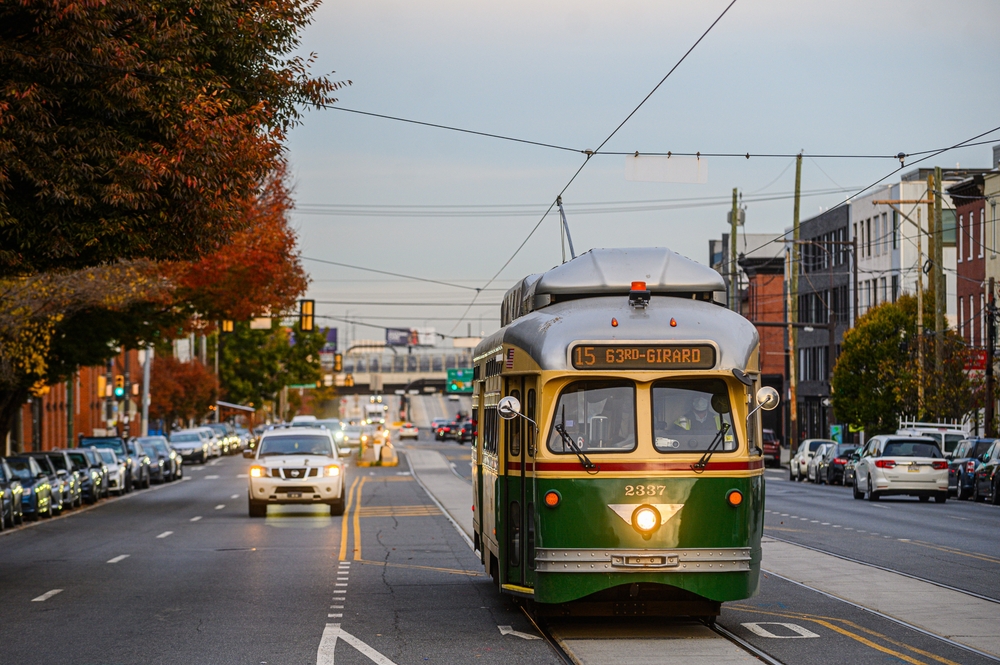
Philadelphia has poured millions of dollars into making its streets safer, installing speed cushions, upgrading lighting, expanding bike infrastructure, and funding Vision Zero projects. Yet despite those investments, the city continues to rank among the least safe major U.S. cities for traffic fatalities, raising questions about why progress has been slower than many hoped.
New Data Keeps Philadelphia Near the Top
According to NBC Philadelphia, a 2026 analysis by Philadelphia City Controller Christy Brady found the city recorded 9.04 traffic fatalities per 100,000 residents in 2024, the highest rate among major U.S. cities with populations over 150,000. That placed Philadelphia ahead of Chicago, Washington, D.C., Boston, and New York City. Although the fatality rate rose from 8.64 in 2023, officials also noted it remains below the level recorded in 2020, when the city exceeded 10 traffic deaths per 100,000 residents.
Vision Zero Has Received Significant Investment
Philadelphia launched its Vision Zero Task Force in 2016 with the goal of eliminating traffic deaths. Since then, the city has upgraded roughly 130,000 streetlights, installed about 1,200 speed cushions, expanded the Indego bike-share system with more than 200 stations, and extended the Safe Routes Philly program to dozens of schools. The city’s fiscal year 2027 budget also includes $30 million in capital funding over six years to continue Vision Zero initiatives.
Officials Say Improvements Are Happening
City officials argue those investments are beginning to produce measurable results even if Philadelphia still ranks poorly compared with peer cities. The Parker administration highlighted Neighborhood Slow Zones, automated speed enforcement, red-light cameras, and additional traffic-calming measures as reasons fatalities have declined from their pandemic-era peak. Controller Brady similarly described the trend since 2020 as “meaningful progress” while emphasizing that more work remains.
Roosevelt Boulevard Remains the City’s Biggest Challenge
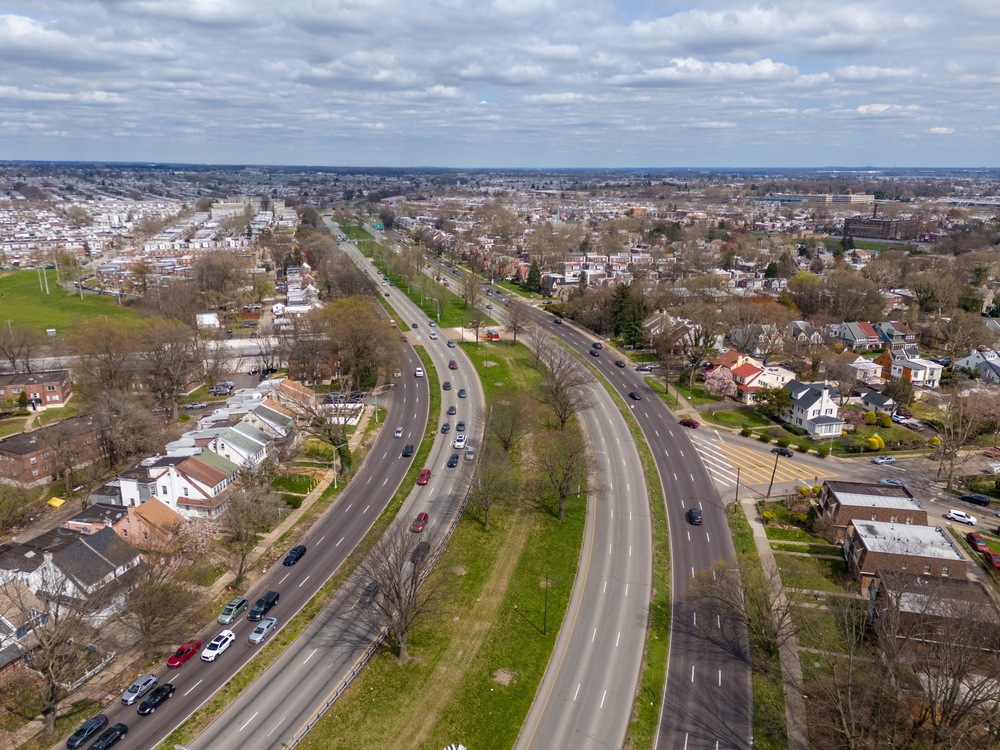
No road symbolizes Philadelphia’s traffic safety struggle more than Roosevelt Boulevard. The nearly 14-mile corridor carries fast-moving traffic through residential neighborhoods, forcing pedestrians to cross as many as 12 lanes in some locations. Safety advocates have long referred to parts of the roadway as a “corridor of death,” and city officials have acknowledged it would never be designed the same way today because of its dangerous layout.
Automated Speed Cameras Have Produced Results
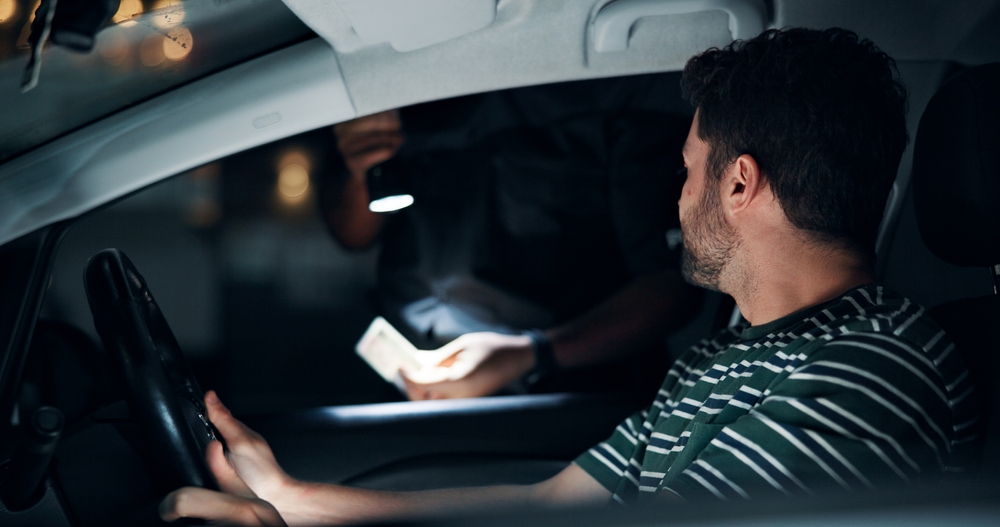
One of Philadelphia’s most visible safety measures has been automated speed enforcement on Roosevelt Boulevard. After speed cameras were installed, officials reported dramatic reductions in speeding violations. Earlier studies cited declines exceeding 90% after the warning period ended, while advocates point to the program as evidence that engineering and automated enforcement can change driver behavior without relying solely on police traffic stops.
Pandemic-Era Driving Changed the Equation
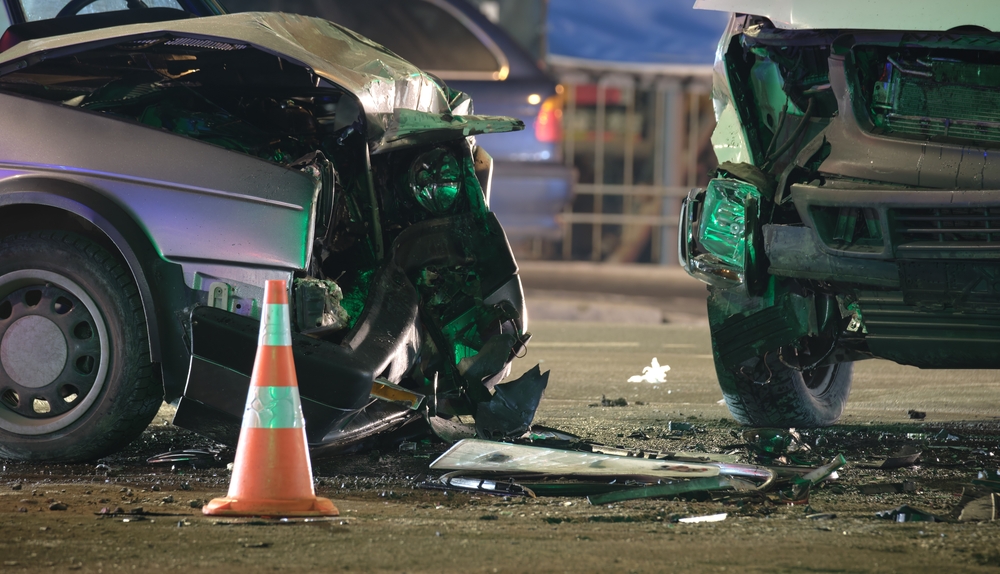
Researchers and transportation officials have also pointed to broader national trends that complicated Philadelphia’s efforts. During the pandemic, emptier roads encouraged faster driving while aggressive behavior increased across many cities. Philadelphia experienced sharp increases in total traffic fatalities, pedestrian deaths, and hit-and-run crashes during that period. Transportation experts have suggested several contributing factors, including higher speeds, reduced traffic enforcement, larger vehicles, and lasting changes in driver behavior.
Dangerous Roads Extend Beyond One Corridor
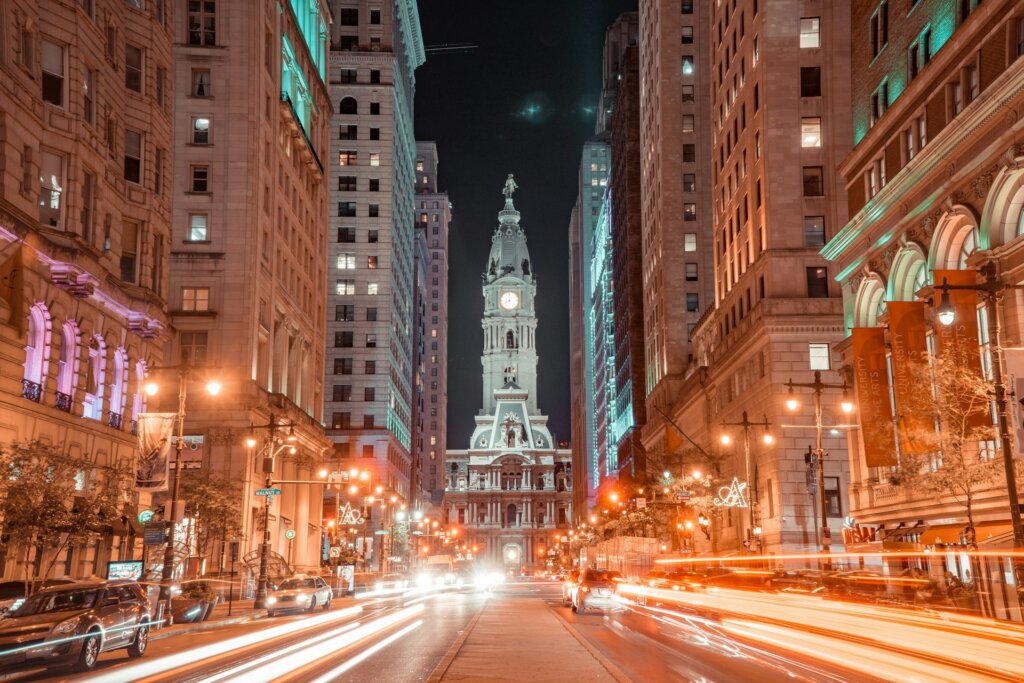
Although Roosevelt Boulevard receives the most attention, other locations consistently experience high crash volumes. Broad Street, major interstate interchanges, Market and Chestnut Streets, and several Northeast Philadelphia intersections are frequently cited because of congestion, complicated traffic patterns, pedestrian activity, or aggressive merging behavior. These locations illustrate that Philadelphia’s safety challenges are spread across multiple transportation corridors rather than concentrated on a single roadway.
Philadelphia Also Appears in National Rankings
Philadelphia’s traffic safety concerns are reflected in broader national comparisons. A Forbes Advisor analysis highlighted by Business Insider ranked Philadelphia among the U.S. cities where drivers are most likely to be involved in crashes, citing relatively frequent collisions and a high likelihood of accidents compared with the national average. While the methodology differs from fatality rankings, it reinforces concerns that driving conditions remain more hazardous than in many peer cities.
The Next Test Is Whether Investments Deliver Lasting Results
Philadelphia’s experience highlights one of the biggest questions facing cities nationwide: how quickly infrastructure improvements can overcome decades of dangerous road design and changing driver behavior. Millions have already been committed to Vision Zero, and officials point to declining fatalities since the pandemic peak as evidence the strategy is working. At the same time, Philadelphia’s continued position near the top of national fatality rankings underscores that meaningful investment alone does not guarantee immediate results. Whether future funding, roadway redesigns, and expanded enforcement can finally move the city out of those rankings will remain a closely watched measure of success.