

Products are selected by our editors, we may earn commission from links on this page.
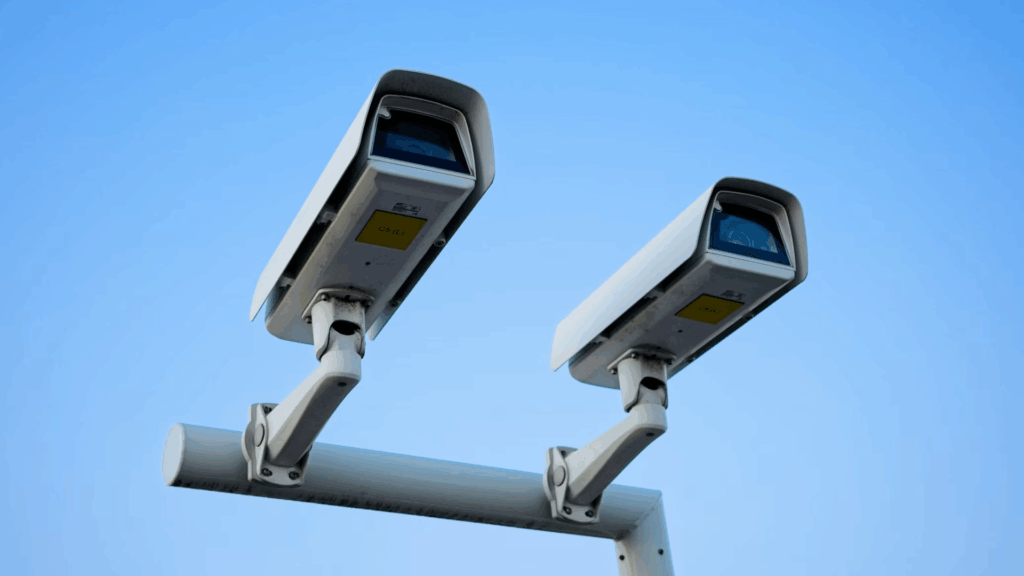
Starting in 2026, drivers in California may receive speeding tickets solely based on radar and automated camera enforcement without ever being pulled over by a police officer, a shift driven by new state laws and city-level pilot programs that authorize cameras to issue fines automatically. Under legislation passed in recent years, cities such as San Francisco, Glendale and Los Angeles have begun installing or expanding speed camera networks that can capture images of vehicles exceeding posted limits and send citations by mail, a change intended to reduce crashes and improve road safety.
The new system reflects a broader trend toward automated traffic enforcement that many advocates argue can normalize safer road behaviors by making penalties more certain and visible, while freeing up officers to focus on other duties rather than conducting traditional traffic stops. Because ticketing decisions are based on photographic and radar evidence, drivers might not realize they have been cited until they receive notice in the mail, raising questions about how enforcement transparency and due process will be maintained.
Proponents of the technology highlight its potential to significantly reduce dangerous driving and collisions, pointing to data from other jurisdictions where speed camera programs have correlated with measurable drops in speeding and related injuries. However, some critics worry that automated systems could overreach or generate fines without sufficient human oversight, making the policy shift a topic of debate among drivers and lawmakers alike.
How Radar Camera Enforcement Works and What Drivers Should Know
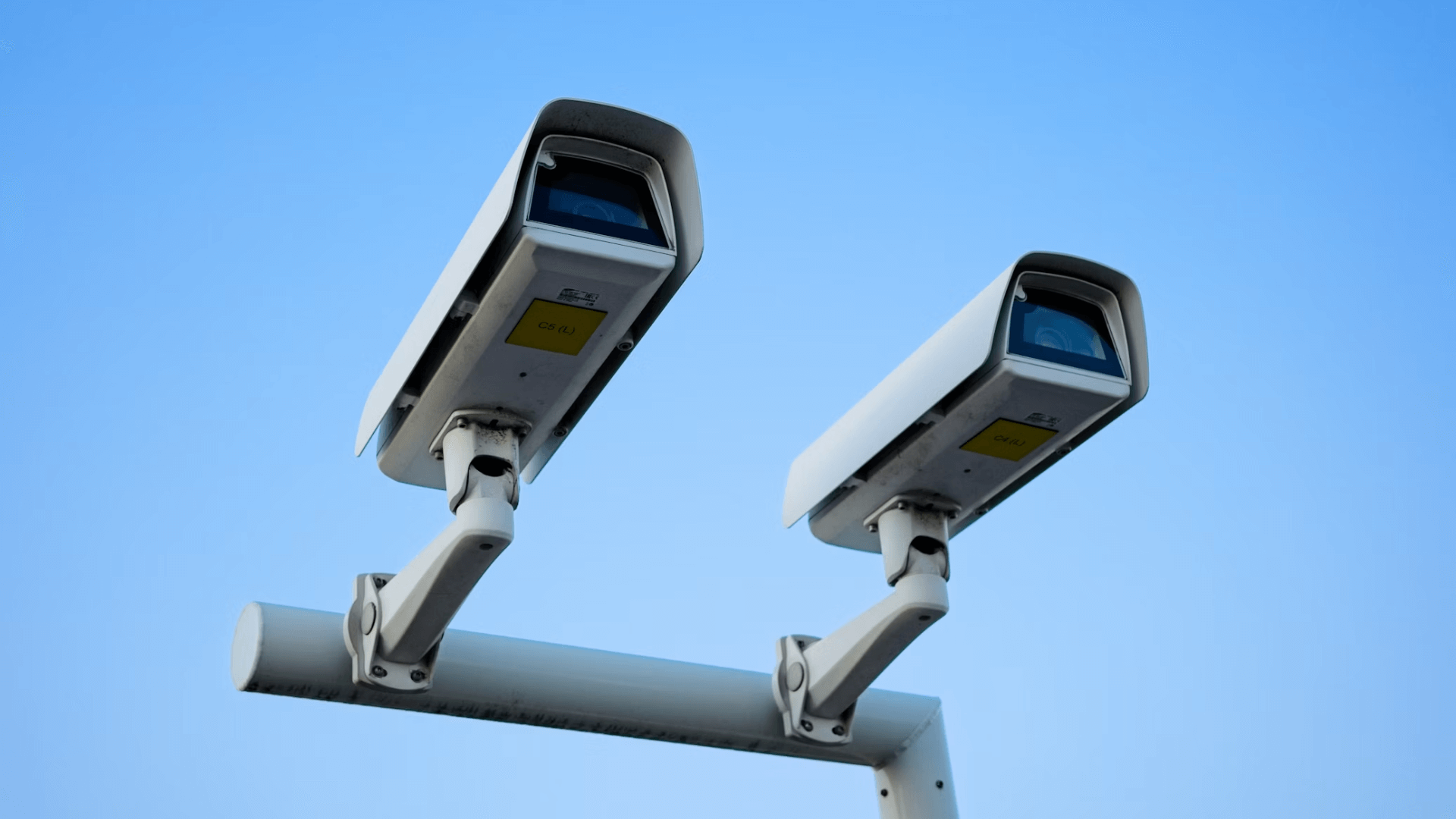
Automated radar cameras are designed to detect vehicle speeds using radar or lidar technology, often paired with high-resolution cameras that capture images of speeding vehicles along with license plates, time and location data, allowing authorities to issue citations without a police officer onsite. Once the system records a violation, the evidence is reviewed and a ticket is sent to the registered owner’s address, often including photographic documentation of the vehicle exceeding the speed limit, which can be appealed through administrative processes.
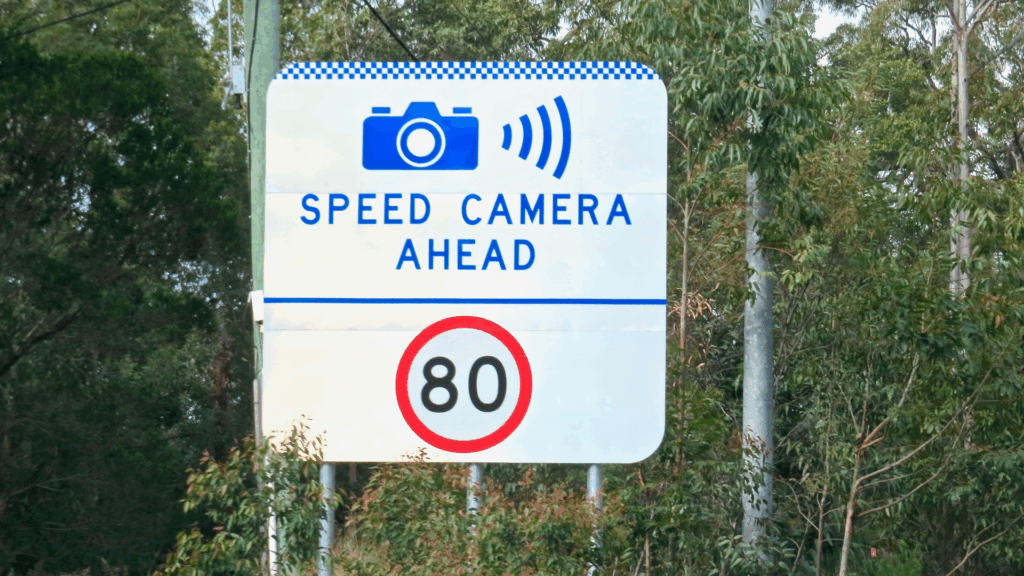
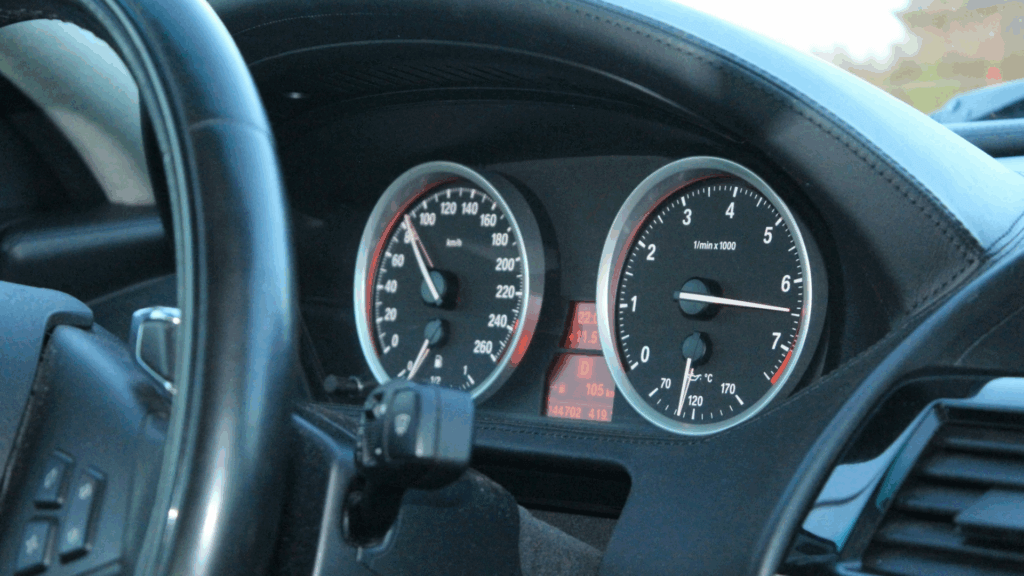
In California, speed cameras typically begin issuing fines after an initial warning period, giving drivers time to adjust to the presence of the new enforcement tools and understand how they operate, though some critics argue that timing can still feel abrupt once fines begin. Cities in the state are experimenting with thresholds such as 11 miles per hour over the posted limit before a ticket is generated, while first violations might start with smaller fines and escalate for repeat offenses.
While automated enforcement aims to improve safety, drivers should be aware that these cameras do not affect driver’s license points in all cases, and procedures for contesting a ticket typically involve submitting evidence or attending an administrative hearing, processes that vary by city and jurisdiction. Understanding how automated citations work in specific areas can help motorists avoid surprises and exercise their rights if they believe a ticket was issued unfairly.
Debate and Broader Implications for Road Safety
Supporters of radar camera ticketing systems argue that removing the need for an officer to be present can make enforcement more consistent and deter habitual speeding, especially in high-risk areas where crashes are frequent, and local data from cities with long-standing camera programs suggest reductions in speed-related injuries and fatalities at monitored locations. For example, large programs in other states have shown dramatic decreases in speeding and improved safety near schools and busy intersections where cameras operate around the clock.
Critics, however, express concern that automated systems may be perceived as revenue generators or “gotcha” tools rather than safety measures, particularly if warning signs and public education are insufficient and drivers feel blindsided by mailed tickets for violations they did not see in real time. Others question whether such systems overstep by issuing fines without live officer involvement, emphasizing the need for transparency and fair appeals processes in enforcement policies.
As more states and municipalities consider similar programs, policymakers are weighing evidence from jurisdictions that have used radar cameras for years, balancing the potential for safer roads with public acceptance, legal frameworks, and concerns about fairness and privacy in automated enforcement technology.
What Drivers Should Take Away From Automated Camera Ticketing
The shift toward radar cameras that can issue tickets without police stops represents a broader transformation in how traffic laws are enforced, reflecting a belief among proponents that safety can be improved through technology and certainty of consequences rather than traditional enforcement alone. With adoption growing in California and discussions underway in other regions, drivers should understand that automated systems are becoming a more common part of the landscape and adapt their habits accordingly to avoid violations.
Understanding the rules, warning periods and escalation of fines in areas with camera enforcement can help motorists make informed decisions on the road, and familiarity with the appeals process offers drivers options if they feel a ticket was unwarranted or incorrect. As automated enforcement continues to evolve, ensuring that systems are implemented with fairness and clarity will be key to maintaining public trust and achieving the desired safety outcomes.
Ultimately, the expansion of radar camera ticketing without police stops speaks to broader trends in transportation safety policy and technology use, encouraging drivers to slow down and comply with traffic laws while prompting conversations about how best to balance automation, equity and effective enforcement in modern road systems.