

Products are selected by our editors, we may earn commission from links on this page.
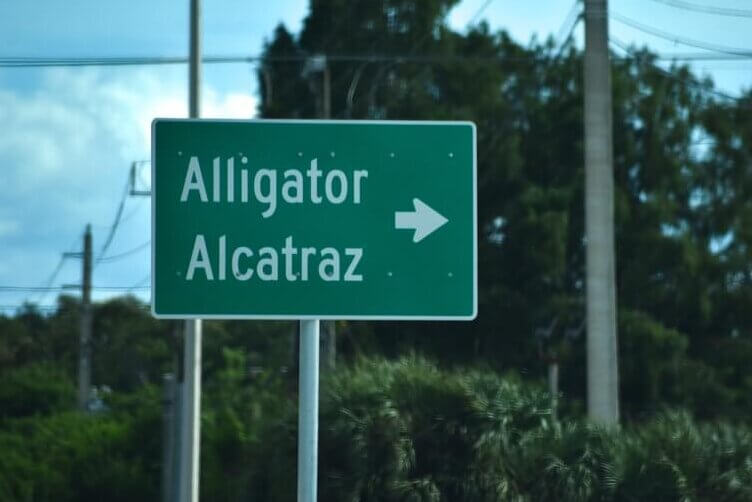
A growing legal battle is unfolding over a controversial immigration detention center deep in the Florida Everglades known as “Alligator Alcatraz.” Environmental groups are now asking a federal appeals court to allow a lower court order to move forward that would shut the facility down, arguing it was built without required environmental review.
What the Court Is Deciding

At the center of the case is whether federal environmental law applies to the facility. A federal appeals court previously paused an order that would have forced the site to wind down operations, siding for now with Florida officials who argue the project does not fall under federal review requirements.
Why Environmental Groups Are Challenging It
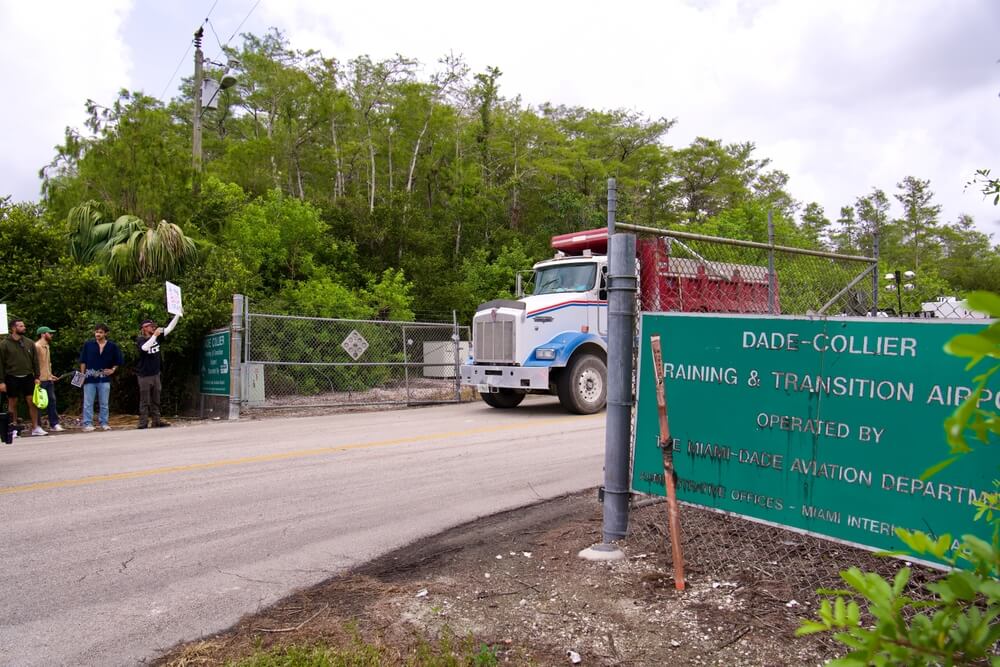
Groups including Friends of the Everglades and the Center for Biological Diversity say the project should have undergone a full environmental impact review under the National Environmental Policy Act. They argue the detention center qualifies as a “major federal action” because immigration enforcement is ultimately a federal responsibility.
Florida’s Argument: It’s a State Project

Florida officials counter that the facility was built and operated by the state, not the federal government. Attorneys for the state argue that federal law only applies if there is both federal funding and federal control, and that neither threshold was clearly met when construction began.
The Appeals Court Split

The legal question has already divided judges. In a 2-1 ruling, the appeals court sided with the state, finding there was not enough federal involvement to trigger environmental review requirements. But a dissenting judge argued that because immigration enforcement is a federal function, the government cannot sidestep its responsibilities so easily.
What the Lower Court Ordered
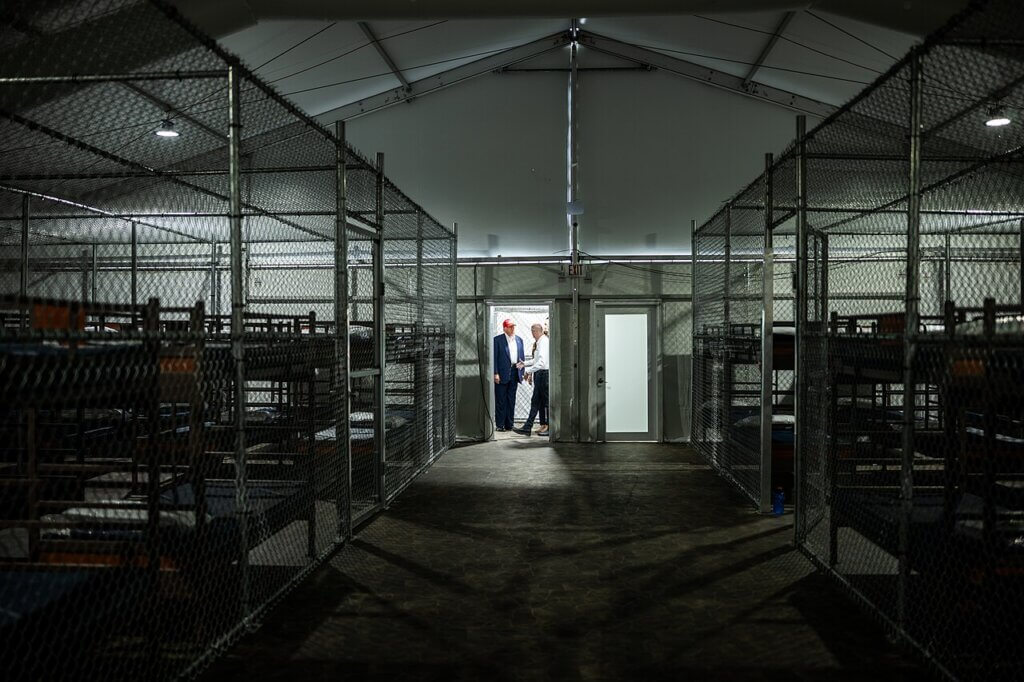
Before the appeal, a federal district judge had ordered the facility to begin shutting down within 60 days. That included halting new detainee transfers and removing infrastructure like fencing, lighting, and generators that had been rapidly installed at the site.
Inside ‘Alligator Alcatraz’
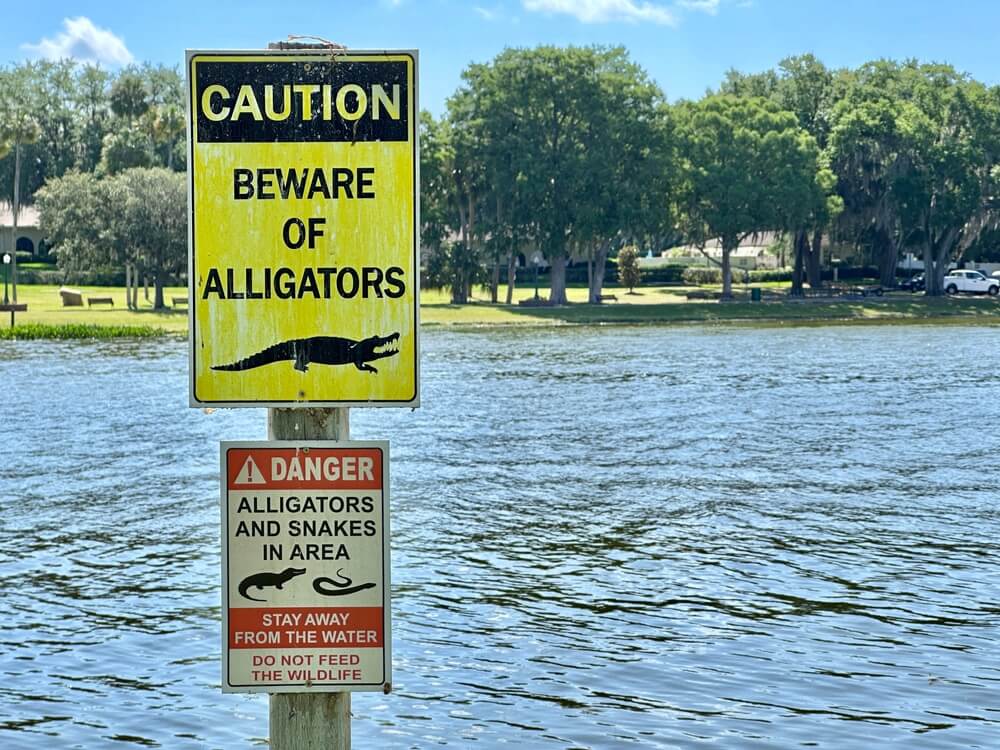
The facility itself sits on a former airstrip surrounded by wetlands about 40 miles from Miami, in one of the most ecologically sensitive regions in the country. Built quickly to support expanded immigration enforcement, it can hold thousands of detainees and is located in a remote area filled with swamps, alligators, and limited access points.
Conditions and Concerns
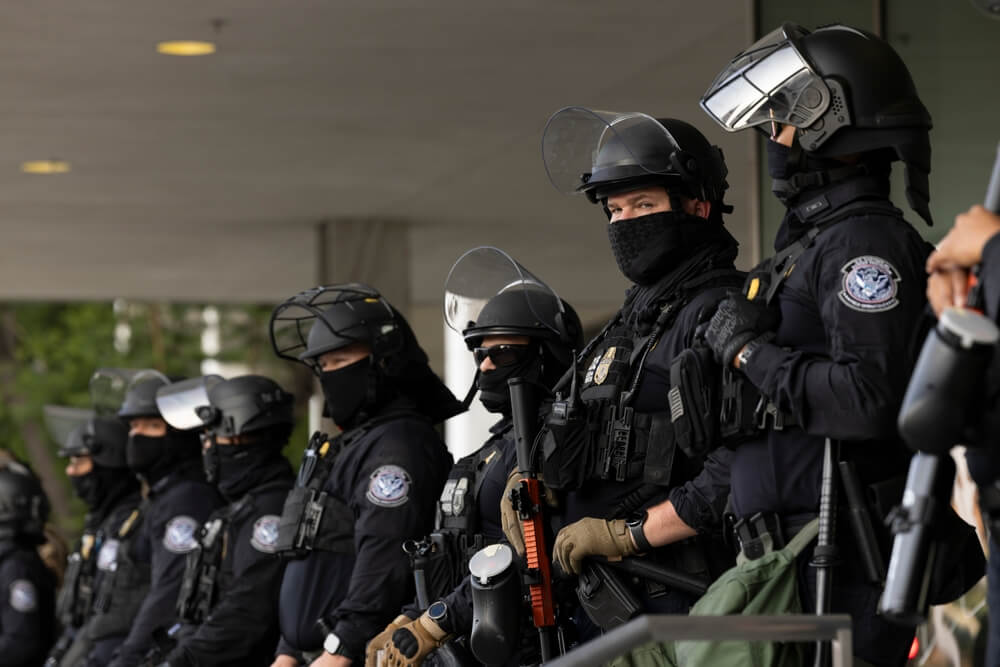
Court filings and reports describe a tightly controlled environment inside, where detainees follow strict schedules, wear color-coded uniforms, and face discipline for minor rule violations. Some detainees have reported poor conditions, including limited access to showers and sanitation issues, while officials maintain that proper systems are in place.
Why the Location Matters
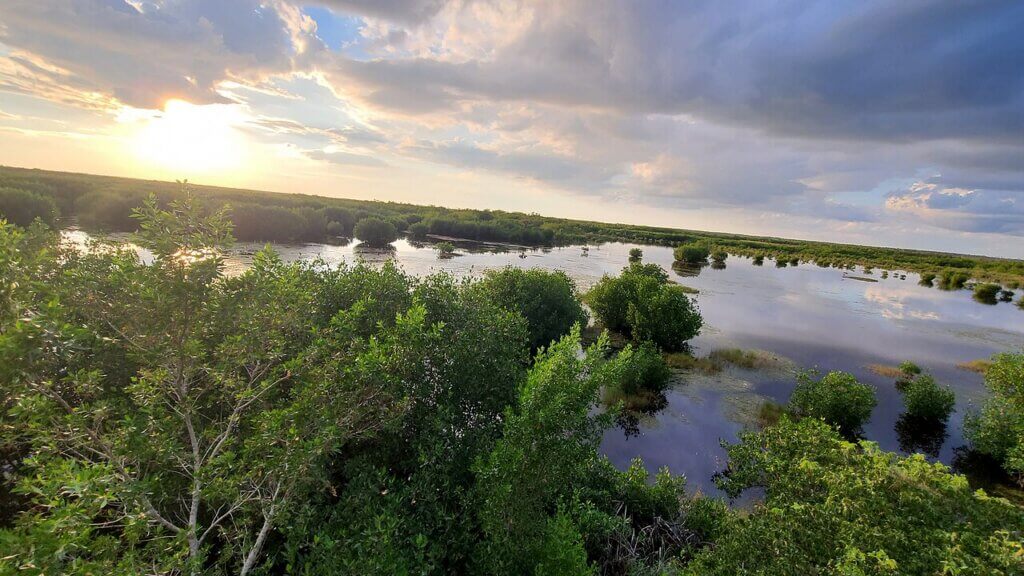
Environmental advocates say the Everglades location raises unique risks. The site sits within a fragile wetland ecosystem, where construction, lighting, and human activity could disrupt wildlife and water systems. Local advocates and tribal members have warned that the damage could extend beyond the facility itself and affect surrounding habitats.
What Happens Next
The appeals court has not yet issued a final decision on whether the shutdown order should proceed. Environmental groups say they are prepared to continue the fight, potentially taking the case further if necessary. As the legal battle continues, the facility remains open and operational, leaving its future uncertain.