

Products are selected by our editors, we may earn commission from links on this page.
The average American spends close to $500 a year chasing serums, retinols, and the latest 10-step routine. Yet dermatologists keep pointing to the same short list of habits, most of them free, that do more for skin than any product on the shelf. Before adding another bottle to the counter, the more useful question might be whether the basics are actually covered. Here’s where most routines quietly fall short.
A 2015 Study Found Extra Water Intake Changed Skin Density in Just Two Weeks

Researchers gave one group of volunteers an extra two liters of water daily for a month and tracked their skin with instruments that measure elasticity and moisture. The people who started out drinking the least water saw the clearest shift, with measurable gains in skin density within the first two weeks. The effect on already well-hydrated participants was far smaller, suggesting the biggest gains go to whoever’s furthest behind.
Dermatologists Say Gentle Beats Aggressive When It Comes to Cleansing
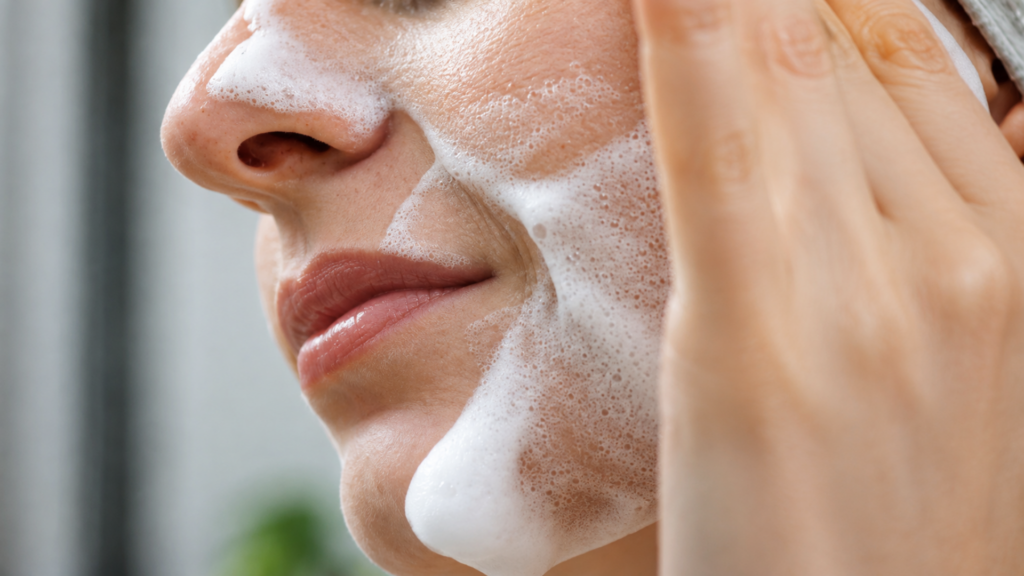
Stripping cleansers and aggressive scrubs can do more harm than the buildup they’re meant to remove. The American Academy of Dermatology recommends washing with mild, natural-leaning cleansers and saving exfoliation for once or twice a week, using gentle motions rather than force. Exfoliating too often breaks down the skin’s barrier, the very layer that keeps moisture in and irritants out. Done sparingly, it clears the way for everything applied afterward to actually absorb.
A Nightly Layer of Jojoba or Rosehip Oil Works While You’re Asleep

Facial oils sit differently on skin than lotions or creams, forming a layer that seals in moisture rather than adding it directly. Jojoba closely mimics the skin’s natural sebum, rosehip is prized for fading discoloration, and sweet almond oil softens without clogging pores. Applied at night, these oils get hours of uninterrupted contact with skin that’s already in repair mode, working alongside the body’s own overnight renewal process.
Carotenoid-Rich Foods Can Shift Skin Tone Within Weeks, Researchers Found

Several controlled trials have tracked what happens when people add more colorful produce to their plates. Carrots, spinach, and berries are rich in carotenoids and vitamin C, pigments that accumulate in skin and are linked to a warmer, healthier-looking tone. In some of these studies, participants who increased their fruit and vegetable intake showed a measurable, visible shift in skin color in as little as six weeks, without changing anything else about their routine.
Chronic Stress Shows Up on Skin, and a Daily Walk Can Blunt It

Physical activity increases blood flow, delivering oxygen and nutrients to skin cells more efficiently, part of why a workout can leave a visible flush of color behind. The same movement also lowers cortisol, the stress hormone linked to breakouts, dullness, and slower healing. Neither yoga nor a formal gym membership is required. A brisk daily walk touches both the circulation side and the stress side of the equation at once.
Skin Regenerates Overnight, and a Silk Pillowcase Can Cut Down the Friction

Cell turnover and collagen repair both ramp up during deep sleep, which is why dermatologists treat rest as an active part of a routine rather than downtime from one. Getting 7 to 8 hours matters, but so does what the face touches for those hours. Cotton pillowcases pull at skin and hair overnight, while satin or silk surfaces reduce that friction, a small swap that adds up across hundreds of nights a year.
A Kitchen-Cabinet Mask Can Rival What’s on the Drugstore Shelf
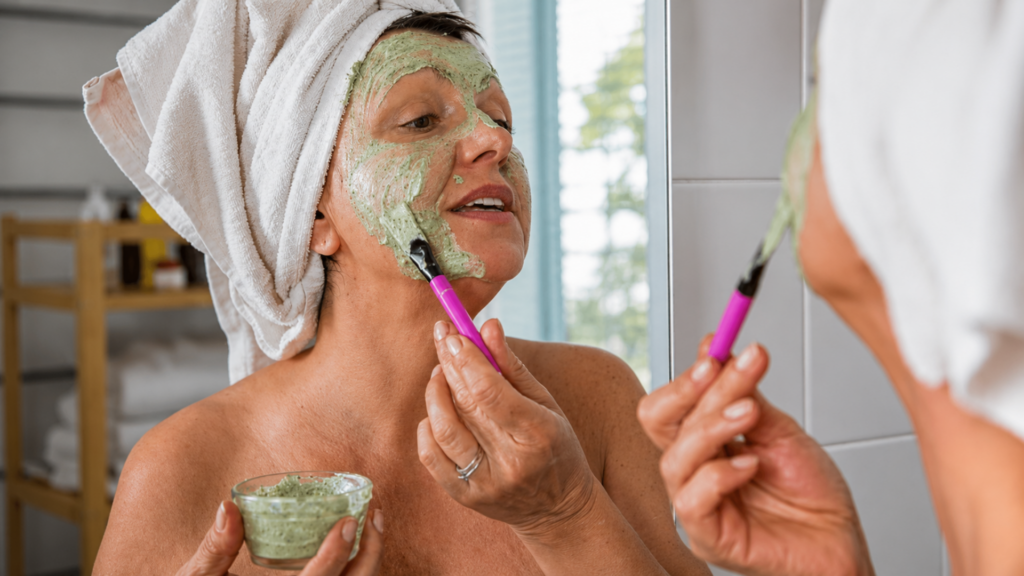
Yogurt and honey, mashed avocado, green clay: each targets something different, and none require a trip to the store. Honey has natural antibacterial properties that suit acne-prone skin, avocado’s fats work for dry skin, and clay draws out excess oil for anyone dealing with shine. The right pick depends entirely on skin type, which is exactly why a single store-bought formula rarely works the same way for everyone.
Up to 90% of Visible Skin Aging Traces Back to a Single Cause
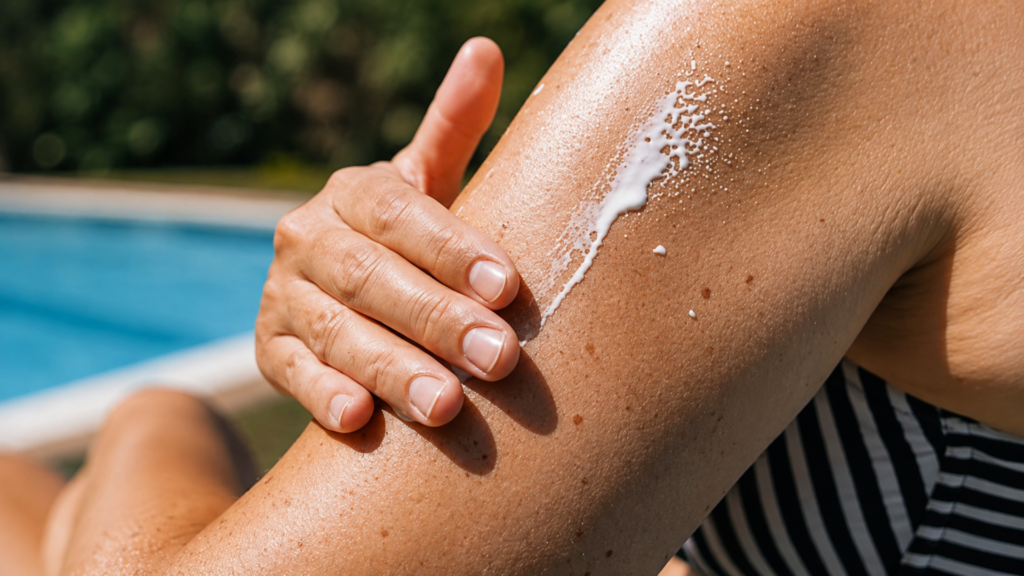
Research published in the Journal of Dermatological Science found that sun exposure accounts for as much as 80 to 90% of the wrinkles, sagging, and pigmentation typically blamed on age itself. That makes the single most effective anti-aging step something that has nothing to do with any serum: sunscreen, applied daily, whether the forecast calls for sun or clouds. Every other habit on this list works in the shadow of this one.
The Real Skincare Upgrade Costs Nothing and Sits Outside the Bathroom Cabinet

None of these habits require a new product line or a bigger budget. Water, sleep, movement, gentle cleansing, and daily sunscreen do more for skin over time than most serums ever will, and they work whether or not anything expensive gets layered on top. The products still have their place, but only once the basics are actually covered. That’s the upgrade dermatologists keep recommending, and it’s already sitting in most people’s daily routine.