

Products are selected by our editors, we may earn commission from links on this page.
Burberry, one of the world’s most recognizable luxury fashion brands, is shrinking its global retail footprint after confirming the closure of 21 stores during the latest fiscal year, highlighting how even high-end retailers are struggling in today’s uncertain economic environment. The British luxury house, founded in 1856 and famous for its iconic trench coats and signature check pattern, says the closures are part of a broader effort to improve profitability and reposition the brand for long-term stability.
The closures come as the luxury fashion industry faces slowing consumer demand in several key markets, especially in China and parts of Asia, where reduced spending and economic uncertainty have begun affecting even premium brands that once appeared insulated from broader retail pressures. Burberry reported a 2% year-over-year decline in revenue during the fiscal year, while cost pressures also increased significantly.
Despite the difficult environment, Burberry executives insist the company is not retreating entirely but instead trying to focus on stronger store locations, improved customer experiences, and more efficient operations as luxury shopping habits continue evolving worldwide.
Why Burberry Is Closing Stores
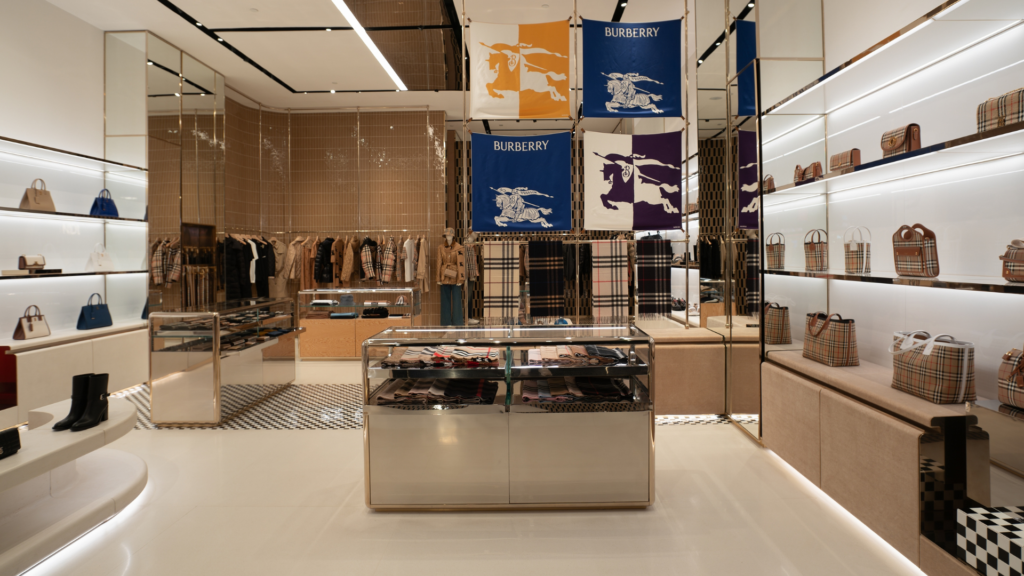
Burberry CEO Joshua Schulman explained that many of the stores being closed were either no longer profitable or were located in areas that no longer fit the company’s long-term strategy. In some cases, Burberry plans to relocate rather than fully exit markets, searching for more productive locations capable of attracting stronger customer traffic and higher sales volumes.
The luxury sector as a whole has faced mounting pressure over the past several years as post-pandemic spending surges cooled and inflation reduced discretionary shopping among many consumers. Analysts say luxury brands that aggressively raised prices in recent years are now dealing with slower demand, particularly among younger shoppers and aspirational consumers who previously fueled much of the industry’s rapid growth.
China’s slowing luxury market has become especially important for Burberry because the region historically represented one of the company’s largest sources of growth. Recent reports show weaker sales across Asia Pacific markets, while geopolitical tensions and softer tourism spending have also weighed on parts of Europe and the Middle East.
Luxury Brands Are Being Forced To Adapt
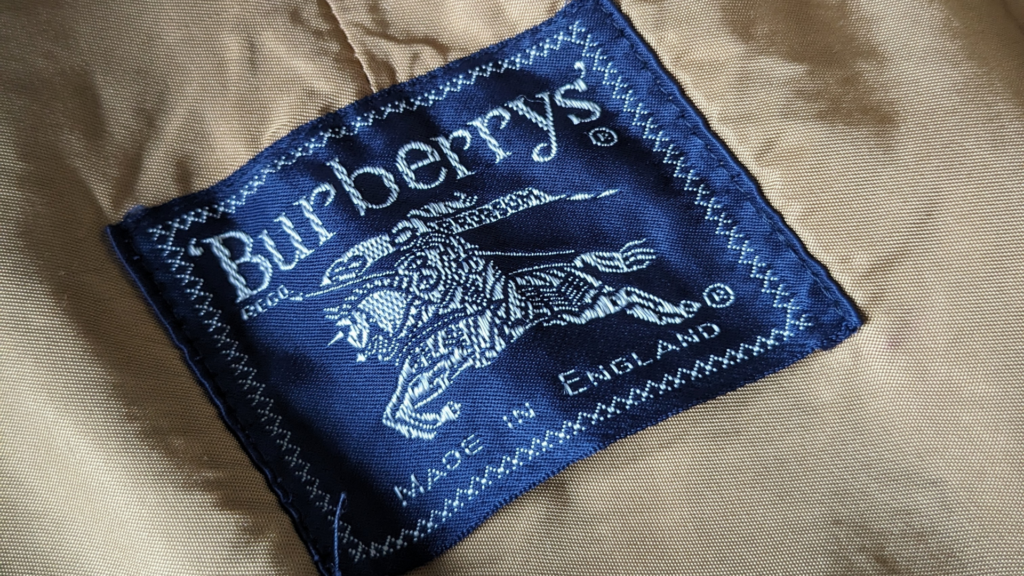
Burberry has already begun reshaping its business strategy under Joshua Schulman, who has focused on returning the company to its core strengths after several years of inconsistent performance and leadership changes. Instead of trying to compete directly with ultra-premium fashion houses like Louis Vuitton or Hermès, Burberry is now placing greater emphasis on its classic British identity, heritage outerwear, scarves, and more accessible luxury products.
The company has also invested heavily in marketing campaigns targeting younger shoppers, using celebrity partnerships and refreshed product collections to rebuild excitement around the brand. While some recent sales numbers have shown improvement, analysts caution that luxury spending remains fragile due to ongoing global uncertainty and weakening tourism activity in several regions.
At the same time, Burberry is increasing its focus on wholesale partnerships and department store relationships rather than relying entirely on standalone boutiques, reflecting a broader retail trend where luxury brands are becoming more selective about where and how they operate physical stores.
Even Luxury Retailers Are Feeling The Pressure
Burberry’s decision to close 21 stores underscores how dramatically the retail landscape is changing, even for brands long associated with exclusivity, wealth, and stability. Analysts now warn that thousands of physical retail locations across multiple industries could disappear in coming years as companies shift toward leaner operations and digital growth.
Although Burberry has shown some signs of recovery under its new leadership, the company continues facing major challenges tied to consumer confidence, tourism patterns, inflation, and global economic volatility, all of which are reshaping how luxury shoppers spend money worldwide.
Ultimately, Burberry’s store closures reflect a broader reality spreading throughout the luxury sector: even iconic brands with centuries of history are no longer immune to economic slowdowns, changing shopping habits, and the growing pressure to balance prestige with profitability in a rapidly evolving retail market.