


Products are selected by our editors, we may earn commission from links on this page.

The Trump administration’s proposal to exclude nursing from the federal “professional degree” designation has sparked nationwide outrage. The change, part of new student loan caps taking effect in July 2026, limits federal borrowing for nursing graduate students to significantly lower amounts than other medical fields. Nursing leaders warn that this threatens patient care and worsens existing workforce shortages.
What the New Policy Changes

Under Trump’s One Big Beautiful Bill, graduate nursing students face a $20,500 annual federal loan cap with a $100,000 lifetime limit. Meanwhile, students in designated professional programs like medicine, law, and dentistry can borrow $50,000 yearly and $200,000 total. The policy eliminates the previous Grad PLUS program that allowed borrowing up to full program costs.
Which Degrees Made the Cut

The Education Department defines eleven programs as professional: pharmacy, dentistry, veterinary medicine, chiropractic, law, medicine, optometry, osteopathic medicine, podiatry, theology, and clinical psychology. Nursing, physical therapy, occupational therapy, social work, architecture, education, and accounting were excluded. The decision relies on a 1965 law governing student financial aid that never explicitly included nursing.
Nursing Leaders Sound the Alarm

Jennifer Mensik Kennedy, president of the American Nurses Association, condemned the proposal, stating that limiting nurses’ access to funding for graduate education “threatens the very foundation of patient care,” according to Nursing World. The Los Angeles Times reported Kennedy emphasized that nurse practitioners provide the largest amount of primary care services nationwide, warning about worsening shortages.
The Faculty Shortage Crisis

Kennedy warned the policy will worsen America’s shortage of over 2,000 nursing faculty members nationwide. Doctoral degrees are typically required to teach other nurses, creating what she called a downward spiral effect. Without adequate faculty, nursing schools cannot train enough new nurses to meet growing healthcare demands, particularly in underserved communities where advanced practice nurses provide essential care.
Impact on Advanced Practice Nurses
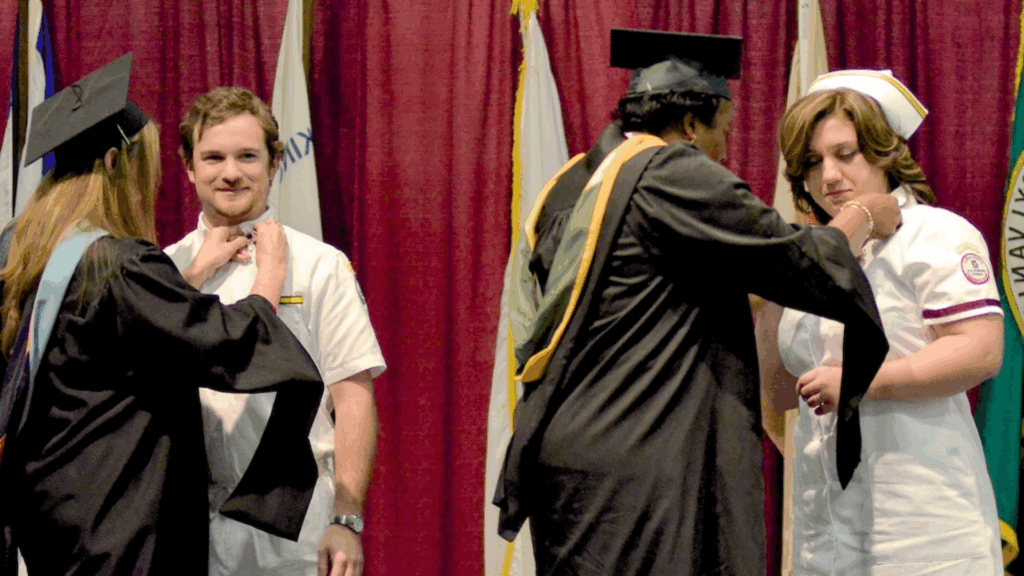
The changes most directly affect advanced practice registered nurses, including nurse practitioners, clinical nurse specialists, certified nurse midwives, and certified registered nurse anesthesiologists. These roles require extensive graduate-level schooling that enables them to diagnose patients and prescribe medications beyond what registered nurses can do. Duke University School of Nursing Dean Michael Relf fears fewer graduates will enter these critical workforce positions.
UCLA Nursing Dean Responds
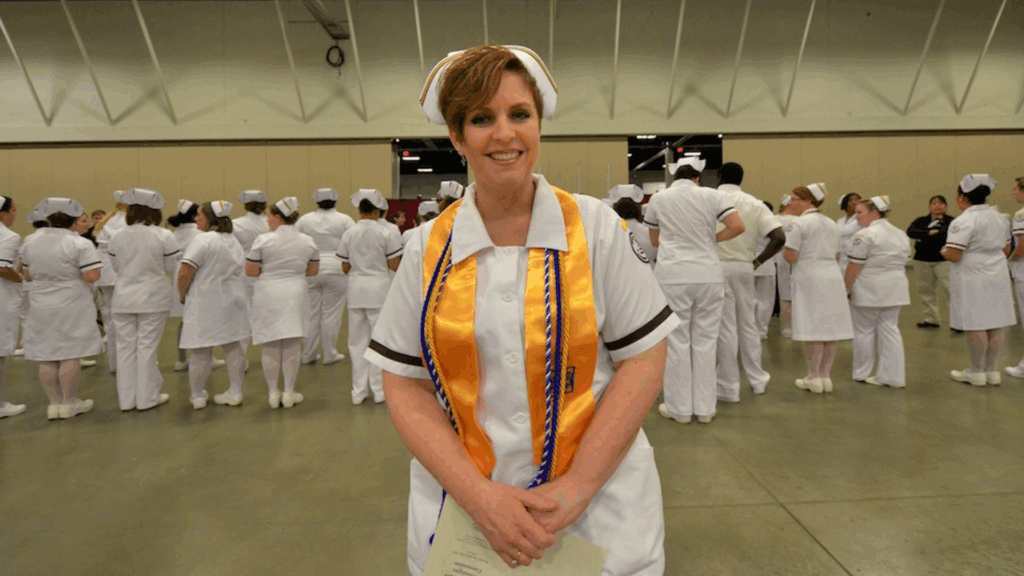
Lin Zhan, dean of the UCLA Joe C. Wen School of Nursing, told the Los Angeles Times the changes are “deeply concerning” and urged policymakers to reject them. Zhan stated that graduate-prepared nurses play critical roles across healthcare, and their expertise is vital as care becomes more complex and patient needs grow. She emphasized that policy changes must prioritize expanding access and enabling professional nurses to practice with knowledge and compassion.
The Gender Disparity Argument

A coalition of healthcare organizations noted that excluded fields are predominantly filled by women. According to a 2019 U.S. Census Bureau report, women comprise approximately three-quarters of full-time, year-round healthcare workers nationally. They account for even higher percentages in specific roles like dental and medical assistants. Critics view the exclusion as disproportionately impacting female-dominated professions.
Administration’s Defense
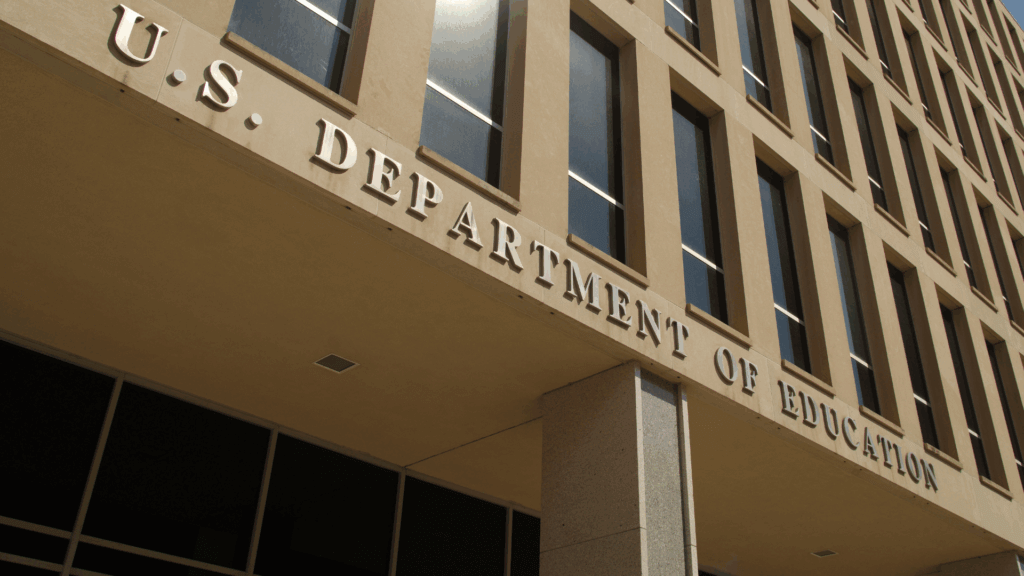
Education Department press secretary Ellen Keast told Newsweek the criticism is “fake news at its finest,” claiming the department has maintained consistent professional degree definitions for decades. Undersecretary Nicholas Kent stated the changes will pressure universities to lower tuition costs, benefiting borrowers who won’t be pushed into insurmountable debt. The administration believes capping loans will force schools charging higher-than-average tuition to reduce rates.
The 95% Claim Examined
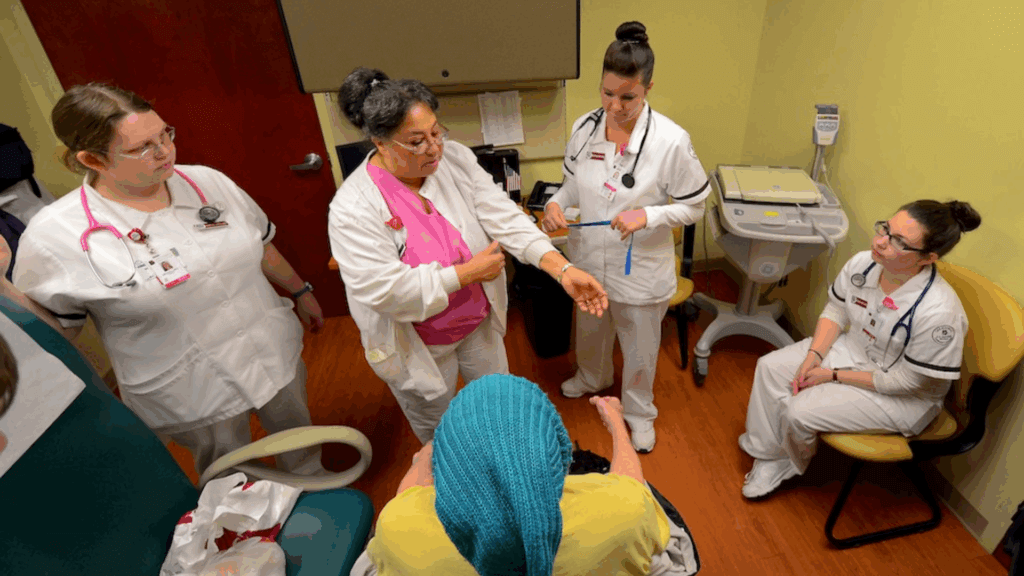
The Education Department argues that 95% of nursing students borrow below the new annual limit and won’t be affected. However, National Center for Education Statistics data shows average annual graduate nursing program costs near $30,000, exceeding the proposed $20,500 cap by nearly $10,000. Critics question whether the administration’s statistics accurately reflect the financial reality facing students.
Real Nurses Share Their Fears

One Instagram user with over 250,000 followers, planning to become a nurse practitioner, said the caps may put graduate school out of reach. She expressed frustration that the policy discourages continuing education. “They want women to be barefoot and pregnant.” Susan Pratt, a nurse and union president in Toledo, Ohio, called the move a ‘slap in the face’. She referenced nurses’ pandemic sacrifices, questioning why this is the thanks they receive.
Students Already Feeling the Pressure

Brad Bass, who documents his nursing journey on YouTube, was recently accepted into a certified registered nurse anesthetist program. Though affected by the cap, he’s been working nearly 70 hours weekly for two years, planning and saving for his doctoral program. He acknowledges he’ll rely on private loans but refuses to abandon his dream despite the financial barriers the new policy creates.
The Private Loan Alternative

With federal limits tightening, experts predict more students will turn to private student loans to bridge funding gaps. Banks and online lenders have already rolled out new products, including health professional student loans from Sallie Mae, College Ave, and Abe. However, private loans typically carry higher interest rates and fewer borrower protections than federal options, potentially increasing long-term debt burdens for graduates.
Concerns About Access and Equity

Lorna Finnegan, dean of Loyola University Chicago’s nursing school, warned that the policy will disproportionately impact underrepresented students who most need financial aid. She explained that it will create a two-tiered system because minority students are more likely to require loans, generally coming from less generational wealth, with reduced access to private borrowing. This threatens workforce diversity in nursing professions.
The Tuition Reduction Debate
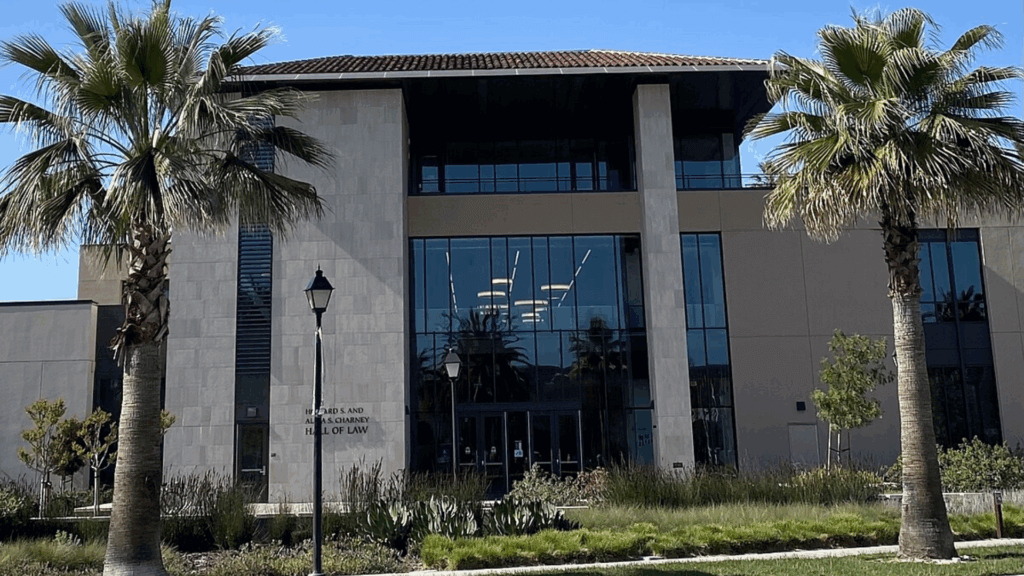
Some education policy experts argue that limiting federal loans could force expensive programs to lower costs. Santa Clara School of Law announced cutting tuition by $16,000 explicitly to offset the Graduate PLUS program repeal. However, nursing educators counter that their programs cannot easily reduce costs due to requirements for complex simulation laboratories, highly qualified faculty, and extensive hands-on clinical training essential for patient safety.
Is It Really an Insult?

The Education Department emphasized that a professional degree is merely an internal definition distinguishing programs qualifying for higher loan limits, not a value judgment about program importance. Preston Cooper, a senior fellow at the American Enterprise Institute, argued that excluding nursing isn’t a sign of devaluing the profession but simply recognizing that only advanced nursing degrees could reasonably qualify under the law’s language.
What Happens to Current Students

Students already enrolled in graduate nursing programs will be grandfathered into current lending limits and can continue financing their degrees under previous terms until program completion. The new caps take effect July 1, 2026, and will only apply to students seeking financial aid or entering nursing school for the first time after that date, providing a transition period for some.
The Broader Healthcare Impact

Olga Yakusheva, a Johns Hopkins University professor of nursing and business of health, warned that reduced numbers of nurse graduates will strain primary care, especially in areas with significant physician shortages. This could mean longer wait times, less time with medical providers, higher physician workloads, and growing reliance on foreign-educated nurses. Educational system strain may cause long-term reductions in domestically trained nursing workforce.
Public Comment Period Ahead

The federal rules can still be changed by the Education Department after a public comment period before taking effect in July. The department stated it has not prejudged the rulemaking process and may make changes in response to public feedback. Nursing organizations and healthcare advocates are mobilizing to submit comments urging reconsideration, hoping to reverse or modify the professional designation exclusion.
A Profession Fighting Back
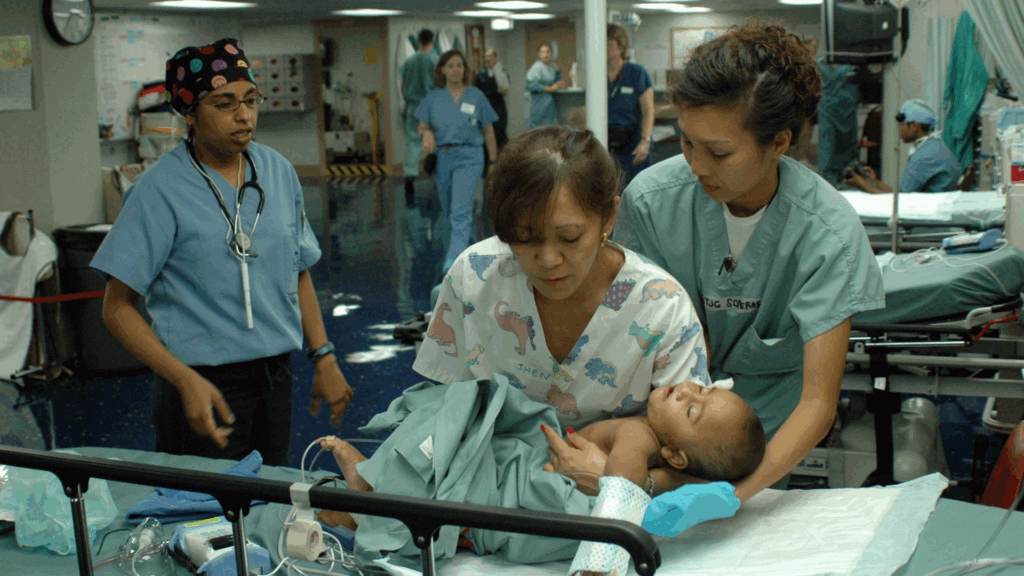
The controversy highlights deep tensions between efforts to control education costs and ensuring adequate healthcare workforce development. With nursing already facing critical shortages, the profession’s response demonstrates its determination to protect educational pathways. As the public comment period proceeds, the outcome will significantly impact thousands of future nurses and, ultimately, millions of Americans depending on their care in communities nationwide.