

Products are selected by our editors, we may earn commission from links on this page.
Legal scholars and constitutional experts are firing back at President Donald Trump, saying he fundamentally misunderstands the 14th Amendment’s guarantee of birthright citizenship — a constitutional right they argue is clear in text and long supported by legal precedent. Critics say Trump’s repeated claims that he could end birthright citizenship by executive action are “constitutionally flawed” and legally untenable.
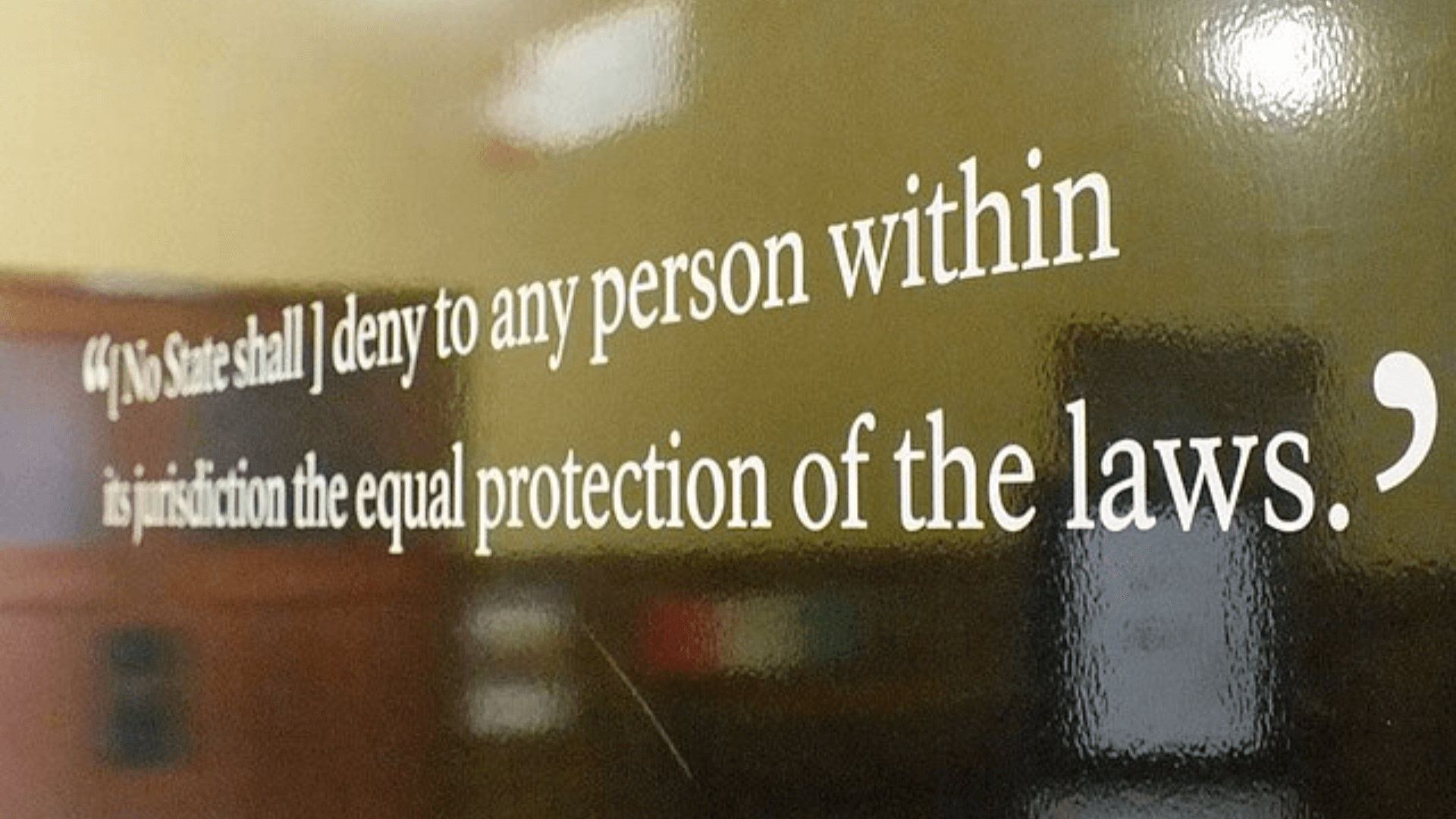
The 14th Amendment states that anyone “born or naturalized in the United States” is a citizen, a clause designed after the Civil War to protect formerly enslaved people and their descendants. Courts and legal scholars have nearly universally held that this text covers almost all births on U.S. soil, regardless of parents’ status.
Trump’s public statements and executive orders aiming to limit or reinterpret this guarantee have spurred lawsuits and injunctions, with at least one federal judge calling such efforts “blatantly unconstitutional.” Experts warn that a president does not have authority to unilaterally rewrite or override a constitutional right.
What Trump Has Said and Why Experts Disagree
Trump has repeatedly called for ending birthright citizenship, including via executive action, claiming that the U.S. is “the only country” that offers unconditional citizenship to those born in the country — a claim scholars say is factually incorrect and legally meaningless.
Constitutional law experts note that the text of the 14th Amendment is clear and that both historical practice and judicial decisions support its broad application. Changing or repealing such a right, scholars stress, requires a formal constitutional amendment, not a presidential directive.
Legal challenges to Trump’s attempts have already reached federal courts, with judges blocking or enjoining parts of policies aimed at restricting birthright citizenship, illustrating the judiciary’s role in upholding constitutional protections against unilateral executive overreach.
Broader Constitutional Concerns Raised by Scholars

Beyond birthright citizenship, constitutional experts say Trump’s broader approach to executive power has strained established norms of separation of powers and due process. Critics point to lawsuits, executive orders, and litigation that argue his actions often pushed legal boundaries and triggered judicial pushback.
One example frequently cited is the large number of executive orders and policy actions that have been legally contested or halted by courts, with scholars saying this trend reflects ongoing tension between presidential ambition and constitutional limits.
Scholars emphasize that the Constitution’s structure, with checks and balances among the executive, legislative, and judicial branches is meant to prevent any single branch, including the presidency, from reshaping fundamental rights without broad institutional consensus or constitutional amendment.
What This Means for American Law and Politics

The dispute over birthright citizenship has ignited political debate, but legal experts stress that constitutional text and precedent matter more than political rhetoric. They note that the 14th Amendment’s guarantee is among the most settled principles in U.S. constitutional law.
If the issue continues to be litigated, scholars expect the Supreme Court to ultimately determine the scope of the right, though most agree that overturning long-standing interpretations via litigation alone is highly unlikely.
For now, legal authorities warn that attempts to unilaterally redefine birthright citizenship or other core constitutional protections risk not only legal defeat but also broader constitutional crises between branches of government.