


Products are selected by our editors, we may earn commission from links on this page.
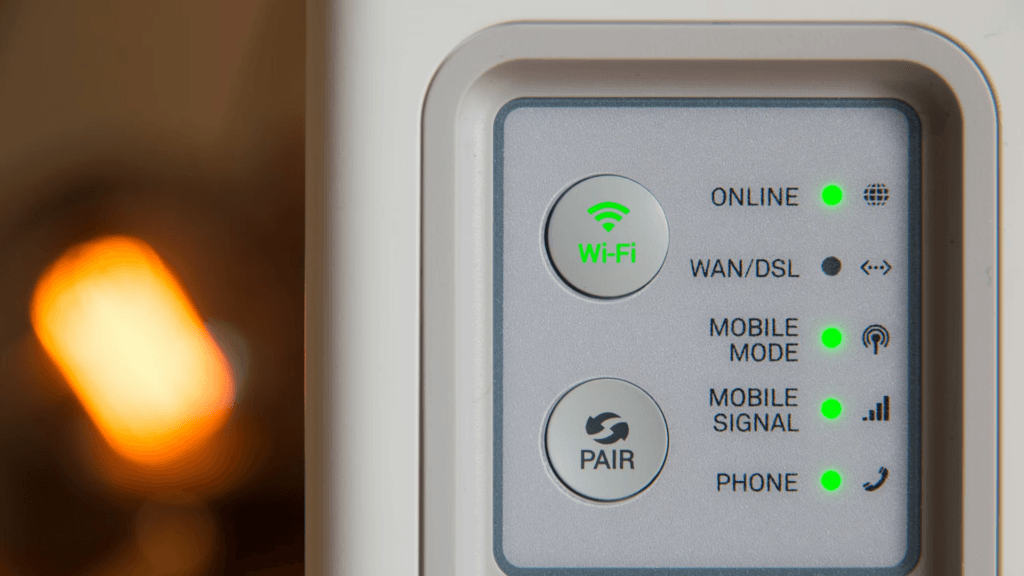
Millions of internet users could soon face a hidden cybersecurity risk as older Wi-Fi routers approach the end of their support life. Experts warn that many widely used devices are about to stop receiving critical security updates, leaving them exposed to hackers without most users even realizing anything has changed.
Routers are essential to everyday internet access, quietly managing connections for phones, laptops, and smart home devices. However, when manufacturers stop supporting older models, these devices become what experts call “end-of-life,” meaning they no longer receive patches for newly discovered vulnerabilities.
Because routers often continue working normally even after support ends, many households may keep using outdated devices for years. This creates a dangerous situation where millions of networks remain online but are increasingly exposed to cyber threats.
Why Losing Security Updates Is a Serious Risk

When a router stops receiving updates, any newly discovered security flaws remain permanently unpatched. This makes it easier for attackers to exploit weaknesses and gain access to networks, potentially allowing them to monitor activity, steal personal data, or infect connected devices with malware.
Cybersecurity agencies have already warned that outdated routers are frequently targeted by botnets, which are networks of infected devices used to carry out large-scale cyberattacks. In some cases, attackers can take control of routers remotely and use them to launch attacks without the owner’s knowledge.
The risk is made worse by user behavior, as studies show that a large percentage of people never update their router firmware or change default passwords. This combination of outdated software and weak security practices creates an easy entry point for cybercriminals.
Why Millions of People May Not Notice the Change

One of the biggest concerns highlighted by experts is that most users will not notice when their router stops receiving updates. Unlike smartphones or computers, routers rarely display warnings or notifications when support ends, leaving users unaware that their device is no longer protected.
At the same time, older routers often continue to function normally for browsing, streaming, and gaming. This gives users a false sense of security, even though the device may already be vulnerable to newer threats that were discovered after support ended.
Experts say this silent risk is what makes the issue particularly dangerous. Millions of households could be using outdated routers that appear to work perfectly, while in reality they are becoming easier targets for hackers with each passing month.
What Users Can Do to Stay Protected

To reduce risk, experts recommend checking whether your router is still supported by the manufacturer. If a device has reached end-of-life status, replacing it with a newer model that receives regular security updates is often the safest option.
Users should also ensure that their router firmware is updated whenever possible, and change default login credentials to strong, unique passwords. These simple steps can significantly reduce the chances of unauthorized access.
As cyber threats continue to evolve, keeping network hardware up to date is becoming just as important as protecting computers and smartphones. Experts warn that ignoring outdated routers could leave millions of households exposed, making awareness and proactive upgrades more important than ever.