

Products are selected by our editors, we may earn commission from links on this page.

When Americans think about dangerous viruses, the names that usually come to mind are Ebola, COVID, or influenza. Yet health researchers say another serious illness has been quietly spreading for decades, largely outside the spotlight. Recently, doctors and public health agencies have begun warning that the disease deserves far more attention.
Early Symptoms That Often Look Familiar

One of the biggest challenges doctors face is that the illness does not always appear dangerous at first. Patients may begin with mild fever, fatigue, headaches, or a general feeling of sickness. Because these symptoms overlap with many other diseases, the virus can spread quietly before it is recognized. In more serious cases, the infection can progress to breathing problems, organ failure, or internal bleeding.
Rare But Real Cases Beyond Africa
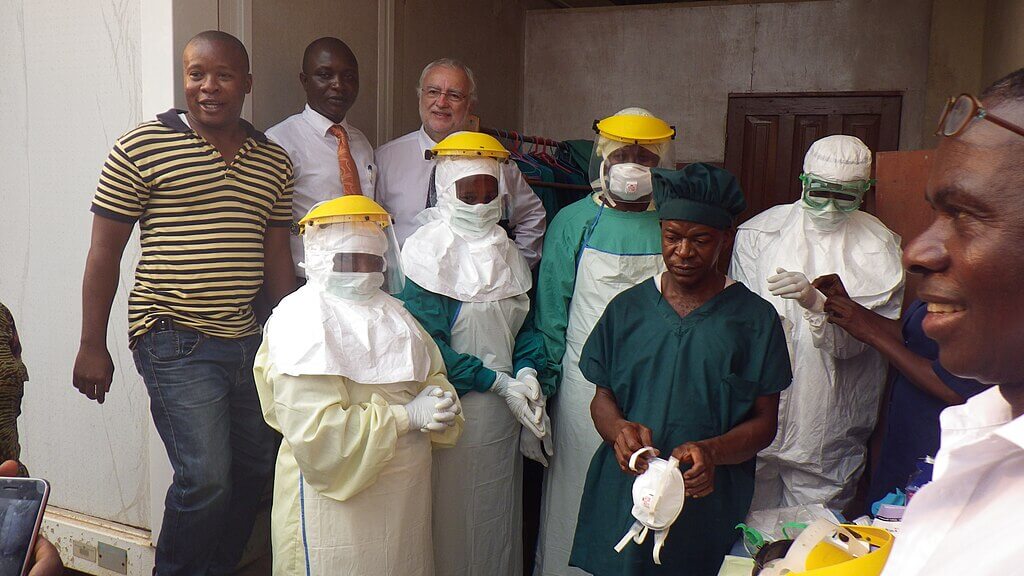
Although the disease is most common in West Africa, it has occasionally appeared far beyond the region through international travel. In 2024, health officials confirmed a case in Paris involving a traveler who had recently returned from West Africa, prompting French authorities to monitor potential contacts. That same year in the United States, a middle aged Iowa resident died after contracting the virus during travel in West Africa. These rare cases have reminded health experts that infectious diseases can move quickly in a connected world.
An Ebola-Like Virus Called Lassa Fever
The illness drawing renewed attention from health experts is known as Lassa fever. Scientists classify it as a viral hemorrhagic disease, a group that also includes Ebola and Marburg viruses. Although the symptoms can look similar, Lassa fever spreads in a very different way. Instead of mainly moving from person to person, most infections begin when humans come into contact with food or surfaces contaminated by infected rodents.
How the Virus Actually Spreads

In many communities where the virus circulates, rodents live close to human homes and food supplies. These animals can leave urine or droppings on stored food, which may expose people to the virus when the food is handled or eaten. In some situations the infection can also spread between people through contact with bodily fluids, especially in hospitals where strict protective measures are not in place.
A Disease Already Affecting Thousands
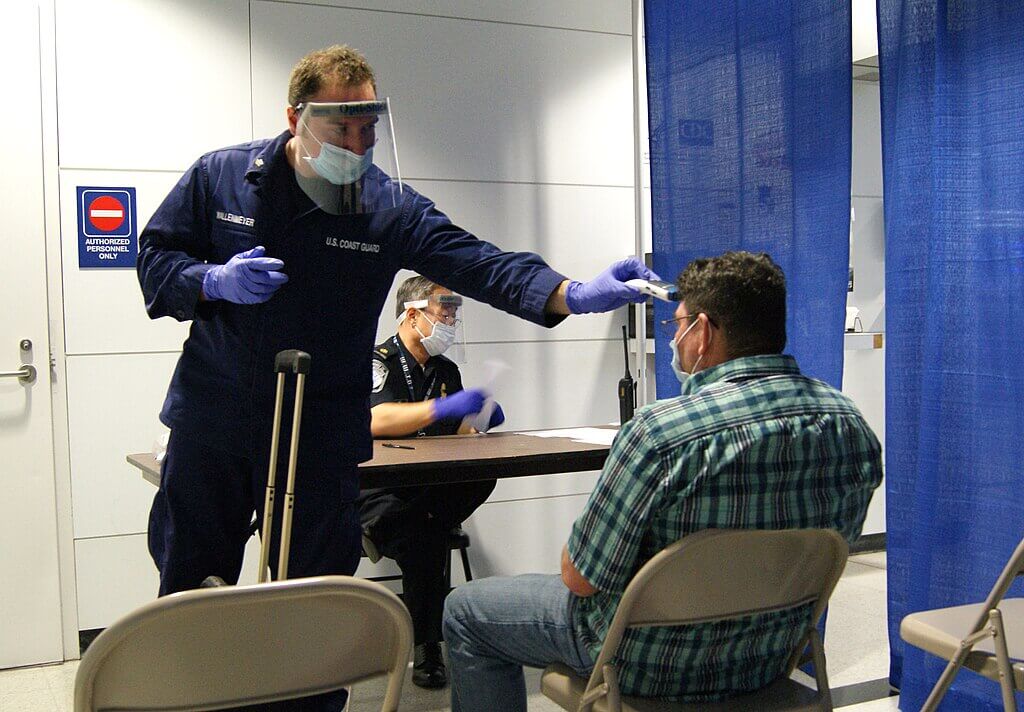
While Lassa fever may sound unfamiliar to many Americans, it is far from rare in the regions where it circulates. Health agencies estimate that hundreds of thousands of infections occur each year across West Africa. Some outbreaks have proven especially deadly, with hospitals reporting hundreds of confirmed cases and significant numbers of deaths during severe seasons.
Why Scientists Watch Certain Viruses Carefully

Because of patterns like these, public health experts closely monitor diseases that could spread beyond the places where they first appear. Lassa fever is one of them. The World Health Organization classifies it among the world’s priority epidemic threats because it causes thousands of deaths each year and still lacks widely available vaccines or reliable testing in many regions. In a study published in The Lancet Infectious Diseases, researchers warned that the virus is often underdiagnosed and underestimated, meaning outbreaks can grow quietly before health systems recognize the danger.
A Pattern That Is Getting Harder to Ignore

In West Africa, doctors have been treating Lassa fever for decades, yet recent outbreaks show the virus continues to pose a serious challenge. Nigeria alone recorded thousands of suspected infections and hundreds of confirmed cases in 2025, with more than 160 deaths reported by late August. Researchers say many infections likely go unnoticed because the early symptoms resemble malaria or other common illnesses.
Scientists Racing to Develop Vaccines

Because of these ongoing outbreaks, researchers are working urgently to develop better treatments and prevention tools. Scientists supported by the U.S. National Institutes of Health have launched early stage clinical trials to test experimental vaccines designed to protect against the virus. If successful, these vaccines could eventually help prevent infections in the regions where the disease spreads most often.
Why Experts Say The Threat Should Not Be Ignored

For now, health officials emphasize that the overall risk to people in the United States remains extremely low. Most infections occur through contact with infected rodents in areas where the virus naturally circulates. Still, the occasional imported case serves as a reminder that in an interconnected world, diseases rarely stay confined to one region forever. Monitoring emerging threats like Lassa fever, experts say, may help prevent the next global health emergency before it begins.