

Products are selected by our editors, we may earn commission from links on this page.
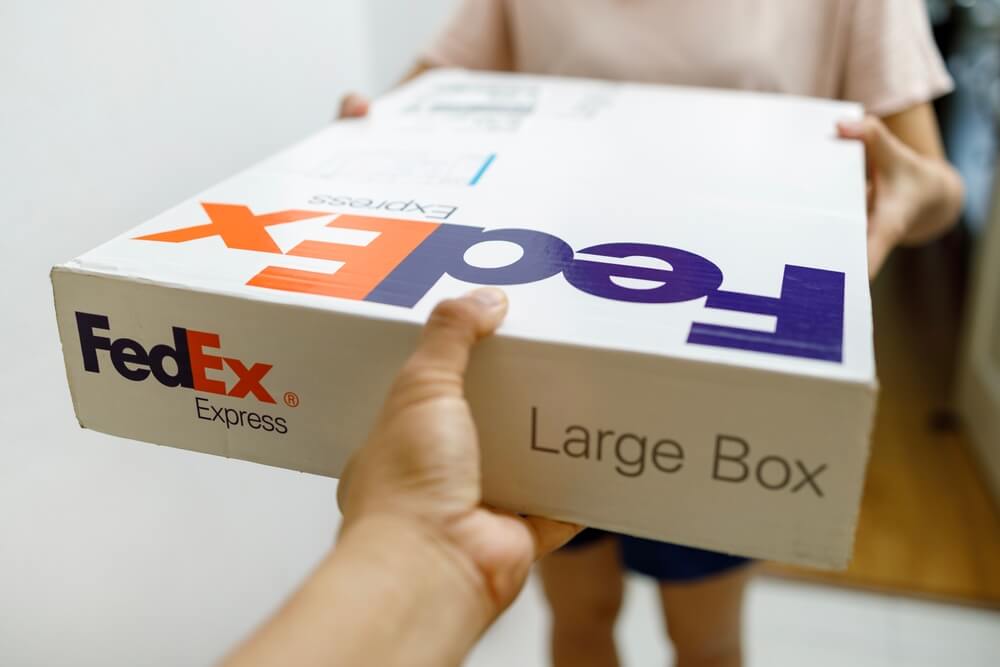
FedEx says new U.S. trade rules will shave roughly a $1 billion impact from its parcel business, cooling China-to-U.S. shipments. The company is holding its profit outlook for now, but executives warn the extra costs “will fall on the end consumer,” potentially via higher shipping fees or pricier imported goods.
A Billion-Dollar Blow

FedEx told investors it expects about a $1 billion tariff hit as new duties change the economics of cross-border parcels, even though the company has reinstated its annual profit forecast in the near term.
The Rule That Changed Everything
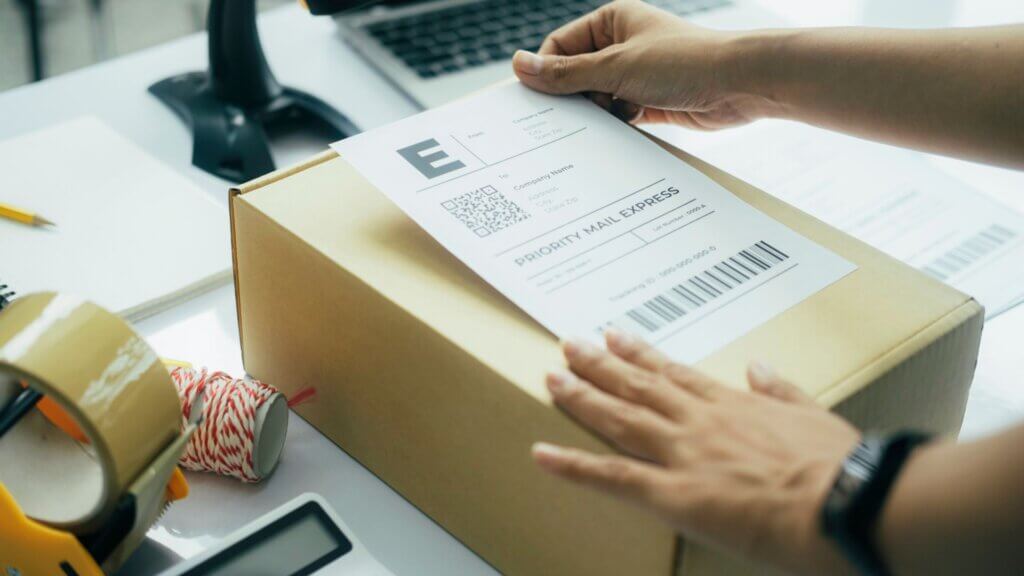
At the center of the shock is the end of the “de minimis” exemption — a policy that previously let many low-value imports enter duty-free. Making those small parcels dutiable alters pricing and customs handling for millions of items.
China-to-U.S. Volumes Already Softening
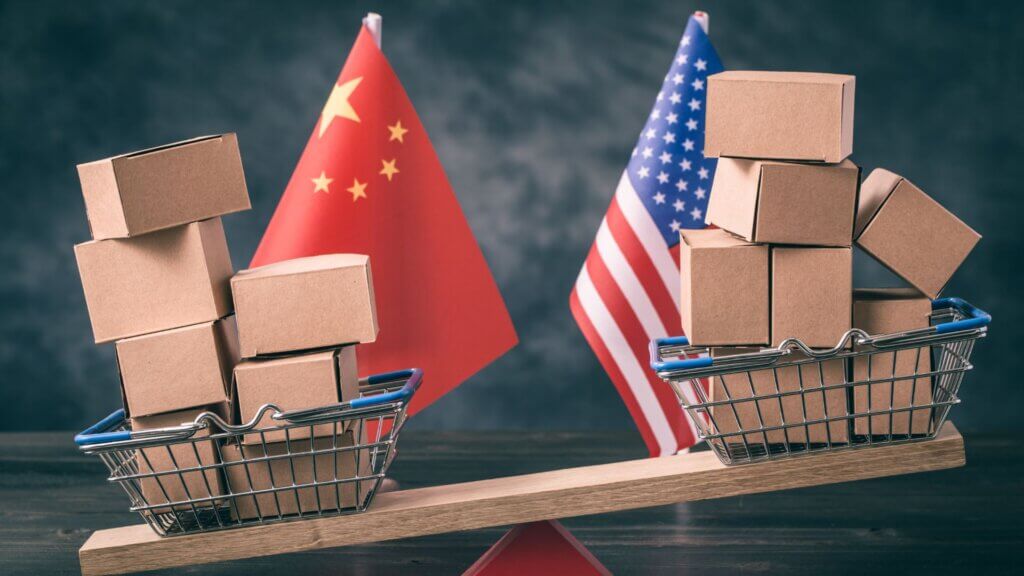
Market reports show China-to-U.S. parcel demand has slowed as sellers and buyers react to the new tariffs, narrowing one of FedEx’s previously robust international lanes.
Domestic Parcel Growth Provides Some Cushion
FedEx points to stronger U.S. parcel growth as a partial buffer, with domestic e-commerce volumes helping to offset international declines — though company leaders say domestic gains won’t fully erase the tariff impact.
The Company’s Blunt Warning: Consumers Pay
FedEx has warned that its $1 billion tariff hit will inevitably filter down to customers. Higher shipping fees and reduced discounts are expected, as retailers pass along added costs. Analysts note that imported goods, from electronics to household staples, could become more expensive as companies adjust prices and logistics in response to tariffs.
Small Sellers Feel the Squeeze First

Independent merchants and small e-commerce sellers that relied on low-cost, cross-border fulfillment face tough choices: raise prices, absorb smaller margins, or rework sourcing. Those with thin margins are most at risk of scaling back product selection or exiting cross-border markets.
How Marketplaces and Retailers Might Respond
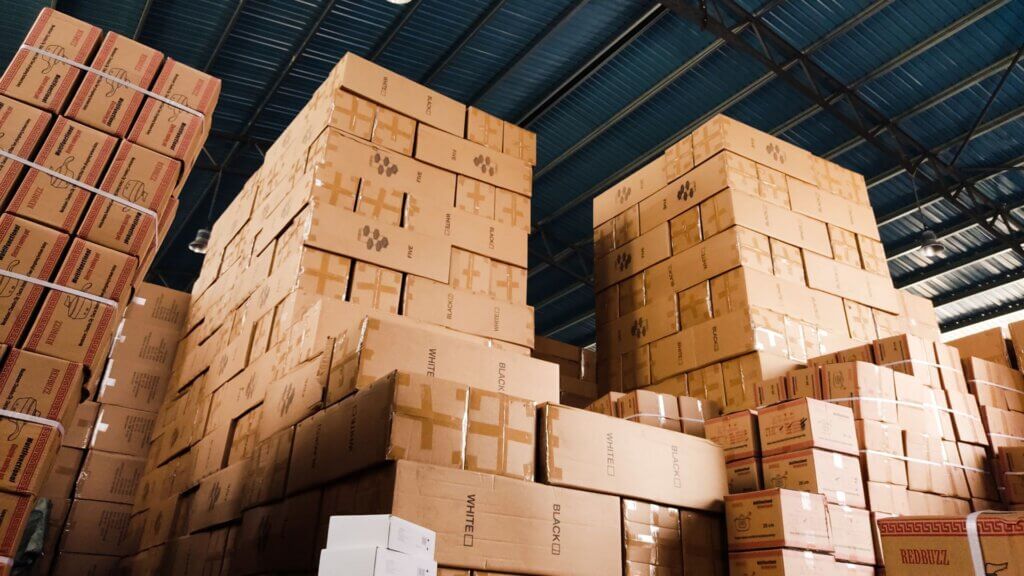
To protect margins and reduce surprises for buyers, marketplaces may push sellers toward domestic fulfillment, bulk shipments, or third-party logistics (3PL) solutions. Expect clearer landed-cost disclosures and possibly new customs calculators at checkout to show duties upfront.
Winners, Losers, and Industry Consolidation Risk
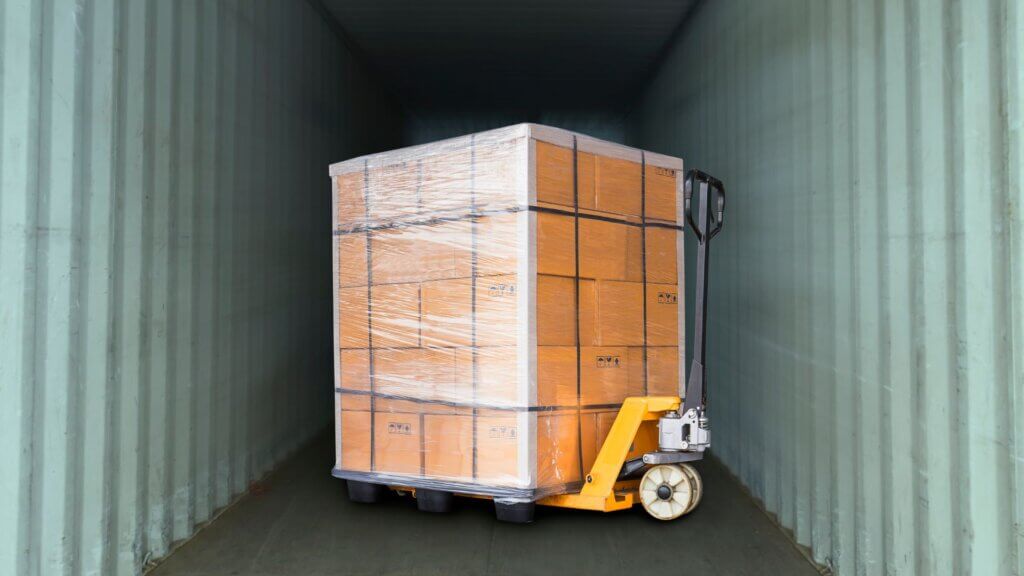
Big carriers with scale can reprice and restructure faster; niche cross-border players and smaller couriers have less flexibility. If the tariff regime persists, analysts say consolidation pressure could grow in the logistics sector as smaller operators struggle.
What Consumers Should Watch For

Shoppers may notice higher shipping charges, unexpected import fees at checkout, and fewer ultra-cheap direct imports. If you buy internationally, check estimated duties before purchasing, compare domestic vs. international sellers, and factor landed cost into your decisions.