

Products are selected by our editors, we may earn commission from links on this page.
Sam Tunick handed federal agents his phone’s passcode at Atlanta’s Hartsfield-Jackson airport. Seconds later, the device erased itself. Now prosecutors want to send him to prison for it. The code Tunick entered wasn’t the real one. It was a duress password, a built-in security feature designed to protect exactly this kind of moment.
This article was created with the assistance of AI and reviewed by our editorial team for accuracy and clarity.
Agents Detained Tunick Over Child Exploitation Images, Then His Phone Went Blank

On January 24th, 2025, federal agents pulled Tunick into secondary inspection at the Atlanta airport. According to his lawyers, officers demanded his phone’s passcode after questioning him about child sexual abuse imagery. Tunick gave them a code. The phone didn’t unlock. It wiped itself instantly, erasing everything on the device before agents could examine a single file.
GrapheneOS Built the Feature That Wiped Tunick’s Phone
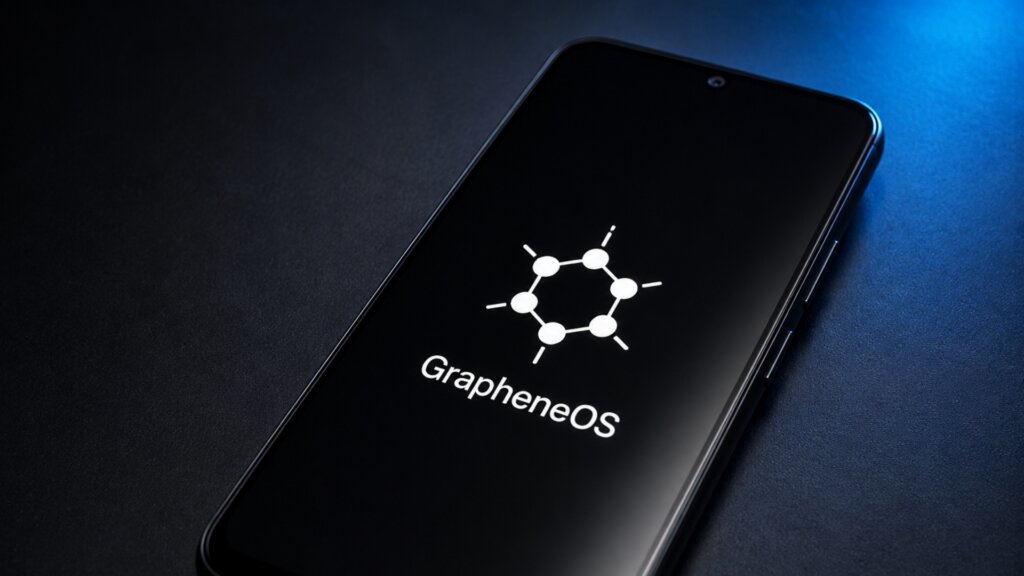
The technology behind the wipe comes from GrapheneOS, a custom Android operating system that runs in place of the standard software on most Google Pixel phones. Owners can set a separate passcode that, when entered instead of the real unlock code, deliberately erases everything stored on the device. It exists for exactly this kind of forced-access scenario. Tunick’s attorneys have confirmed he was running the software.
Prosecutors Reach for a Statute Almost Never Used This Way
The government isn’t charging Tunick with a privacy violation. It’s charging him with destroying property. Prosecutors are relying on a rarely invoked statute that prohibits destroying or damaging property to prevent authorities from seizing it, a law built for physical evidence, not phone data. As far as anyone can tell, it’s the first case of its kind brought over a manufacturer-built security feature.
Tunick’s Lawyers Say the Real Target Was His Activism

Tunick’s defense team isn’t accepting the government’s stated reason for stopping him. He is connected to Defend the Atlanta Forest, the movement fighting the police training center critics call Cop City. In a motion to dismiss, his attorneys argue the child exploitation questioning was simply a pretext for a fishing expedition into Mr Tunick’s connections to that movement.
No Lawyer, No Warrant, No Rights Read, Defense Claims
According to the defense, agents denied Tunick access to an attorney throughout the stop. They allege he was never told he had legal rights he could invoke, and no warrant was ever produced before agents demanded access to his phone. The defense argues the entire search was unlawful from the start, which would mean every piece of evidence collected, including the wipe itself, should be thrown out of court.
The Government’s Counter: Tunick Hadn’t Technically Entered the Country Yet
Federal prosecutors have a response ready for the warrant argument. They contend no warrant was legally required because Tunick had not yet been formally granted permission to enter the United States when agents searched his device. Border searches operate under a long-standing exception that lets agents inspect phones without a warrant or probable cause, even for US citizens returning home.
A 2019 Court Ruling Already Called Border Phone Searches Unconstitutional
This isn’t the first legal fight over device searches at the border. A 2019 federal court ruling found that suspicionless phone searches at borders violated the Fourth Amendment. Despite that ruling, the practice never stopped. Marlon Kautz of the Atlanta Solidarity Fund put it bluntly: we all have a right to secure our private data against unconstitutional searches, and we should, especially in a time of rising authoritarianism.
Legal Scholars Warn the Case Could Reach Far Beyond One Phone

If a duress password counts as criminal obstruction, other tools fall under the same shadow. Encryption that makes data unrecoverable. Remote wipe features triggered when a phone is reported stolen. Legal scholars watching the case say a conviction could expose millions of ordinary security practices to prosecution, not just the specific feature Tunick allegedly used at the airport.
One Ruling Now Decides How Safe Any Phone Really Is at the Border
A judge in Atlanta now holds the outcome that will define digital privacy at US borders for years to come. If prosecutors win, using a manufacturer-built security feature becomes a criminal risk for any traveler. If Tunick’s motion to suppress succeeds, the case collapses, and so does the government’s attempt to punish people for protecting their own data. Either verdict sets the boundary between border security and constitutional privacy.