

Products are selected by our editors, we may earn commission from links on this page.
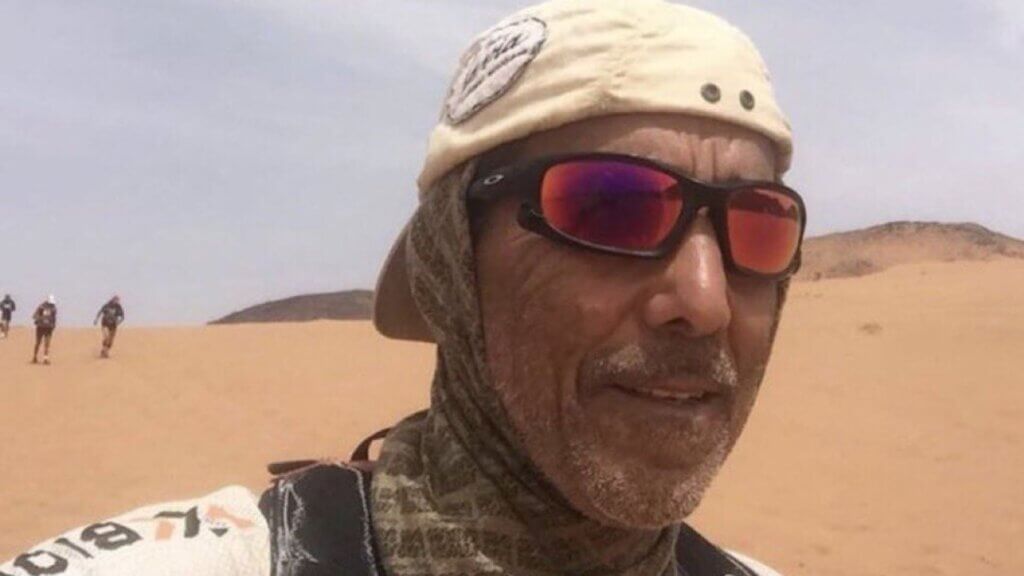
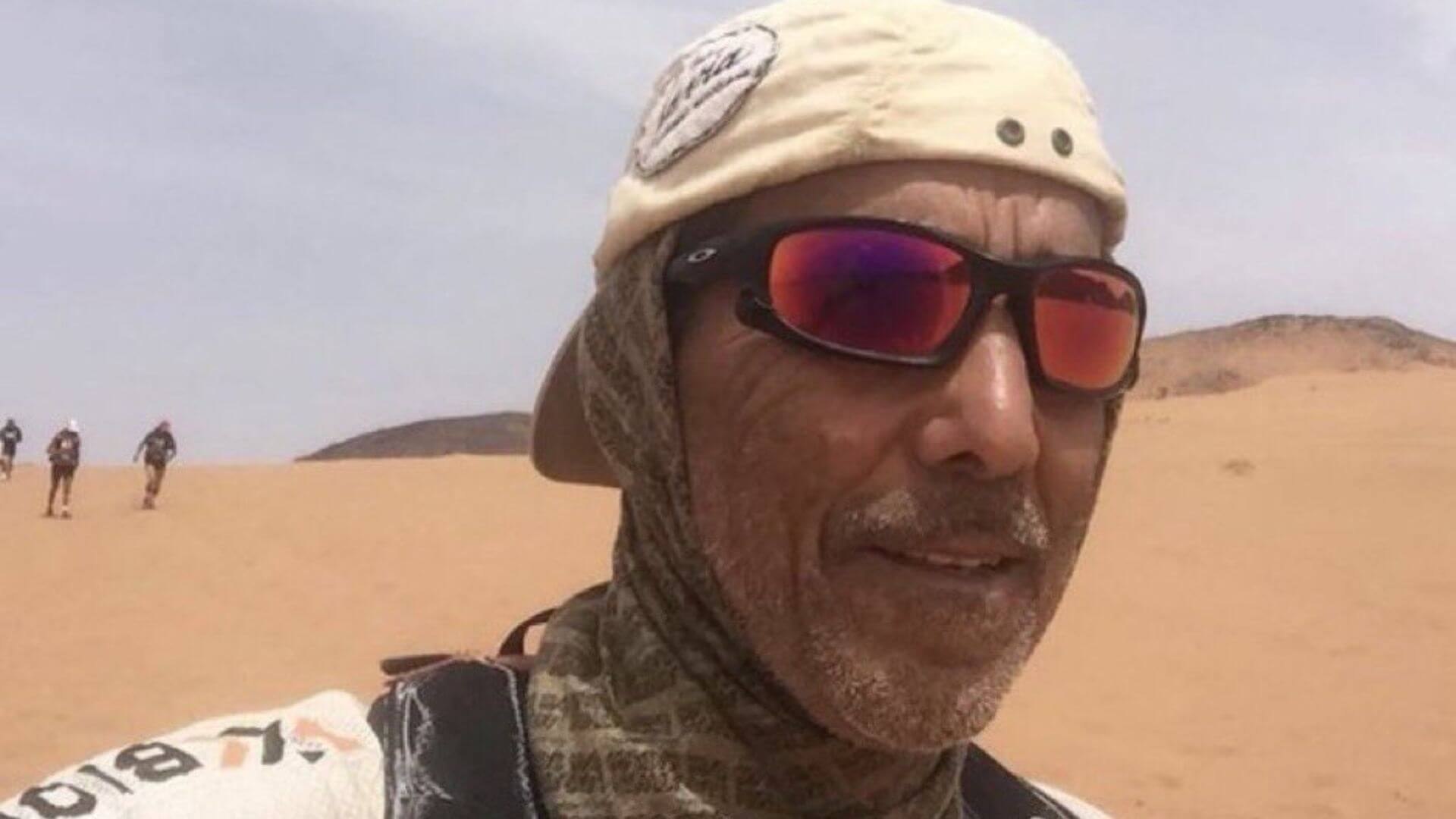
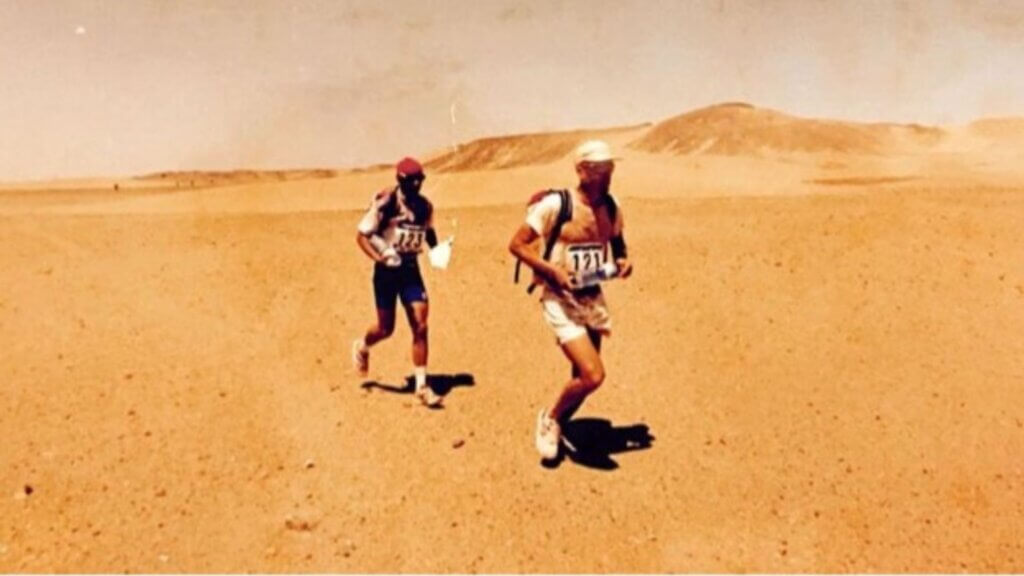
In April 1994, Mauro Prosperi was running strong in the Marathon des Sables, a punishing race through Morocco’s Sahara Desert. The former Olympic pentathlete was keeping pace among the fastest competitors. Then, around the small dunes, sand began to swirl. Within moments, a violent sandstorm engulfed him. He couldn’t see. Sand stung his face like needles.
Swallowed by the Storm
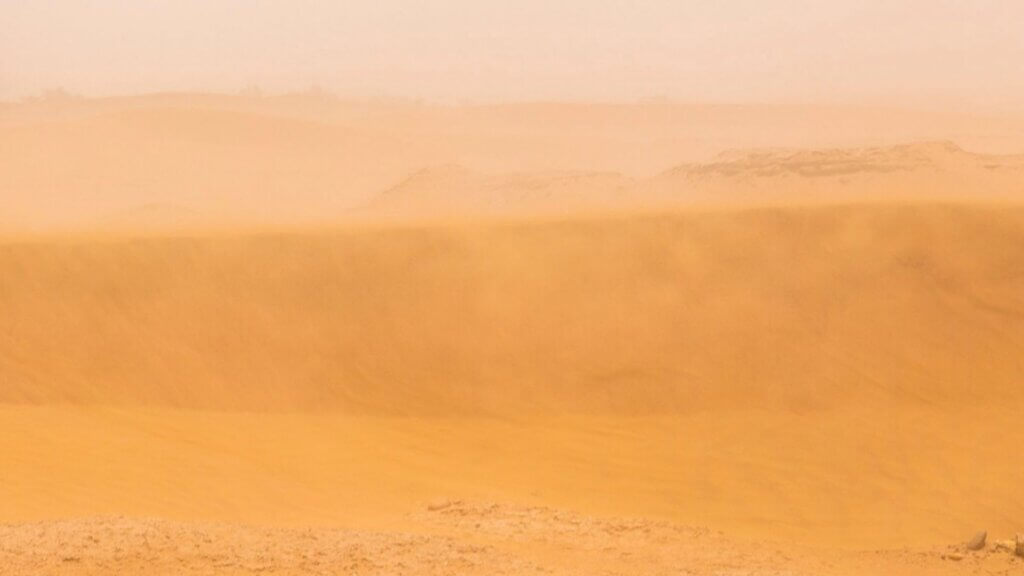
The sandstorm lasted eight hours, forcing Prosperi to keep moving to avoid being buried alive. He tried to shelter multiple times, but sand covered him each attempt. When the storm finally passed and darkness fell, he slept on the dunes. The next morning revealed a transformed landscape. Every reference point had vanished. His compass pointed at nothing but endless sand.
Running Blind
Prosperi’s first instinct was to keep running. He’d lost time but still hoped for a medal. Yet something felt wrong. Where were the other runners? The checkpoint markers? The walkers who’d started early? He climbed a dune and saw no one. That’s when uncertainty crept in. But he still convinced himself rescue was inevitable; that the organizers would find him soon.
A Grandfather’s Wisdom

That first night alone brought strange beauty—a sky thick with stars. It also triggered a memory. Prosperi’s grandfather had survived World War I by drinking his own urine when water ran out. Following that instinct, Prosperi urinated into his canteen while still well-hydrated. The liquid was clear, almost like water. He didn’t think he’d actually need it. Help was surely coming.
The Helicopter That Didn’t See Him

On his second day lost, Prosperi heard a helicopter approaching. This was it—his rescue. The aircraft flew low enough that he could see the pilot’s white helmet. He fired his emergency flare, waved his Italian flag frantically, and ran after the chopper screaming random names, “Paolo! Giovanni!” But the flare was tiny, like a ballpoint pen. The pilot never saw him standing there alone. The helicopter disappeared.
A Different Race Begins
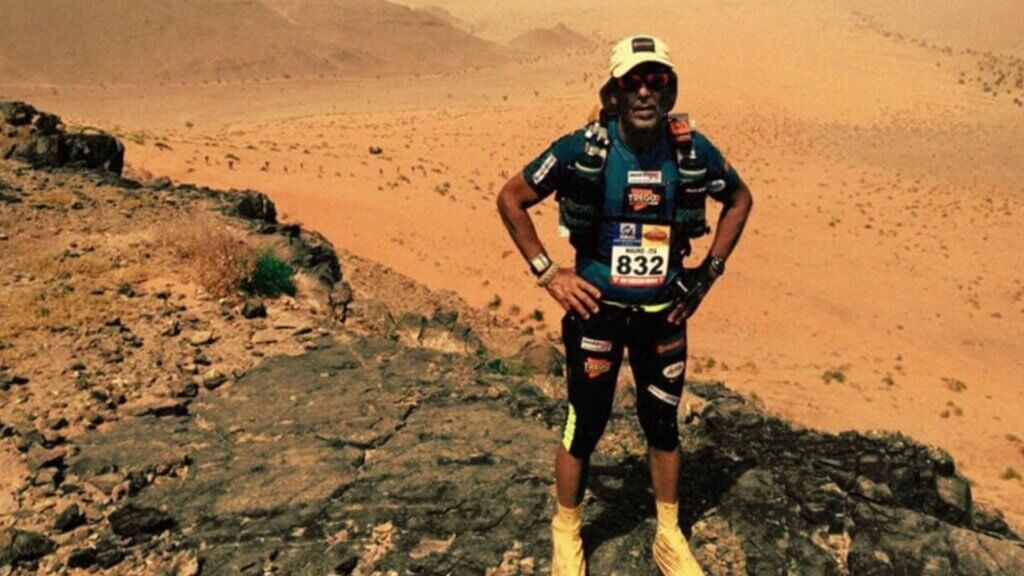
After realizing he was truly lost, Prosperi slowed to a walk. This wasn’t about finishing the race anymore. He faced a survival contest with no plotted route, only adversaries beginning to reveal themselves. His backpack held mostly dehydrated food and no water. Yet surprisingly, he felt no fear. Instead, a strange serenity settled over him, punctuated by flashes of intense anger.
Shelter of the Dead
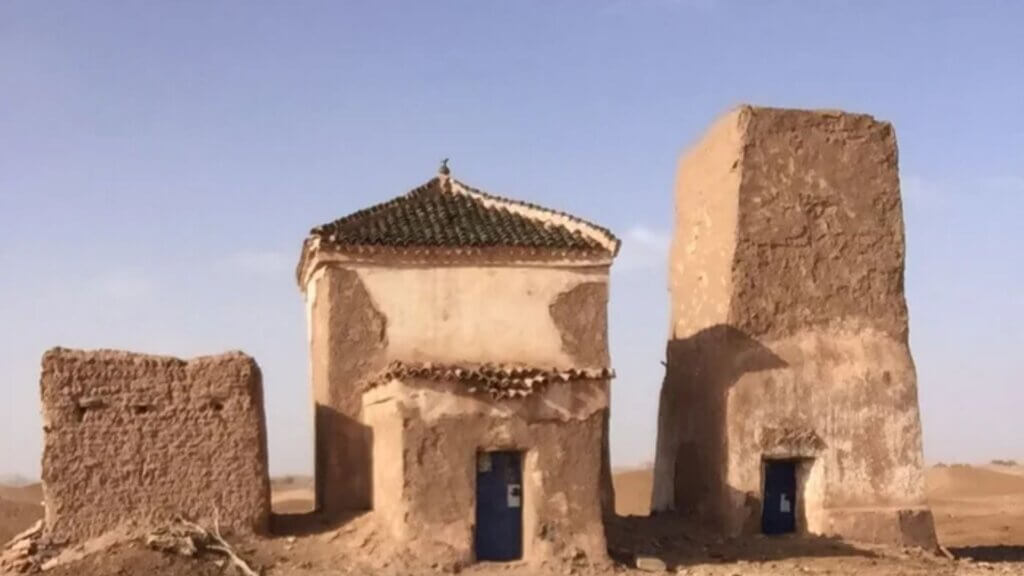
On his second day lost, Prosperi spotted something interrupting the endless sand. Climbing a tree for a better view, he saw what he believed was a marabout, a Muslim shrine used by Bedouins crossing the desert. Inside, he found only a holy man’s sarcophagus. At least he had shelter overhead. Securing his Italian flag to the turret, he heard squeaking. Tiny bats clung to the walls, clusters of them huddled together tightly.
Drinking Darkness
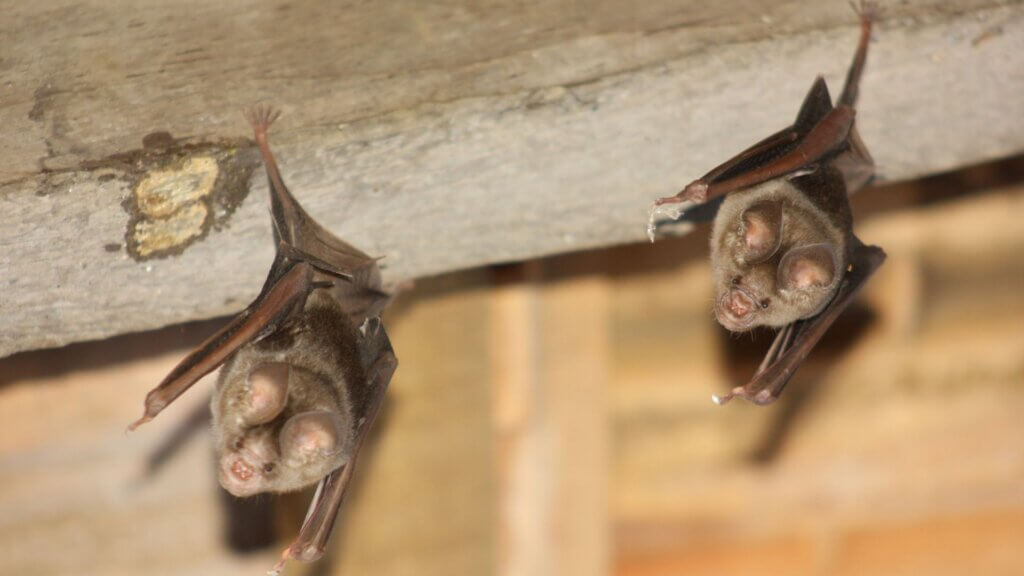
Prosperi caught a handful of bats with his bare hands and killed them quickly. Using his knife, he extracted what he could and drank it in a desperate effort to survive. He consumed about 20 bats this way, eating and drinking simultaneously. When asked about disgust, Prosperi seemed puzzled by the question. He saw food. He ate it. Simple as that. The only problem was they smelled a bit.
Respect for the Dead
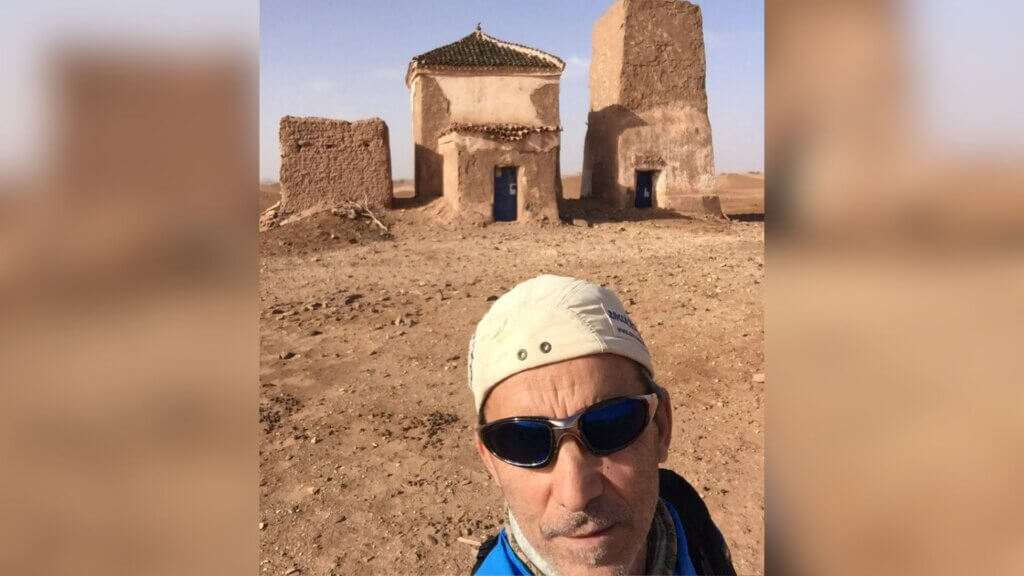
The bats provided crucial moisture and protein. They smelled awful, but Prosperi emphasizes practicality over emotion. After feeding on the bats, Prosperi carefully carried their remains outside and buried them. This act of ritual mattered to him—imposing civilization’s order on what had just occurred. He respected both the shrine and the creatures that sustained him.
Fire and Fury
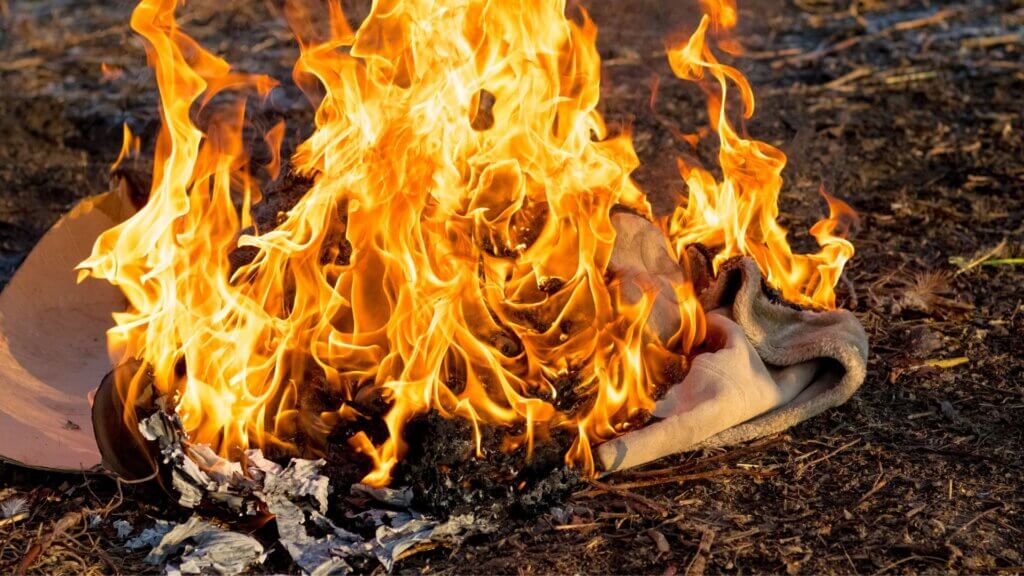
Hearing another aircraft days later, Prosperi rushed outside to start a signal fire. He threw everything into a hole—his sleeping bag, rucksack, anything that would smoke. Just as the fire ignited, another sandstorm struck, lasting 12 hours. The plane never saw him. The anger that flooded his body was overwhelming. This felt like his last chance, and the desert had stolen it away.
A Calculated Decision
After the second storm passed, Prosperi made a grim calculation. In Italy, families of the missing don’t receive death benefits until 10 years pass. As a police officer, his pension would support his wife and three young children. But only if they found his body. He reasoned that if he died wandering the desert, he’d disappear completely. Sand would bury everything except bones.
An Attempt at Control
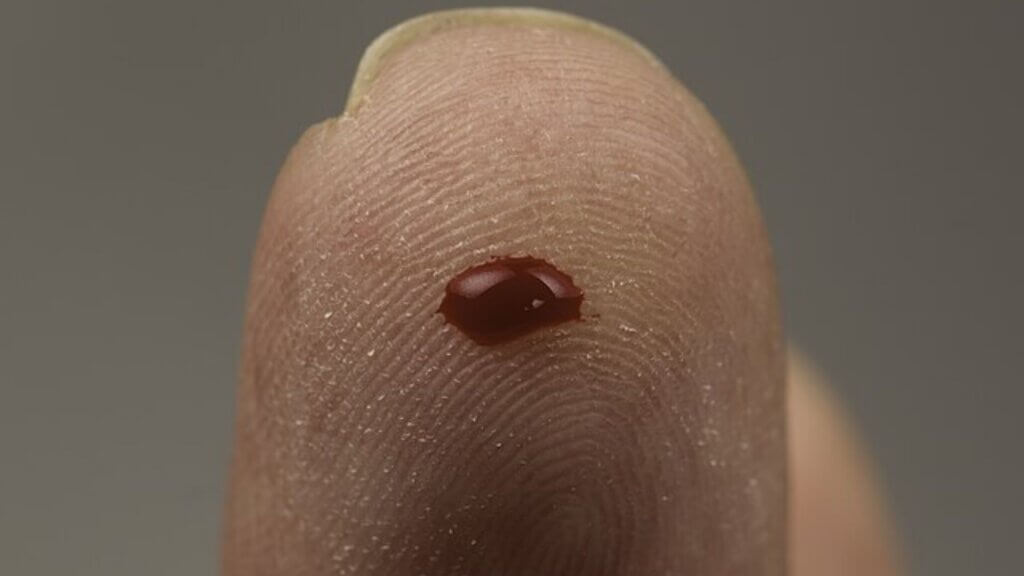
Prosperi decided to cut his wrists inside the marabout. If he bled to death there, his body would be found, and his family would receive his pension. He wasn’t afraid of dying, and the decision came from logic rather than despair. He wrote a note to his wife with charcoal, made the cuts with his small knife, lay down, and waited to sleep forever.
Blood Too Thick

The next morning, Prosperi woke up. Due to extreme dehydration, his blood had clotted almost immediately at his wrists. He took this as a sign—it wasn’t his time. Death didn’t want him yet. Anger transformed into determination. He regained his focus. The athlete in him returned. He would head toward the clouds on the horizon, following the Tuareg’s advice about finding life in the desert.
Eating the Desert
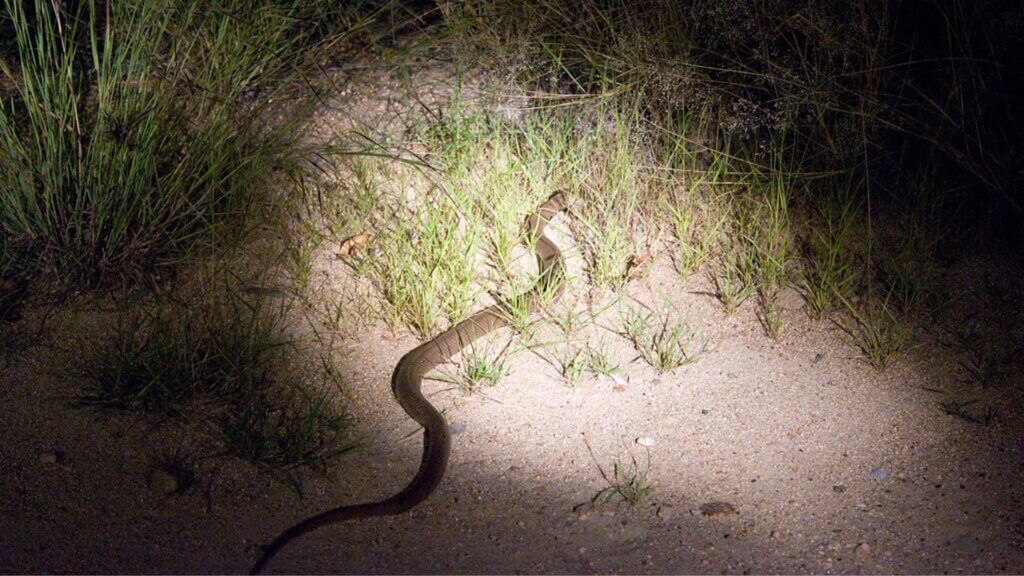
From that moment, Prosperi did everything to survive. He drank his urine. He hunted mice and snakes from the shady growth at tree bases, mashing everything in a cup from the marabout. He ate large ants and chewed leaves. He cut the backs off his running shoes to relieve the sores on his bleeding heels. In the profound silence, wind became his companion.
Seeing Beauty
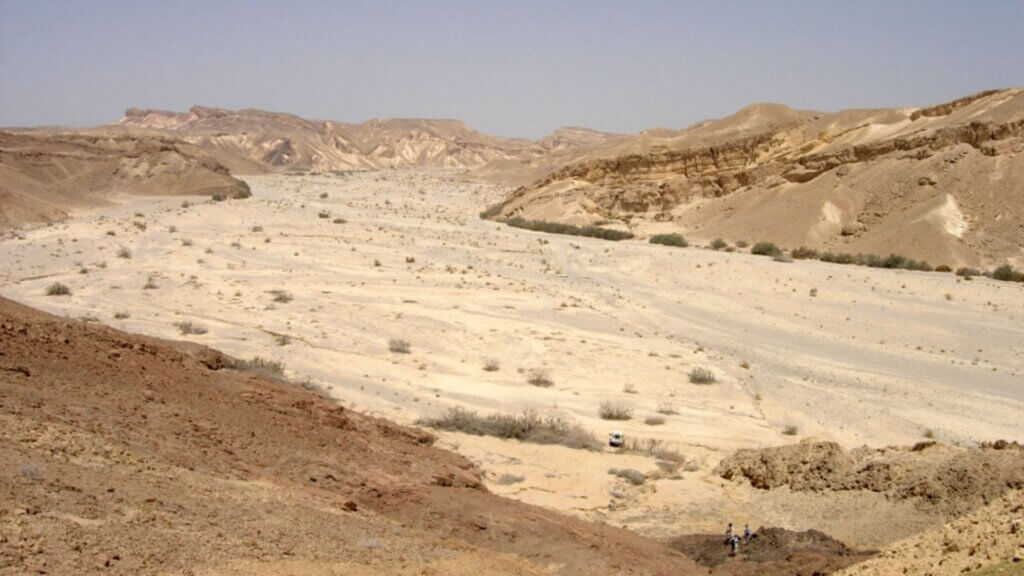
Over six days of walking, Prosperi really looked around him, because survival demanded it. He saw fantastic panoramas—an enchanted valley like a gigantic dry estuary, with two canals and a mound of stones resembling a castle. The impossible didn’t exist for him. He tried to normalize everything, to see being lost as a chance to know the desert more profoundly.
Signs of Life
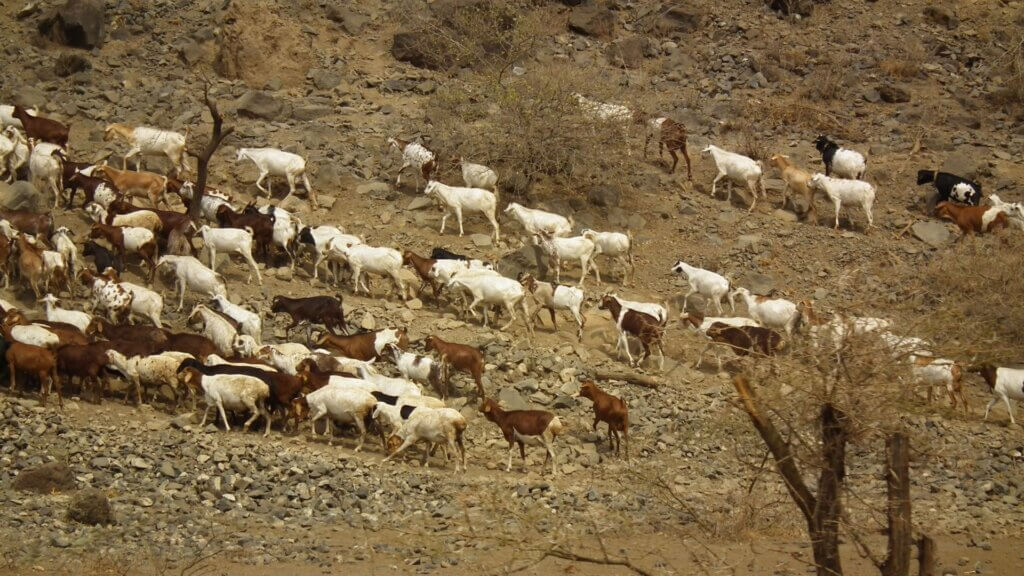
On his ninth day, Prosperi spotted small things moving distantly. Initially thinking they were dromedaries, he realized as he approached that they were goats. About two hundred meters away, he saw a young shepherd girl herding them. He’d reached a Berber settlement. After nine and a half days, he understood he was reborn—delivered from the desert’s belly like an emergence from pregnancy itself.
Rescue and Recovery
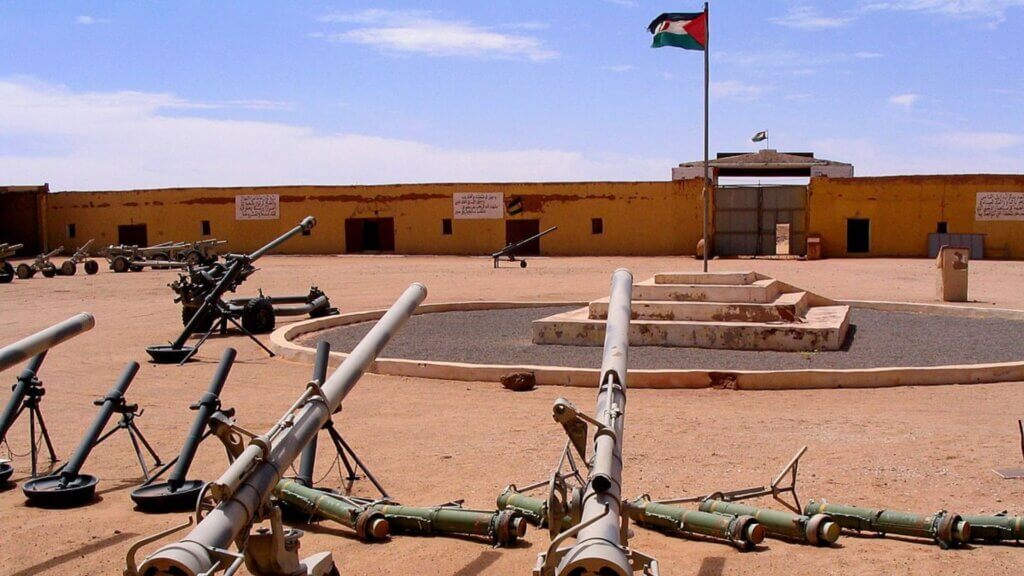
The Berber families gave Prosperi goat’s milk, which he immediately vomited up due to starvation. The girl had initially run away, frightened by his appearance—he was blackened with dirt and skeletal. Men from the settlement called military police, who took him blindfolded to their Tindouf base, initially suspecting he was a spy. He’d walked into Algeria, 291 kilometers off course, weighing just 43 kilograms.
The Long Road Back
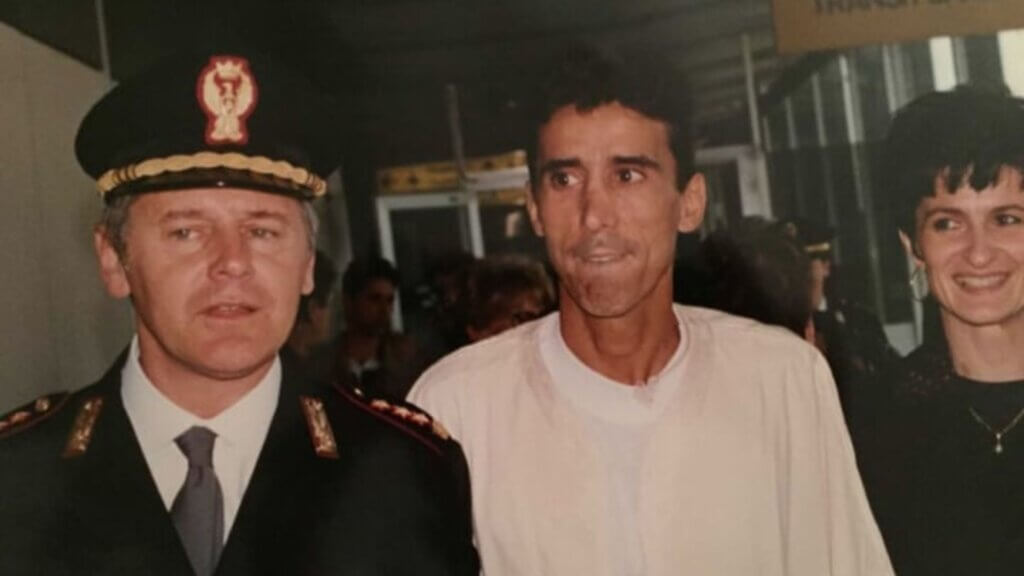
Prosperi spent a week in intensive care recovering. He’d lost 16 kilograms during his ordeal. His eyes suffered damage, his liver was compromised, but remarkably, his kidneys remained functional. He couldn’t eat solid food for months, consuming only liquids and soup. Physical recovery took nearly two years. Meanwhile, his story captivated global media as the man who survived the impossible.
The Desert’s Pull
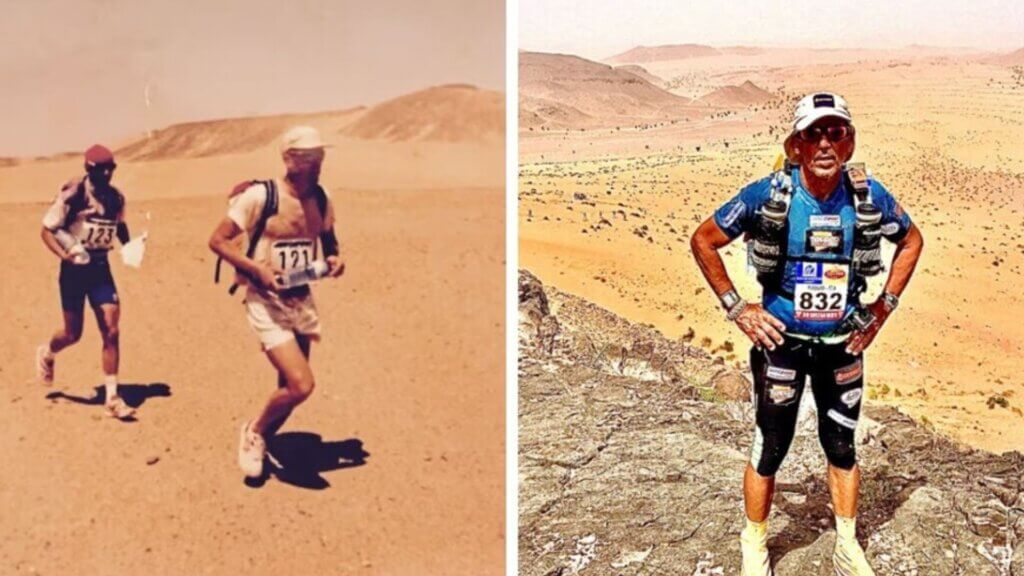
True to his word, Prosperi returned to complete the Marathon des Sables in 1997, three years after nearly dying. When asked why, he explained he always finishes his races. He ran the race nine more times after that, finishing his last in 2017. The desert had become part of him. People associate deserts with death, he says, but for him the opposite proved true. After surviving, everything felt amplified—his love of nature, sport, life itself.
Lessons from the Sand

Prosperi tells people that if they want to understand life, they should go to the desert. His ordeal taught him what matters: looking around, noticing what’s next to you, seeing beauty in harsh places. He’s a grandfather now, still setting challenges like kayaking Sicily’s coast. He waits for the right moment to tell his grandchildren how drinking urine and eating raw bats saved his life in the Sahara.