

Products are selected by our editors, we may earn commission from links on this page.
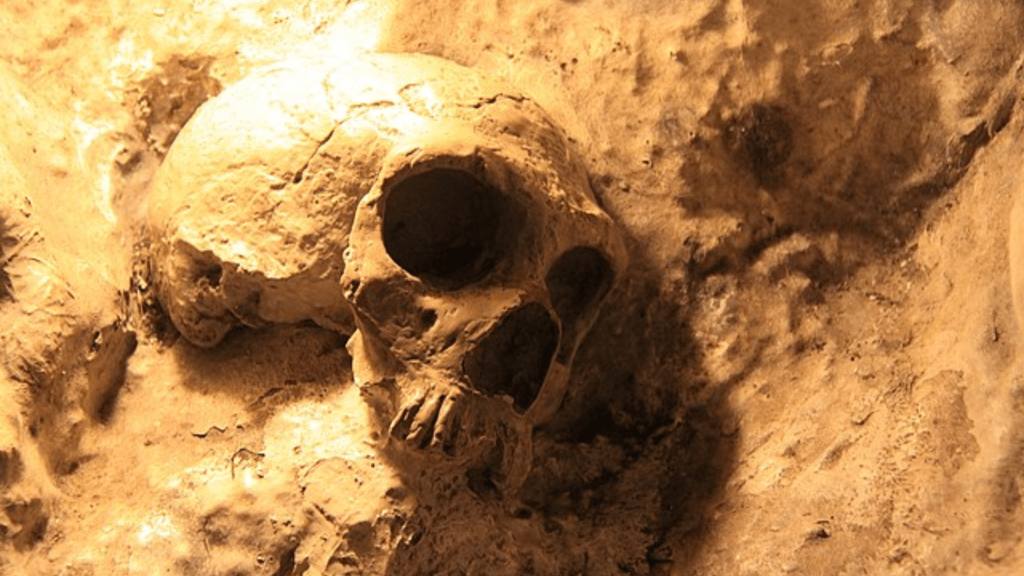
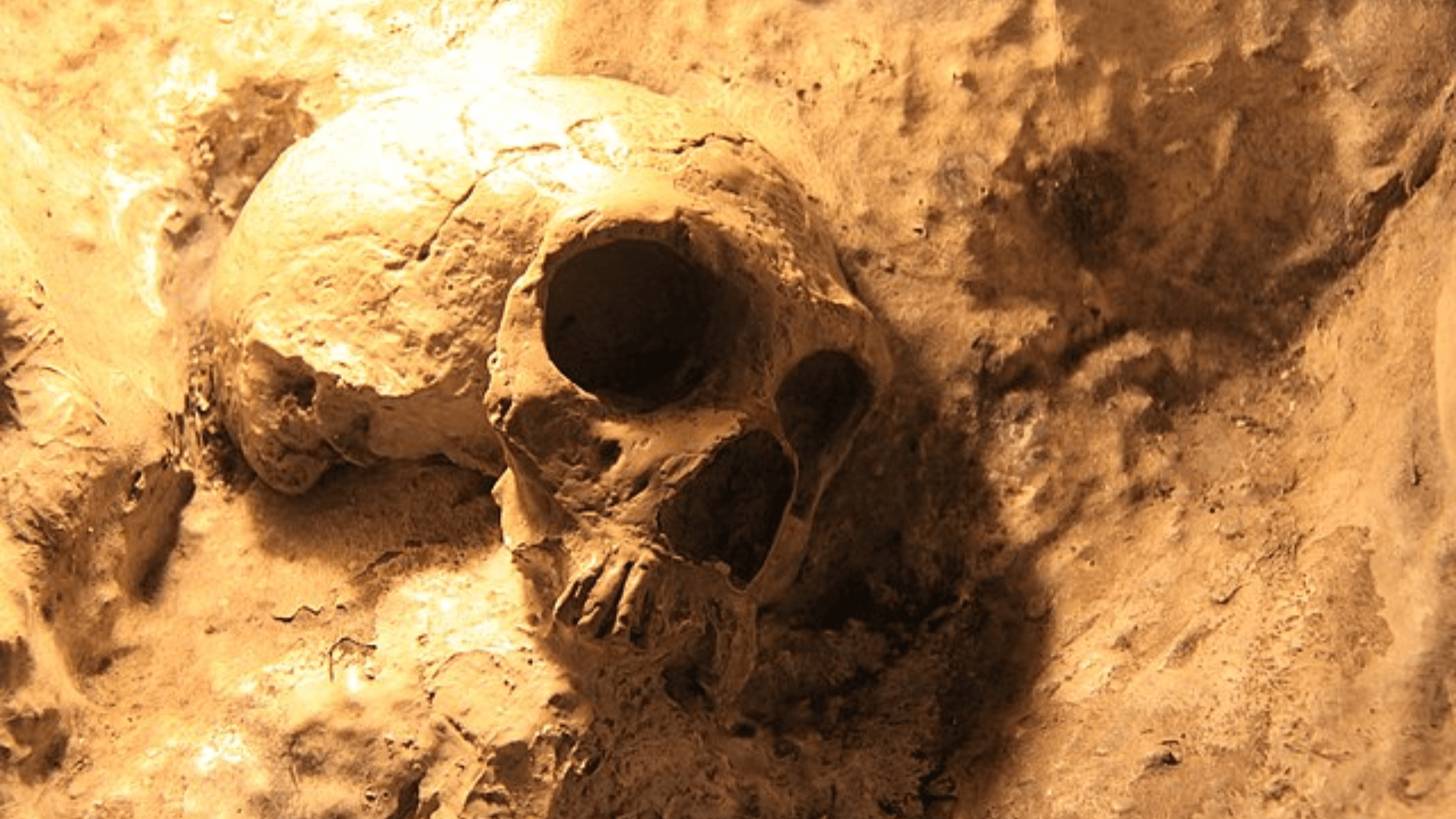
A remarkable fossil discovery inside a cave in Morocco is offering new clues about where and how our species began. Scientists studying ancient bones and teeth have uncovered evidence that could reshape our understanding of early human evolution. The findings suggest that key stages in the development of modern humans may have taken place earlier than previously believed. This breakthrough highlights how much of humanity’s story is still being uncovered beneath the surface.
Fossils Dating Back 773,000 Years
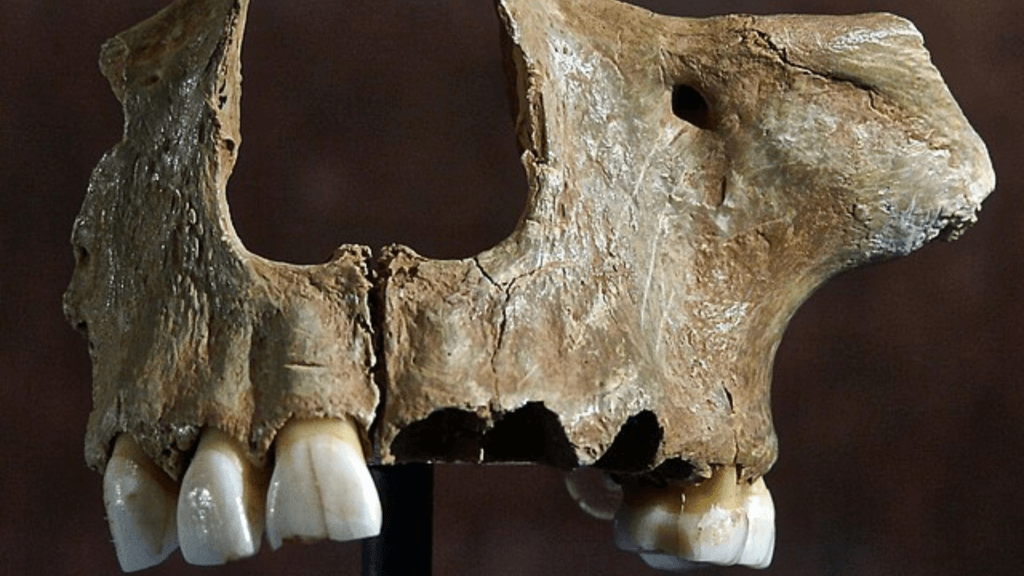
The fossils discovered in the cave have been dated to approximately 773,000 years ago, making them incredibly significant for understanding early human history. This precise dating was made possible by analyzing the surrounding rock layers linked to a known shift in Earth’s magnetic field. Such accuracy is rare for fossils of this age and gives scientists a clearer timeline. It places these ancient humans at a critical point in evolutionary history.
Found in a Moroccan Cave Site
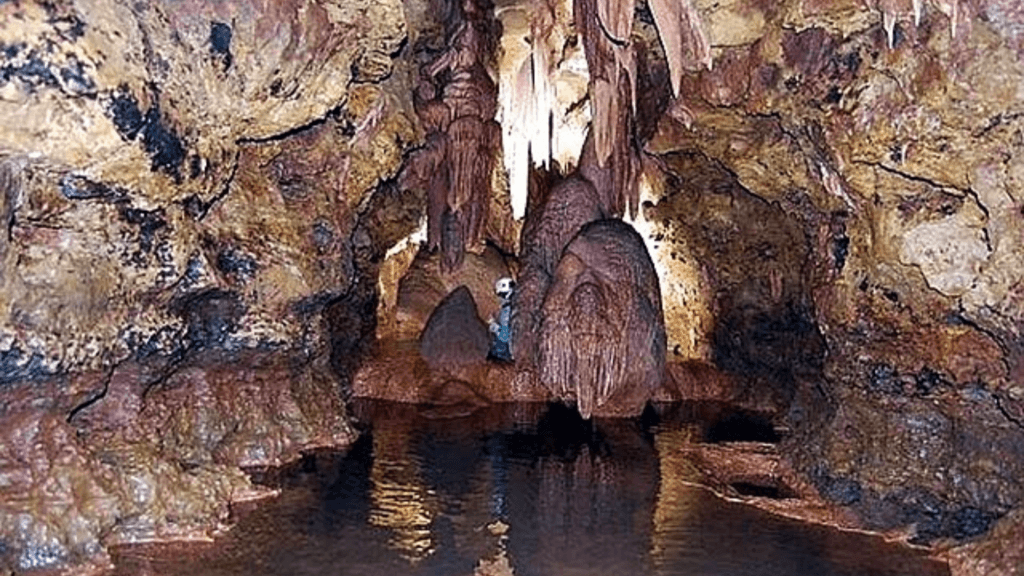
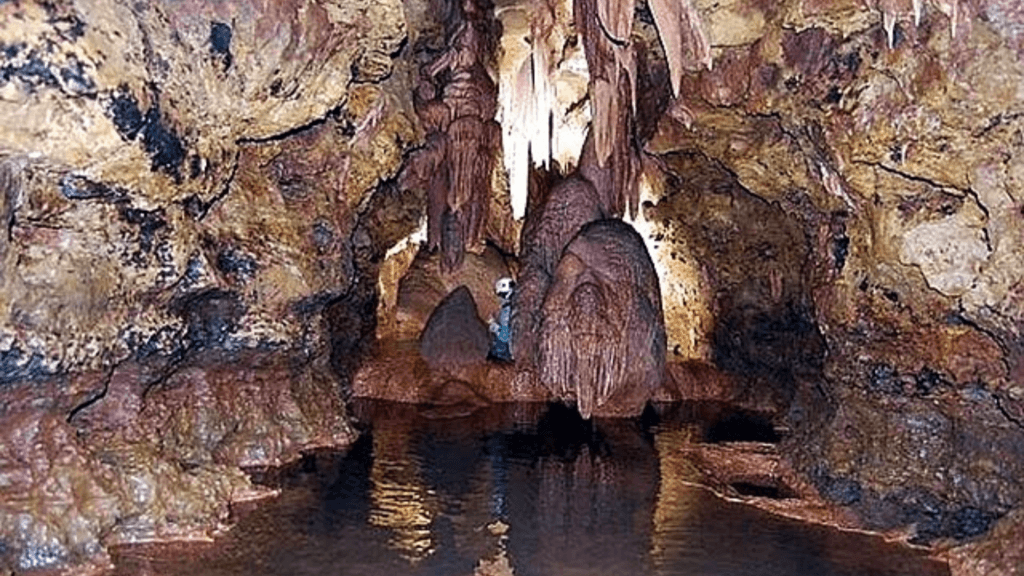
The fossils were uncovered at a site known as the Grotte à Hominidés cave in Casablanca, Morocco. Excavations at this location have been ongoing for decades, with researchers gradually uncovering bones, teeth, and other remains. The cave appears to have been used occasionally by early humans, though it may have also served as a den for large predators. This unique setting helped preserve the fossils for scientists to study today.
A Mix of Ancient and Modern Traits
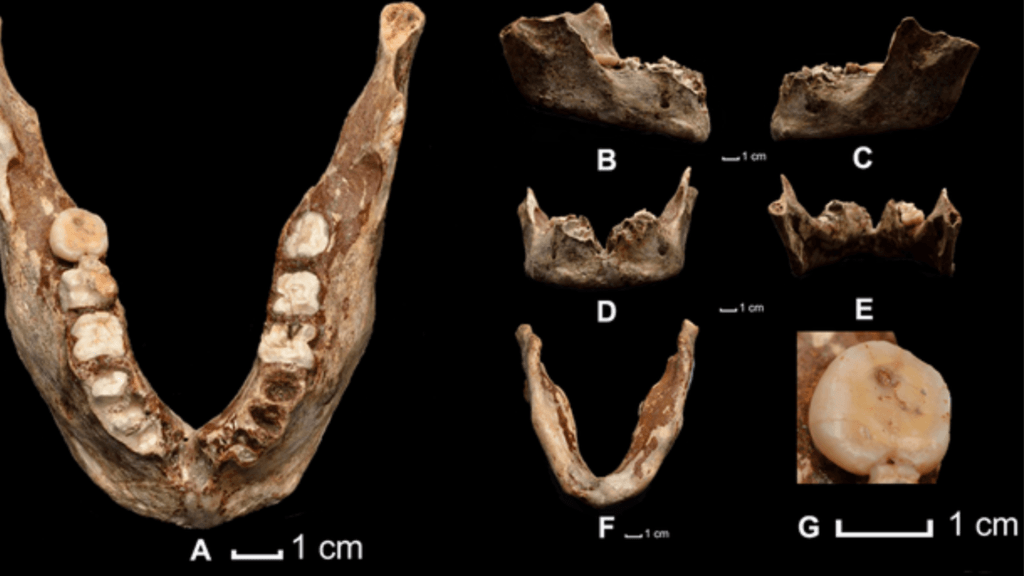
One of the most fascinating aspects of the fossils is their blend of features. The remains show characteristics of older human ancestors, such as Homo erectus, while also displaying traits closer to modern humans. This combination suggests these individuals lived during a transitional phase in evolution. It provides valuable insight into how different human species gradually developed over time.
Clues About a Common Ancestor
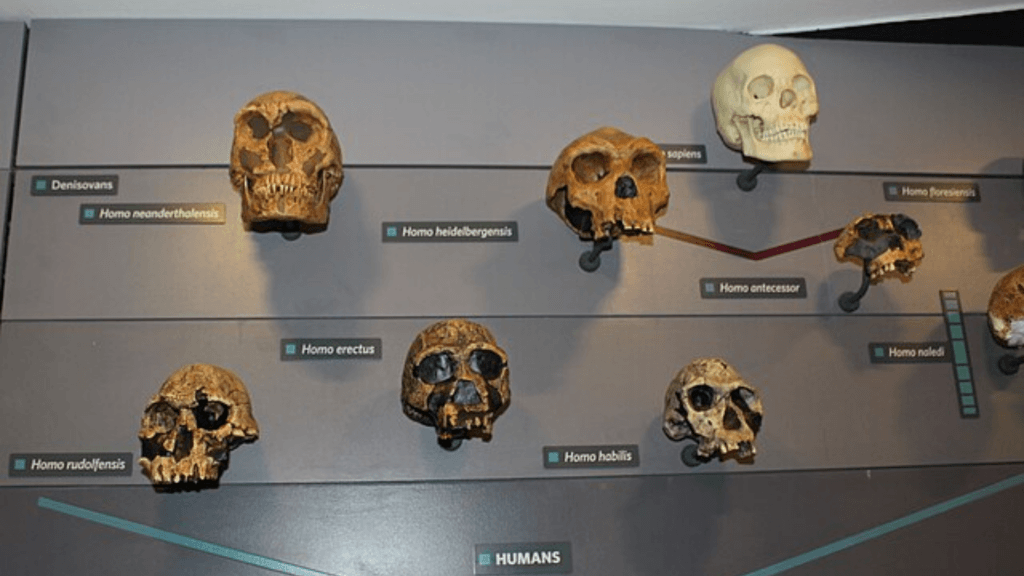
Researchers believe these fossils may be close to the last common ancestor shared by modern humans, Neanderthals, and Denisovans. This ancestor is thought to have lived between 550,000 and 750,000 years ago. The Moroccan fossils fall right within this time frame, making them especially important. They could help explain how different human lineages split and evolved into separate groups.
Filling a Major Gap in the Fossil Record
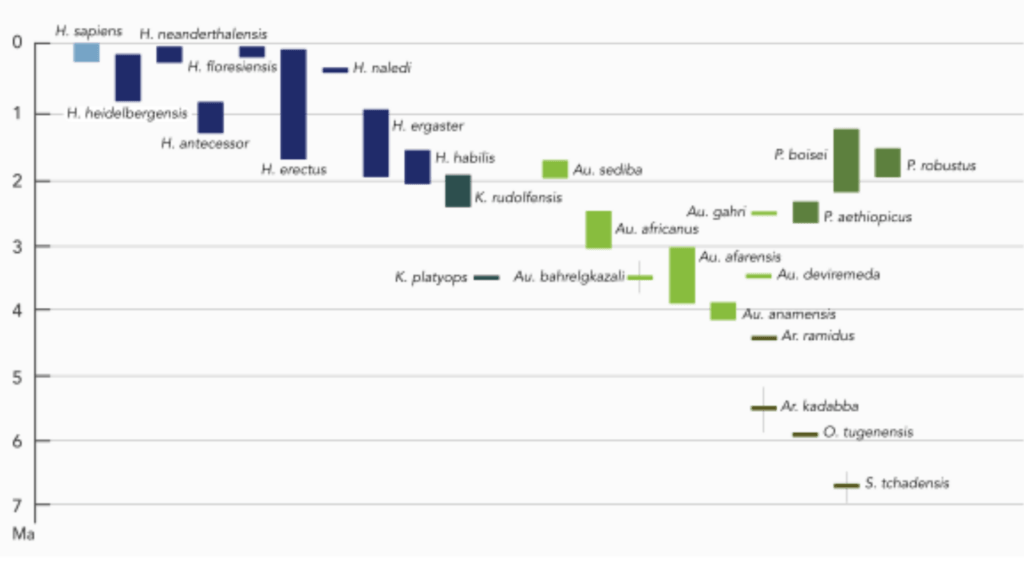
Before this discovery, there was a significant gap in the African fossil record from this period. Most similar fossils had been found in Europe, leading to debates about where our species truly originated. The new findings help fill that gap and provide stronger evidence for an African origin of modern humans. This makes the discovery a crucial piece of the evolutionary puzzle.
Evidence of Life and Survival in the Cave
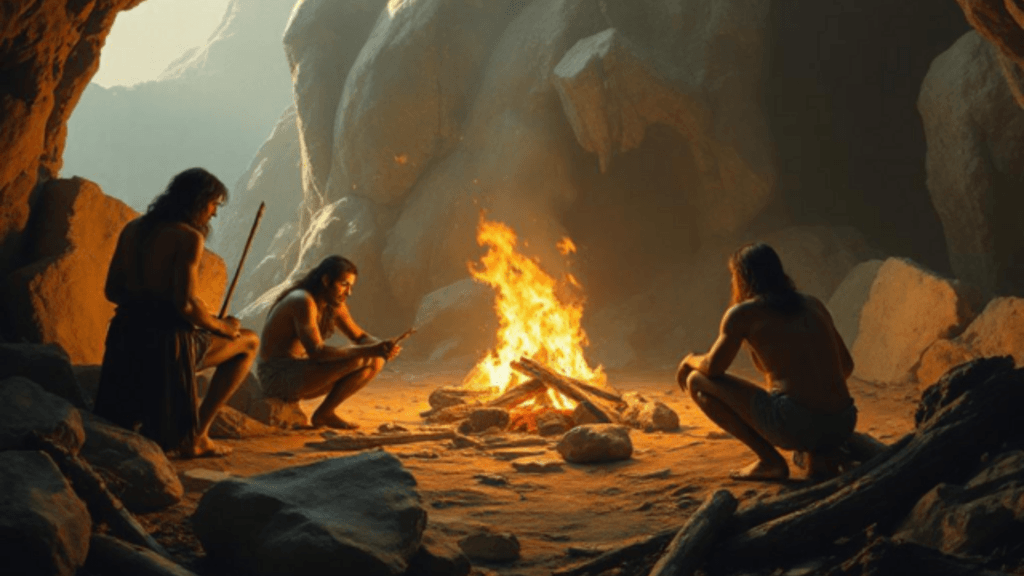
The fossils also tell a story about how these early humans lived and died. Some bones show signs of being gnawed by large carnivores, suggesting the cave was shared with predators. This indicates that early humans faced constant threats in their environment. It also paints a vivid picture of survival in a dangerous and unpredictable world.
Connections Between Africa and Europe
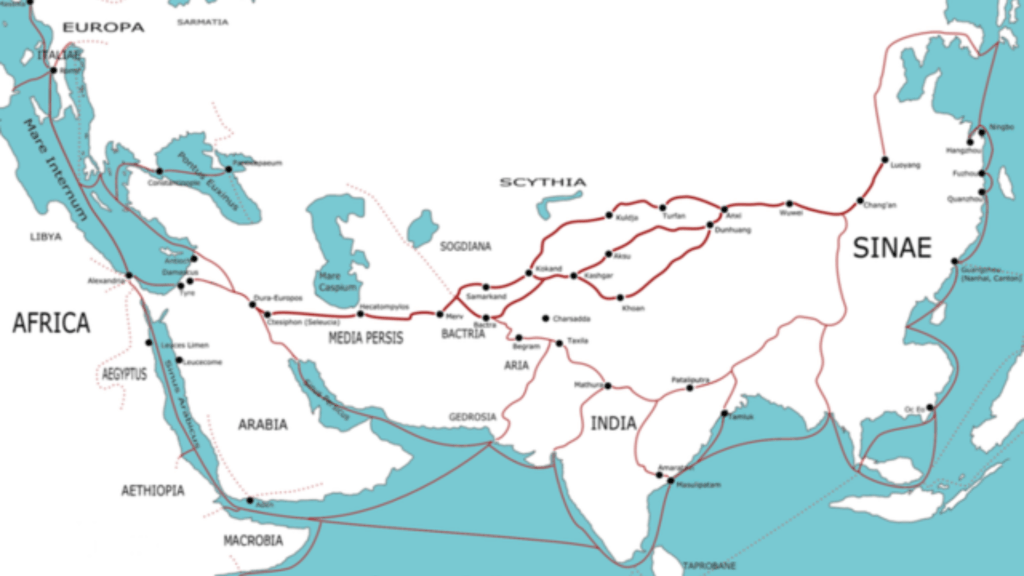
The discovery may also point to early interactions between populations in Africa and Europe. Similar fossils found in Spain suggest there could have been movement or contact between these regions. Lower sea levels in ancient times may have made travel across areas like the Strait of Gibraltar possible. This adds another layer to the story of early human migration.
Technology Helped Unlock the Timeline
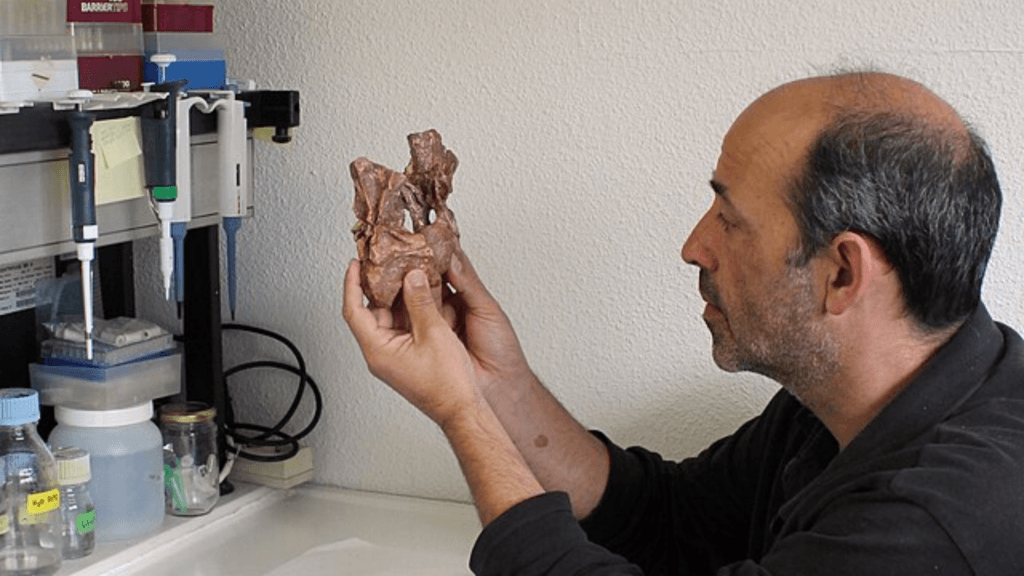
Advanced scientific techniques played a key role in understanding these fossils. By studying the magnetic signals preserved in the surrounding sediments, researchers were able to determine their age with remarkable precision. This approach provided a reliable timestamp tied to a known geological event. It shows how modern technology is transforming the study of ancient history.
A Breakthrough in Understanding Our Origins
This discovery represents a major step forward in uncovering humanity’s origins. It strengthens the idea that modern humans evolved in Africa and pushes back the timeline of key evolutionary events. While many questions remain, these fossils offer valuable new clues about our shared past. As research continues, they may help rewrite the story of how our species came to be.