

Products are selected by our editors, we may earn commission from links on this page.
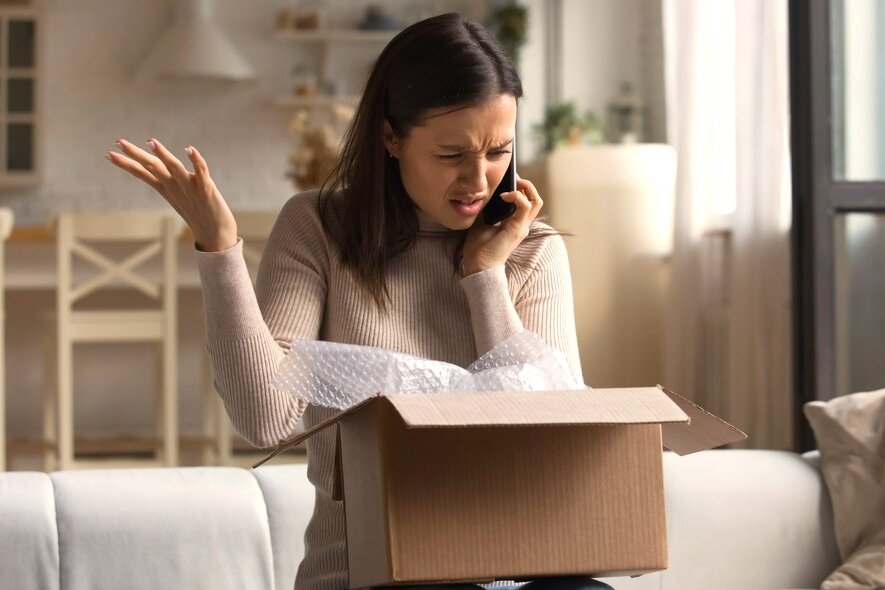
You order a pair of jeans online, try them on and realize they don’t fit. No big deal. You can always send them back, right? Increasingly, that assumption can cost you. The easy return policies shoppers grew accustomed to are changing, with retailers adding fees, shortening deadlines and taking a closer look at what comes back. Sometimes customers do not discover the new rules until they’re already holding something they don’t want.
More Retailers Are Charging To Send Things Back
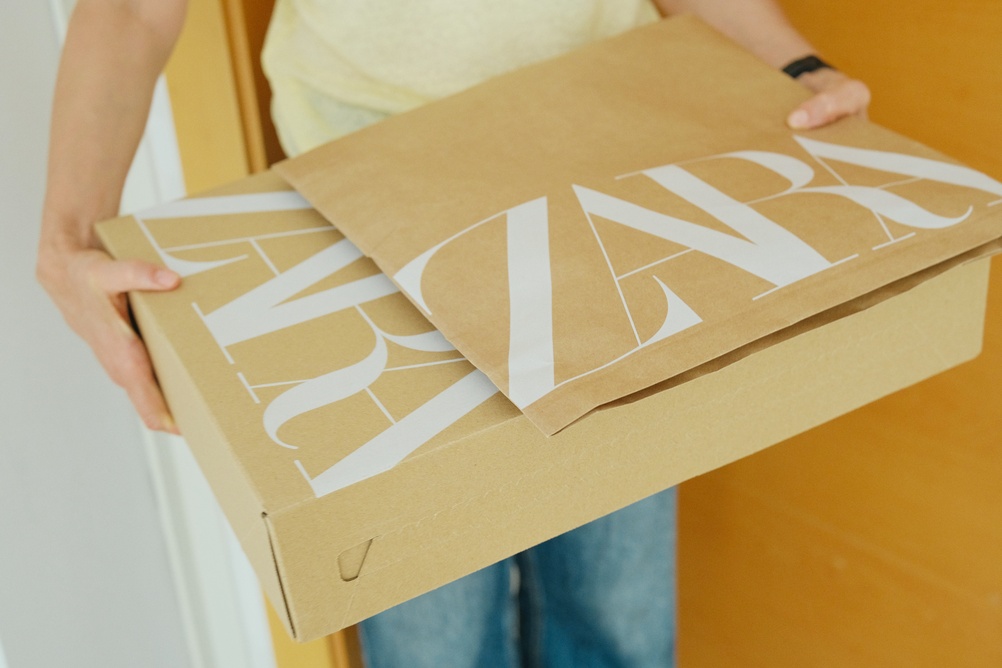
Return fees have gone from unusual to surprisingly common. Loop Returns says 68% of retailers now charge for returns at least some of the time, compared with 43% five years ago. Mail an unwanted purchase back to retailers including Zara, H&M, Uniqlo or T.J. Maxx, and you could pay anywhere from $4.95 to $11.99. Many still let customers return items to stores for free, but that isn’t much help if the closest location is miles away.
A Pair Of Jeans Became An $8 Lesson
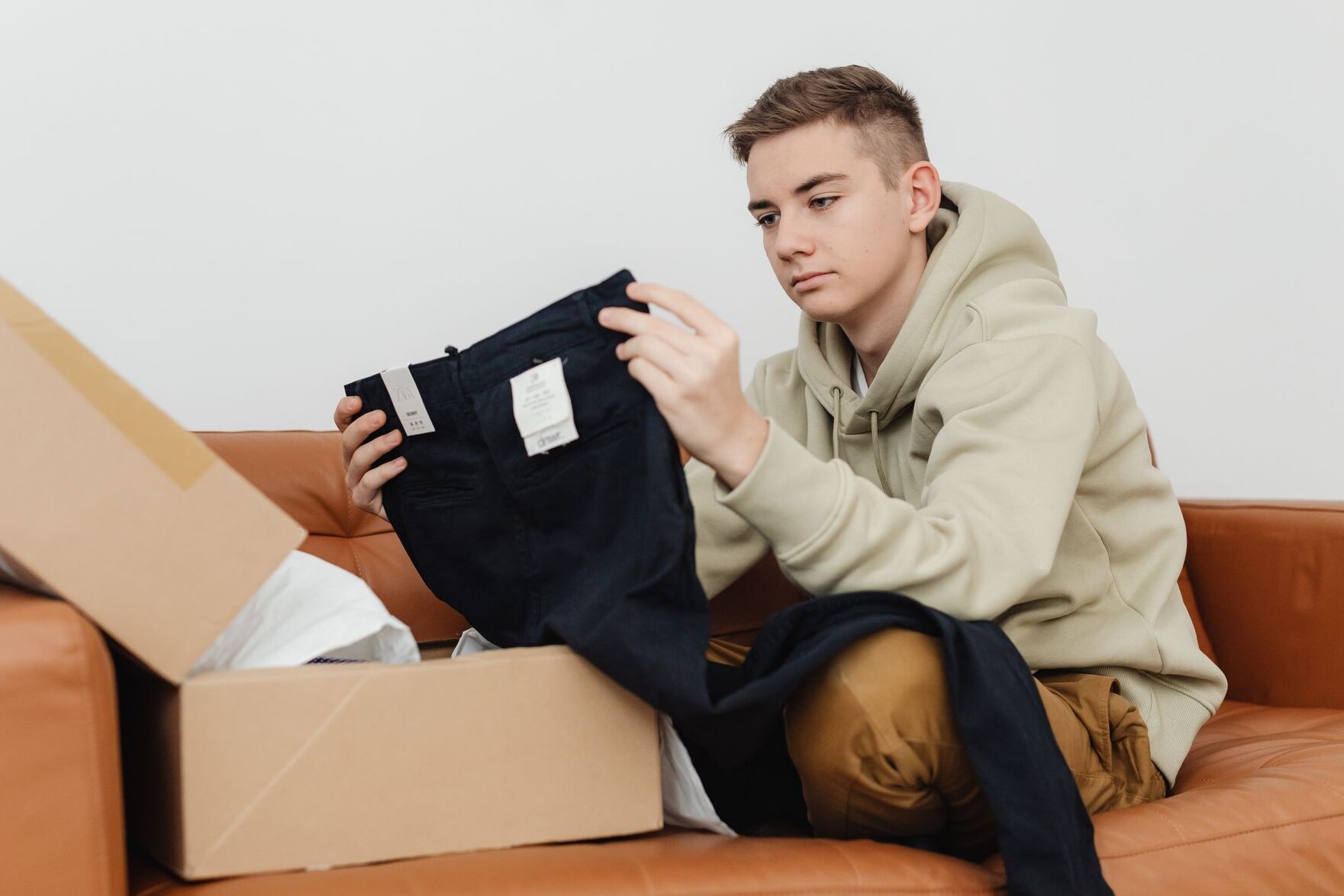
New Jersey shopper April Bradley learned that firsthand after buying Lane Bryant jeans online. They didn’t fit, and her nearby Lane Bryant had closed years earlier. Returning them by mail meant paying $7.95 for a shipping label, and a direct exchange wasn’t free either. Bradley complained to the company and received an $8 credit, but what bothered her was that the charge hadn’t been clearer at checkout. That kind of surprise is exactly what appears to be souring shoppers on stricter policies.
Don’t Leave That Return Sitting By The Door
The clock is ticking faster, too. Over two years, Loop says average return windows slipped from 39 to 37 days, while larger brands cut theirs from 43 to 38 days. Macy’s shows how dramatically expectations have changed. It once accepted returns for an entire year, then reduced the window to 180 days in 2017, 90 days in 2019 and 30 days in 2023. Talbots cut its own 60-day window in half this July.
There’s A Reason Retailers Want Fewer Returns
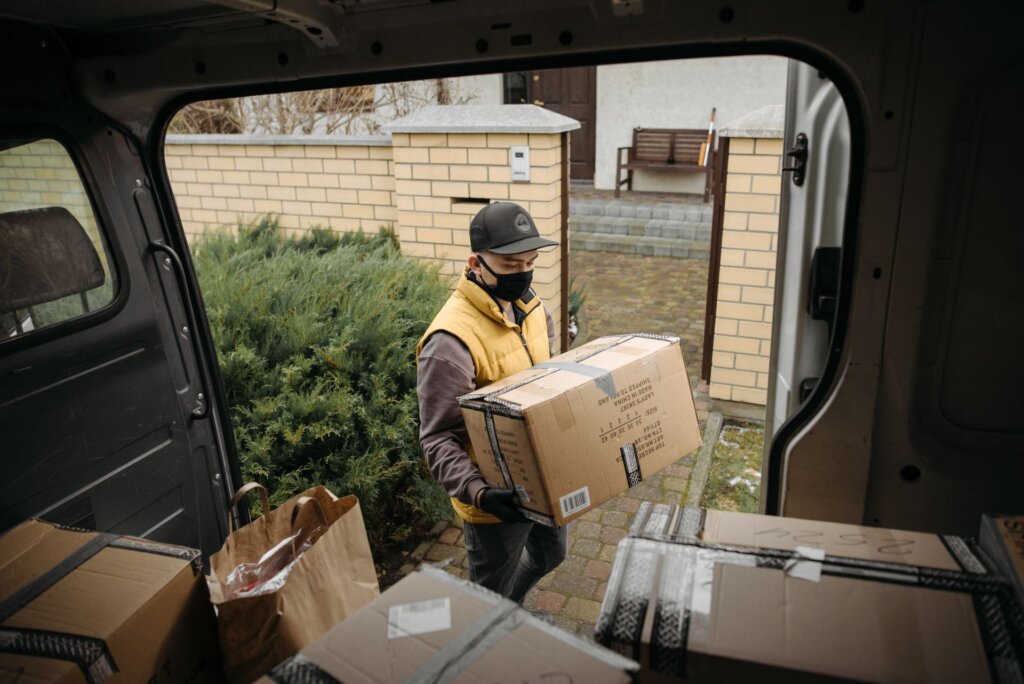
For shoppers, a return might involve taping up a box and printing a label. The retailer gets the complicated part. Merchandise has to travel back, be inspected and processed, and sometimes repackaged or resold at a discount. Optoro estimates that handling a return costs an average of 27% of the product’s purchase price. With those expenses piling up, retailers have a strong incentive to make customers think twice before mailing something back.
Shoppers Haven’t Exactly Made It Easy
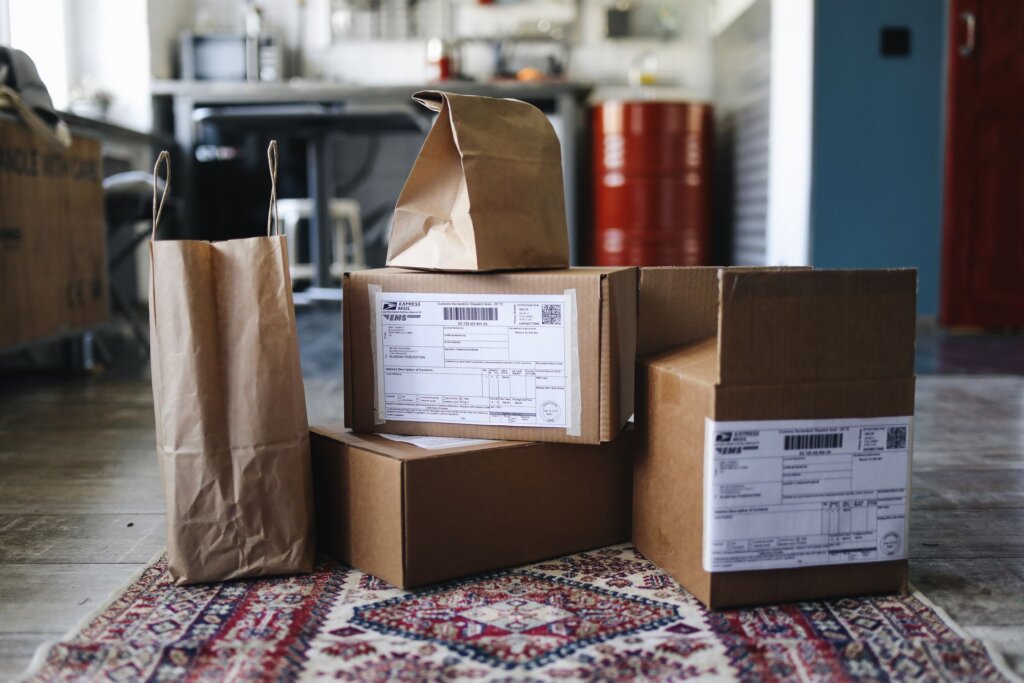
Retailers also have to deal with people who stretch generous policies. In a 2026 Loop survey, 30% of consumers admitted deliberately ordering several sizes or styles knowing some would go back. A third had returned something after briefly wearing it because it didn’t meet expectations, while 31% admitted swapping the original product for something else during a return. Those aren’t the habits of every shopper, but they help explain why retailers are becoming more suspicious of what comes through the returns door.
Amazon Is Trying To Stop Returns Before They Happen
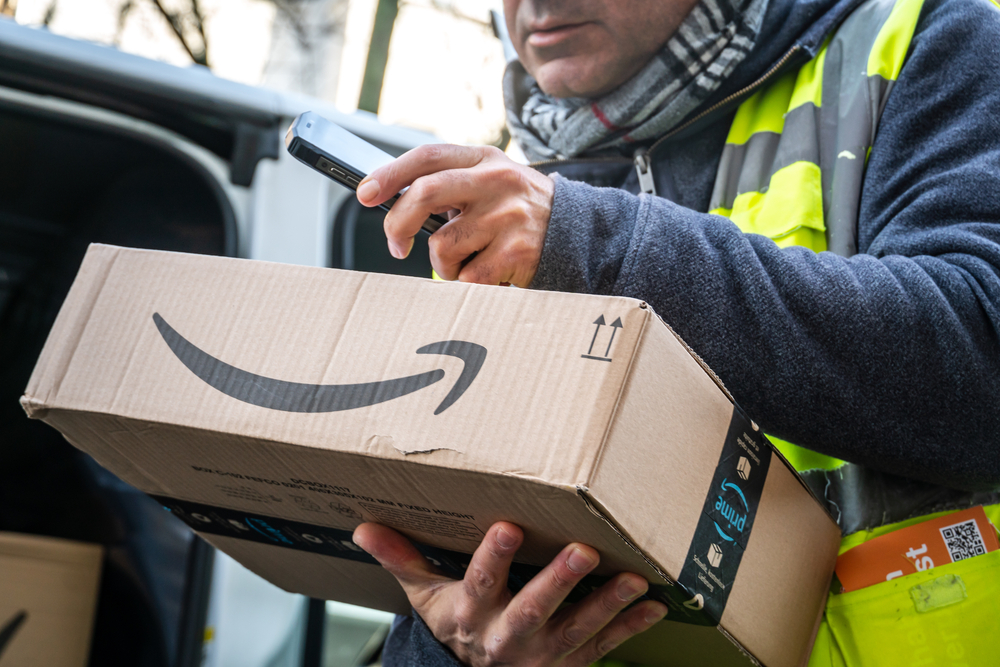
Amazon has taken a different approach by giving customers more clues before they order. Some listings are flagged as “frequently returned,” while others tell shoppers that customers usually keep the product. Amazon also asks why items are being sent back. The company says a tiny fraction of shoppers returning products at 10 times the typical rate receive messages with suggestions for choosing items they’re more likely to keep, although Amazon says those notices aren’t meant as punishment.
Frequent Returners May Get A Warning
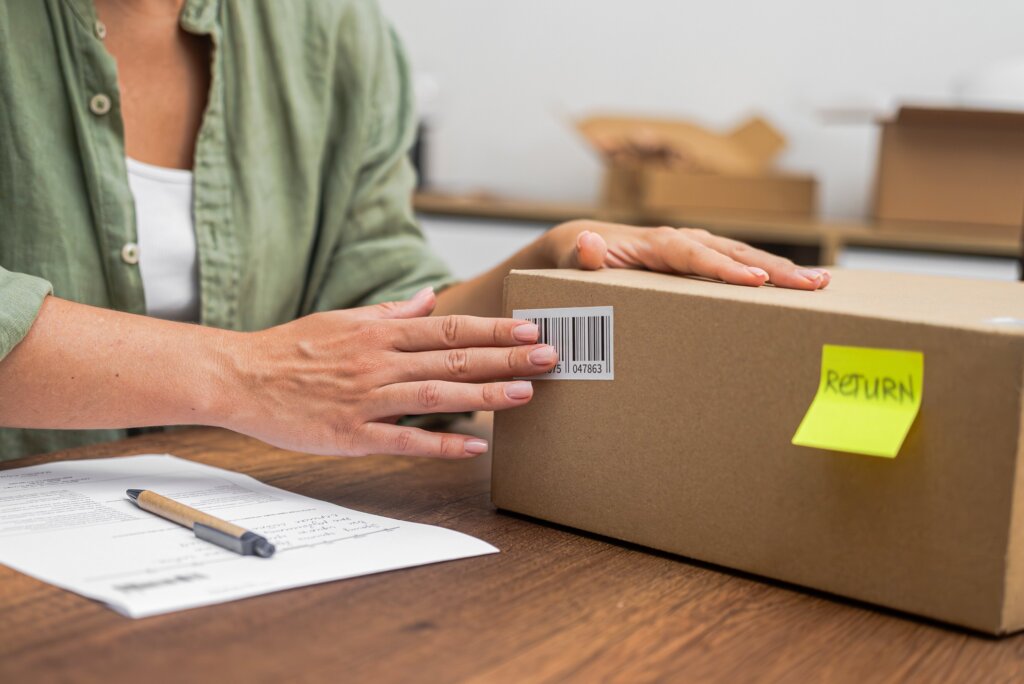
For some shoppers, return history can have consequences. The Retail Equation, a company retailers use to verify refund claims, says around 1% to 2% of customers it tracks receive warnings that future returns could be denied. Even ordinary refunds may require more patience as stores inspect merchandise before returning the money. Home Depot, for instance, says certain refunds can take as long as 17 business days to appear in a customer’s account.
Shoppers Are Changing What They Buy
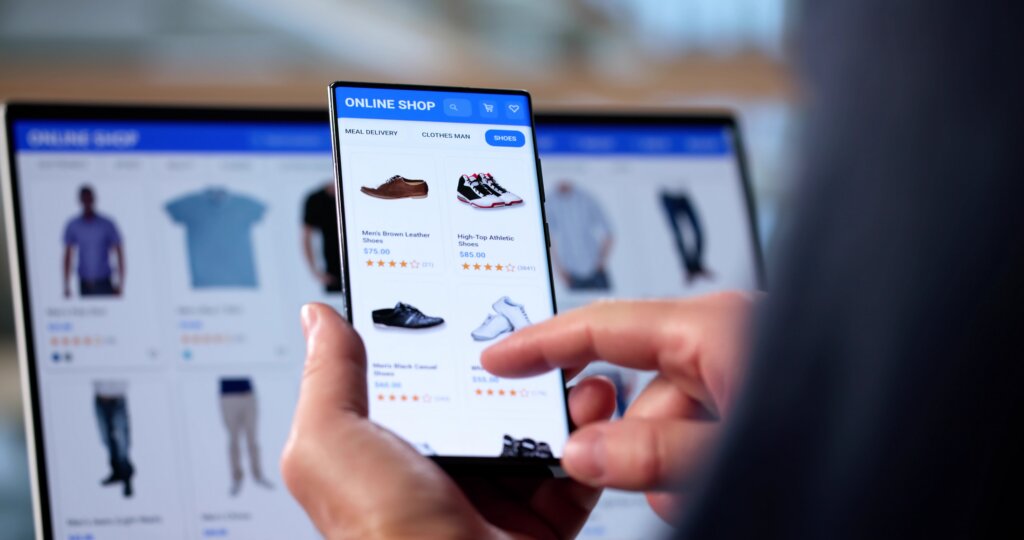
The crackdown could solve one problem for retailers while creating another. Loop surveyed 1,000 U.S. consumers and found that 63% had abandoned a purchase or stopped shopping with a retailer because of its return policy. Return fees affected the online shopping behavior of 92%, while 46% said the possibility of paying one made them more careful about purchases. Suddenly, ordering two colors to see which looks better at home doesn’t feel quite as harmless.
The Return Policy Is Becoming Part Of The Price Tag
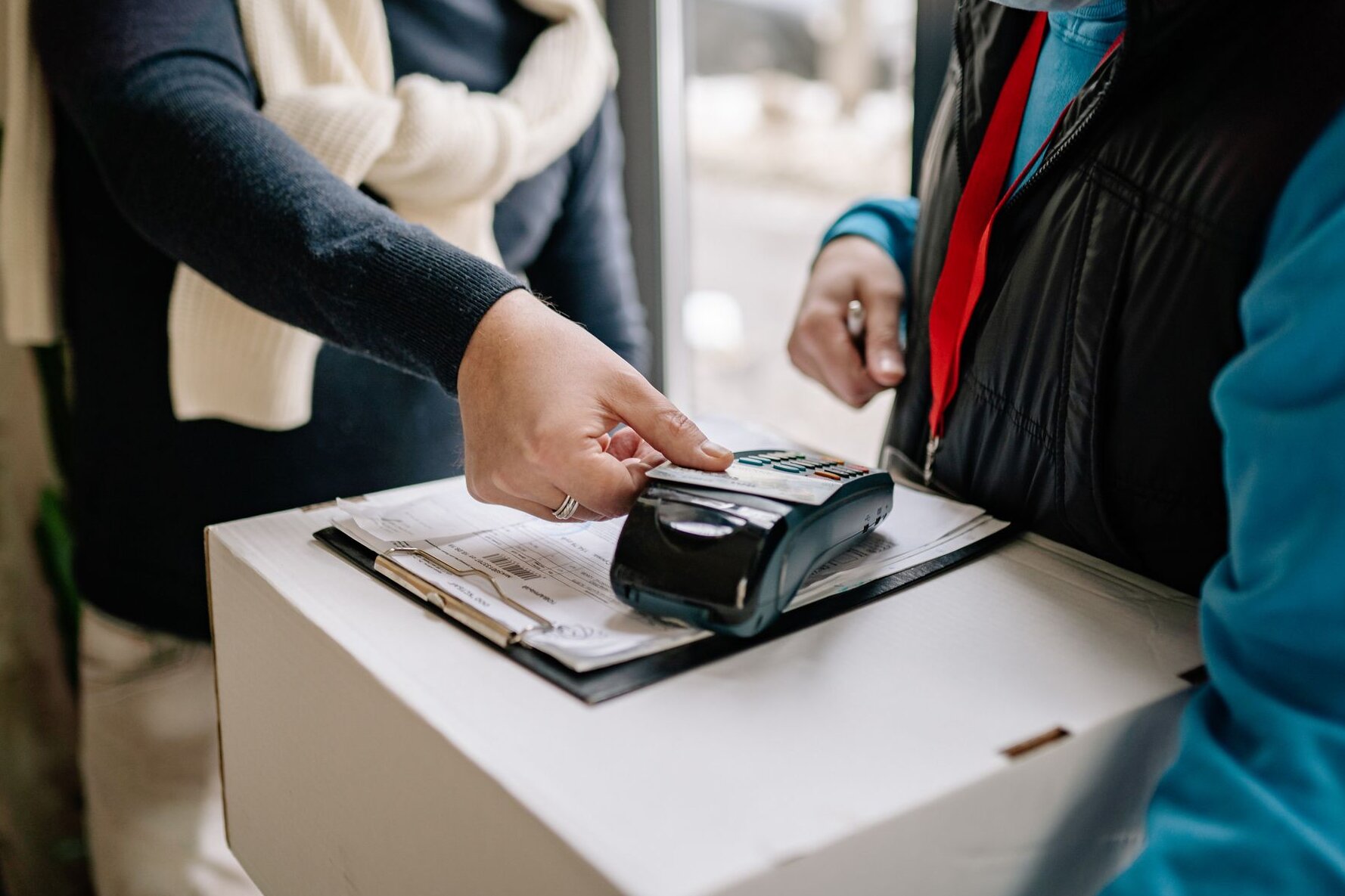
Shoppers may have to get used to checking two things before buying online: what something costs and what it will cost to send back. Already, 58% of consumers surveyed by Loop say they always or often check return policies before purchasing, while 87% would consider an exchange under the right circumstances. That could shape what comes next, with retailers making exchanges and store drop-offs easier while charging for mailed refunds. The days of ordering now and figuring everything out later aren’t necessarily gone, but they’re becoming a more expensive habit.