

Products are selected by our editors, we may earn commission from links on this page.
A newly launched gas station network is drawing national attention by offering regular gasoline for $3.47 a gallon, well below the national average at the time of its debut. Branded as the Freedom Fuel Network and promoted by President Donald Trump and the White House, the chain quickly attracted long lines from drivers hoping to save money. At the same time, its sudden appearance has sparked widespread questions about who is behind the company and how it can afford to sell fuel so cheaply.
What Is Freedom Fuel?
Freedom Fuel is a privately owned network of 25 gas stations operating across Pennsylvania and New Jersey. President Trump first announced the initiative in a July 1 Truth Social post, describing it as a way to help drivers ahead of America’s 250th anniversary, and the White House later promoted the stations as they opened. Administration officials have said the federal government has no ownership stake, provides no funding, and is not subsidizing the discounted fuel. Trademark records show Freedom Fuel Network LLC filed for its branding on July 1 after registering as a Delaware company in late June.
Why Is Gas Selling For $3.47?
The $3.47 price immediately stood out because AAA listed the national average for regular gasoline at roughly $3.79 to $3.80 per gallon when the stations launched. White House officials said the lower prices are possible because the retailer is accepting smaller profit margins rather than receiving outside financial support. Some Freedom Fuel employees have also described the company as selling fuel below its normal cost, although neither the company nor administration officials have publicly explained the full pricing model.
The Price Didn’t Stay The Same Everywhere

Drivers who rushed to early Freedom Fuel locations found that the $3.47 price did not always last. At one New Jersey station, the posted price increased to $3.57 shortly after opening, with employees describing the original price as a promotional offer. Even after the increase, however, fuel remained noticeably less expensive than nearby competitors, where regular gasoline was selling for closer to $3.83 to $3.99 per gallon.
Industry Experts Are Asking The Same Question
While motorists welcomed cheaper fuel, petroleum analysts say maintaining those prices over an extended period could prove difficult. Patrick De Haan, head of petroleum analysis at GasBuddy, said stations selling gasoline well below surrounding market prices are likely sacrificing profits, noting that someone ultimately has to absorb those losses. Analysts point out that gas stations traditionally operate on thin margins, making long-term discounts of this size unusual unless another revenue source offsets the cost.
Questions About Ownership Remain
One reason the story has generated so much attention is that relatively little has been disclosed about the company itself. Freedom Fuel Network LLC has registered trademarks and business filings, but company representatives have declined to provide additional information beyond those public records. Several of the locations previously operated under other fuel brands before receiving Freedom Fuel signage, adding to public curiosity about how the network was assembled and financed.
Where Can Drivers Find Freedom Fuel?
At launch, the network consisted of 25 stations located across southeastern Pennsylvania and southern New Jersey. Most are concentrated in and around the Philadelphia metropolitan area, with locations in cities including Philadelphia, Brookhaven, Lansdowne, Bensalem, Marlton, Egg Harbor Township, and West Berlin. Administration officials have not announced whether additional locations will open or how long the current pricing strategy will continue.
Why The Timing Matters
Freedom Fuel arrived after fuel prices climbed following disruptions to global oil markets linked to the conflict involving Iran. As crude oil prices later eased, President Trump publicly urged gasoline retailers to reduce prices more quickly and argued that drivers should see those savings reflected at the pump. The Freedom Fuel rollout has been presented by the White House as an example of retailers voluntarily lowering prices, even as administration officials emphasize that the government is not operating or funding the business.
Drivers Are Happy, Even If Questions Remain
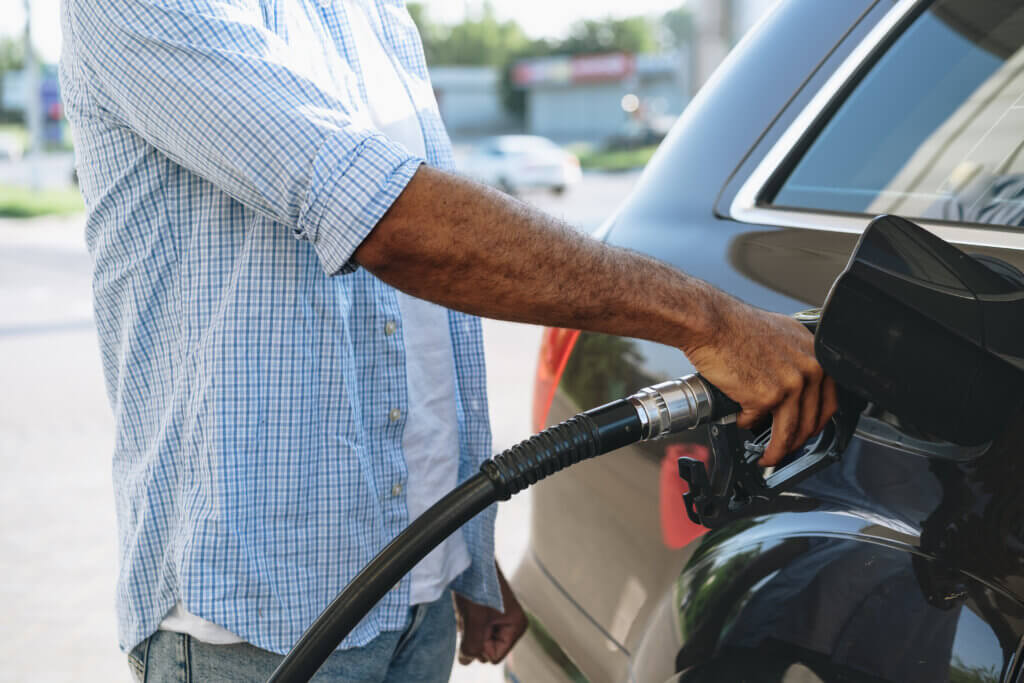
For many motorists, the appeal is simple. Saving 30 to 50 cents per gallon can significantly reduce the cost of commuting or filling larger vehicles, and customers interviewed at Freedom Fuel stations expressed enthusiasm about the discounts. At the same time, economists and industry observers continue to watch closely, saying the long-term sustainability of the pricing strategy will depend on whether the company can continue absorbing reduced margins without changing its business model.
What Comes Next For Freedom Fuel?
The early success of Freedom Fuel has shown how quickly lower gas prices can attract customers, but the larger story remains unfinished. Questions surrounding the company’s ownership, funding model, and long-term plans have yet to receive detailed public answers. Whether the network expands beyond its initial 25 locations or remains a limited regional experiment will likely determine whether Freedom Fuel becomes a lasting presence in the fuel market or simply a short-lived promotion.