


Products are selected by our editors, we may earn commission from links on this page.

For some Gen Z adults and younger millennials, the dream of buying a home has become so difficult that saving for a down payment can feel almost pointless. Instead, some are choosing to spend money on travel, designer goods, concerts, and other experiences they can enjoy now, a behavior sometimes described as “doom spending.”
Rising Home Prices Are Changing the Savings Equation
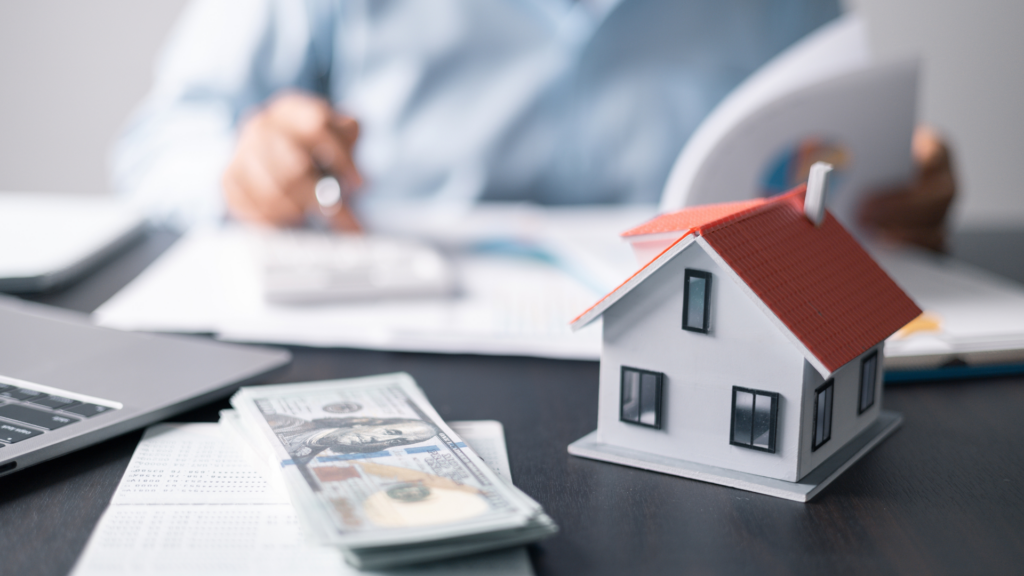
The frustration is not simply about poor saving habits. Many young adults say home prices have risen faster than they can realistically save, making the gap between their current finances and the cost of buying a property seem increasingly difficult to close. For some, continuing to save for years without knowing whether they will ever reach the goal has made spending on something enjoyable today more appealing.
Why Some Young Adults Are Choosing Experiences Instead

Travel, concerts, and other experiences can provide an immediate reward that saving for a distant home purchase cannot. The trend has been especially visible among Gen Z and younger millennials, with some consumers essentially deciding that if homeownership is unattainable for now, they would rather spend on things that make life enjoyable.
Designer Goods Can Feel Like a Form of Adulthood
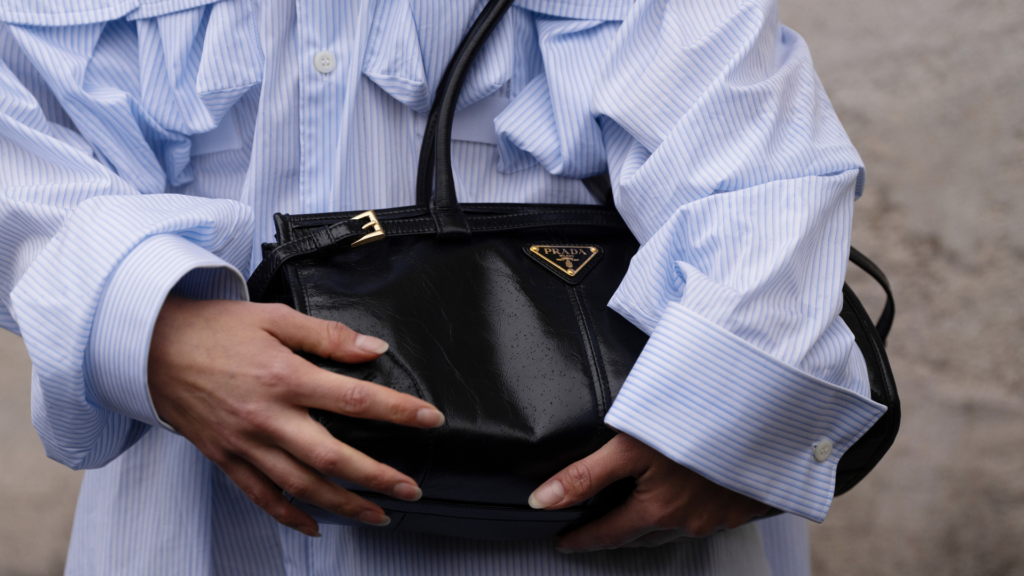
Luxury purchases can also carry emotional meaning beyond their price tags. Some young consumers view a designer item, an expensive trip, or another major purchase as something tangible they can enjoy while traditional milestones such as buying a house or starting a family remain out of reach.
The Housing Market Has Created a Sense of Defeat

For people who have already spent years trying to save, continually watching home prices move beyond their reach can create a sense of defeat. Some of the young adults quoted in the original report said they felt the housing market was advancing faster than their savings, leaving them questioning whether homeownership was still a realistic goal.
Doom Spending Is Not Limited to Gen Z
Gen Z may receive much of the attention, but younger people are not the only ones engaging in this behavior. Credit Karma research cited by Fortune found that more than one-quarter of Americans reported doom spending to cope with worries about the economy and global affairs, with inflation, rising living costs and unaffordable housing among the concerns driving financial stress.
Social Media Can Make Spending More Tempting

Social media can add another layer to the problem by constantly putting products, travel destinations and lifestyle experiences in front of consumers. When people are already frustrated about their finances, an appealing purchase can provide a short-term sense of control or satisfaction, even though it may make longer-term financial goals harder to reach.
The Trade-Off Can Become a Long-Term Problem
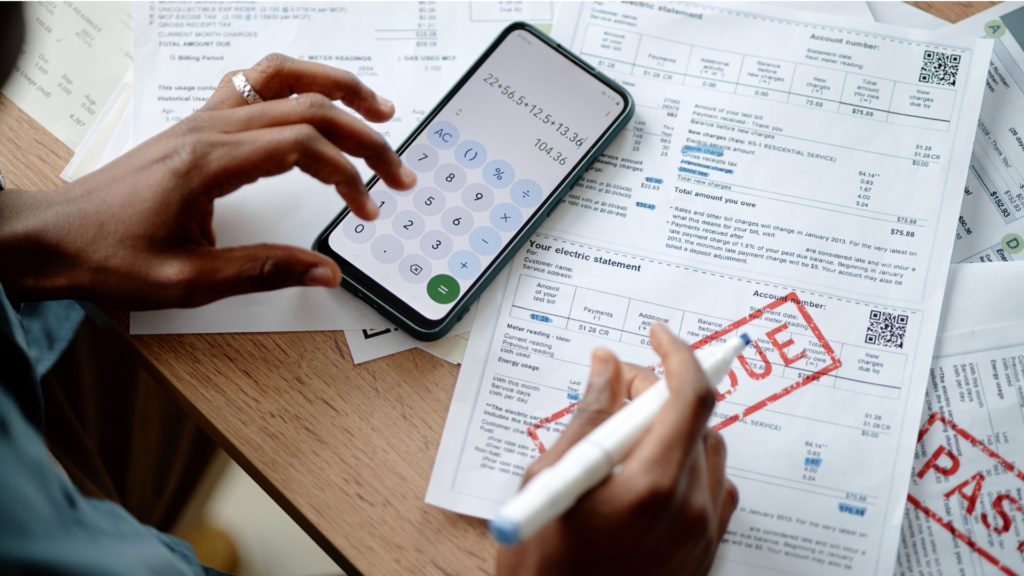
The biggest concern is that spending for immediate gratification can make an already difficult financial situation even harder. Money that could have gone toward an emergency fund, debt reduction or a future down payment instead gets used on discretionary purchases, potentially pushing homeownership even farther away.
What Can Help Break the Cycle?

Financial advocates recommend starting with a clear picture of monthly income, expenses and outstanding debt before deciding how much money can safely be spent. The approach does not require giving up every enjoyable purchase, but creating a deliberate spending plan can help consumers distinguish between purchases they truly value and impulse spending driven by financial anxiety.
The Spending Is a Symptom of a Bigger Housing Problem

Gen Z’s luxury spending is easy to criticize, but the trend also reflects a deeper frustration with an increasingly difficult path to traditional financial milestones. When saving for a home appears unattainable, some young adults are choosing experiences and purchases they can enjoy today rather than sacrificing for a goal that feels years away. The challenge for this generation is finding a balance between enjoying the present and preserving enough financial flexibility to take advantage of homeownership or other opportunities if conditions eventually improve.