


Products are selected by our editors, we may earn commission from links on this page.

Tallahassee residents are watching a situation unfold that few would expect inside a hospital room. Months after a formal discharge, one woman has remained in place, which has now pushed the hospital to take legal action. What began as a standard discharge has turned into an ongoing standoff.
Lawsuit Filed To Remove Former Patient

Legal action has now entered the picture as Tallahassee Memorial Hospital seeks a court order to remove the former patient. The filing follows months of continued occupancy after discharge, which has kept the case from resolving through standard hospital procedures.
Discharge Date And Continued Stay
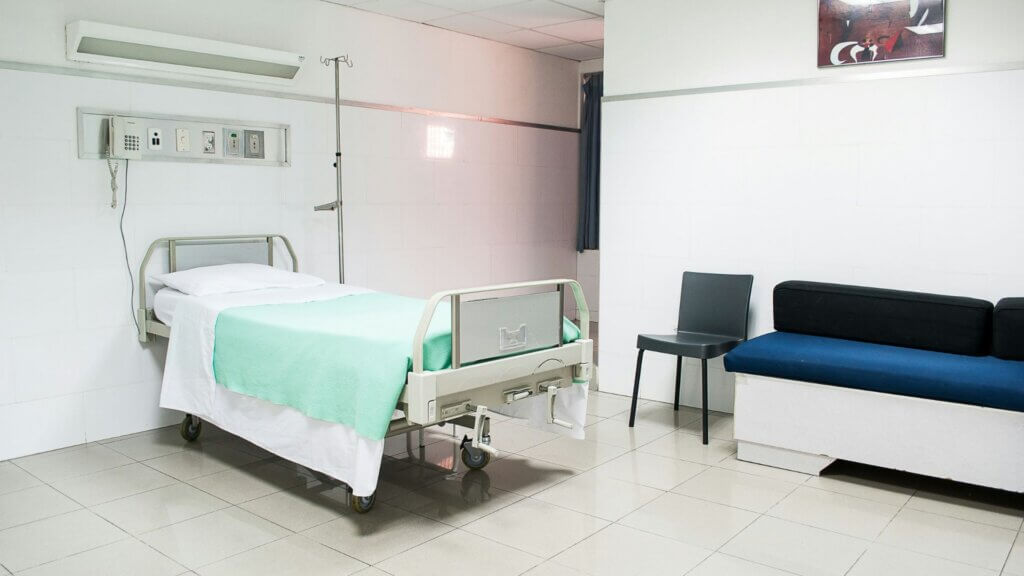
Her discharge took place on Oct. 6, 2025, and the expectation pointed toward a timely exit from the hospital room. But months later, that timeline no longer holds, as court filings state she “continues to occupy [an] inpatient room” well beyond her release date.
Hospital Efforts To Complete Discharge

Staff did not move straight to legal action, and they first worked through multiple discharge efforts with the patient. According to the complaint, they “made repeated efforts to assist the defendant in safely completing discharge,” continuing those attempts over time as she remained in the room.
Assistance Offered To The Patient

Support efforts extended beyond standard discharge steps, as staff worked to connect her with practical options outside the hospital. The complaint notes they offered coordination with family members and arranged non-emergency transportation so she could obtain the identification needed for her release.
Written Warning Before Legal Action

Communication with the patient moved into formal notice as staff outlined the next step in writing. She was informed that refusal to leave would lead to legal action, setting a clear boundary before the hospital proceeded with filing the lawsuit.
Limited Bed Availability Concerns
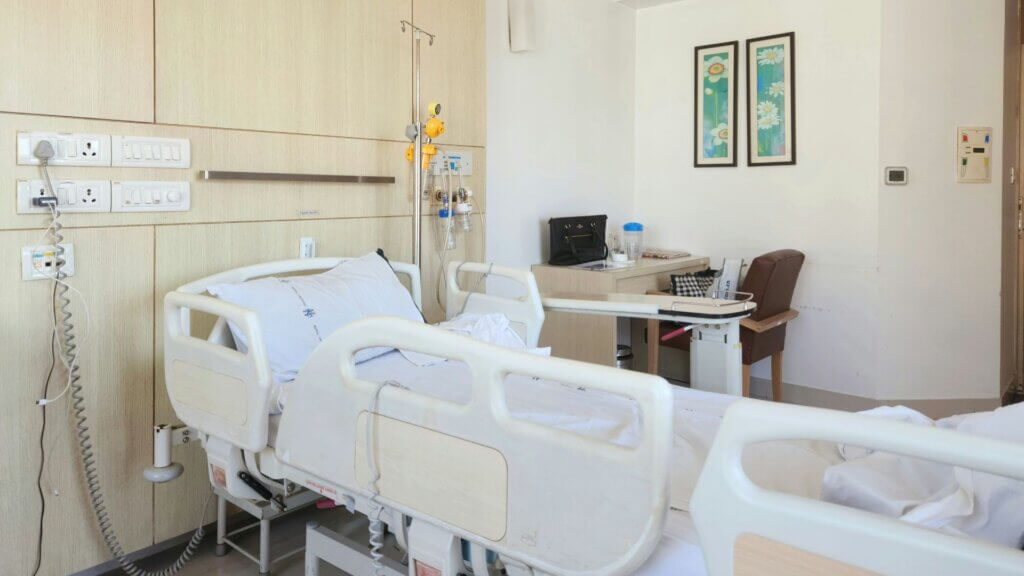
Attention has turned to hospital capacity as the situation continues inside an occupied room. According to the lawsuit, “TMH has limited inpatient beds,” and the ongoing stay “prevents use of the bed for patients needing acute care,” narrowing access for incoming patients.
Impact On Staff And Hospital Resources

Pressure has extended beyond space concerns and into daily hospital operations as staff continue managing the situation. The complaint states her “continued presence” is taking up staff time, adding ongoing demands while the room remains occupied.
Hospital Response To Ongoing Case

Public response from the hospital has remained limited as the case continues through legal channels. A representative stated, “TMH is not able to discuss active legal matters, including background details,” keeping further information restricted while proceedings move forward.
Legal Action Moves Toward Court Decision
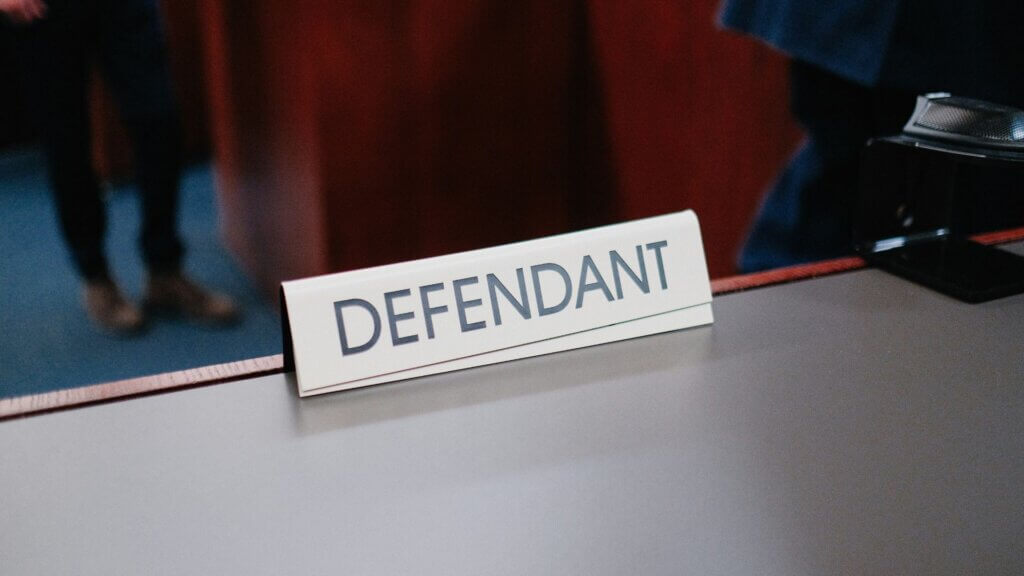
The situation now sits in the hands of the court, so the next step depends on how that order unfolds. That’s why attention has moved away from internal handling and into legal resolution, and the outcome will decide how long the standoff continues.