

Products are selected by our editors, we may earn commission from links on this page.
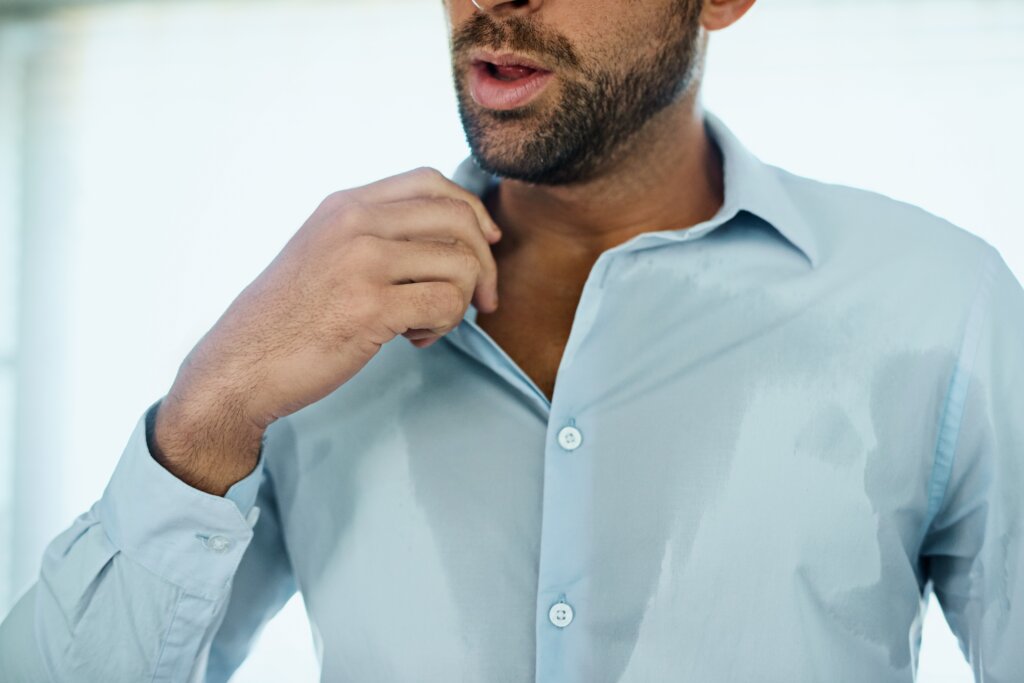
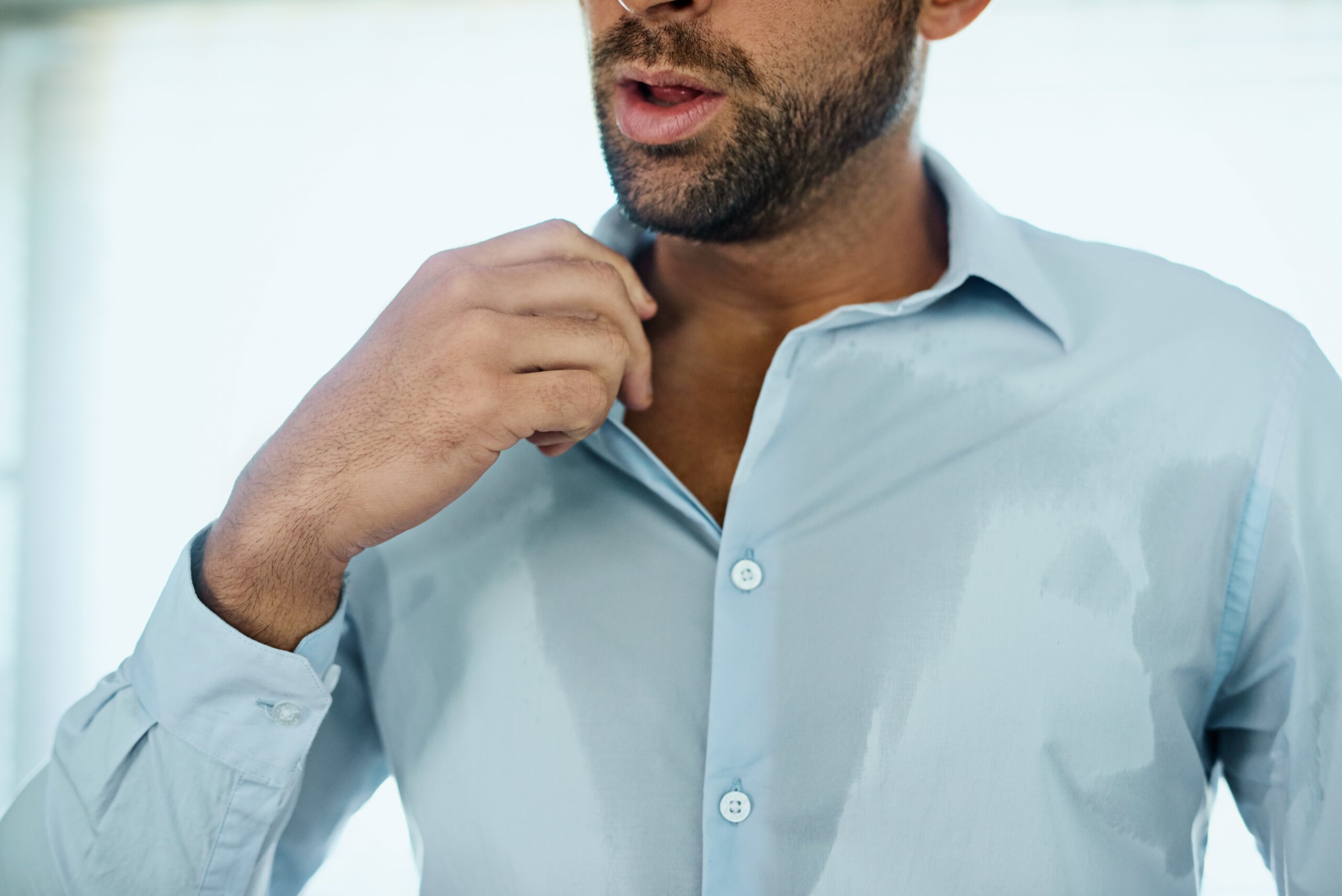
A sweaty shirt after a hard workout is one thing. Soaking through your clothes while sitting in an air-conditioned room is another. Sweat is one of the body’s built-in cooling systems, helping release heat when your temperature climbs because of exercise, hot weather, stress or hormonal changes. Without that response, the body would have a much harder time preventing overheating.
There is no magic number separating “normal” from “too much.” Cleveland Clinic estimates that an average person may produce around 500 milliliters of sweat per day, while exercise can dramatically increase fluid loss. Henry Ford Health notes that during exercise in temperate conditions, an average person can lose roughly 1.5 to 2 liters of fluid through sweat, with heat and high humidity potentially pushing losses even higher.
The better clue is what happens when your body doesn’t need cooling. Sweating while resting, dripping in cool conditions or repeatedly soaking through clothes may point to excessive sweating, also known as hyperhidrosis. Cindy Vo, an aesthetic registered nurse quoted by USA Today, says sweating may be considered excessive when it regularly soaks clothing, disrupts everyday activities or happens without exercise or a hot environment.
Your “Normal” Amount of Sweat Is Highly Personal
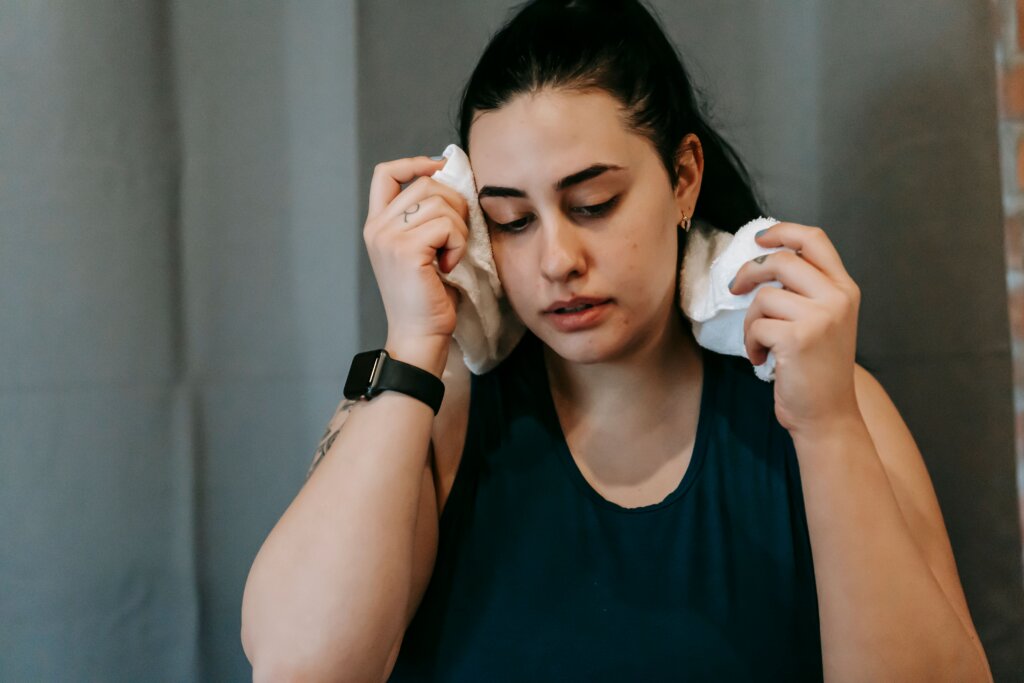
Comparing your sweat stains with someone else’s can be misleading because people perspire at very different rates. Body size, age, muscle mass, fitness and overall health can all affect how much sweat the body produces. Henry Ford Health explains that larger bodies generally generate more heat during movement, while muscle also produces more heat than fat. Surprisingly, being fit doesn’t necessarily mean staying drier: well-conditioned people may actually begin sweating more efficiently.
Then there are the everyday triggers. Hot and humid weather is an obvious one, but stress, anxiety, caffeine, alcohol and spicy foods can also send sweat glands into action. Hormonal fluctuations can play a role, too, particularly during menopause. Even a fever can leave someone drenched as the body works to bring its temperature back toward normal.
What matters most is a change from your own baseline. Sweat becomes more concerning when it suddenly increases, appears without an obvious trigger or starts affecting ordinary tasks. WebMD points to practical warning signs: sweating while sitting still, having persistently wet skin or struggling to turn a doorknob or use a keyboard because your hands are so damp. Excess moisture can also soften or peel the skin and contribute to infections in frequently sweaty areas.
Excessive Sweating Can Have More Than One Cause
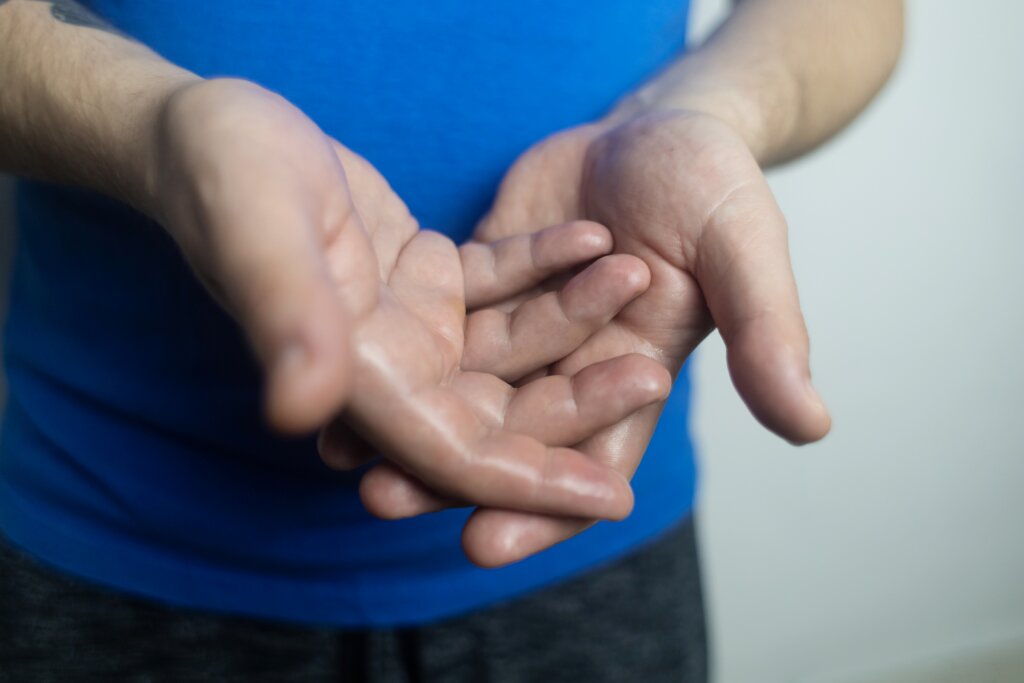
Hyperhidrosis generally falls into two categories, and the distinction matters. Primary focal hyperhidrosis usually affects particular areas such as the palms, soles, underarms or face. Cleveland Clinic describes it as the most common type and notes that it often begins before age 25. The sweat glands themselves are essentially getting signals to work harder than the body’s cooling needs demand.
Secondary generalized hyperhidrosis is different because another medical condition or medication can be behind it. Diabetes, hyperthyroidism, Parkinson’s disease, infections and menopause are among the conditions associated with increased sweating. A range of medications can also contribute, including some antidepressants, pain relievers, blood pressure drugs and diabetes medications. People should not stop a prescribed medication on their own if they suspect it is making them sweat more; a healthcare provider can assess whether an adjustment is appropriate.
The pattern can offer useful clues. Primary focal hyperhidrosis tends to concentrate in certain spots, while secondary hyperhidrosis can cause widespread sweating and is more likely to occur during sleep. Cleveland Clinic recommends contacting a healthcare provider if sweating worsens over time, happens overnight or begins interfering with daily life. Sweating accompanied by chest pain, nausea or dizziness warrants prompt medical attention.
You Don’t Have to Simply Live With It
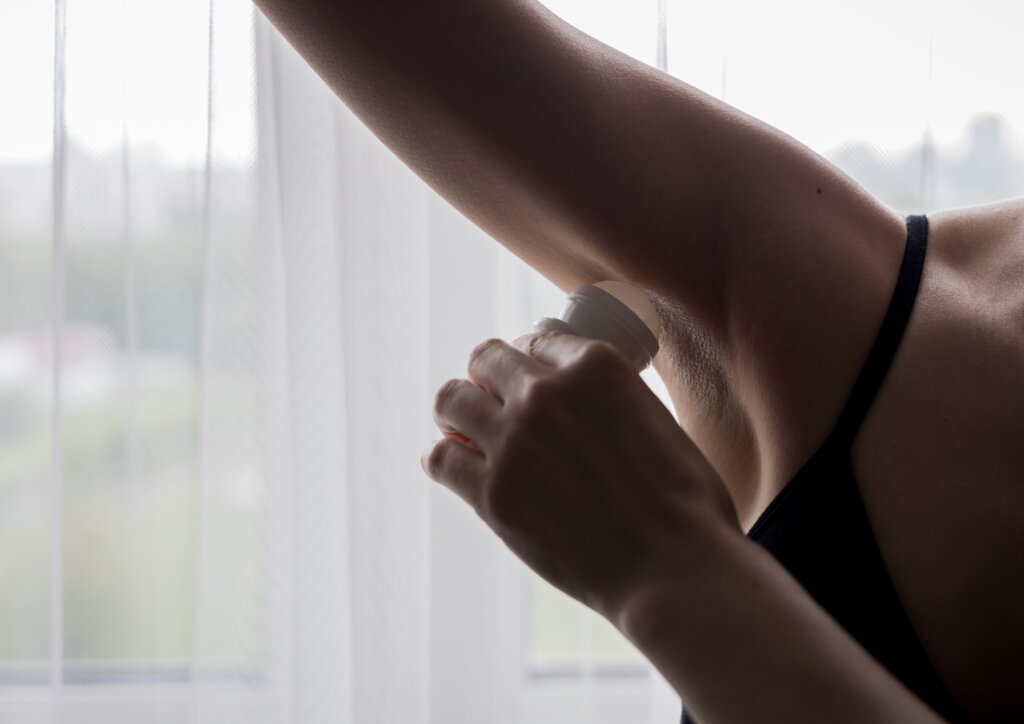
For milder sweating, a few changes may make daily life more comfortable. Cleveland Clinic recommends breathable, absorbent clothing such as cotton and notes that antiperspirants work differently from deodorants: antiperspirants reduce sweat production, while deodorants primarily address odor. Staying hydrated is also important, particularly when exercise, heat or humidity is driving substantial fluid loss.
Persistent hyperhidrosis has medical treatment options. Depending on its location and severity, doctors may recommend prescription-strength antiperspirants, medications or medicated wipes. Other therapies include iontophoresis, which uses a low electrical current to reduce sweating in the hands or feet, and botulinum toxin injections, which can temporarily interrupt the nerve signals responsible for excessive sweat production. More specialized procedures and surgery may be considered when other treatments fail.
Perhaps the simplest test for “too much” sweat, then, isn’t a measuring cup. It is whether sweating has begun dictating what you wear, where you go, how you interact with people or what activities you avoid. Hyperhidrosis can be uncomfortable and socially disruptive, but it is also a recognized condition with multiple treatment options. When sweat stops behaving like a cooling system and starts behaving like an obstacle, that is reason enough to bring it up with a healthcare professional.