

Products are selected by our editors, we may earn commission from links on this page.
Could state political leaders face actual prison sentences for failing to police billions of dollars in public welfare spending? The federal government has dramatically escalated its war on healthcare corruption, setting up a high stakes constitutional showdown between Washington and local state capitols. Backed by severe enforcement tools, the White House has issued a sweeping ultimatum to governors across the nation, threatening to completely eliminate critical financial lifelines if local agencies refuse to aggressively pursue illicit activity within their social service frameworks.
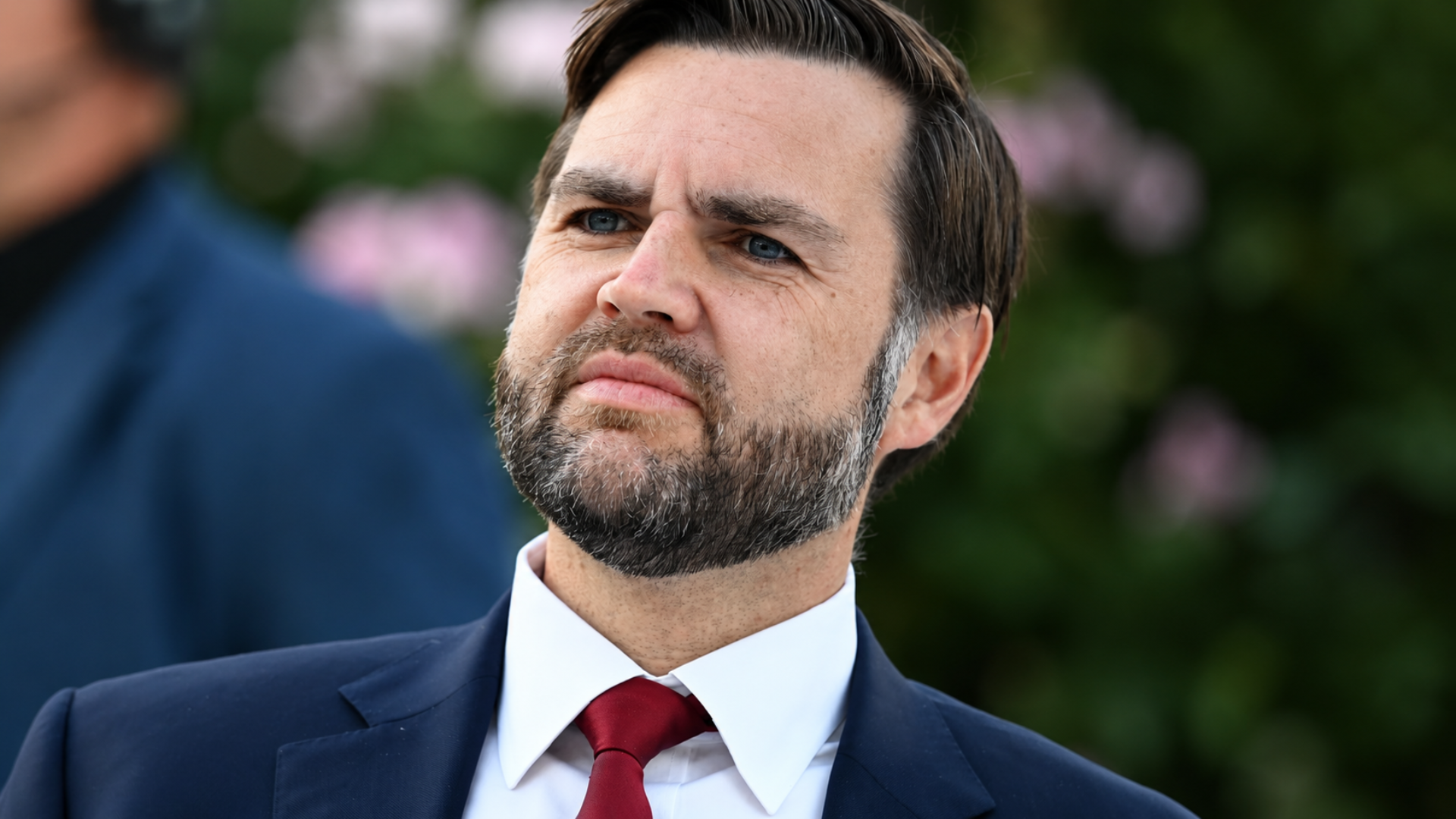
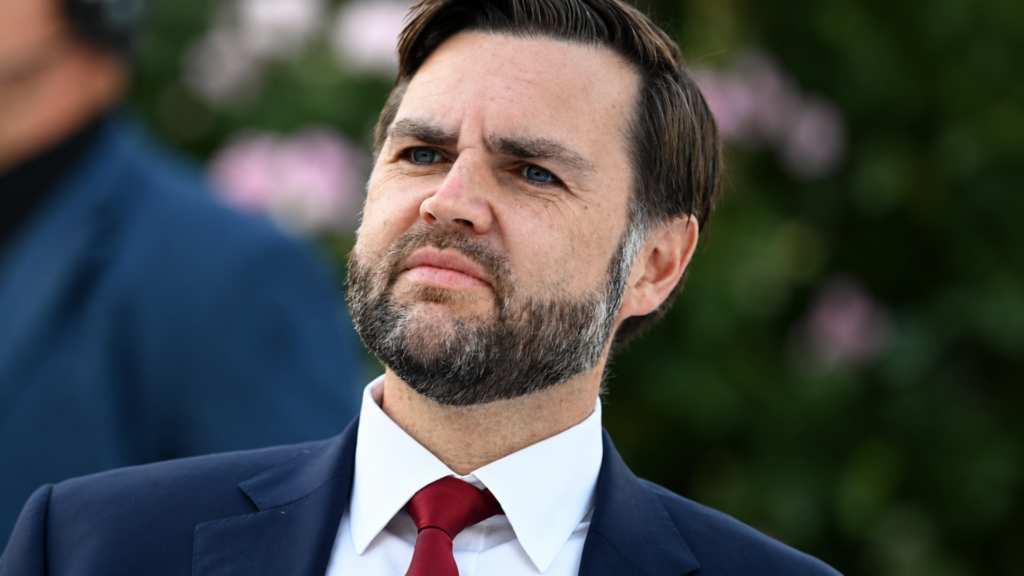
The aggressive domestic policy shift was officially unveiled during a joint press conference in the Indian Treaty Room of the Eisenhower Executive Office Building. Vice President JD Vance, acting as the chairman of the newly formed White House anti-fraud task force, announced that the federal government is immediately deferring 1.3 billion dollars in federal Medicaid reimbursements originally earmarked for the state of California. Federal authorities stated the unprecedented financial sanction was triggered by systemic oversight failures and a lack of cooperation from local regulators.
In a subsequent national television appearance on Fox News, Vance went significantly further, predicting that criminal investigators will inevitably uncover deep seated corruption extending into state administrative offices. He warned that any government officials who willfully ignored internal warning signs or covered up rampant exploitation of taxpayer funds should face individual criminal prosecution. The vice president argued that the scale of the financial anomalies indicates that multiple bad actors inside state institutions had to have known exactly what they were doing.
Unprecedented Sanctions Target the Golden State
The massive withholding of 1.3 billion dollars represents the largest single financial deferral ever executed in the history of the Centers for Medicare and Medicaid Services (CMS). Flanking the vice president at the briefing, CMS Administrator Dr. Mehmet Oz explained that federal data analytics units had flagged multiple severe irregularities and billing anomalies within California’s regional healthcare reports. Specifically, federal oversight teams are demanding that state officials formally come to the table to explain 630 million dollars in unexplained billing surges.
Federal authorities expressed deep concern regarding an additional 500 million dollars spent on regional home health services, alongside 200 million dollars in what the administration categorized as highly questionable expenditures. Vance emphasized that this systemic lack of oversight has a dual victim pool, explaining that it simultaneously plunders billions from hard working American taxpayers while actively endangering vulnerable citizens. Investigators allege that unchecked criminal networks have routinely falsified medical charts to prescribe unneeded, high potency medications to unsuspecting low income patients just to milk public insurance accounts.
The federal action follows similar financial interventions executed against alternative state managed programs earlier this year. The task force previously held back scheduled Medicaid reimbursements from the state of Minnesota, citing a persistent failure by local leadership to address program integrity concerns raised by the feds. By aggressively squeezing the financial pipelines of major state programs, the administration is attempting to force a total rewrite of how local governments manage public welfare accountability.
A Nationwide Freeze on New Healthcare Enrollments

Alongside the targeted financial penalties leveled against California, the federal task force announced a sweeping, nationwide six month moratorium on all new Medicare provider enrollments for hospice and home healthcare organizations. The dramatic freeze is designed to act as an immediate circuit breaker, preventing new illicit entities from entering the federal system while investigators systematically audit the market. Existing, law abiding care providers will continue their daily operations as usual, but will face significantly intensified scrutiny and data tracking.
The administration’s aggressive, catchall strategy has triggered immediate pushback from national medical organizations and independent industry advocates. While groups explicitly state their absolute support for rooting out illegitimate operators, they caution that a blanket moratorium could severely restrict access to essential end of life care for patients in rural communities. Advocates warn that freezing new entries artificially dampens competition and halts necessary innovation in home based medical care at a time when the elderly population is growing rapidly.
Federal investigators defended the sweeping freeze by pointing to a wave of recent enforcement actions targeting organized criminal networks. In recent efforts, the task force successfully shut down 800 fraudulent hospice centers that were exploiting public insurance pools. Furthermore, federal grand juries have issued 22 targeted subpoenas tied to a multi million dollar healthcare fraud ring operating out of Minneapolis, proving that the underground exploitation of public health infrastructure is a multi state network.
Blue State Leaders Fire Back at Political Retribution

The aggressive federal crackdown has drawn fierce resistance from progressive leaders, who view the financial penalties as a coordinated campaign of partisan retaliation targeting states that did not vote for the administration. The office of California Governor Gavin Newsom immediately fired back on the social media platform X, fiercely disputing the administration’s claims and defending the integrity of the state’s care framework. Newsom argued that the administration was attempting to blame California for issues with federal programs, pointing out that local enforcement has repeatedly co operated with federal protocols.
Newsom’s administration argued that the rapid growth in California’s home care spending is not proof of fraud, but rather a direct reflection of a compassionate, cost effective policy designed to keep seniors and disabled individuals out of expensive nursing homes. California’s local leadership contended that home based assistants, who manage vital daily tasks like cooking, bathing, and medical injections, save taxpayers money in the long run. The state’s executive leadership labeled the strategic attack as a distraction from the federal government’s own oversight failures.
The multi billion dollar standoff underscores a profound national debate regarding the boundaries of federal oversight and state sovereignty. As the White House sends formal directives requiring all 50 states to prove they are actively and aggressively prosecuting healthcare fraud, the pressure on local attorneys general is hitting a historic high. With the administration threatening to permanently disable the funding that supports local anti fraud units, state governments are discovering that ignoring Washington’s new compliance rules carries an incredibly expensive price tag.