


Products are selected by our editors, we may earn commission from links on this page.

The median price of a home in the United States hit $440,600 in June, a number that has now climbed for 36 straight months without a single pause. Against that backdrop, JPMorgan Chase announced on Monday it will pour $750 billion into the housing market through 2035, one of the largest private commitments to homeownership in the bank’s history. The plan touches everything from zoning reform to mortgage products, and it starts with a simple goal: get more Americans through the front door of a home they can actually afford.
The Number Behind the Number: A 40% Jump in Bank Housing Spending

750 billion dollars sounds abstract until it’s measured against what came before. JPMorgan says the figure marks close to a 40% increase in housing capital deployment compared with the previous ten years. The bank is treating this less as a single donation and more as a decade-long infrastructure bet, spreading the money across financing, equity, grants, and policy work rather than one lump payout. That scale puts JPMorgan in territory few private lenders have entered on housing alone.
One Million Units, One Deadline: 2035
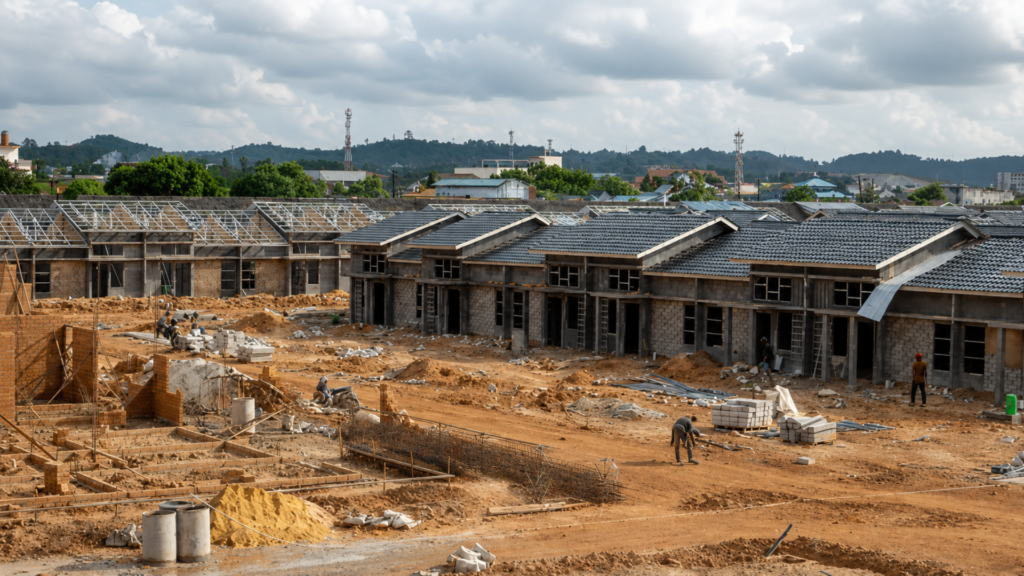
At the center of the plan sits a hard target: financing for 1 million affordable housing units by 2035. That work will flow through debt, equity, and grants aimed at developers, property owners, nonprofits, and local governments trying to build or preserve housing stock. The bank is positioning itself as the largest multifamily lender in the country, betting that supply, not just demand, is the real bottleneck keeping millions of Americans locked out of the market.
500,000 Buyers, 200,000 of Them Brand New to Homeownership

The plan’s second pillar targets people, not just buildings. JPMorgan intends to help 500,000 customers purchase homes, and 200,000 of them will be first-time buyers stepping into ownership for the first time. Chase Home Lending CEO Sean Grzebin framed the goal around clarity, saying the aim is to make the path to homeownership clearer for people wherever they stand financially. For a generation that has watched homeownership drift further out of reach, that promise carries real weight.
Affordability Has Been Sliding for Years

The timing is not an accident. Existing home sales actually fell 2.4% in June even as prices climbed, according to the National Association of Realtors, a sign that buyers are being priced out faster than the market can adjust. NAR chief economist Lawrence Yun noted that the median home price has reached an all-time high, even as wage growth has kept pace better than in prior years. JPMorgan’s own research points to a housing supply shortfall as the root cause, one that no single policy fix has managed to solve.
More Loan Officers, Bigger Lending Volume

To hit its homebuyer targets, JPMorgan plans to grow its mortgage lending volume by more than 40%, according to Banking Dive. That growth will be staffed by 850 new home-lending advisers brought on specifically to handle the expected surge in applications. The bank is betting that more people on the ground, closer to local markets, will translate directly into more closed deals, particularly in regions where housing inventory has been slow to recover.
New Products for Homes That Don’t Fit the Old Mold
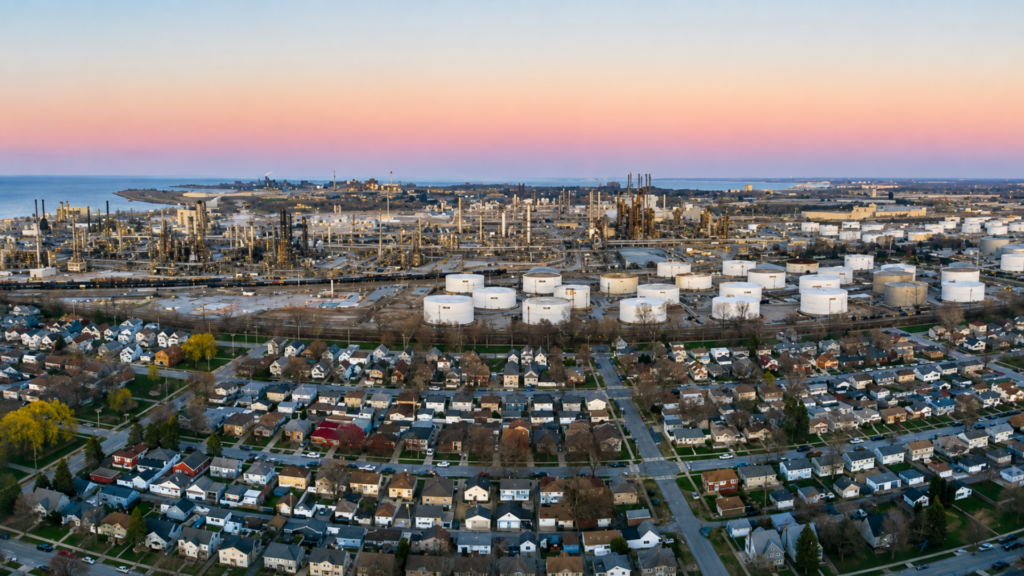
Traditional 30-year mortgages were not built with every home in mind. JPMorgan says it will develop new loan products specifically for modular and manufactured homes, a segment of the market that has historically struggled to secure financing on the same terms as site-built houses. Digital tools are also part of the rollout, aimed at simplifying an application process that many first-time buyers find intimidating or opaque. The bet is that easier financing unlocks housing options buyers have overlooked.
Rewriting the Rules: Zoning, Tax Credits, and Washington

Money alone will not fix a housing shortage built on decades of restrictive local rules. JPMorgan says it will work directly with states and municipalities to streamline zoning and building codes, while also pushing for expanded tax credits and public-private partnerships. The bank has thrown its support behind federal proposals including the 21st Century ROAD to Housing Act and the Housing Supply Expansion Act, signaling it wants to shape policy, not just capital markets.
Part of a Bigger Bet on Economic Mobility
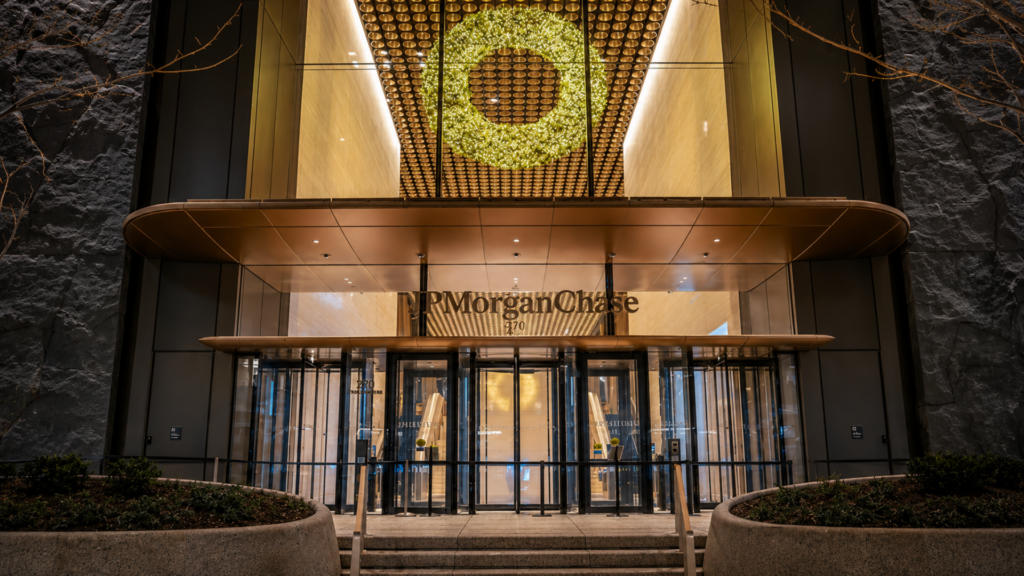
Housing is only one piece of JPMorgan’s broader American Dream Initiative, a multi-year push the bank launched to widen economic opportunity across the country. The same initiative has already produced a pledge of nearly $80 billion in small-business lending over the next decade and plans to double the bank’s Community Center branch network in low- and moderate-income neighborhoods. Those branches pair everyday banking with free financial education, extending the initiative’s reach well beyond mortgages alone.
A Bet That Supply, Not Sentiment, Fixes the Market

JPMorgan’s $750 billion commitment treats homeownership as an engineering problem as much as a financial one, attacking supply, financing, and policy at the same time instead of leaning on any single lever. Whether the bank hits its 2035 targets will depend on forces well beyond its control, from interest rates to local zoning boards that move slower than any corporate timeline. What the plan does settle is intent: the largest bank in the country has staked its reputation on the belief that America’s housing shortage can still be built out of.