

Products are selected by our editors, we may earn commission from links on this page.
Kratom and concentrated 7-OH products are becoming increasingly familiar sights at American gas stations, smoke shops, and online stores, attracting customers who hope to manage pain, improve their mood, or find alternatives to prescription opioids. While some users describe these substances as life-changing, medical researchers are warning that their opioid-like effects can also lead to dependence, difficult withdrawal symptoms, and potentially serious health complications. A November 2026 NPR investigation highlights the complicated experiences of people who believe these products helped them, as well as others who discovered that stopping them was far more difficult than they expected.
Kratom and 7-OH Are Not Exactly the Same Thing
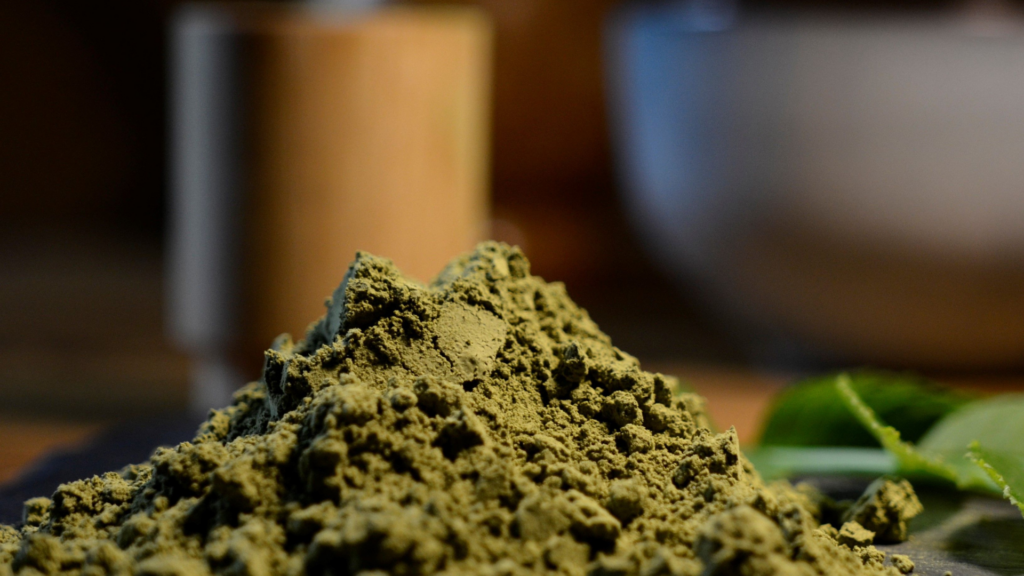
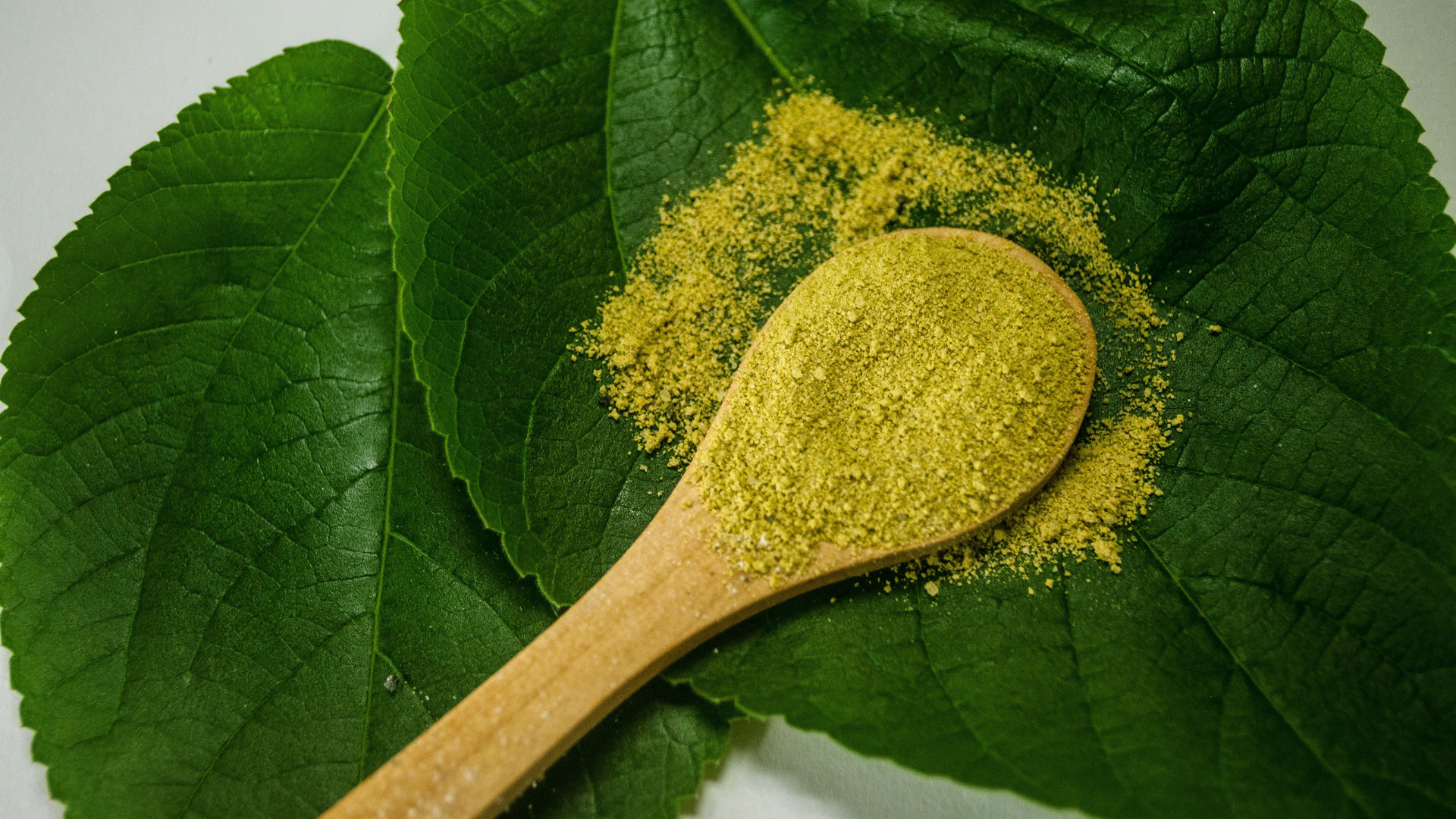
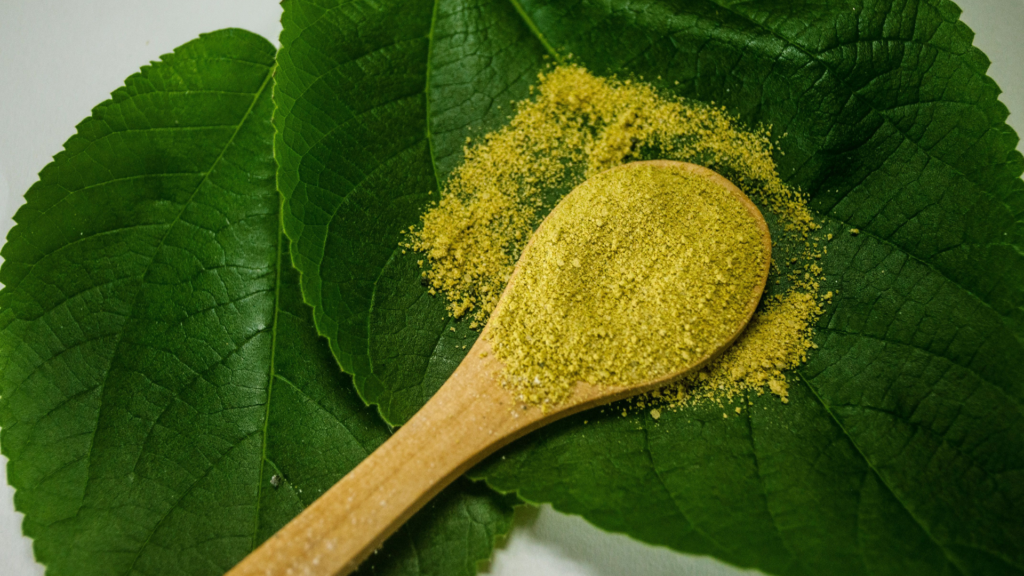
Kratom comes from the leaves of a tropical tree native to Southeast Asia and contains naturally occurring compounds that interact with receptors involved in pain, mood, and other functions. One of those compounds, 7-hydroxymitragynine, commonly called 7-OH, occurs naturally in small amounts but can also be manufactured or concentrated into much stronger commercial products. Although some concentrated 7-OH tablets and shots are marketed alongside traditional kratom products, the Food and Drug Administration warns that these formulations can pose substantially greater risks than ordinary kratom leaf preparations.
One Man Thought He Had Found a Better Alternative
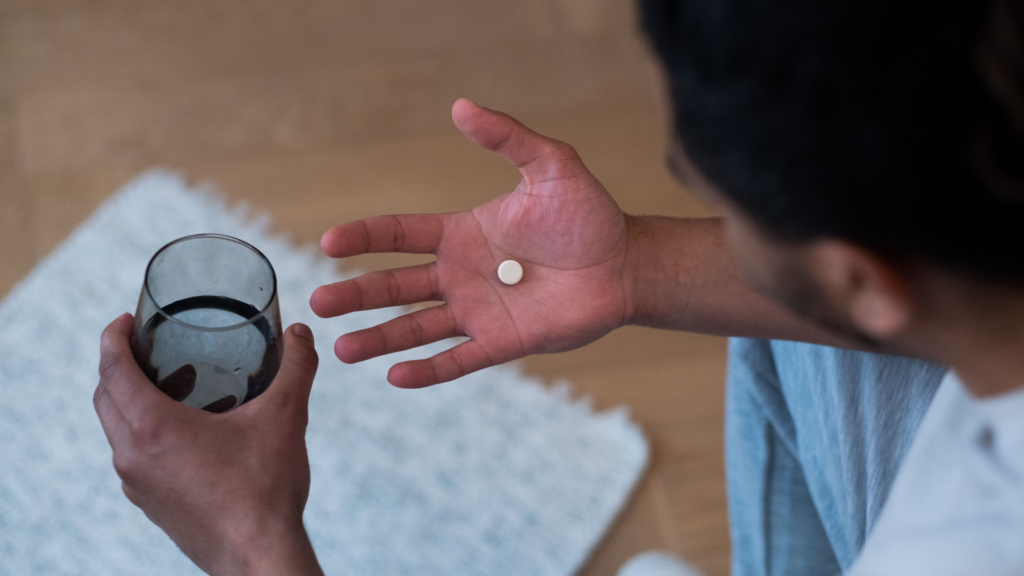
NPR interviewed a 38-year-old man identified only as Tyler, who said he had originally used kratom leaf powder to help manage withdrawal symptoms after struggling with opioid addiction in his early twenties. He believed kratom had helped him avoid returning to traditional opioids for approximately a decade, making the substance seem like a useful part of his recovery. However, after discovering concentrated 7-OH tablets at a gas station in early 2025, Tyler experienced powerful opioid-like effects that eventually developed into a pattern of dependence he found extremely difficult to escape.
The Initial Benefits Can Make the Risks Harder to Recognize

Some people who use concentrated 7-OH report experiencing pain relief, improved energy, or feelings of well-being, which can make the products seem particularly appealing to individuals dealing with ongoing physical or emotional difficulties. Tyler told NPR that the tablets initially made him feel energized and productive during his physically demanding job, encouraging him to continue using them as part of his daily routine. However, researchers caution that pleasant initial effects do not establish that a substance is safe, particularly when repeated exposure can lead to tolerance, physical dependence, and increasing difficulty functioning without it.
Another Customer Says 7-OH Changed Her Life

Not everyone interviewed by NPR described a negative experience, illustrating why the discussion surrounding kratom and 7-OH has become increasingly complicated. Angela Wilson, a 44-year-old mother from Delaware, said concentrated 7-OH had helped her manage severe pain associated with endometriosis and symptoms of depression, providing relief she had struggled to find through other approaches. Wilson, who reported lacking health insurance, expressed concern that restrictions on these products could remove something she considers essential to her daily life, although her experience does not establish that 7-OH is a proven or medically approved treatment.
Dependence Can Develop Before People Realize What Is Happening

Researchers studying kratom-related substances have observed that some users gradually develop tolerance, meaning they may need increasing amounts to experience effects similar to those they initially noticed. David Epstein, a senior investigator at the National Institute on Drug Abuse, told NPR that some people using 7-OH eventually found themselves taking repeated doses simply to prevent uncomfortable withdrawal symptoms. This pattern can become particularly concerning when someone begins organizing their daily routine around avoiding withdrawal rather than seeking the benefits that originally encouraged them to use the product.
Withdrawal Symptoms Can Be Extremely Difficult

For people who develop significant physical dependence, stopping concentrated 7-OH can trigger symptoms that resemble opioid withdrawal, including body aches, anxiety, restlessness, digestive problems, and severe fatigue. Tyler described repeated unsuccessful attempts to stop using the tablets before eventually entering a detoxification program in Michigan, explaining that the withdrawal symptoms had become overwhelming. Another former user interviewed by NPR, identified as Brian, reported experiencing intense anxiety and gastrointestinal distress after discontinuing 7-OH, showing how difficult recovery can become for some people after prolonged use.
Poison Control Reports Have Increased Dramatically

A recent analysis of information collected by 53 American poison control centers found that calls involving kratom-related exposures increased approximately 1,200% between 2015 and 2025. The research identified 233 deaths associated with kratom exposure reports during that period, although 79% involved multiple substances, making it difficult to determine the precise contribution of kratom in individual cases. Researchers also emphasized that the database did not consistently distinguish traditional kratom from concentrated 7-OH products, meaning the figures should not be interpreted as a direct measurement of the risks associated with either substance alone.
Federal Officials Are Moving Toward Stricter Restrictions

The growing concerns have prompted federal officials to reconsider how concentrated kratom-derived substances should be regulated, particularly products containing high levels of 7-OH or related opioid compounds. In October 2026, the Drug Enforcement Administration issued revised proposals based on recommendations from the Department of Health and Human Services, focusing on concentrated formulations while attempting to distinguish them from traditional botanical kratom products containing only trace amounts. The proposals followed earlier federal restrictions involving several related semi-synthetic opioid compounds, although the regulatory process and legal challenges have created uncertainty about which products will ultimately remain available.
Understanding the Difference Could Help Prevent Serious Harm

The experiences described in NPR’s investigation demonstrate why kratom and concentrated 7-OH products cannot be treated as interchangeable substances or assumed to be harmless simply because they are available in ordinary retail stores. Although some individuals report meaningful benefits, concentrated 7-OH products carry serious concerns involving addiction, withdrawal, unpredictable product strength, and potentially dangerous interactions with other substances. Anyone already experiencing dependence should seek guidance from a qualified healthcare professional rather than attempting to manage severe withdrawal alone, while consumers considering these products should understand that their reported benefits remain scientifically uncertain and their risks can be substantial.