

Products are selected by our editors, we may earn commission from links on this page.
Imagine your employer quietly saving money because you rely on a taxpayer-funded program instead of company health coverage. That is exactly what is happening across America, and New Jersey just decided to make businesses pay for it. Gov. Mikie Sherrill signed a law charging companies whose workers use Medicaid, and several other states are watching closely, ready to follow her lead.
The Fee Structure, Explained
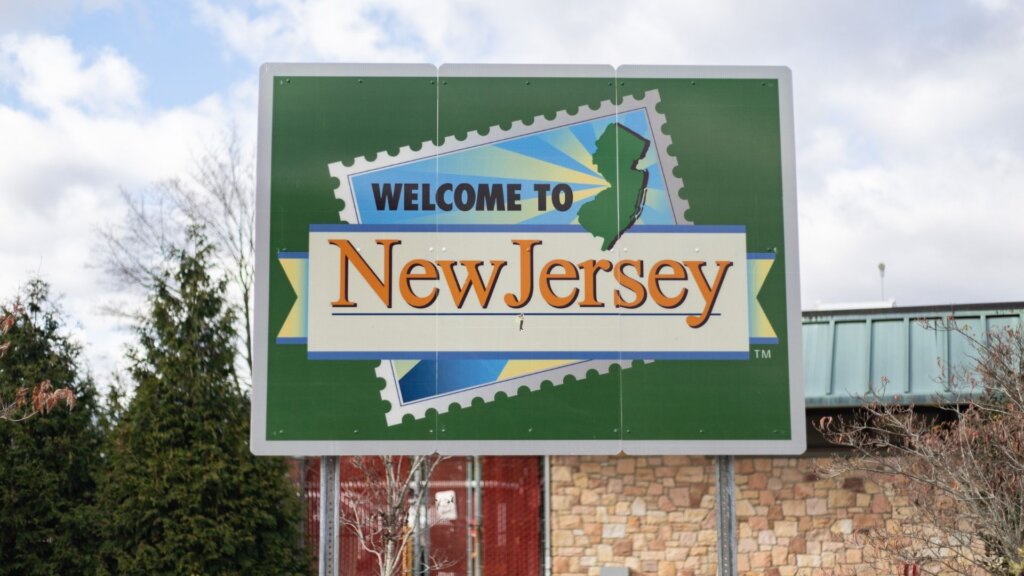
Under New Jersey’s new law, any company with 50 or more employees covered by Medicaid will face charges. The fee starts at $325 per year for businesses with 50 to 249 Medicaid recipients among their staff. It climbs to $725 annually per person for employers with 500 or more workers relying on the program. New Jersey expects to collect $145 million this year alone.
Why Now? Federal Changes Are the Trigger
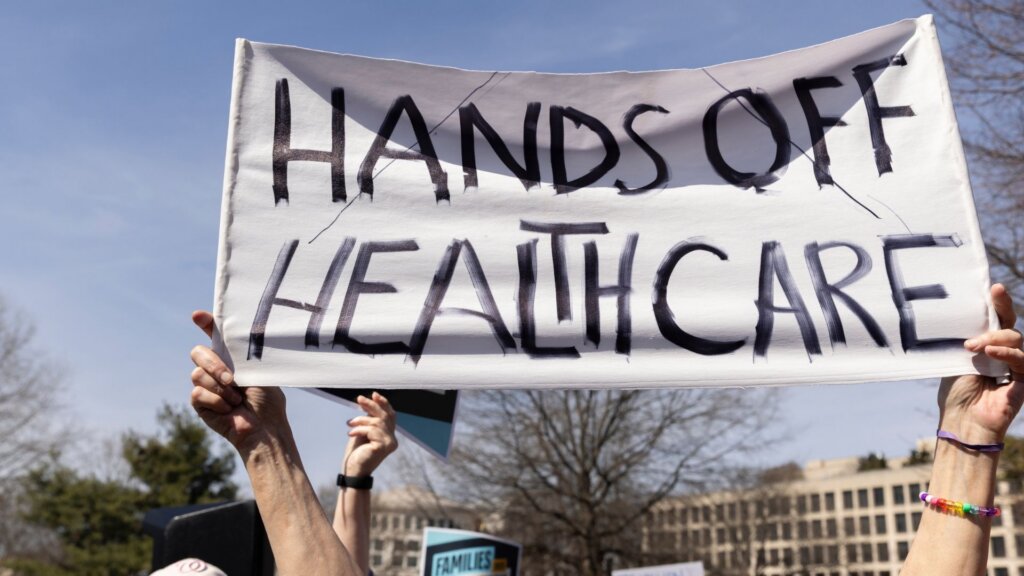
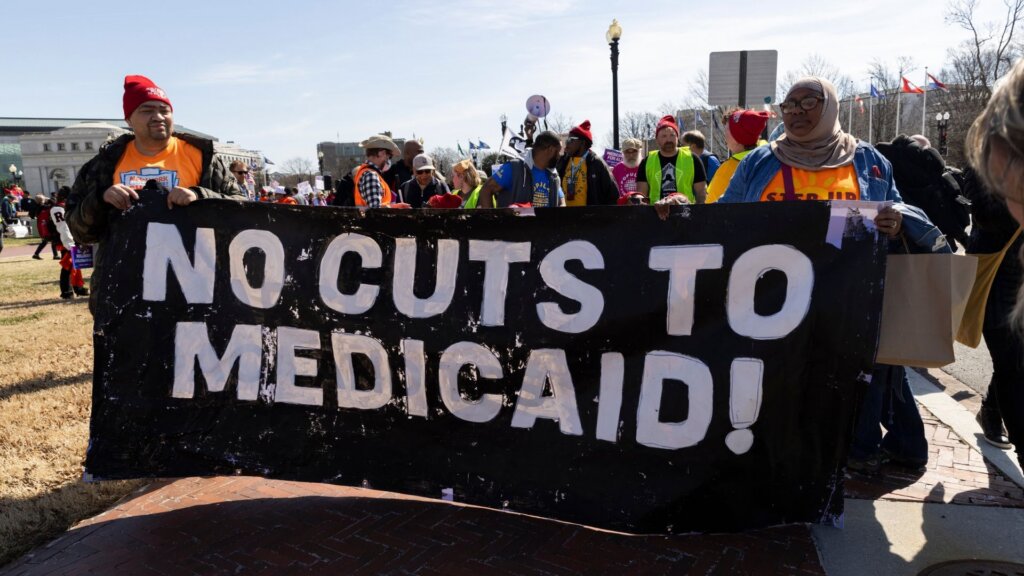
This is not happening in a vacuum. A sweeping tax and policy law signed by President Donald Trump last year is reshaping Medicaid nationwide. The nonpartisan Congressional Budget Office projects more than 10 million Americans could lose insurance coverage by 2034 because of new work and reporting requirements. States now face rising costs to fill the gaps, and lawmakers are looking to employers for help.
The Fairness Argument

Supporters call this a matter of basic fairness. State Sen. John Laird, who sponsored a similar proposal in California, put it bluntly: small business owners often pay for their employees’ health insurance, while also paying taxes that fund Medicaid for workers at the nation’s largest companies. He argues that the arrangement quietly rewards big employers for shifting costs onto the public.
California Takes a Slower Path

New Jersey acted fast, but California is moving more cautiously. Lawmakers there passed a bill this week that does not impose fees immediately. Instead, it directs the state to draft options for future legislators to consider. That decision will fall to whoever succeeds Gov. Gavin Newsom, who leaves office in January. Democratic candidate Xavier Becerra has already made employer fees part of his campaign platform.
A Wave Building Across State Lines

New Jersey and California are not alone. Similar proposals passed one legislative chamber in both Colorado and Oregon this year, though neither became law. Washington state introduced its own version. Connecticut Gov. Ned Lamont wants to add the fee to his state’s budget, with a plan to activate it two years from now. The idea is clearly gaining momentum among Democratic leaders.
Business Groups Push Back Hard
Employers are not taking this quietly. Christopher Emigholz of the New Jersey Business and Industry Association argues companies are being penalized for choices workers make on their own. He says an employee who turns down company insurance to stay on Medicaid should not translate into a bill for their employer, calling the policy unfair to businesses that have no real control over the outcome.
An Unexpected Critic from the Left
Opposition is not only coming from business groups. Gideon Lukens of the left-leaning Center on Budget and Policy Priorities warns the policy could backfire. He says companies might hire fewer low-income workers or single parents to avoid the fee, or factor it into layoff decisions and location choices. Workers themselves might avoid enrolling in Medicaid altogether if it makes them harder to employ.
This Has Been Tried Before, and It Didn’t Last

Employer Medicaid fees are not a new invention. Massachusetts charged up to $750 per worker starting in 2018, but the program expired the following year and was never renewed. Maryland tried something similar in 2006, targeting Walmart specifically, only for a federal judge to strike it down over conflicts with federal benefits law. New Jersey’s version is written to sidestep that exact legal trap.
A Cost Employers Can No Longer Ignore

New Jersey has turned a long-debated idea into enforceable law, and its $145 million target sends a clear signal to other states watching from the sidelines. Whether this becomes a lasting policy or another Massachusetts-style experiment depends on how employers respond and whether courts uphold it. For now, large companies relying on Medicaid to cover their workforce face a bill they cannot avoid.