

Products are selected by our editors, we may earn commission from links on this page.

One of Hawaii’s most significant Native Hawaiian programs is facing a federal court challenge that could reshape who qualifies for access to thousands of acres of public trust land. A lawsuit filed in U.S. District Court argues that the Hawaiian Home Lands program;l, which offers long-term leases for just $1 per year to eligible Native Hawaiians, unlawfully discriminates based on ancestry and violates constitutional equal protection guarantees.
How The Hawaiian Home Lands Program Works

The program traces its origins to the Hawaiian Homes Commission Act of 1920, signed into law in 1921. Congress set aside approximately 200,000 acres to help Native Hawaiians regain access to land after decades of displacement, population decline, and economic hardship. Eligible beneficiaries can receive 99-year homestead leases costing only $1 annually, with the possibility of extension, making the program one of the most valuable housing benefits in Hawaii.
The Contested Eligibility Requirement

To qualify, applicants must be at least 18 years old and possess at least 50% Native Hawaiian blood quantum, defined as descent from the peoples inhabiting the Hawaiian Islands before 1778. The Department of Hawaiian Home Lands requires applicants to document their genealogy through birth records and other historical evidence. The blood-quantum requirement has remained unchanged since the law’s enactment more than a century ago.
The Plaintiff Behind The Challenge

The lawsuit was filed by the Pacific Legal Foundation on behalf of Honolulu resident Eric Ryan. Ryan is not Native Hawaiian and says he was prevented from applying after indicating he did not meet the 50% ancestry threshold. He argues that access to public land should not depend on bloodline and contends that the requirement amounts to unconstitutional racial discrimination.
The Constitutional Arguments

Ryan’s legal team alleges that Hawaii’s program violates the Equal Protection Clause of the Fourteenth Amendment and that federal laws supporting the requirement violate equal-protection principles incorporated through the Fifth Amendment’s Due Process Clause. The lawsuit argues that eligibility is determined solely by ancestry rather than factors such as income, need, residency, or community contribution.
Why Defenders Say The Program Exists
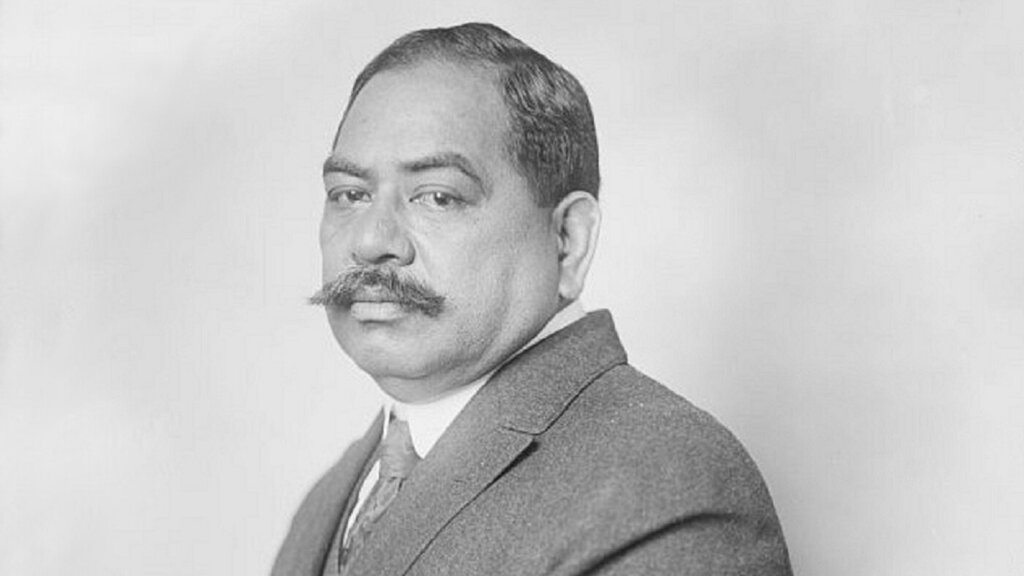
Supporters argue the program was created to address the unique historical circumstances facing Native Hawaiians. Prince Jonah Kūhiō Kalanianaʻole championed the legislation after Native Hawaiians experienced dramatic population losses, widespread land dispossession, and economic marginalization following Western contact and the overthrow of the Hawaiian Kingdom. Program advocates describe the trust as a political and historical remedy rather than a racial preference.
A Housing Program Under Pressure

The lawsuit arrives as demand for homestead leases continues to exceed supply. The Department of Hawaiian Home Lands reports roughly 29,000 Native Hawaiians remain on waiting lists, while the agency oversees more than 200,000 acres of trust land and thousands of active leases. State officials have devoted hundreds of millions of dollars toward reducing the backlog, but many applicants still wait decades for land awards.
Debate Over Blood Quantum Extends Beyond The Lawsuit
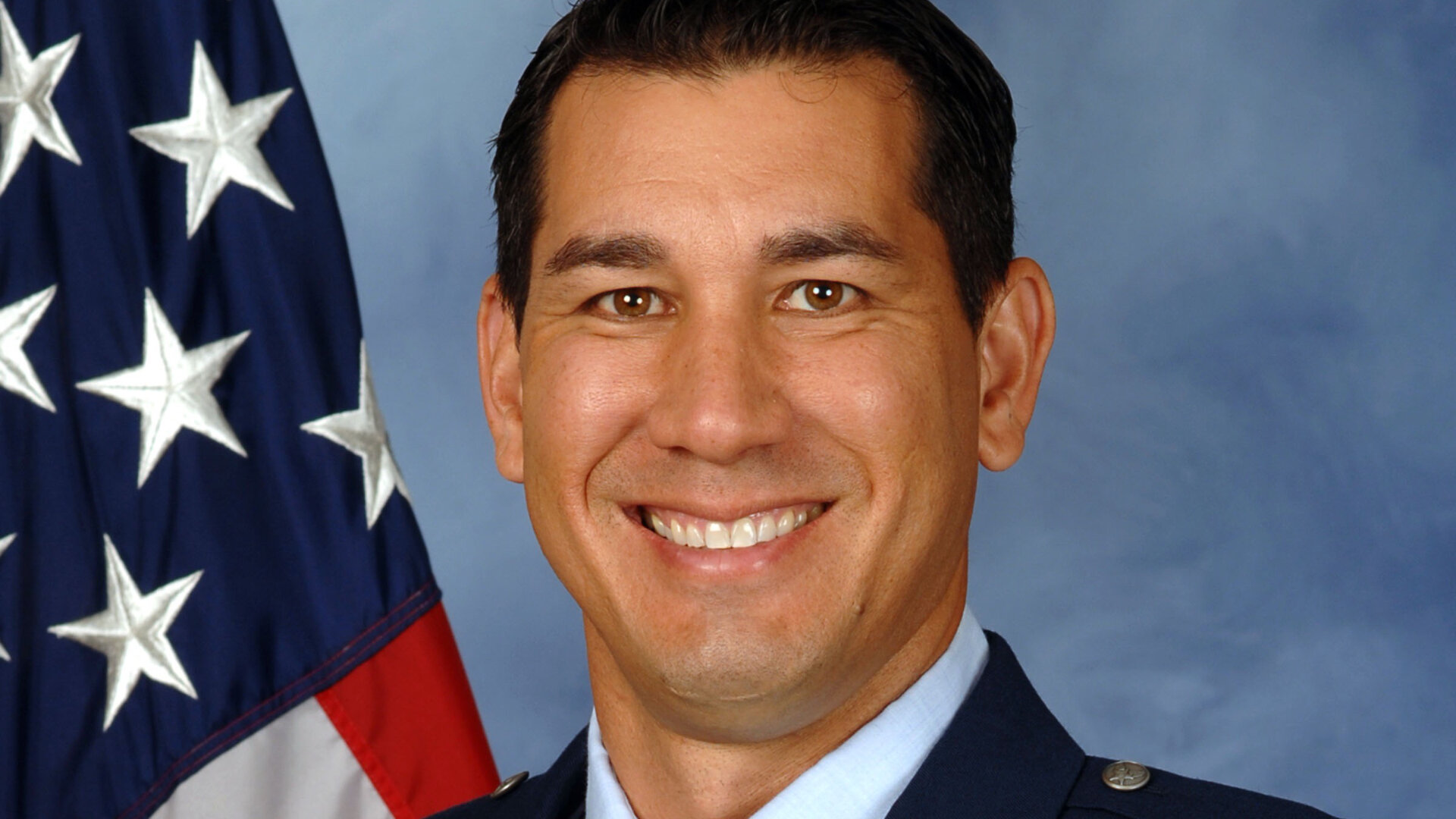
The current challenge intersects with a longstanding debate inside the Native Hawaiian community itself. Some Native Hawaiian leaders have criticized blood quantum as a colonial-era concept imposed by Congress rather than a traditional Hawaiian measure of identity. Former U.S. Representative Kai Kahele previously introduced legislation that would have lowered the eligibility threshold, arguing that many Native Hawaiians are excluded despite their ancestry and cultural ties.
What Each Side Says Is At Stake
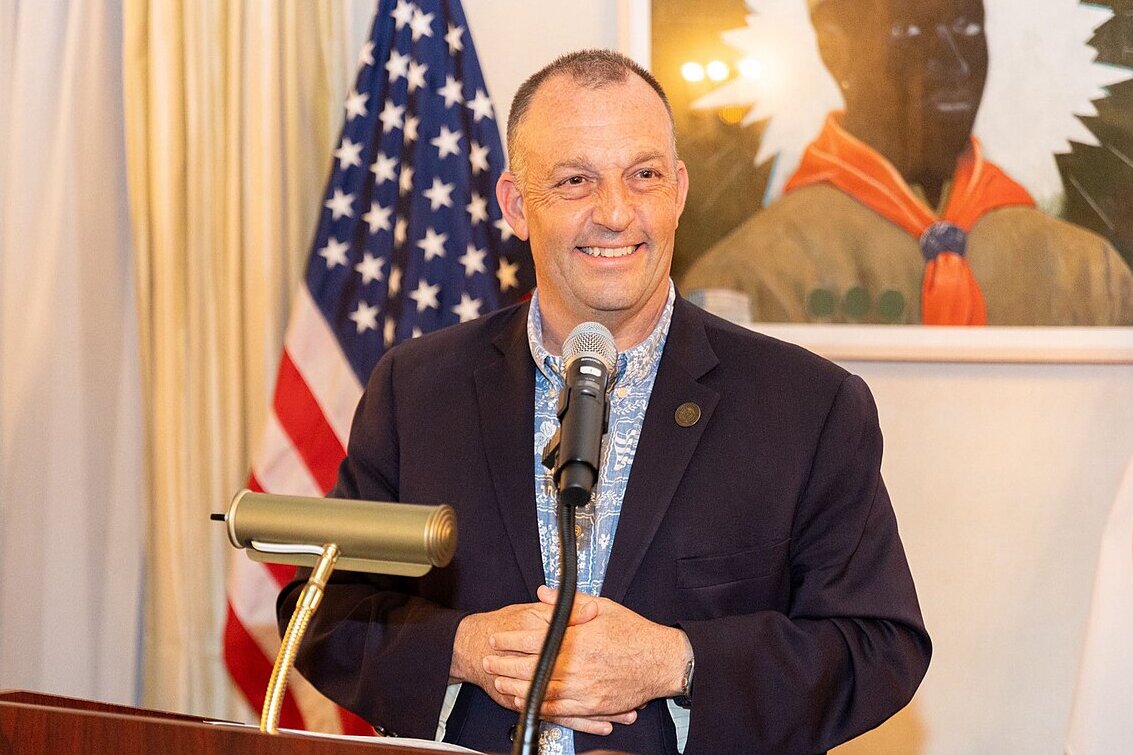
Pacific Legal Foundation attorneys say a successful ruling would not eliminate existing leases but would allow future applicants to compete regardless of ancestry. Defenders counter that opening the program to the broader public would fundamentally alter a trust established specifically for Native Hawaiians and could weaken one of the state’s most important cultural and housing institutions. Governor Josh Green has pledged to vigorously defend the law, while Native Hawaiian organizations have warned that the case threatens commitments made when the trust was created.
A Case With Implications Beyond Hawaii
The dispute arrives amid a broader wave of legal challenges targeting programs tied to race, ancestry, and Indigenous status across the United States. Both supporters and opponents expect the litigation to move through the federal courts and potentially reach the Ninth Circuit or even the U.S. Supreme Court. Whatever the outcome, the case is likely to influence future debates over Native Hawaiian rights, federal trust obligations, and how governments balance historical remedies with constitutional equal-protection principles.