


Products are selected by our editors, we may earn commission from links on this page.
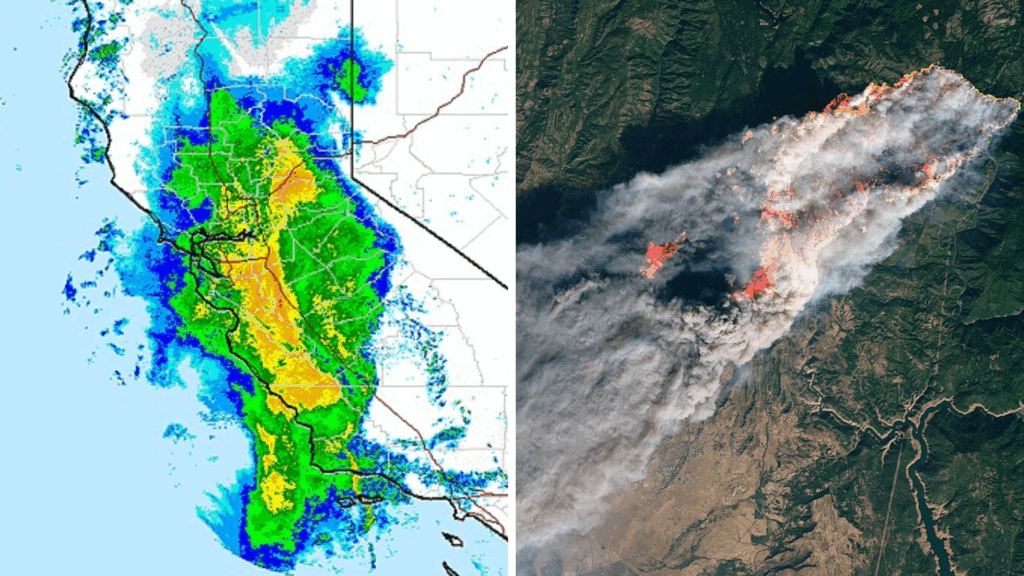
A fast-moving atmospheric river from Alaska is expected to bring heavy rain and mountain snow to San Diego County by late Thursday. This early-season storm could provide important clues about what lies ahead for the region’s water supply. With coastal areas potentially receiving about four-fifths of an inch and mountains seeing over an inch of rain, this moisture boost arrives at a critical time when the county needs every drop it can get.
Understanding California’s Water Year
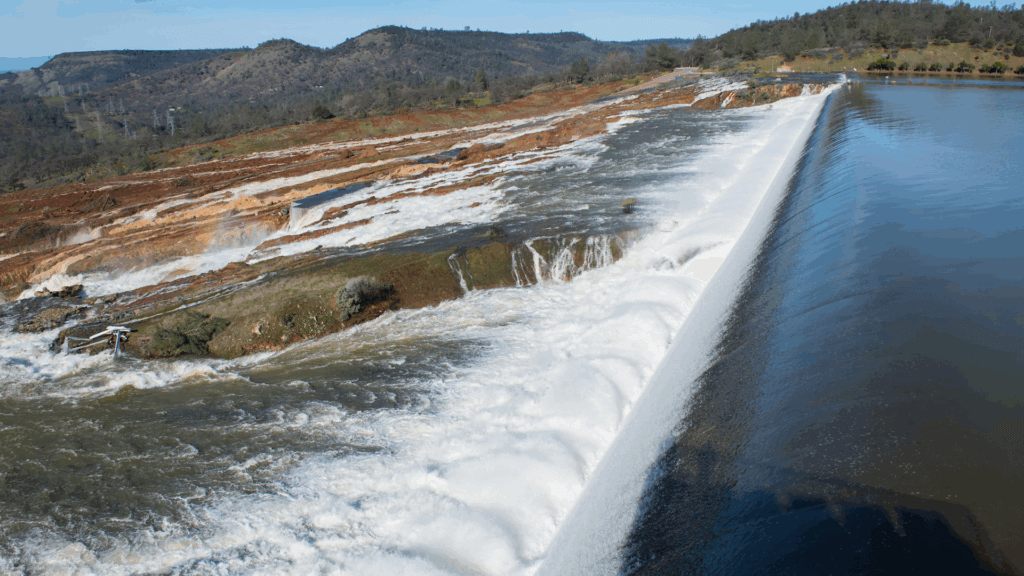
California’s water year runs from October 1 through September 30, with January and February typically being the wettest months. This timing helps water managers track annual rainfall and plan reservoir storage. Last water year, San Diego recorded only 5.07 inches of rain, falling short of the 9.79-inch annual average. The previous year reached just over 12 inches, showing how variable precipitation can be in Southern California year to year.
What Is an Atmospheric River?
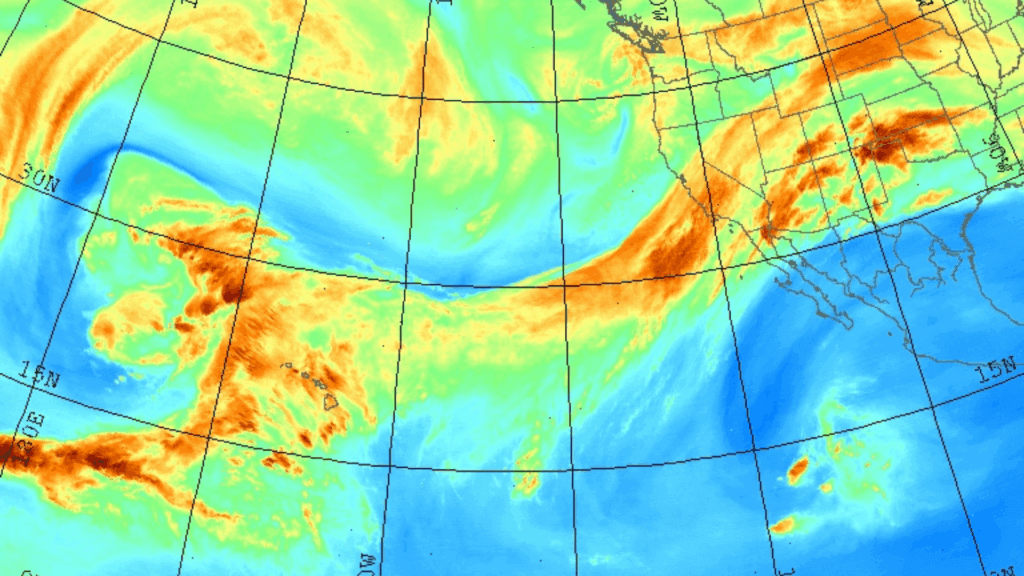
Think of atmospheric rivers as rivers in the sky. These are long, narrow bands of concentrated water vapor flowing through the atmosphere, transporting massive amounts of moisture. When these vapor streams reach land and cool, they release their water as rain or snow. Half of California’s water supply comes from atmospheric river storms, making them essential for the state’s reservoirs and water needs despite their potential for causing flooding.
Early Season Moisture Boost
This atmospheric river, combined with October’s rainfall, will provide valuable early moisture. Weather expert Alex Tardy explains that when snowpack builds and winter rains arrive, water flows into reservoirs rather than just soaking into dry ground. Getting this early precipitation helps prepare the soil and sets up better conditions for water storage later. However, forecasters caution that one early storm doesn’t necessarily predict how the rest of winter will unfold.
La Niña’s Dry Influence

The National Oceanic and Atmospheric Administration’s Climate Prediction Center forecasts that La Niña events, which bring drier conditions to Southern California, will likely persist this winter. Weather expert Alex Tardy warns the winter will bring “less storms, less opportunities for rain” through March. This makes the current atmospheric river even more valuable. “Getting it now, we’ll definitely take it,” Tardy said, emphasizing why every drop of precipitation matters for San Diego’s water future.
Expected Storm Impacts
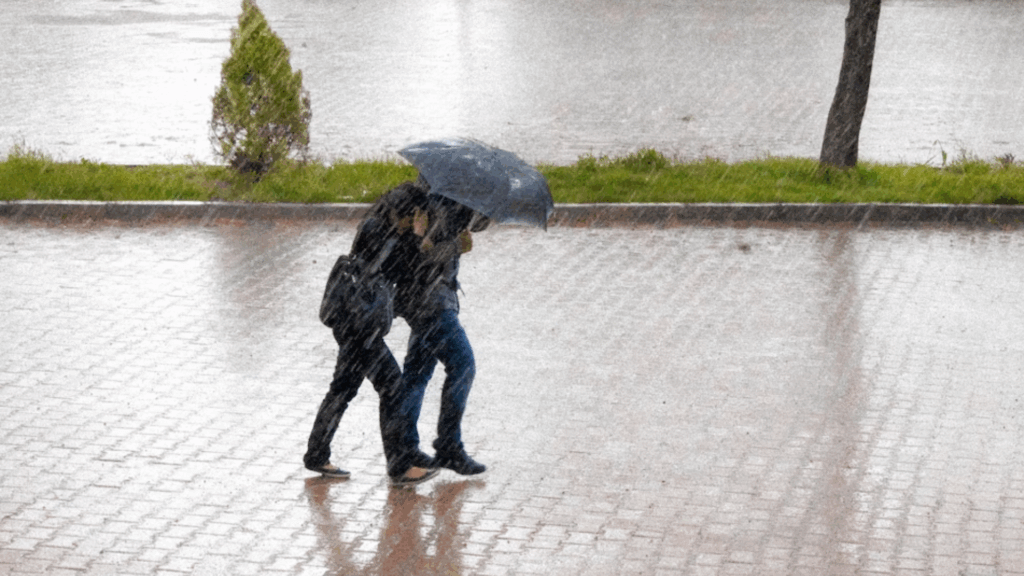
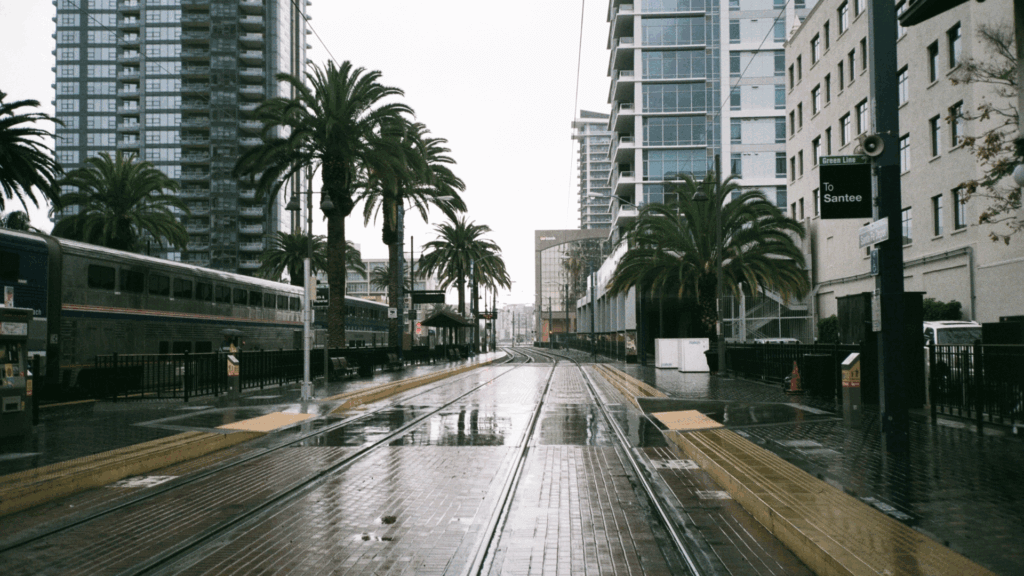
The atmospheric river storm is expected to clear by midday Friday, though some rain showers may continue Friday afternoon into early Saturday. National Weather Service forecasters predict a 75% chance that many coastal locations will receive at least half an inch of rain. Mountain areas could see even more precipitation falling as snow at higher elevations. San Diego County is providing free sandbags at fire stations to help residents protect against potential flooding and runoff.
Wildfire Risk Reduction
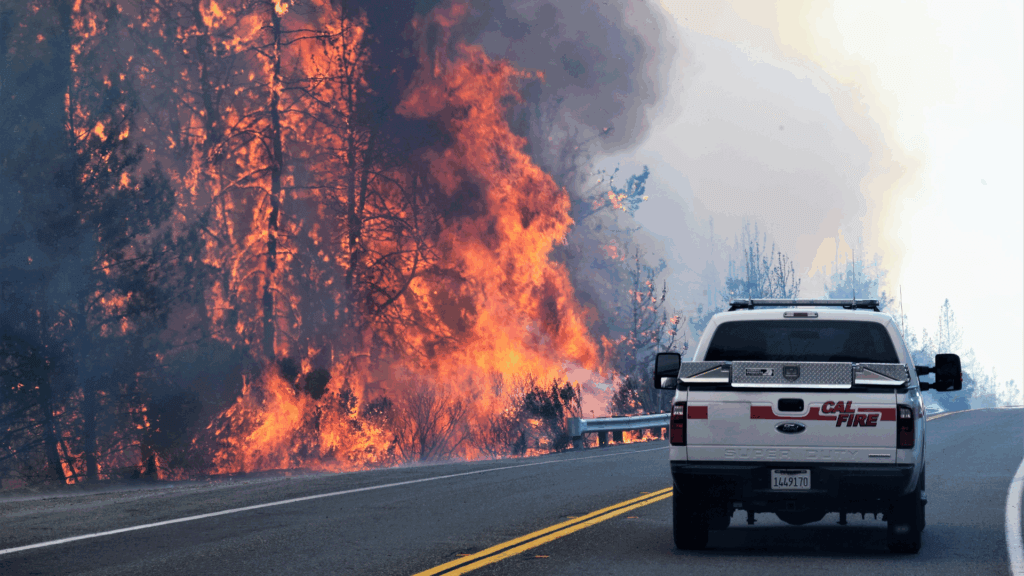
Beyond filling reservoirs, this rainfall brings important wildfire benefits. Scripps Institution of Oceanography climatologist Julia Kalansky notes that research shows about a third of an inch of rain over three days significantly reduces wildfire risk in Southern California. The incoming storm could easily exceed this threshold, offering crucial fire protection during a time when dry vegetation poses ongoing danger. This moisture helps dampen fuels and creates a safer environment heading into winter.
Reservoir Storage Matters
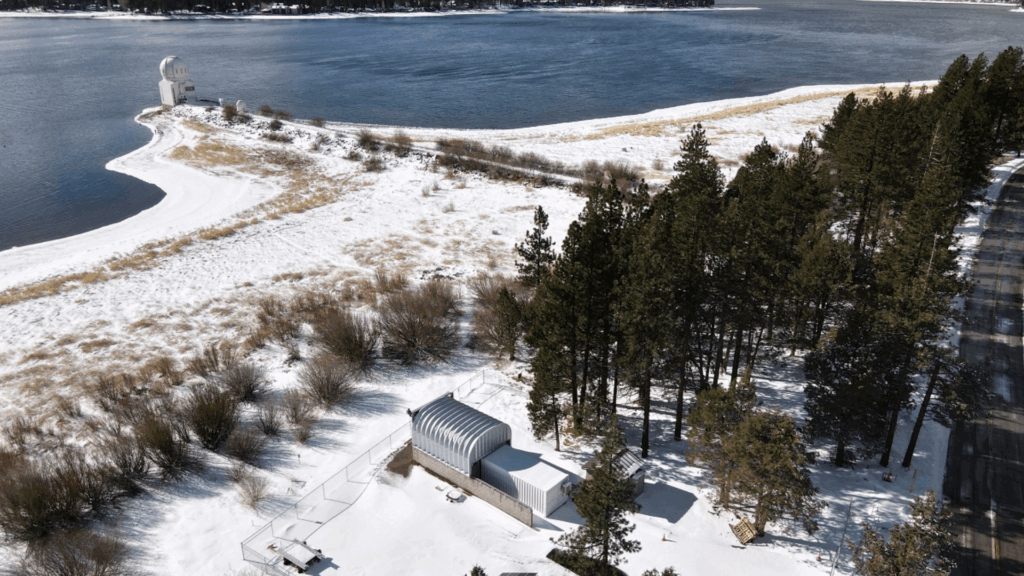
When snowpack develops and rain falls on moistened soil, more water reaches reservoirs where it’s needed most for long-term storage. This stored water supplies communities throughout the year, especially during the dry summer months. Early-season precipitation like this atmospheric river helps maximize how much water gets captured rather than simply absorbed by parched ground. Every storm that fills reservoirs provides insurance against future dry periods and helps meet the region’s growing water demands.
Looking Ahead
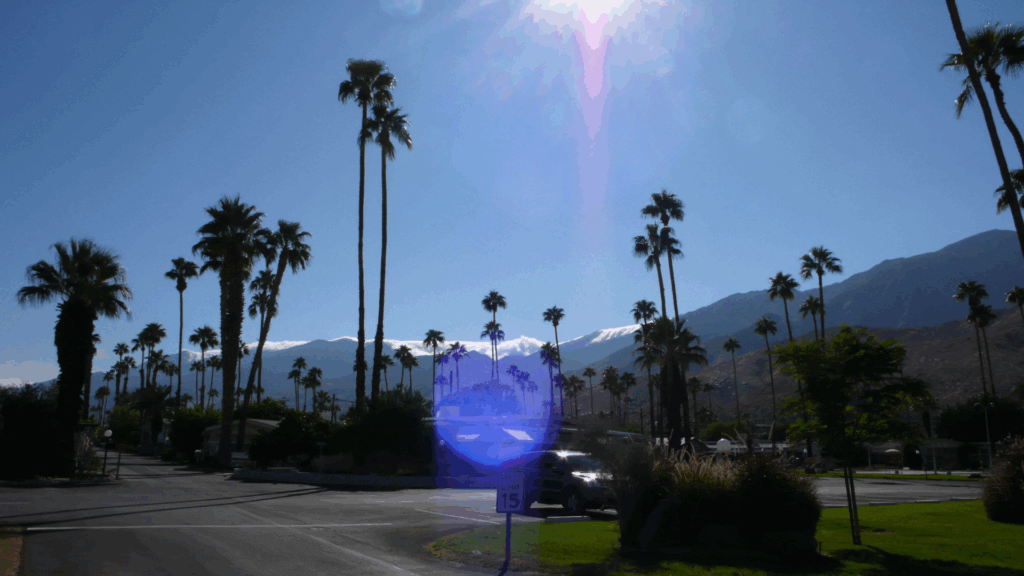
While this atmospheric river provides welcome moisture, it likely represents an exception in what forecasters expect will be a drier-than-normal winter. One significant storm doesn’t guarantee a wet season ahead. Water managers and residents should prepare for continued dry conditions while appreciating any precipitation that does arrive. The coming months will reveal whether additional atmospheric rivers develop or if La Niña’s drying influence dominates Southern California’s winter weather patterns.
Taking What We Get
This atmospheric river reminds us how California’s water supply depends heavily on winter storms. Though forecasts point toward a drier season overall, each storm matters tremendously for the region’s water future. The combination of reservoir storage, wildfire risk reduction, and soil moisture makes every drop valuable. As the storm moves through, San Diego County residents should stay weather-aware while recognizing this precipitation’s importance for the water year ahead.