

Products are selected by our editors, we may earn commission from links on this page.
A sweeping shift in public sentiment has transformed the rapid expansion of artificial intelligence from a celebrated corporate tech boom into a volatile, multi-billion-dollar public relations crisis. Across the United States, grassroots communities are mounting an aggressive pushback against the physical infrastructure required to power advanced algorithms, citing severe concerns over environmental degradation, localized resource strain, and systemic job disruption. This rising friction between Silicon Valley executives and everyday citizens has effectively slammed the brakes on critical infrastructure, triggering massive financial consequences for the tech sector.
The economic fallout from this nationwide resistance has reached historic proportions. According to a comprehensive data analysis compiled by Data Center Watch, an independent research organization tracking digital infrastructure expansion, intense local opposition successfully blocked or delayed 48 major data center projects valued at a staggering $156 billion over the past year alone. Rather than subsiding, the operational gridlock has significantly intensified, with a record 20 additional construction projects completely canceled by developers during the first quarter of 2026 due to zoning battles and public outcry.
The escalating friction has spilled far beyond standard regulatory hearings and city council debates, occasionally boiling over into overt hostility and targeted physical confrontations. Public safety agencies have documented an array of aggressive acts, including political commencement speeches shouted down by boisterous crowds, incendiary devices targeting the private residences of prominent tech executives, and live ammunition fired directly at the front doors of municipal councilmen who supported local tech re-zoning initiatives. The rapid escalation highlights an unprecedented, collective fatigue defining the domestic relationship with big tech.
The Environmental and Economic Siege on Local Utilities
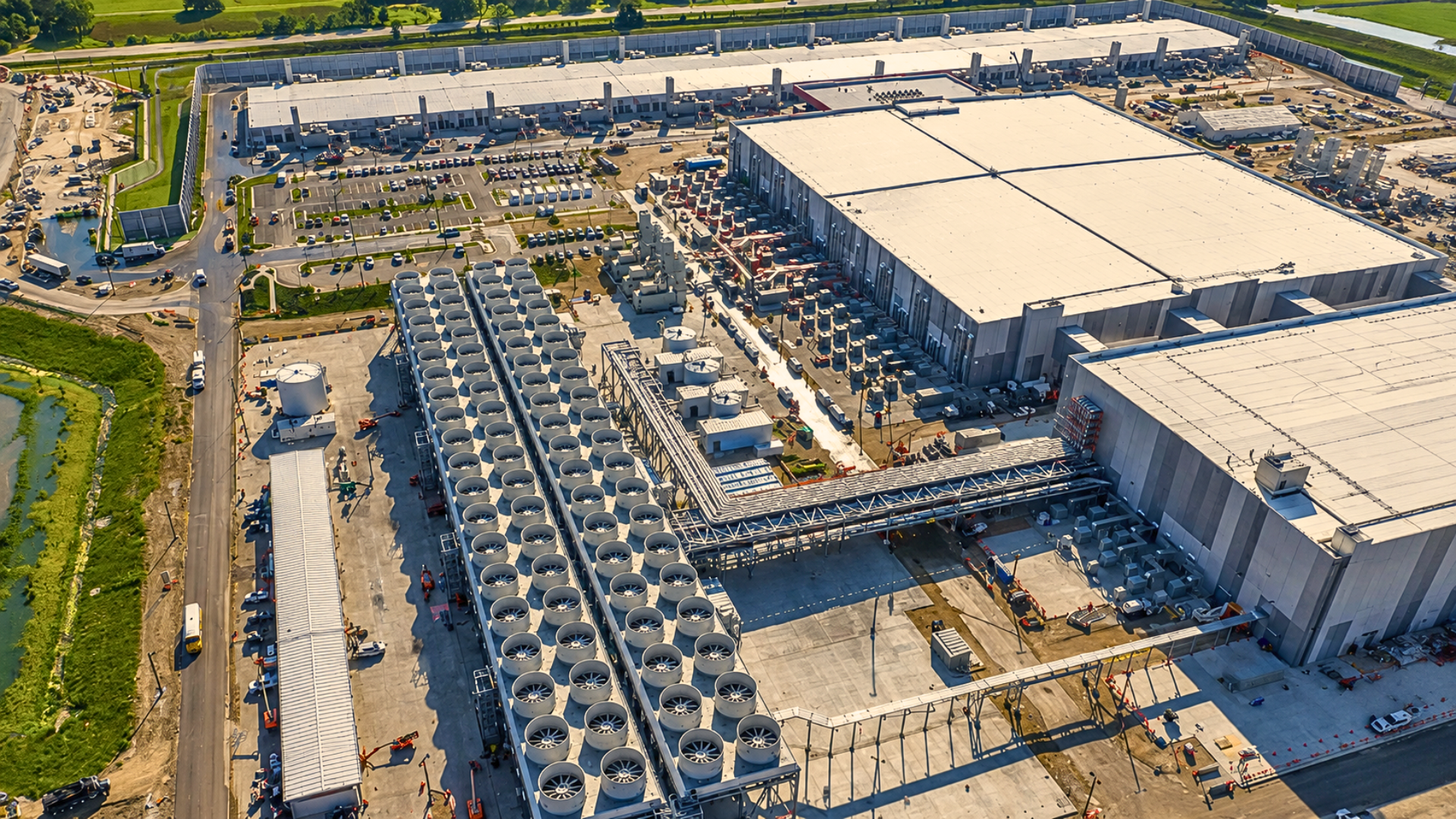
To understand the sheer intensity of the grassroots backlash, public utility analysts point to the massive, localized external costs that large-scale AI data center clusters impose on surrounding communities. Unlike standard commercial warehouses or traditional light-industrial facilities, high-performance computing centers demand an unprecedented, continuous volume of electrical power and fresh cooling water to prevent thousands of server racks from overheating. This sudden, insatiable demand is directly clashing with the stability of domestic municipal grids and local water tables.
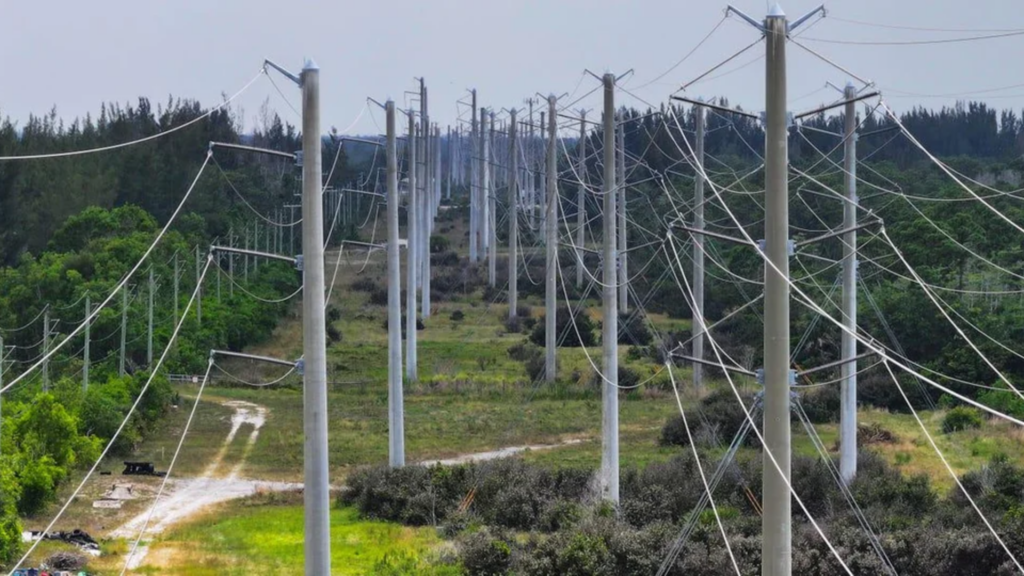
The most immediate consequence for everyday consumers is a sharp, regressive spike in residential utility bills. As tech developers aggressively secure massive tranches of localized power, regional energy providers are forced to execute expensive grid upgrades and source costly peak-load electricity to prevent widespread brownouts. In states like California, which currently houses over 300 operational data centers, working-class families are experiencing unprecedented rate hikes, fueling a widespread perception that ordinary taxpayers are being forced to subsidize the astronomical compute bills of multi-billion-dollar tech conglomerates. “People just feel like they’re under siege,” Senator Josh Hawley stated during a formal congressional briefing tracking tech expansion, highlighting the widespread anxiety shared by constituents.
Beyond the direct financial strain of energy inflation, the staggering environmental footprint of these digital fortresses has united traditional conservationists and rural homeowners into a cohesive defensive front. Massive cooling towers can consume millions of gallons of fresh water daily, threatening delicate local aquifers in drought-prone Western states. Furthermore, the constant, low-frequency acoustic drone emitted by heavy industrial cooling fans has decimated property values in adjacent suburbs, transforming peaceful residential zones into noisy, industrial corridors.
Shifting Public Sentiment Paralyses Silicon Valley Expansion
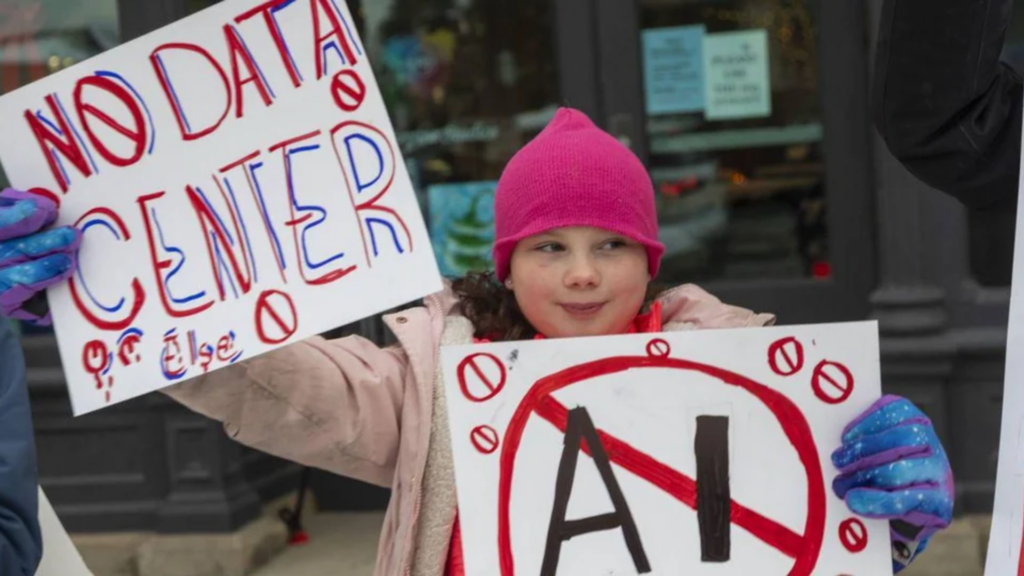
National polling metrics reveal that the timeline of American public opinion regarding artificial intelligence has shifted at an unprecedented velocity, moving from initial curiosity to deep-seated hostility in record time. In recent surveys, a majority of registered voters expressed a firm belief that the systemic societal risks associated with unchecked AI development far outweigh any simulated commercial benefits. This collective skepticism is no longer confined to digital message boards; it has successfully organized into a potent electoral force capable of rewriting local laws.
This grassroots political muscle was felt sharply in the suburban outskirts of St. Louis, Missouri, where furious voters successfully organized a recall campaign to oust a long-standing city councilor who had championed a major data center site-selection project against the wishes of the neighborhood. Similarly, lawmakers in Maine responded to mounting constituent pressure by introducing sweeping state-level legislation designed to implement a comprehensive, statewide moratorium on all new commercial data center construction until independent environmental impact frameworks can be legally established.
Faced with a complete paralysis of their expansion pipelines, major artificial intelligence developers are spending hundreds of millions of dollars ahead of the upcoming midterm elections to combat the political headwinds. Tech lobbying coalitions are funneling vast resources into targeted media campaigns designed to frame data centers as vital engines of national security and domestic economic competitiveness. However, political strategists note that slick corporate marketing is struggling to overcome the deeply personal anxieties of voters who directly associate the technology with corporate downsizing and the erosion of local resource autonomy.
Navigating the Future of Digital Governance and Public Trust
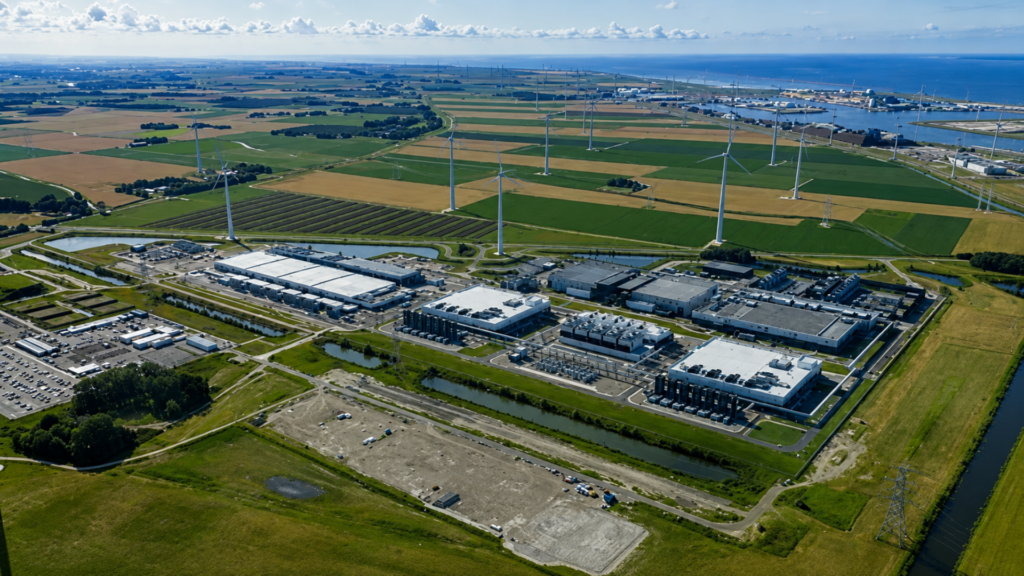
The unfolding $156 billion infrastructure standoff underscores a permanent, structural debate regarding how the United States will manage the physical reality of the digital age. Senior tech executives, including OpenAI’s Chris Lehane, have publicly pushed back against the localized resistance, frequently blaming negative media narratives and tech-skeptic groups for artificially inflating community fears. Yet, industry analysts caution that dismissing legitimate public grievances as mere alarmism will only deepen the ongoing public relations crisis, completely undermining the industry’s long-term commercial goals.
The core issue of the current conflict centers on a fundamental question of civic fairness: who should bear the heavy external costs of technological progress? When local communities realize that a proposed data center will permanently strain their water supplies, inflate their electricity rates, and generate minimal long-term local employment after the initial construction phase, the project ceases to be a simple commercial asset. It transforms into a high-stakes public governance crisis that requires transparent, verifiable standards and genuine community consensus to resolve.
The record-breaking cancellation of 20 major data center projects in early 2026 serves as a clear warning to Silicon Valley that the era of unfettered, top-down expansion has reached its limit. Building the infrastructure of the future will require tech companies to move past opaque developer decks and actively earn the trust of the communities they occupy. Until the industry introduces transparent rule frameworks that successfully insulate everyday citizens from energy inflation and environmental damage, the battle over America’s cornfields and suburbs will remain an incredibly expensive bottleneck.