

Products are selected by our editors, we may earn commission from links on this page.
Remember when getting ready for bed meant brushing your teeth and turning off the light? Now there are sleep scores to check, magnesium to take, screens to banish, white-noise machines to switch on and meticulously timed routines to complete. This push to optimize every minute of rest has earned a name: sleepmaxxing. But sleep specialists are seeing an uncomfortable twist. When the pursuit of perfect sleep becomes another nightly performance review, all that effort can make falling asleep harder than ever.
Your Watch Can Turn Sleep Into a Report Card
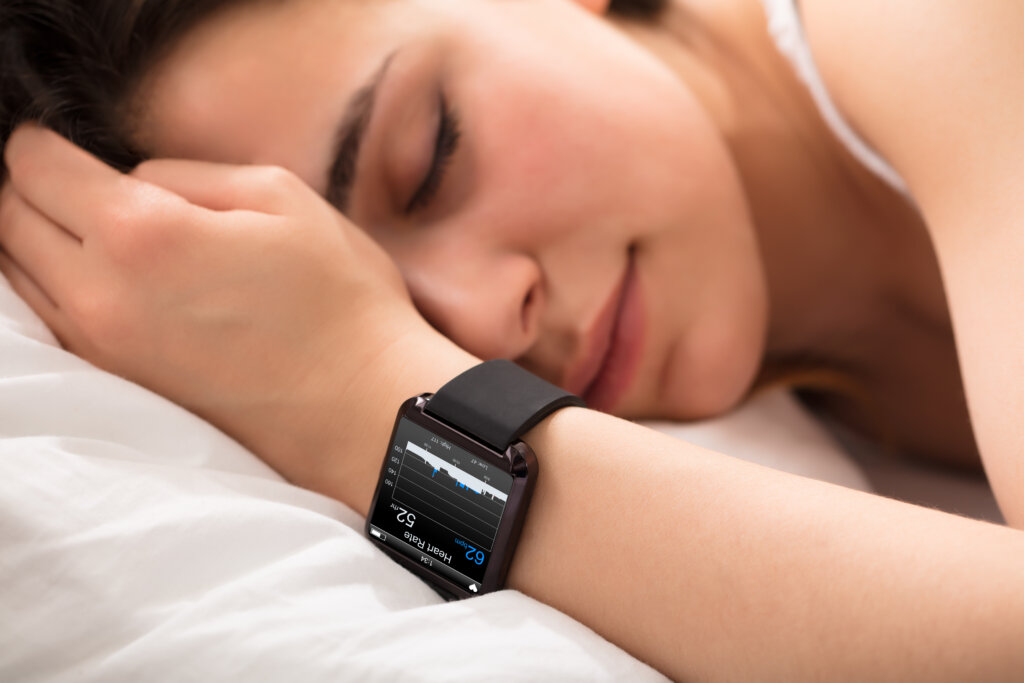
Fitness trackers transformed something you once judged by “I feel rested” into charts of REM, deep sleep, awakenings and an ominous score waiting each morning. Dr. Alanna Hare, a consultant in sleep medicine at London’s Royal Brompton Hospital, told the BBC there is no scientifically recognized universal “sleep score.” Different manufacturers create their own. Hare has encountered patients arriving with tracker data and fears about their sleep despite reassuring medical testing. Suddenly, an 82 can feel like success and a 62 like you failed at sleeping.
A Bad Score Can Ruin a Perfectly Good Morning

The psychological effect can start before your feet hit the floor. In a University of Oxford study described by the BBC, participants received randomized sleep scores unrelated to how they had actually slept. Those who were falsely told they slept poorly subsequently reported greater fatigue and lower mental alertness. London HR professional Jess Hill experienced a similar trap with her Garmin, saying she once treated its verdict like her “Bible.” She eventually noticed glaring mismatches, including a night when the watch praised her sleep despite her being awake for four hours.
There Is a Name for Chasing Perfect Sleep
Take optimization far enough and it can become orthosomnia, a term used for an unhealthy fixation on getting ideal sleep. It is not formally recognized as a condition in the UK, but doctors interviewed by the BBC say they have seen the pattern in patients. Sleep expert Dr. Neil Stanley argues that tracking can effectively gamify rest: once people receive a number, they have a target, and that target gives them something else to worry about. The cruel irony is obvious. You are lying awake worrying about how well you are sleeping.
Your Body Clock Does Not Need a 12-Step Nightly Ritual
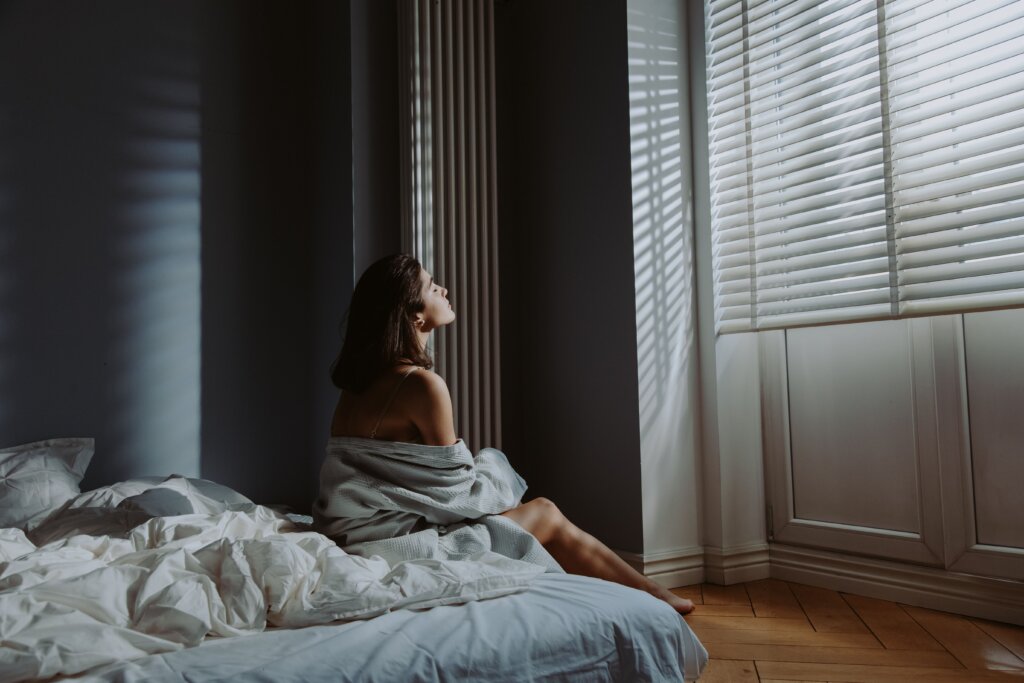
The fundamentals are far less glamorous. Your circadian rhythm is an internal roughly 24-hour clock influencing sleepiness, alertness, hormone release, body temperature and appetite. Light is one of its strongest cues. Morning brightness helps push the clock toward wakefulness, while darkness helps prepare the body for sleep. Meal timing, exercise and consistent bed and wake times also matter. When a schedule has drifted badly, Sleep Foundation recommends moving it gradually, by an hour or less each day, rather than attempting a dramatic overnight reset.
The Boring Advice Is Still Doing Heavy Lifting
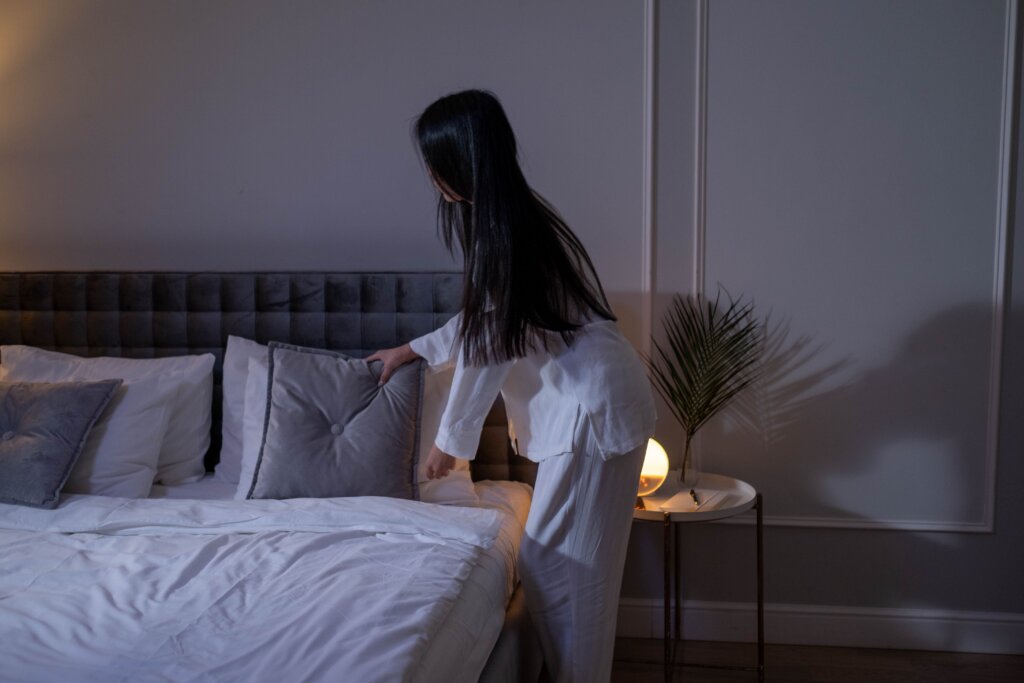
Good sleep hygiene sounds almost suspiciously ordinary: keep reasonably consistent hours, get daylight, exercise regularly and make the bedroom comfortable and quiet. Healthline also recommends limiting late caffeine and alcohol, avoiding heavy meals shortly before bed and reducing bright screens at night. Hare makes the bedroom advice refreshingly forgiving. It does not need to be exactly 16°C, completely silent and pitch black. “Coolish, darkish and quietish” is enough. That is a radically different philosophy from treating bedtime like a laboratory experiment.
Even Catching Up on Sleep Can Become Another Trap
Once sleep becomes a numbers game, more can start looking automatically better. It isn’t that simple. General guidance cited by WebMD recommends seven to nine hours for adults under 65 and seven to eight for adults over 65, although individual needs vary. Regularly sleeping more than nine hours can also accompany conditions such as sleep apnea, depression, chronic pain and hypothyroidism. That makes persistent oversleeping something to investigate, not necessarily evidence that someone has achieved elite-level recovery.
More Hours Do Not Automatically Mean a Sharper Brain
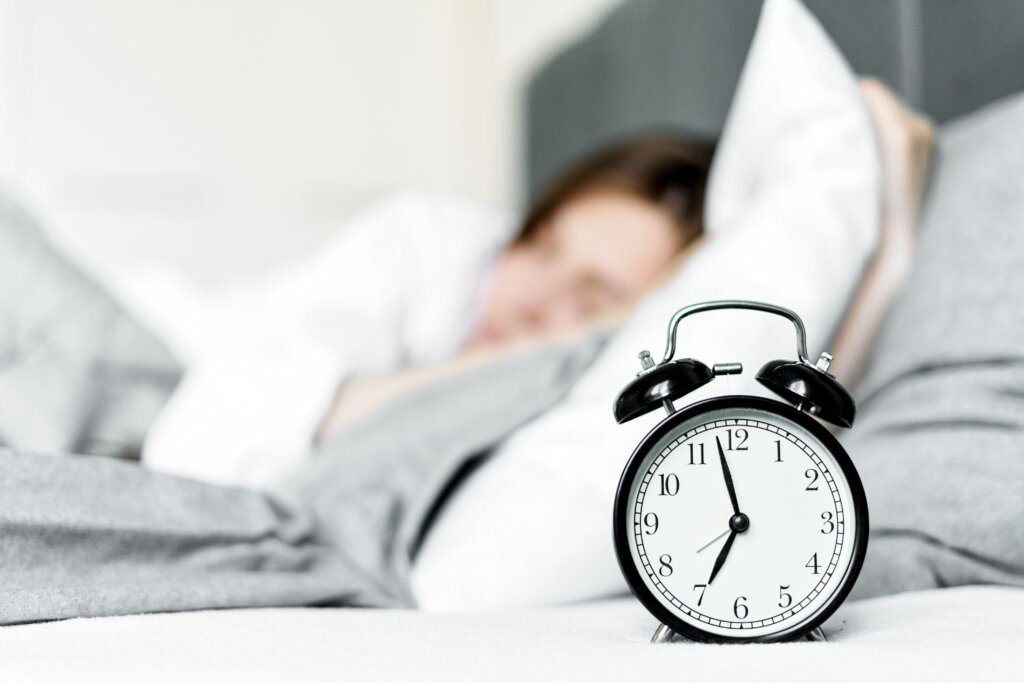
A study involving more than 10,000 people found an interesting middle ground. Participants reporting roughly seven to eight hours of typical nightly sleep performed better overall on cognitive testing than people reporting either less or more. Reasoning and verbal abilities showed the clearest relationship, while short-term memory did not. But the study relied on self-reported sleep, and even commenters discussing the research highlighted an important caution: long sleep may sometimes reflect an underlying health problem rather than cause poorer health or cognition itself.
Sometimes the Problem Is Not Your Routine

If you are following sensible habits and still routinely wake exhausted, adding another sleep hack may miss the point. Persistent sleep problems can signal something worth discussing with a healthcare professional. WebMD notes that excessive sleep can accompany untreated sleep apnea, depression, chronic pain, hypothyroidism, medication effects and other issues, while Healthline recommends seeking medical help when sleep trouble persists despite behavioral changes. In other words, a lavender spray and a better bedtime playlist cannot diagnose what is actually disrupting your nights.
The Next Sleep Trend Might Be Doing Less

Sleep technology is not disappearing, and tracking can still provide information people find useful. The bigger question is whether the data remains a tool or starts running the night. Hare’s prescription is strikingly unmarketable: morning light, some exercise, a sensible diet and a bedroom that is comfortable enough. Above all, she advises keeping things simple. As sleepmaxxing pushes bedtime toward ever more measurements and rituals, that may become the most countercultural sleep strategy of all: stop trying to win at it. Just go sleep.