

Products are selected by our editors, we may earn commission from links on this page.
Major US airlines are increasing checked baggage fees as surging jet fuel prices squeeze operating margins. The spike in fuel costs, driven by global supply disruptions, has forced carriers to find new revenue streams without dramatically raising base fares.
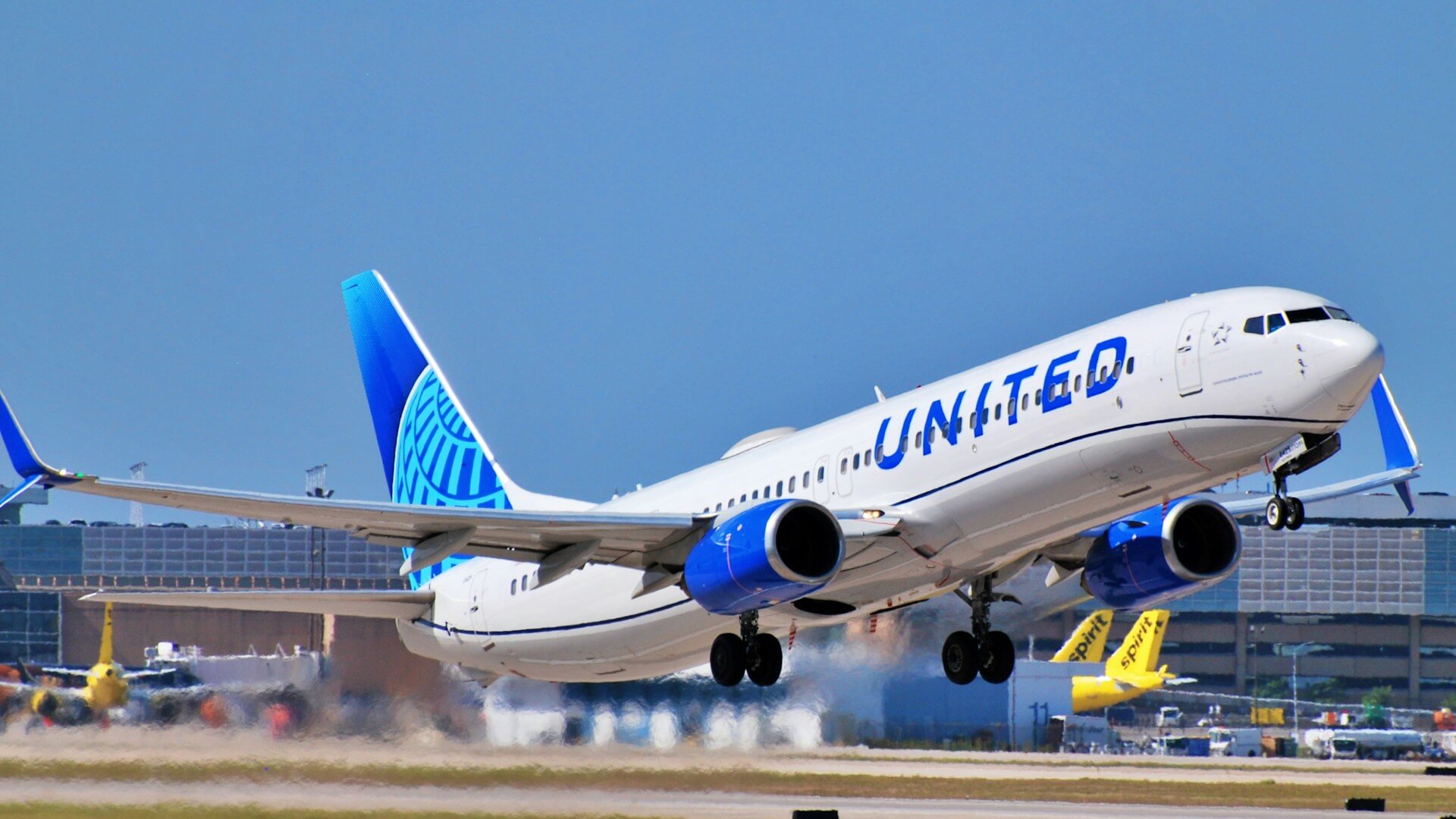
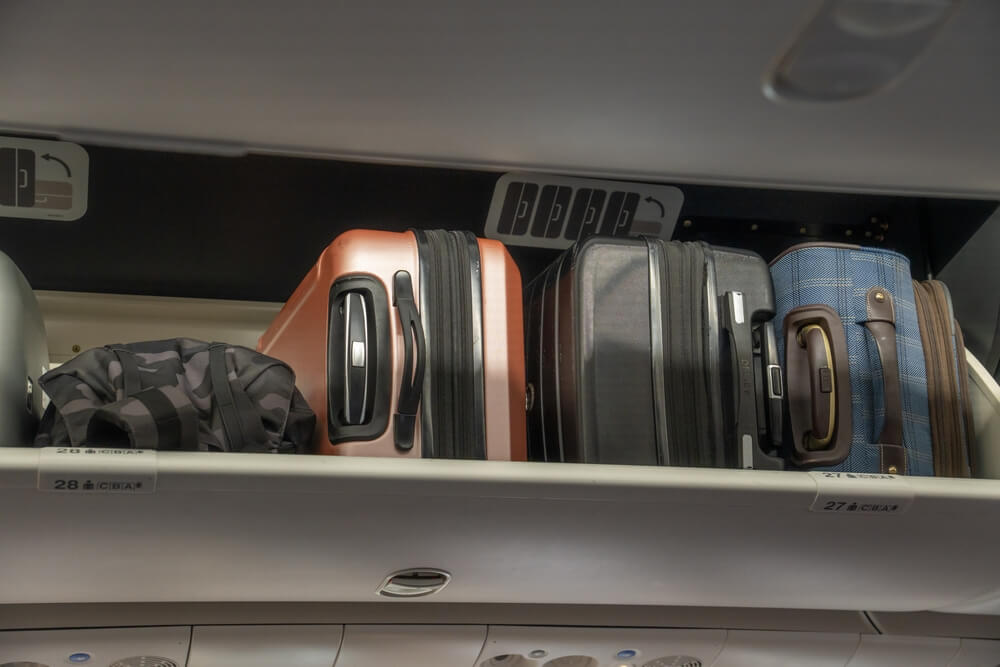
United announced a $10 increase for checked bags, with the first bag now costing $45 and the second $55 on most North American routes. The airline noted this is its first baggage fee hike in two years, underscoring the severity of current cost pressures.
JetBlue implemented similar changes, raising its first checked bag fee to at least $39 and the second to $59. Additional surcharges apply for bags checked within 24 hours of departure, reflecting the airline’s effort to offset escalating fuel expenses.
Fuel Prices Are Driving Industry-Wide Changes
Jet fuel is typically one of the largest expenses for airlines, second only to labor. Recent geopolitical tensions have disrupted oil supplies, pushing jet fuel prices sharply higher and increasing operational costs across the aviation sector.
In response, airlines are adopting a “pay-for-what-you-use” pricing strategy, shifting more costs to optional services like baggage. This approach allows carriers to keep advertised ticket prices competitive while still recovering expenses from travelers who utilize additional services.
Industry analysts note that such ancillary fees have become a crucial revenue stream. As fuel prices remain volatile, passengers can expect continued adjustments not only to baggage fees but also to seat selection, fare classes and other add-ons.
What Travelers Can Expect
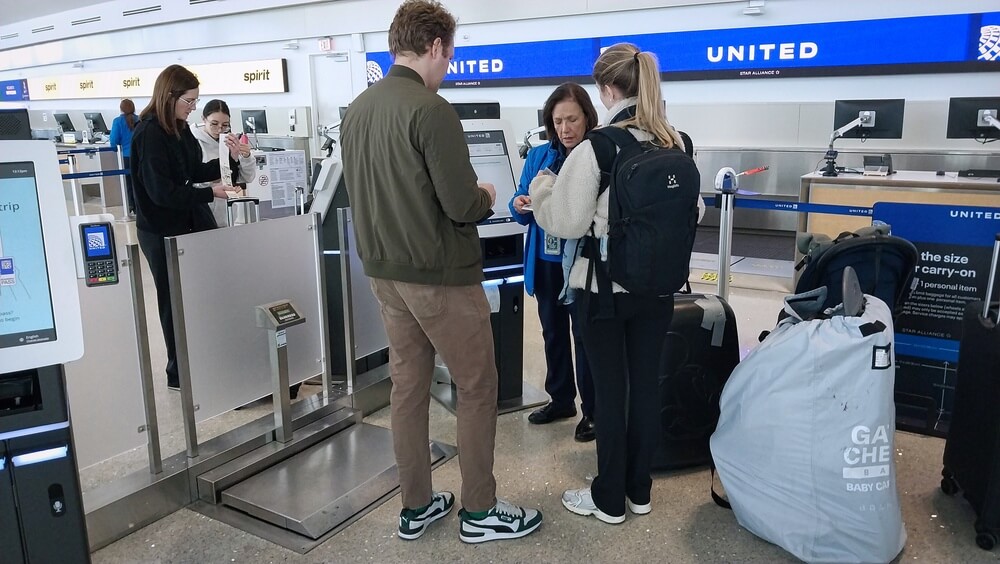
Despite the fee increases, some passengers will continue to receive complimentary checked bags. United, for example, maintains free baggage allowances for premium cabin travelers, loyalty program elites, active military personnel and co-branded credit card holders.
JetBlue has also emphasized that its fee adjustments target optional services rather than base fares, aiming to preserve affordability for budget-conscious travelers. However, the cumulative effect of add-on charges may still raise the overall cost of flying.
Travelers are encouraged to check airline policies before booking and consider strategies such as packing light, using airline credit cards or purchasing fares that include baggage to avoid unexpected expenses.
A Sign of Broader Industry Trends
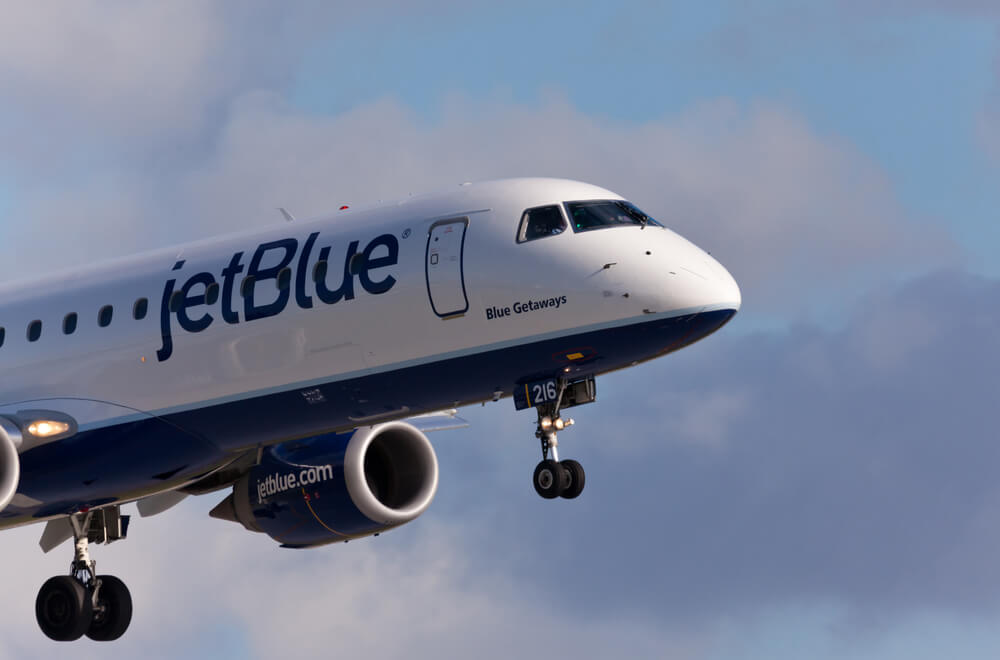
The baggage fee hikes by JetBlue and United reflect a broader shift in the airline industry as carriers navigate economic uncertainty and rising operational costs. Similar measures, including fuel surcharges and fare restructuring, are being adopted globally.
United is also introducing tiered premium fare options, offering varying levels of flexibility and perks at different price points. This move further illustrates how airlines are diversifying revenue streams while adapting to changing market conditions .
As fuel prices remain unpredictable, travelers should anticipate continued pricing adjustments across the aviation sector. For now, packing efficiently and staying informed may be the best ways to keep travel costs under control.