


Products are selected by our editors, we may earn commission from links on this page.

Self-checkout promised faster lines and fewer costs, but the opposite happened. Retailers are now facing mounting losses and customer frustration. Target, Kroger, Aldi, and others are scaling back or removing kiosks altogether. Theft rates are skyrocketing—up to 16 times higher than with cashiers. What began as a futuristic cost-saver has turned into a $3 billion problem shaking the retail industry from top to bottom.
The Hidden Cost Behind the Screens

According to the National Retail Federation, shoplifting has surged 93% since 2019. Grabango reports that theft happens in 6.7% of self-checkout transactions versus just 0.32% at staffed lanes. Retailers once saw self-checkout as efficient automation—but it’s now synonymous with shrinkage and loss. Each beep and bag scan hides a deeper crisis that’s reshaping how major stores think about customer trust and operational control.
Target’s Fast Retreat from Automation

Target was among the first to hit the brakes. In March 2024, the retailer limited self-checkout to customers with ten items or fewer. Though it claimed the move improved speed by 8%, it came after $500 million in theft-related losses. Some stores have scrapped kiosks entirely. The change signaled that convenience can’t outweigh accountability—and other chains began taking note soon after.
Kroger’s Abandoned “All-Self” Store
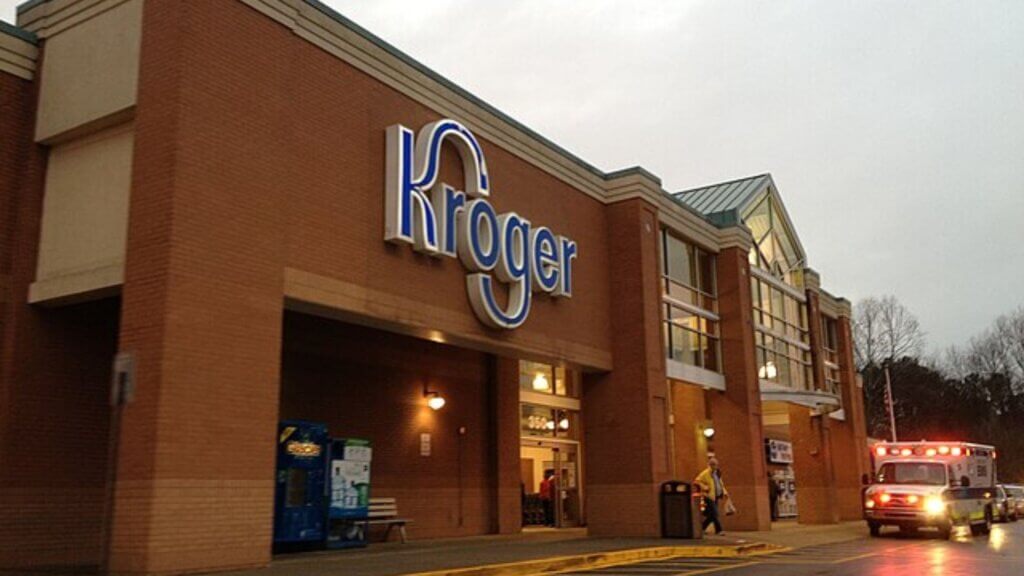
Kroger’s bold Dallas experiment—a store run entirely on self-checkout—quietly ended after three years. Frequent malfunctions, frustrated customers, and growing shrink costs doomed the project. The grocer restored staffed lanes after feedback revealed shoppers missed human help. What began as a high-tech trial became an example of how innovation can backfire when practicality and customer experience fall by the wayside.
Aldi and Dollar General Pull the Plug
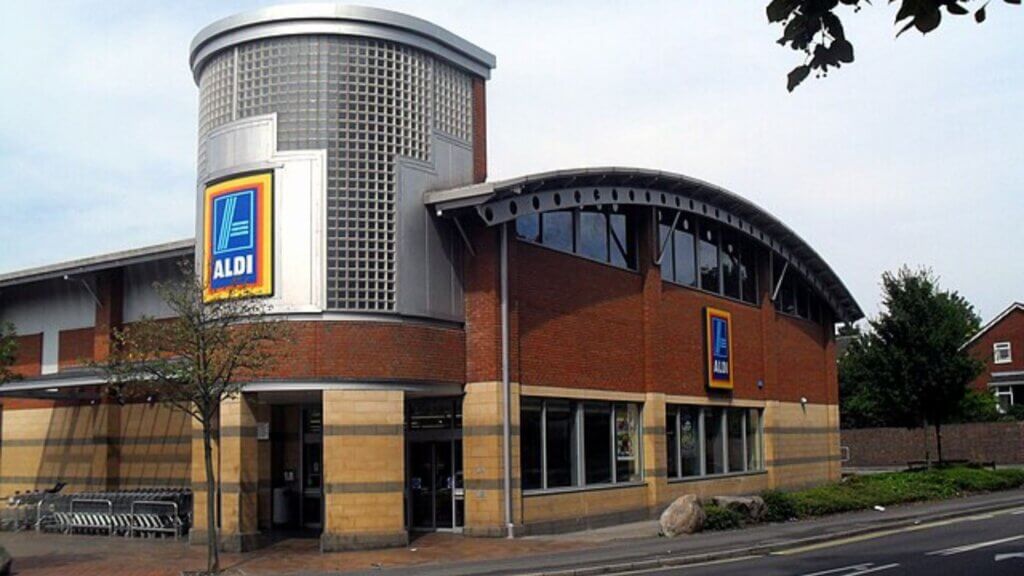
Aldi’s minimalist model clashed with complex kiosks. Shoppers complained of delays and limited lanes, and Reddit users noticed stores quietly removing machines. Dollar General made an even bolder reversal—ripping out self-checkouts from over 12,000 locations. CEO Todd Vasos admitted “shrink” was their biggest issue. These decisions marked a collective industry awakening: the promise of automation wasn’t matching the real-world math.
Walmart Scales Back, Sees Safety Gains
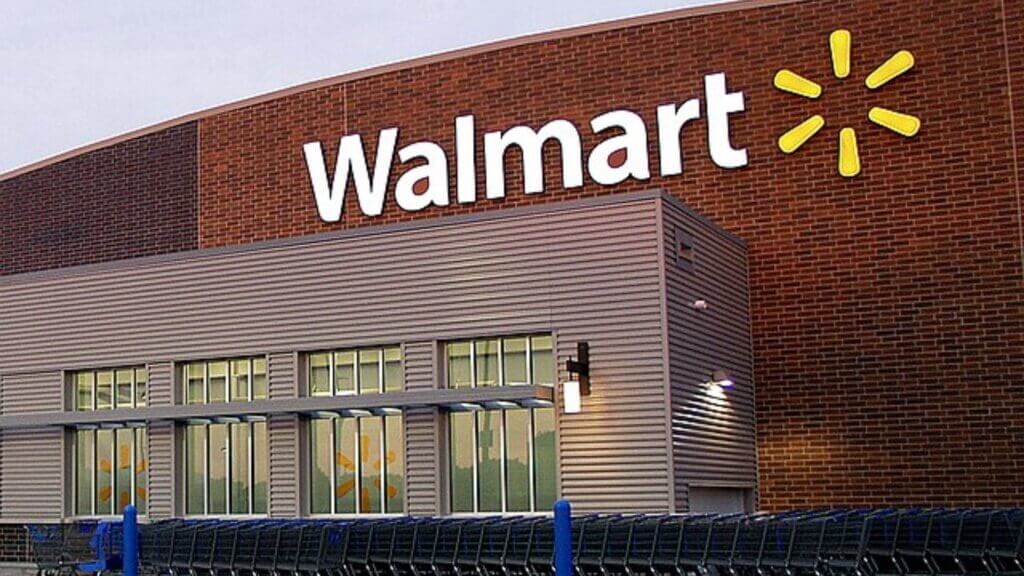
Even Walmart, once a champion of automation, has started dialing back. Some stores in Missouri, Ohio, and New Mexico removed kiosks after noticing fewer police calls and theft incidents. At one Missouri Supercenter, crime reports dropped by 64% post-removal. Walmart maintains this isn’t a national policy, but a localized shift reflecting customer sentiment and community safety data that’s hard to ignore.
The $3 Billion Industry Dilemma
Research from trusted sources like Persistence Market Research and Mordor Intelligence values the self-checkout market at $5.6 billion, projected to grow to $8.4 billion by 2028. Yet losses tied to theft and maintenance could wipe out $3 billion in potential value. What was meant to revolutionize retail is now eroding profit margins. The message is clear: growth charts don’t always tell the full story—especially when innovation collides with human behavior.
Shoppers and Staff Want the Human Touch
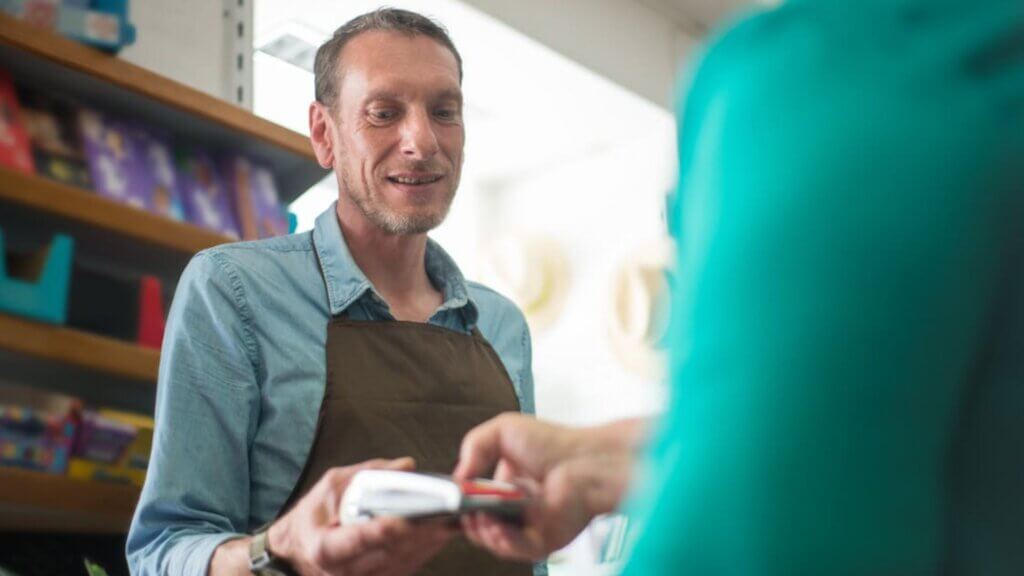
“Unexpected item in the bagging area” has become a meme of modern irritation. Many shoppers feel self-checkout forces them to do unpaid labor while dealing with glitches and judgmental scanners. Retailers like Target and Five Below are adding more staffed lanes and hybrid systems. For customers, the shift back to people isn’t nostalgia—it’s relief from a system that made them feel more like employees than shoppers.
The Global Pushback Against Automation

The backlash isn’t confined to the U.S. UK grocer Booths removed self-checkouts in 26 of 28 stores, reporting lower theft and happier customers. Similar decisions are emerging across Europe and Canada as retailers balance technology with service quality. The global takeaway? Automation might enhance convenience—but not when it erodes the sense of trust and connection that keeps customers coming back.
The Human Comeback

The self-checkout retreat proves that retail still runs on human trust. Machines can process transactions, but they can’t build relationships or resolve chaos. From Target to Booths, the message is spreading: the future of shopping isn’t about replacing workers—it’s about blending tech and empathy. The $3 billion lesson for retailers everywhere is simple: human connection remains their most valuable asset.