

Products are selected by our editors, we may earn commission from links on this page.
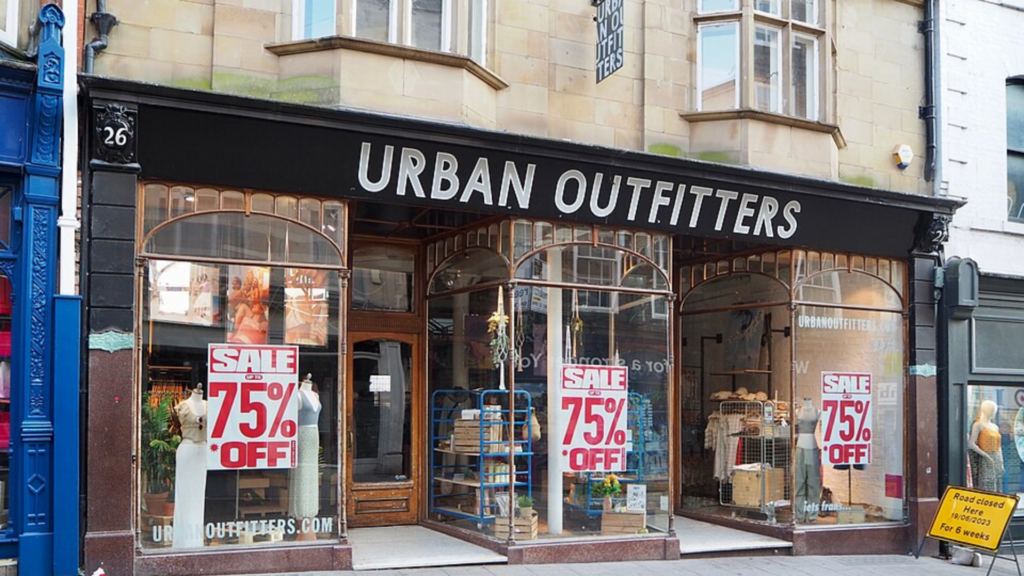
A retailer closing stores usually signals trouble, but Urban Outfitters’ latest numbers tell a more complicated story. The company closed six locations across its brand portfolio in the six months ending July 31, 2026, even as it simultaneously opened 23 new stores during that same stretch. Behind the closures sits a company reporting record sales and profits, not a retailer quietly shrinking toward the exits.
The Six Closures Touched Five Different Brands at Once
The six closures spread across different parts of Urban Outfitters’ brand family rather than concentrating in one single place or market. Five happened in North America: one Anthropologie, one FP Movement, two Urban Outfitters locations, and one Menus & Venues location. A single Urban Outfitters store in Europe also shut down during the same period, rounding out the total count.
For Every Store Closed, Nearly Four Opened Instead
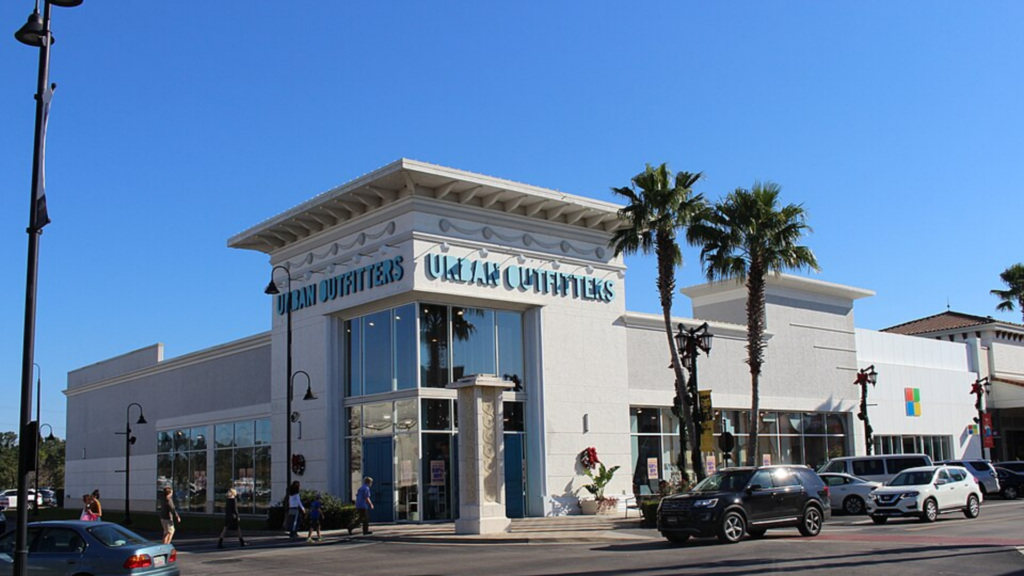
These closures represent a small fraction of a much larger store network that is still actively growing overall. Urban Outfitters opened 23 company-owned locations during those same six months, nearly four times the number it closed in the same window. That ratio suggests a company actively reshaping where it operates rather than one systematically retreating from physical retail altogether.
The Company’s Own Forecast Shows 54 New Stores Coming
Looking ahead, the company’s own guidance confirms this is a rebalancing strategy, not a broad pullback from stores. Urban Outfitters expects to close approximately 18 stores during fiscal year 2027 while opening roughly 54 new locations across its brands. That planned expansion includes 21 FP Movement stores, 12 Free People locations, 12 Anthropologie stores, and eight new Urban Outfitters locations.
A Gen Z-Focused Redesign Is Driving This Whole Shift
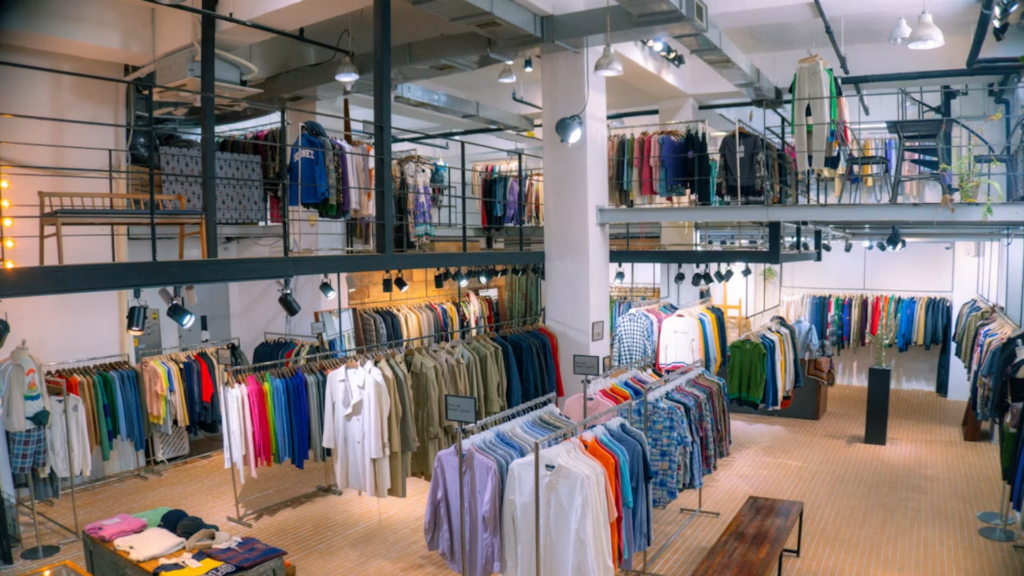
A new store concept unveiled in October 2025 explains much of this repositioning. The refreshed format features brighter, more flexible retail spaces, market-specific merchandise, and layouts tailored to local shopping habits. “This new format gives us the freedom to shape our stores around our customers, their lifestyle, and the moments that matter most to them,” said Urban Outfitters President Shea Jensen.
The Plan Balances Mall Stores Against Street-Level Locations
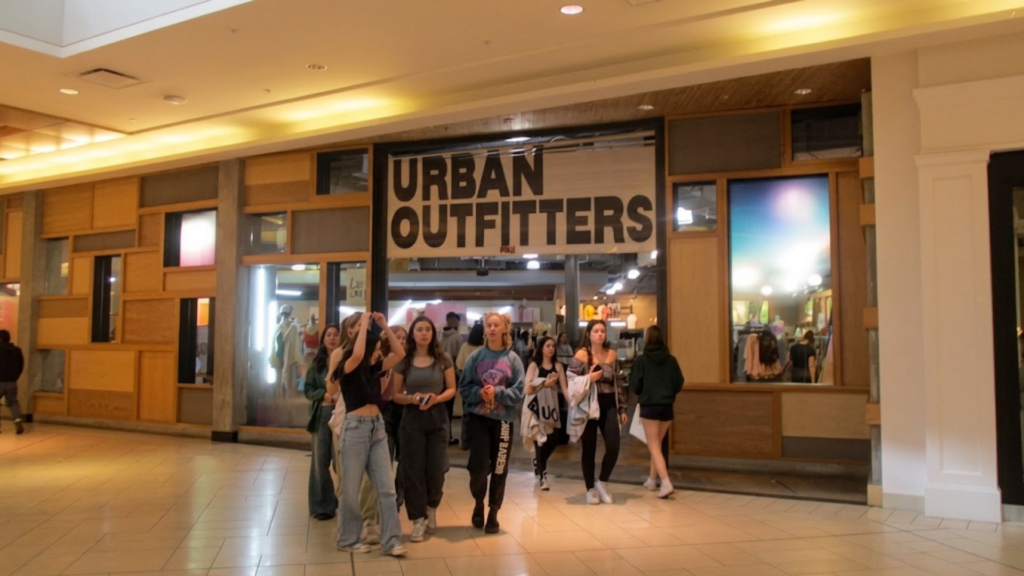
The strategy specifically balances mall locations against standalone street-level stores rather than favoring one single retail format exclusively. Urban Outfitters said this approach lets individual stores respond more directly to local customer preferences while still functioning as destinations for discovery. The company plans to expand this new store experience to additional U.S. locations throughout the rest of 2026.
Sales Jumped 10 Percent, Profit Surged 67 Percent

Financially, Urban Outfitters is not behaving like a company in retreat. Second-quarter fiscal 2027 net sales rose 10.4 percent year over year to $1.66 billion, while net income surged 67 percent to $240.7 million. “We are pleased to report our highest adjusted profit quarter in company history, marking our eighth consecutive quarter of record sales and profits,” said CEO Richard Hayne.
The Stock Still Dipped Despite the Record Numbers
Not every signal from this quarter was purely positive for the company overall, though. Adjusted earnings came in at $1.72 per share, narrowly missing analyst estimates of $1.73, and the company’s stock actually slipped in after-hours trading despite the record headline numbers. That reaction suggests investors are watching more than just top-line growth when evaluating the retailer’s overall trajectory.
Urban Outfitters Isn’t the Only Retailer Trimming Locations
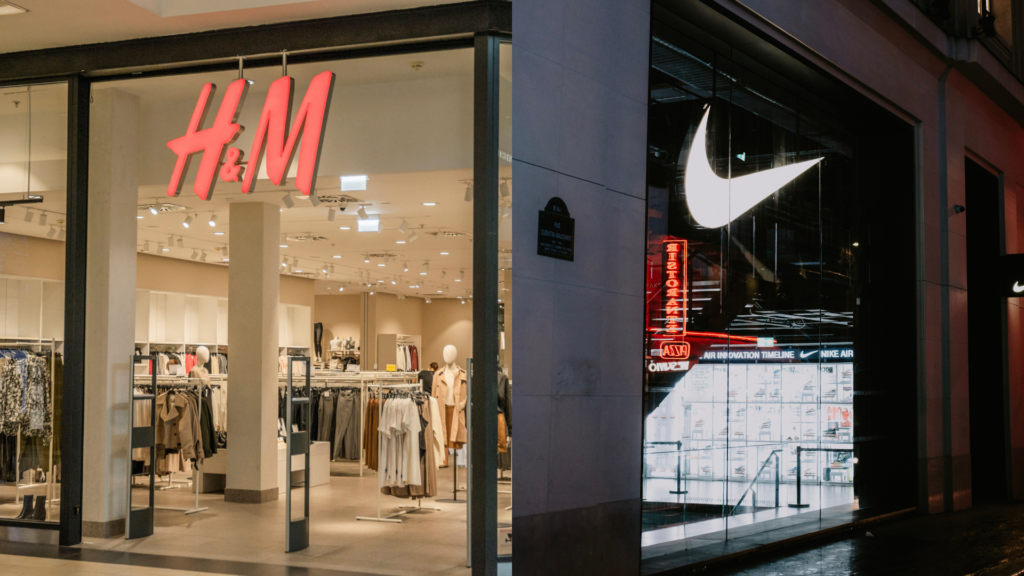
Urban Outfitters is far from alone in adjusting its store footprint this year across the retail industry. H&M closed 128 stores as of May 31, 2026, while Dick’s Sporting Goods shut 113 locations through the second quarter of fiscal 2026. Inditex closed 106 stores in the first quarter of fiscal 2025, and Nike closed around a dozen locations in July 2026 alone.
The New Retail Math Is Fewer Stores, Better Placed
Across the retail industry broadly, the strategy increasingly favors fewer, better-positioned stores over simply maximizing total location count everywhere. Urban Outfitters’ own results capture that shift clearly: a retailer closing stores in some markets, opening more in others, refreshing its retail concept entirely, and still posting record sales and profits for eight consecutive quarters running now.