

Products are selected by our editors, we may earn commission from links on this page.

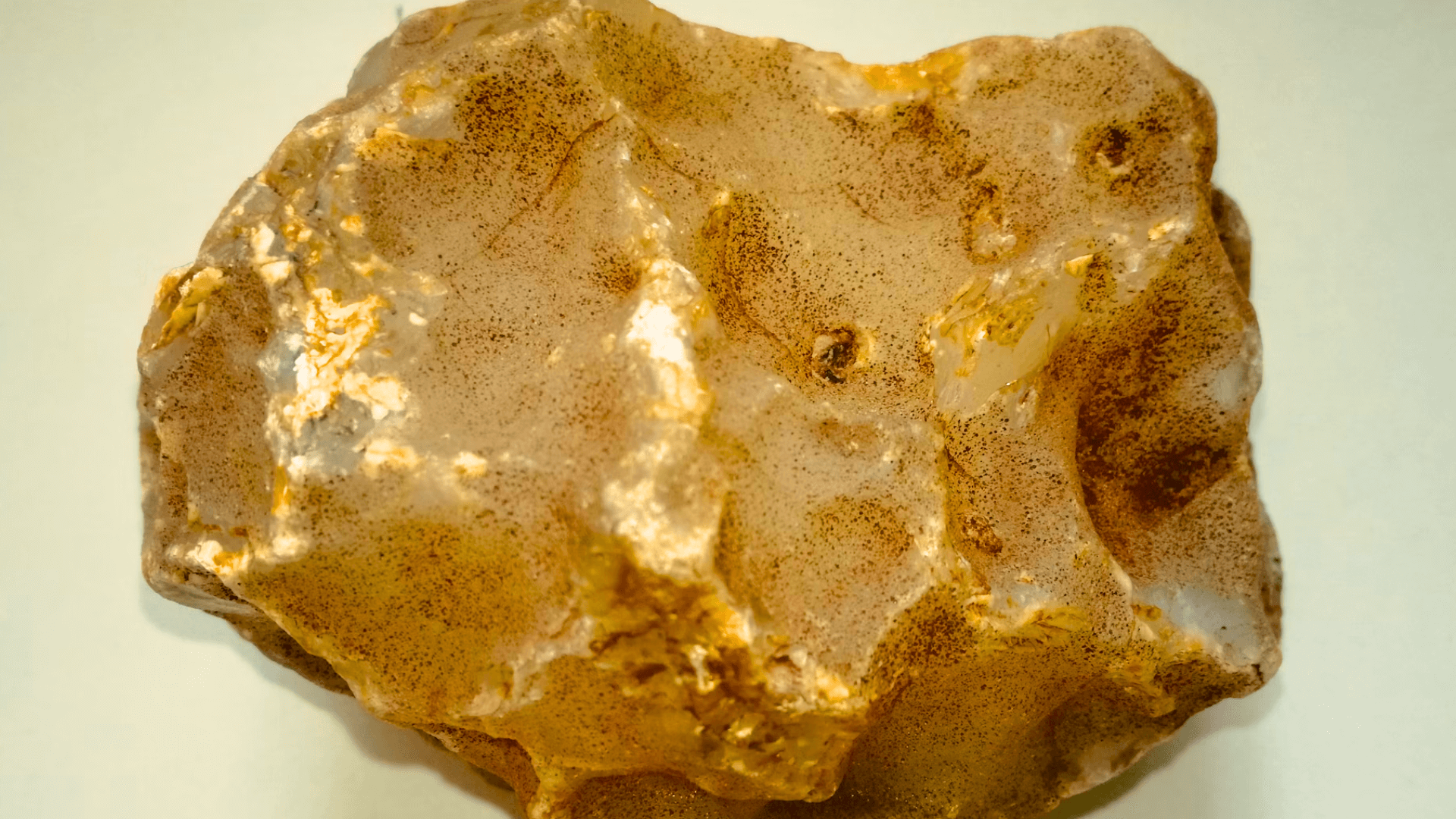
For years, an Australian man believed the unusually heavy rock he found while metal detecting was gold. The dull, lumpy object seemed promising enough to keep, but repeated attempts to extract any precious metal failed. Eventually, curiosity led him to seek expert help, and the truth turned out to be far more extraordinary than gold.
Scientists later confirmed the rock was not earthly treasure at all, but a 4.6-billion-year-old meteorite, formed during the earliest days of the solar system. Instead of striking gold, the man had unknowingly discovered a rare cosmic relic older than Earth itself.
The finding highlights how extraordinary scientific discoveries can sometimes hide in plain sight, mistaken for something ordinary, or misunderstood entirely.
A Misidentified Treasure Turns Out to Be Cosmic

The rock was found in Victoria, Australia, in an area known for historic gold prospecting. Its unusual weight and appearance initially convinced the finder it contained gold, even though it resisted cracking, drilling, or melting.
After years of holding onto it, the man brought the specimen to experts at Museums Victoria. Tests quickly revealed it wasn’t gold-bearing rock at all, but an iron meteorite composed mainly of iron and nickel.
Researchers identified it as a rare H5 ordinary chondrite, a type of meteorite that formed when the solar system was still taking shape more than four billion years ago.
Why the Meteorite Is Scientifically Important

According to scientists, the meteorite likely spent billions of years drifting through space before crashing to Earth. Its composition offers a snapshot of the materials that existed when planets were forming.
Studies suggest the rock originated from the asteroid belt between Mars and Jupiter, where fragments from early planetary bodies continue to circulate. Its preserved structure makes it especially valuable for scientific research.
Experts note that while gold can be valuable, meteorites like this are priceless in a different way, providing clues about the origins of Earth, planets, and the solar system itself.
When Curiosity Reveals Something Bigger Than Gold

The man’s decades-long belief that he had found gold ultimately gave way to a far rarer discovery, a piece of space history older than any rock formed on Earth.
The story serves as a reminder that remarkable scientific finds can come from unexpected places, and that curiosity, patience, and expert insight can turn an ordinary-looking object into an extraordinary window into the universe.