

Products are selected by our editors, we may earn commission from links on this page.
Many Americans underestimate their economic standing compared with people in other countries, even as global data show that by many measures U.S. households are wealthier than most of the world. While daily headlines focus on rising prices, housing stress, and financial pressure, a broader look at international wealth statistics reveals how Americans compare on the global stage and why the results surprise so many people.
Why Americans Don’t Feel Wealthy
Despite living in one of the richest economies in the world, many Americans feel financially strained because of high housing costs, medical expenses, student loans, and persistent inflation. Surveys show that people often believe they need hundreds of thousands of dollars in savings just to feel secure, which shapes perceptions even when their global standing suggests relative wealth.
Global Wealth Rankings Reveal Surprises

On average, Americans rank among the wealthiest people globally, with per-capita wealth levels that place the United States near the top worldwide. These rankings often surprise readers because they contrast sharply with everyday financial stress and the common belief that most Americans are falling behind economically.
Average vs. Median Wealth in the U.S.

The United States has exceptionally high average wealth, but that number is driven upward by the country’s richest households. Median wealth, which reflects the financial position of a typical household, is much lower, helping explain why national wealth statistics often feel disconnected from personal experience.
Comparison With Other Countries
When comparing typical citizens rather than national averages, many Americans still rank above people in most other countries. Even households that consider themselves middle class by U.S. standards often possess more assets and purchasing power than large portions of the global population.
Why Perceptions Differ From Reality

Americans tend to compare themselves to higher earners or to idealized lifestyles portrayed online, which can distort perceptions of wealth. Psychological research shows that people judge their financial success relative to peers rather than global benchmarks, reinforcing feelings of financial insecurity.
The Wealth Gap and Public Opinion

Even with strong global wealth rankings, many Americans view inequality as a serious domestic issue. Public opinion reflects concern that prosperity is unevenly distributed, leading to debates over taxes, wages, and policies aimed at reducing the gap between the richest households and everyone else.
Middle Class and Economic Reality
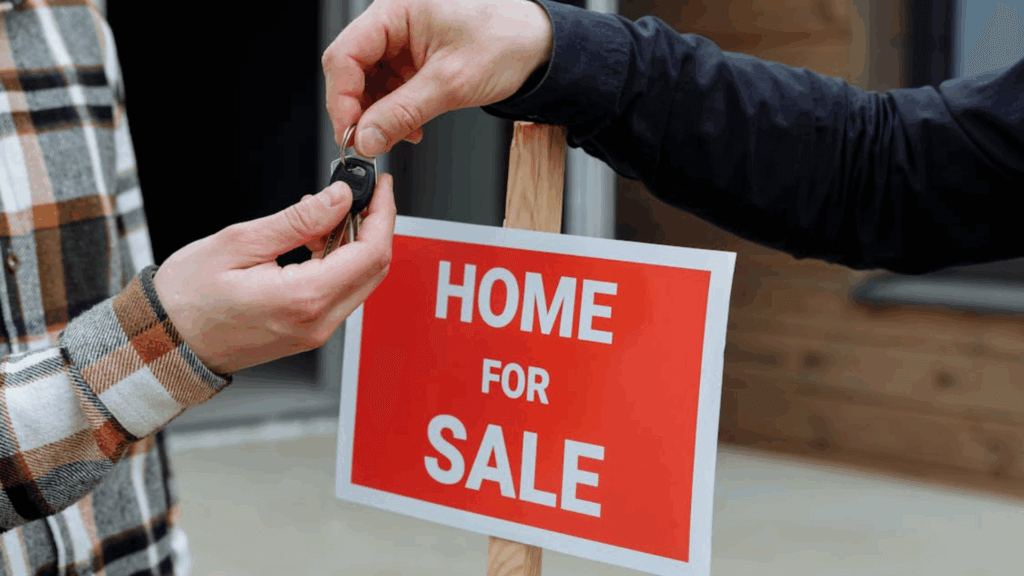
For many middle-class Americans, wealth is closely tied to long-term assets such as homeownership and retirement accounts rather than day-to-day income. This reality means that financial security often builds slowly over time, even if households appear relatively wealthy by global standards.
Global Context Matters
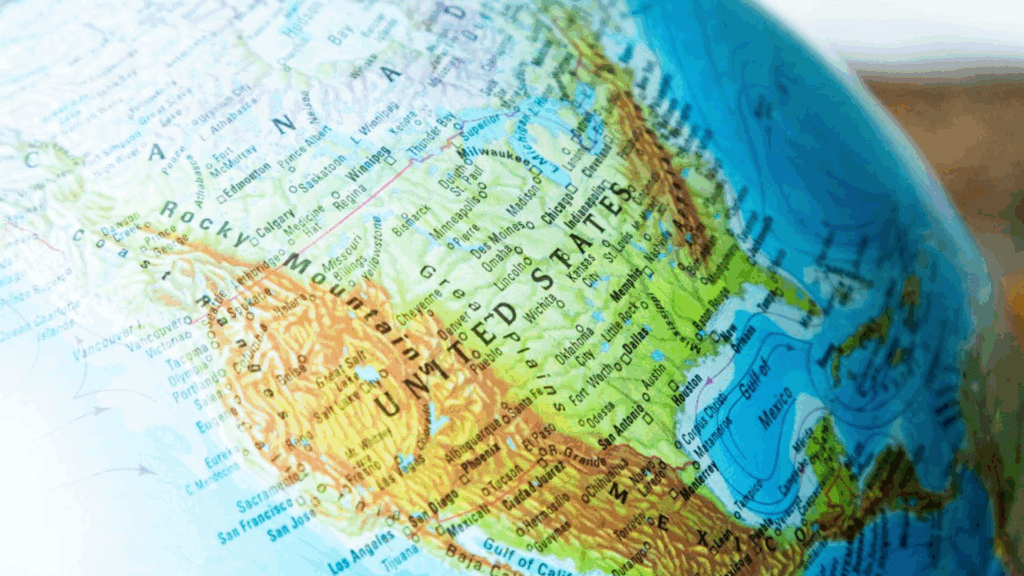
Understanding wealth requires looking beyond national borders and recognizing how most of the world lives. Large segments of the global population survive on far less, and even Americans who feel financially stretched often enjoy higher living standards than people in many other countries.
Reconciling Numbers and Perceptions

The surprise many Americans feel about their global wealth highlights the gap between economic data and lived experience. While international comparisons show significant prosperity, domestic pressures and inequality shape how people feel about money, creating a more complex picture of wealth in 2025.