

Products are selected by our editors, we may earn commission from links on this page.

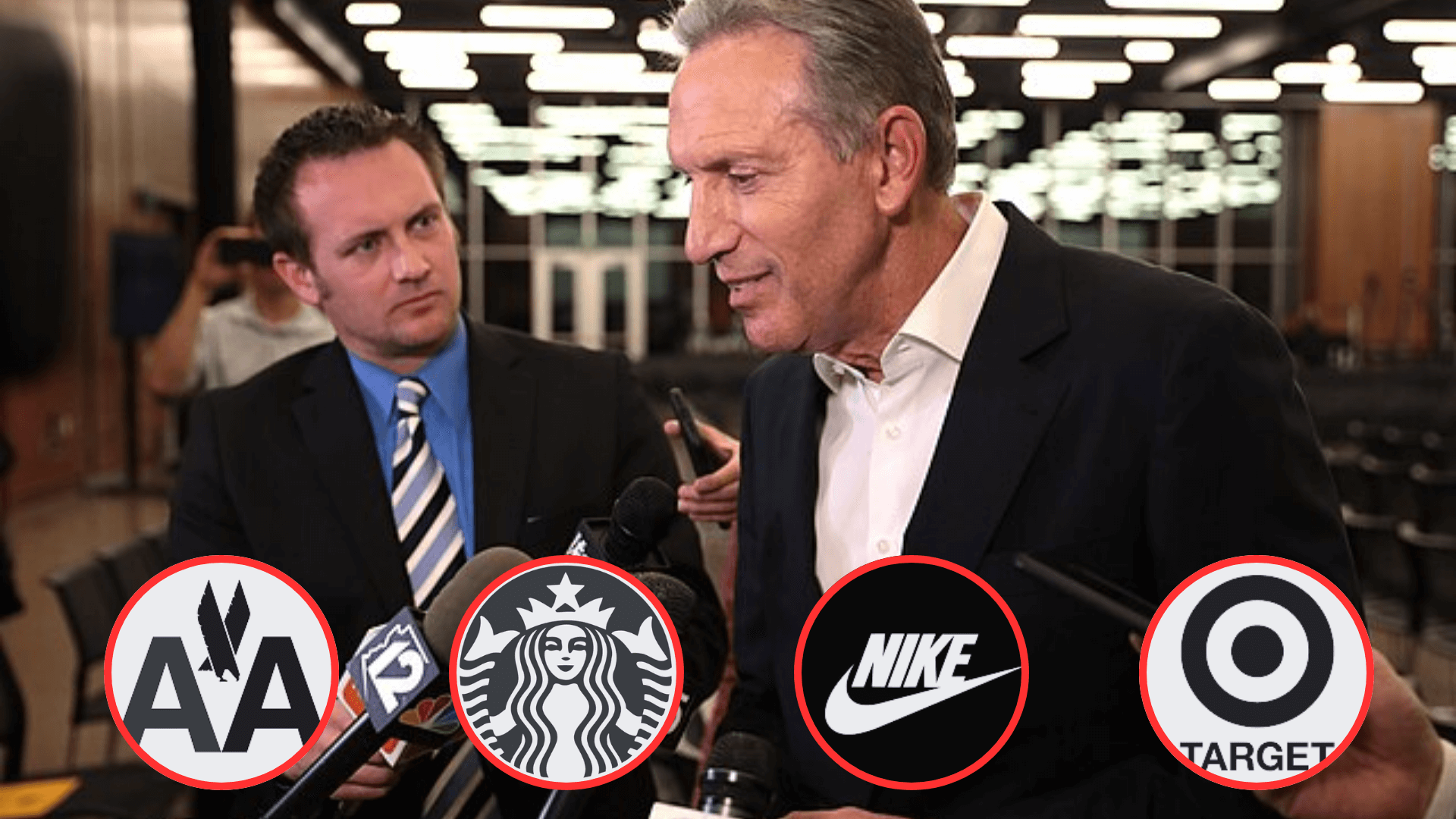
From warehouses to corporate towers, a new wave of layoffs is shaking the American workforce. Some of the nation’s most recognizable brands — Starbucks, Amazon, Nike, and Carter’s — have all announced major job cuts in the past few months. Companies are blaming economic headwinds, efficiency goals, and even artificial intelligence for the reductions, but to many Americans, it feels like a familiar story: record profits at the top, pink slips at the bottom.
The Year Corporate America Started Cutting Back

2025 is fast becoming a grim milestone for American workers. According to data from Business Insider, tens of thousands of employees have already lost their jobs across retail, tech, and logistics sectors. Even in a so-called low-fire economy, economists warn that widespread firings could break the fragile firewall keeping the U.S. from recession.
Amazon’s 14,000 Job Cuts Raise Bigger Questions

Amazon’s announcement to cut roughly 14,000 positions marks one of the largest corporate layoffs of the year. CEO Andy Jassy said the company is leaning into AI-driven efficiency — a phrase critics call corporate code for replacing people with software. For many, it’s a troubling sign that even the tech giants who once symbolized job growth are trimming faster than ever.
Starbucks’ $1 Billion “Restructure” Comes With a Human Cost

Starbucks confirmed it will lay off around 900 non-retail workers as part of a $1 billion restructuring plan. Executives say the cuts will “streamline leadership,” but baristas and regional staff see it differently — another round of cuts from a company that just reported nearly $36 billion in revenue. “You can’t call it ‘restructuring’ when it’s people’s livelihoods,” one worker told local media.
Nike’s Slowdown Shows No Brand Is Untouchable

Even athletic giant Nike, which seemed immune to downturns, has started trimming corporate jobs. Internal reports show a focus on operational simplification and long-term sustainability, terms analysts interpret as early signs of larger reductions. It’s a reminder that no industry, not even one built on aspiration and branding can outrun tightening margins.
Carter’s and Target Join the Growing List

Carter’s, the children’s clothing brand, and Target both announced staff reductions this fall, citing declining retail demand and increased automation. Target alone is expected to eliminate over 1,000 employees and 800 open positions. Efficiency may be the new buzzword, but for families living paycheck to paycheck, these numbers spell one thing: uncertainty.
AI and Automation: The Quiet Culprit Behind the Cuts

While executives highlight economic challenges, many layoffs share a common thread — the rise of AI. Amazon and Microsoft have both tied workforce reductions to artificial intelligence, saying it enables leaner operations. Economists warn that as AI accelerates, millions of white-collar jobs could be redefined or erased, echoing the automation wave that once gutted manufacturing towns.
The “Efficiency” Excuse Is Wearing Thin

Analysts point out that several of these companies posted strong quarterly profits before announcing job cuts. To critics, that makes the efficiency argument hard to swallow. “These are not struggling companies, they’re optimizing shareholder value,” one labor economist told Newsweek. On social media, the response has been blistering: “If they can afford billion-dollar AI projects, they can afford their workers.”
What These Layoffs Say About the Future of Work

Economists are split. Some see the cuts as a short-term correction; others believe they signal a long-term shift in how labor is valued. The American workforce is entering an era where job security depends less on performance — and more on whether your role can be replaced by technology. For many, that’s a future worth fearing.
The Human Cost Behind Corporate Progress

Mass layoffs used to signal crisis. Now, they’re just another business strategy. As Starbucks trims, Amazon automates, and Nike streamlines, the message is clear: no brand is too beloved to cut costs at the expense of workers. The question haunting millions of employees isn’t who’s next? It’s whether the promise of stability in corporate America was ever real at all.