

Products are selected by our editors, we may earn commission from links on this page.
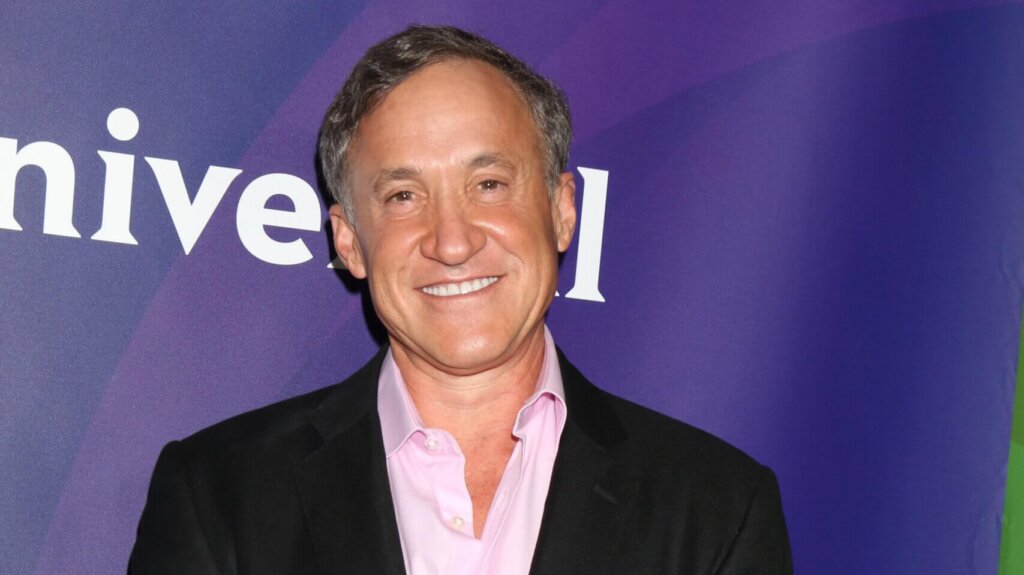
The growing popularity of GLP-1 medications like Ozempic and Wegovy has sparked concern among medical experts, particularly Dr. Terry Dubrow. He warns that these drugs are being misused beyond their intended purpose of treating obesity and diabetes. Instead, some individuals are using them to suppress appetite entirely, mimicking extreme eating disorders. This troubling pattern has led Dubrow to coin the term “Anorexia Ozempica.” The phrase captures a modern health crisis where medical innovation intersects with harmful body image ideals.
How Appetite Suppression Is Changing Eating Disorders
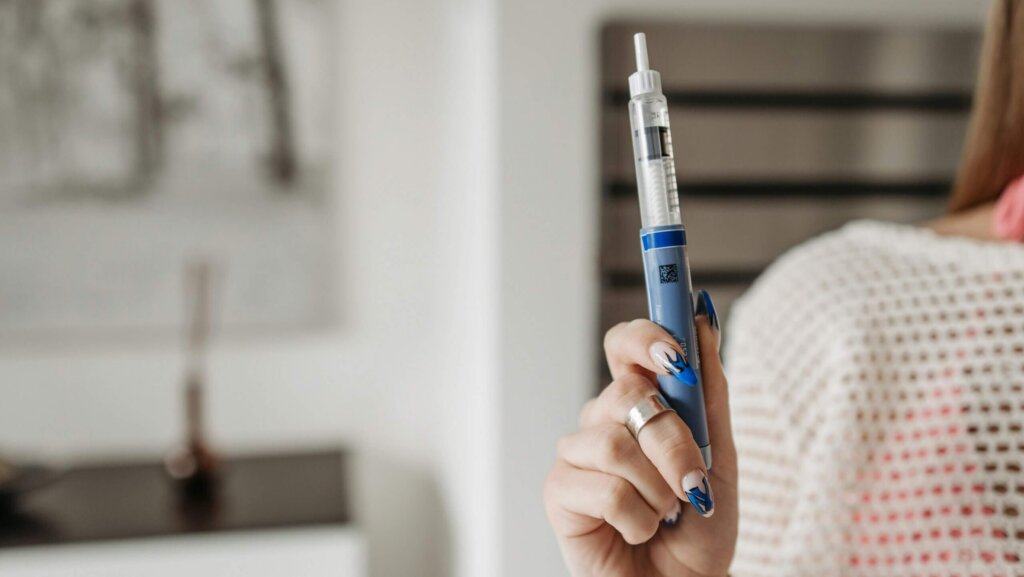
Unlike traditional eating disorders, this new phenomenon removes the constant internal struggle against hunger. The medications chemically reduce appetite, making it easier to avoid food without mental resistance. This shift creates a dangerous illusion of control while masking deeper health risks. Individuals may believe they are making healthier choices when, in reality, their bodies are being deprived. Over time, this detachment from natural hunger cues can disrupt normal metabolic function. The result is a quieter but potentially more insidious form of disordered eating.
Rapid Weight Loss Comes at a Hidden Cost
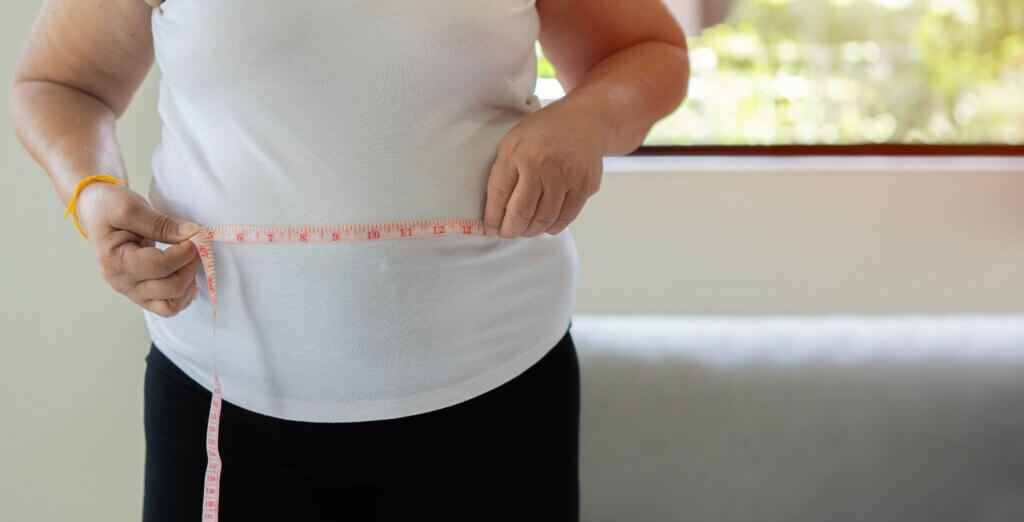
Extreme weight loss achieved through these medications often appears impressive at first glance. However, the body does not selectively burn fat during rapid weight reduction. It also breaks down muscle tissue to sustain itself, leading to weakness and fatigue. This loss of lean mass can affect mobility, strength, and long-term health outcomes. The visual result is often a gaunt, fragile appearance rather than a fit one. Beneath the surface, the body is under significant physiological stress.
The Disturbing Rise of Fragile Body Aesthetics

Dr. Dubrow notes a shift in physical appearance among users of high-dose GLP-1 drugs. Instead of looking toned or healthy, many appear visibly weakened and undernourished. Hollow facial features and diminished muscle tone have become increasingly common. This aesthetic echoes past eras where extreme thinness was glamorized despite its health risks. The normalization of such appearances raises concerns about cultural standards of beauty. It suggests a regression rather than progress in how society defines wellness.
Hollywood Pressure Fuels the Trend

The entertainment industry has long shaped public perceptions of beauty, and its influence remains powerful. Celebrities showcasing dramatic weight loss have intensified the demand for quick fixes. According to Dr. Terry Dubrow, this environment encourages individuals to prioritize appearance over health. The pressure to maintain a certain image can push people toward risky medical shortcuts. Social media further amplifies these ideals, creating a feedback loop of unrealistic expectations. In this landscape, thinness becomes a performance rather than a reflection of well-being.
Serious Risks to Digestive Health

Beyond appearance, the internal effects of these medications can be severe. GLP-1 drugs slow digestion, which helps users feel full for longer periods. However, excessive use can lead to complications such as stomach paralysis and intestinal blockages. These conditions are not only uncomfortable but potentially life-threatening if untreated. The digestive system, designed for balance, becomes disrupted under prolonged suppression. Such risks highlight that these medications are far from harmless lifestyle aids.
Malnutrition Hidden Behind Weight Loss Success

One of the most alarming consequences is the onset of malnutrition despite visible weight loss. Individuals often consume fewer essential nutrients, leading to deficiencies in vitamins and minerals. Symptoms such as hair loss, brittle nails, and chronic fatigue begin to emerge. The body enters a survival mode, conserving energy and sacrificing non-essential functions. This paradox of being undernourished while appearing “fit” challenges common assumptions about health. It underscores the importance of nourishment over mere calorie reduction.
The Psychological Illusion of Effortless Control

The ease with which these drugs suppress hunger can create a false sense of achievement. Users may feel empowered by their ability to lose weight without traditional discipline. However, this perceived control is largely pharmacological rather than behavioral. It can prevent individuals from addressing underlying emotional or psychological issues with body image. Over time, reliance on medication may replace sustainable lifestyle habits. This dynamic complicates recovery and long-term health management.
Calls for Stronger Medical Regulation

Experts are increasingly advocating for stricter oversight in prescribing these medications. Dr. Terry Dubrow emphasizes that they should not be used for minor cosmetic goals. Without proper supervision, individuals risk self-administering harmful doses. The accessibility of these drugs has outpaced public understanding of their risks. Regulatory measures could help ensure they are used responsibly and ethically. Such safeguards are essential to prevent further misuse.
A Cultural Reckoning on Health and Beauty

At its core, the rise of “Anorexia Ozempica” reflects deeper societal tensions health and appearance. It raises difficult questions about what people truly value when pursuing weight loss. Are individuals seeking genuine well-being, or merely chasing an idealized image? The trend serves as a cautionary tale about the unintended consequences of medical advancements. As awareness grows, there is an opportunity to redefine health in more holistic terms. The challenge lies in choosing sustainability over shortcuts in a culture obsessed with immediacy.