

Products are selected by our editors, we may earn commission from links on this page.
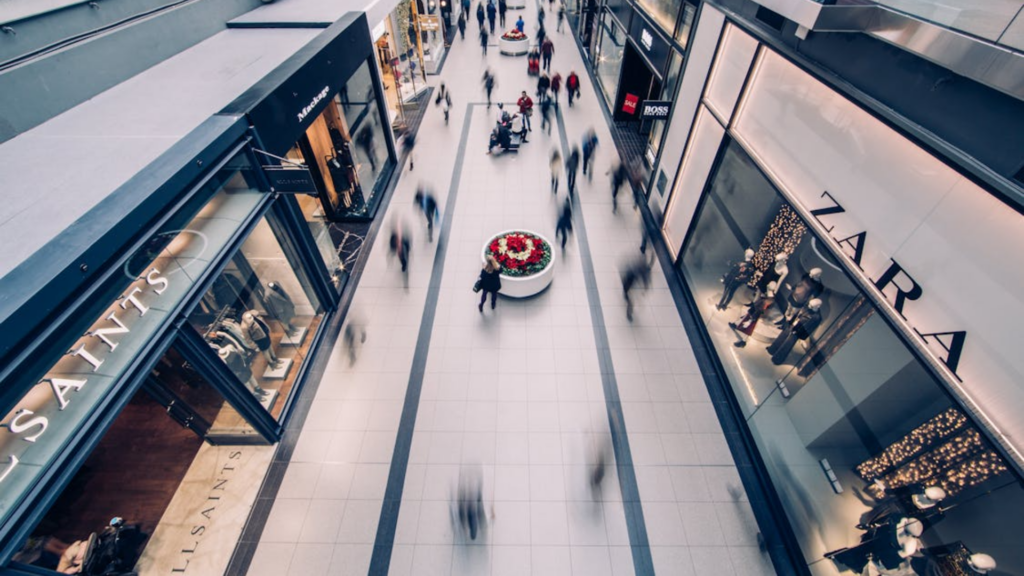
The United States is facing another major wave of retail shutdowns in 2026, with more than 1,500 stores expected to close across the country as major chains restructure operations, reduce costs, and shift toward online sales. The closures span department stores, grocery chains, apparel brands, and restaurants, marking one of the largest ongoing contractions in physical retail in recent years. Analysts say this trend reflects long-term changes in consumer behavior, rising operational costs, and the growing dominance of e-commerce.
Why So Many Stores Are Closing in 2026
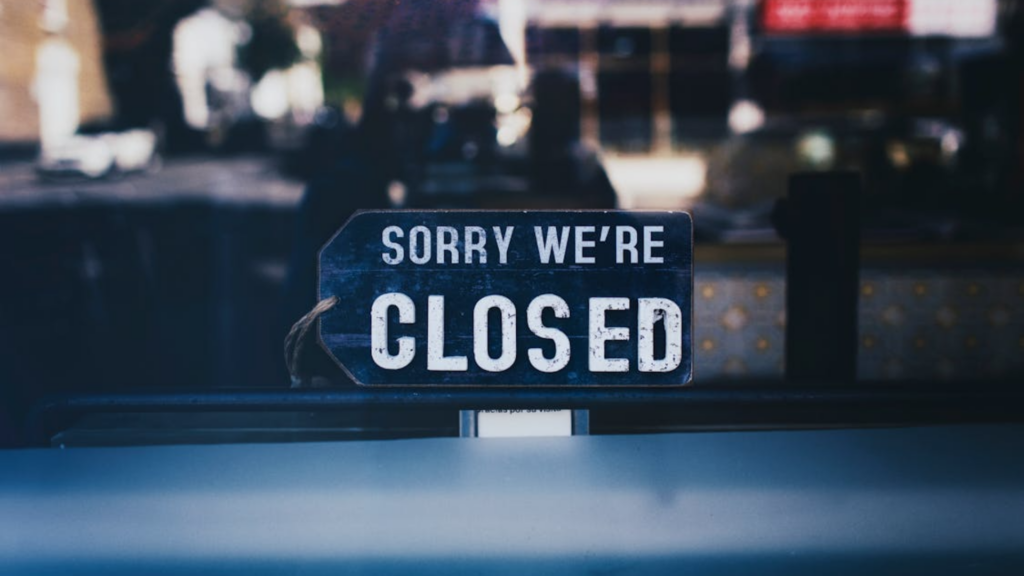
Retailers are increasingly closing underperforming locations as part of broader restructuring strategies designed to improve profitability and focus on stronger markets. Many companies are shifting investments toward digital platforms and fewer but more profitable physical stores, especially in crowded retail sectors. Financial pressure, changing shopping habits, and competition from online giants are all accelerating these decisions.
Department Stores Lead the Wave
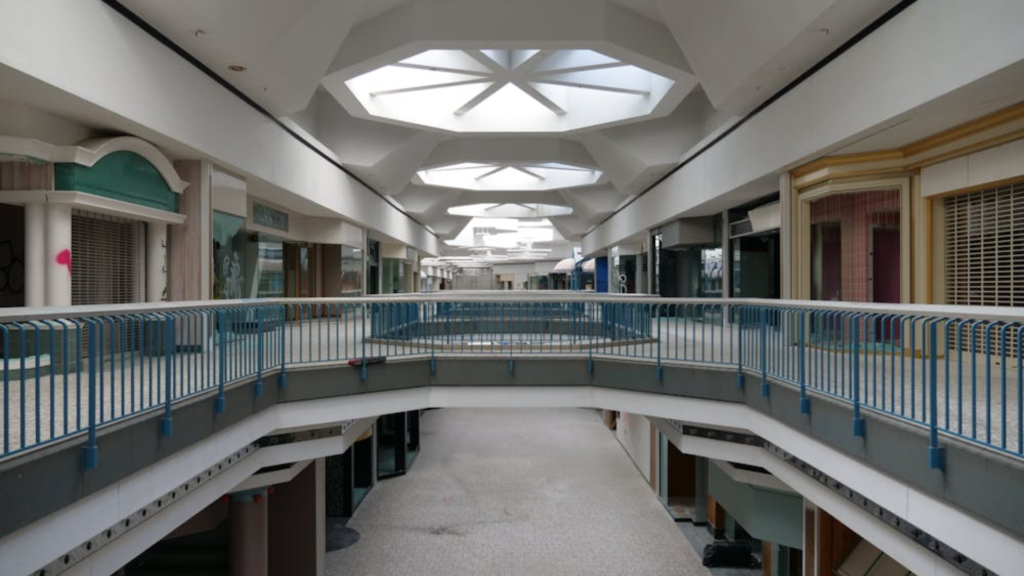
Major department store chains are among the most affected, with brands like Macy’s closing dozens of locations as they attempt to streamline operations and focus on top-performing stores. These closures reflect declining mall traffic and shifting consumer preferences away from traditional department store shopping. Companies are also reallocating resources toward e-commerce expansion and smaller-format stores in key markets.
Restaurant Chains Also Facing Shutdowns
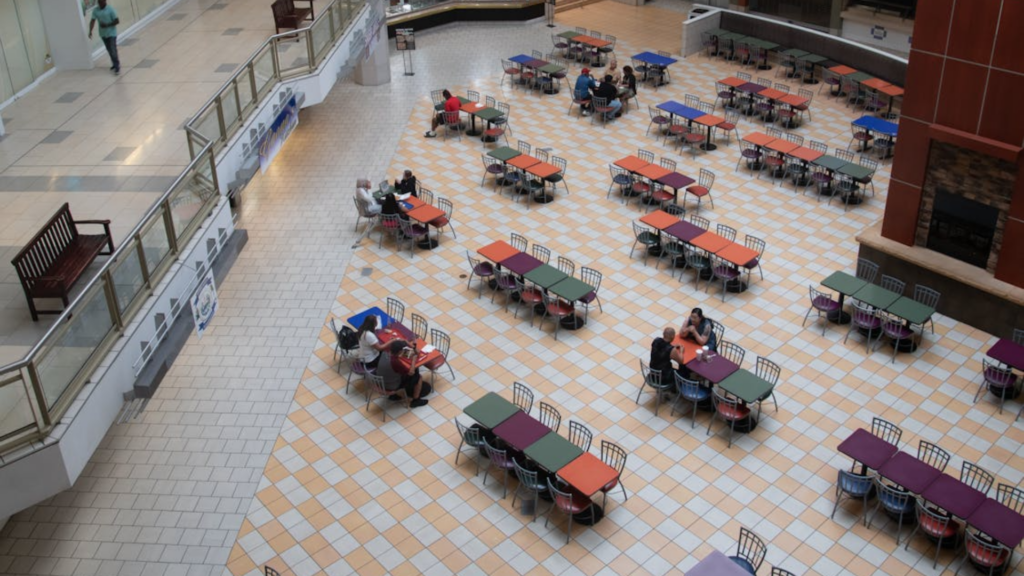
Restaurant chains are also scaling back significantly, with hundreds of closures planned across major brands as they adjust to rising costs and uneven demand. Some companies are shutting underperforming locations to stabilize finances, while others are restructuring after bankruptcy filings or weak sales performance. The restaurant sector remains one of the hardest-hit areas of the retail slowdown.
Bankruptcy and Financial Pressure Driving Closures

A significant portion of the closures is tied to bankruptcy proceedings and debt restructuring, forcing companies to shut hundreds of locations at once. Retailers struggling with declining revenues and rising expenses are using store closures as a way to reduce losses and stabilize long-term operations. This pattern has become increasingly common across both mid-sized and national chains.
Major Retail Brands Reducing Store Footprints
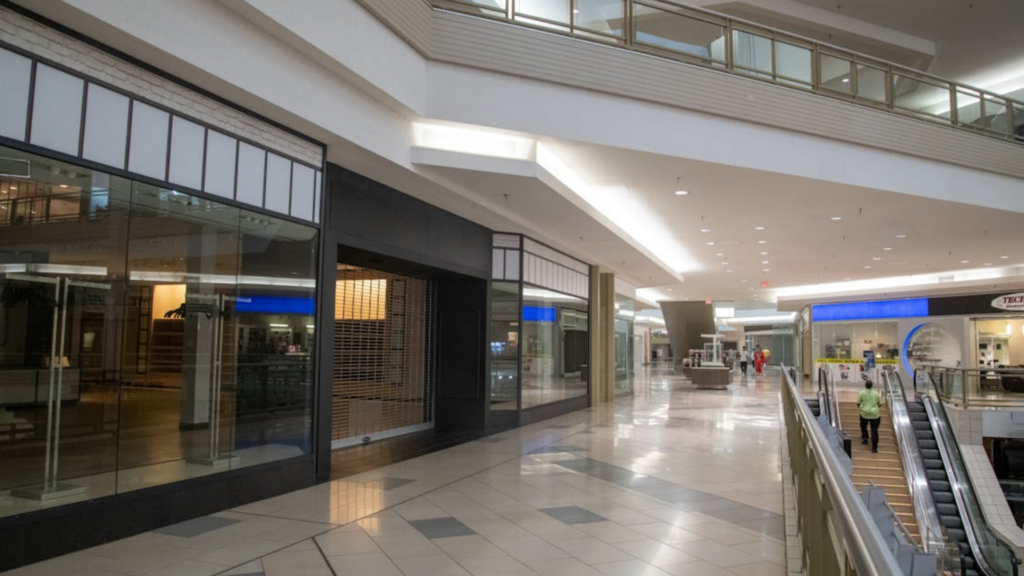
Well-known retail brands across apparel, home goods, and specialty retail are scaling back their physical presence in 2026. Companies such as clothing retailers and home furnishing chains are closing hundreds of stores combined, often as part of long-term digital transformation strategies. This reflects a broader shift away from large physical footprints toward leaner operations.
Shopping Malls Continue to Lose Tenants
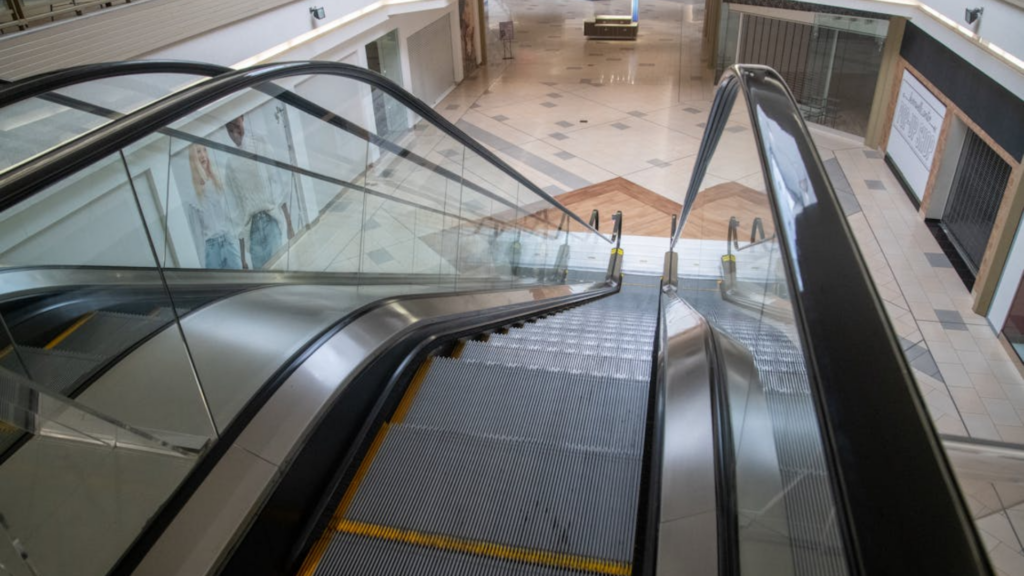
Many of the closures are concentrated in shopping malls and older retail centers that have seen declining foot traffic for years. As anchor tenants leave, smaller retailers often follow, accelerating vacancy rates and reducing mall viability. This creates a cycle where fewer stores lead to less traffic, further worsening conditions for remaining tenants.
E-Commerce Is Reshaping Retail Forever

The continued growth of online shopping is one of the strongest forces behind store closures, as consumers increasingly prefer the convenience and pricing of digital platforms. Retailers are responding by investing more heavily in online infrastructure while reducing physical store exposure. This shift has permanently altered how many companies approach expansion and customer engagement.
What Shoppers Can Expect Next

Consumers can expect more closures throughout 2026, but also increased discount events, clearance sales, and store consolidations as retailers adjust inventory and exit locations. While some brands will disappear from certain regions, others may return in smaller or more flexible formats. The overall retail landscape is expected to remain volatile as companies continue adapting to new economic realities.
A Transforming Retail Landscape
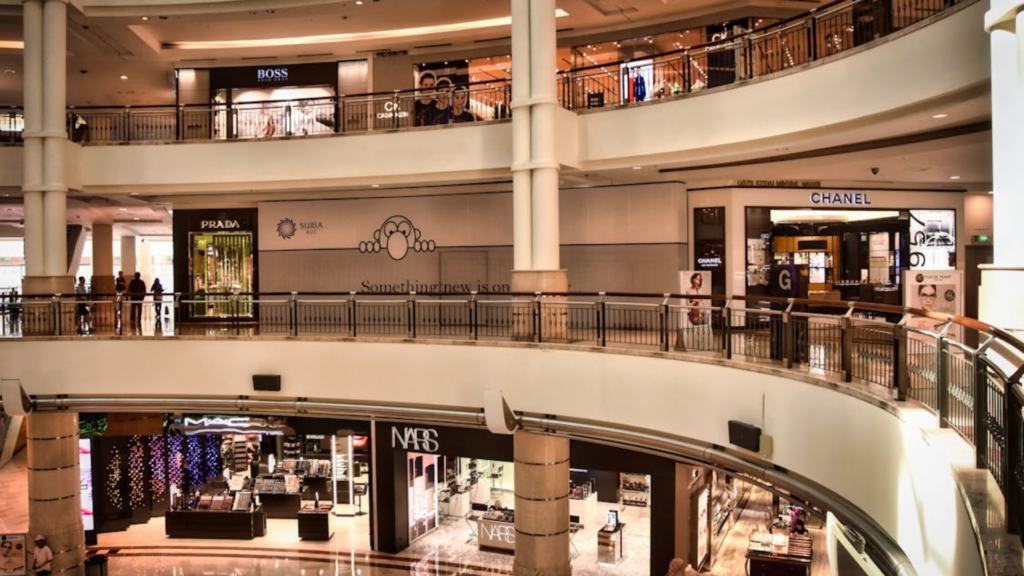
The wave of more than 1,500 store closures in 2026 highlights a major transformation in the U.S. retail industry rather than a simple decline. Companies are restructuring to survive in a digital-first economy, prioritizing efficiency, profitability, and online growth over physical expansion. While this shift brings widespread store shutdowns, it also signals the beginning of a new retail model shaped by changing consumer habits and economic pressures.