

Products are selected by our editors, we may earn commission from links on this page.
Owen Johansen thought he was going to college. He had already started looking for a roommate. The 18-year-old from Oakton, Virginia, logged into his Brigham Young University admissions portal to begin the enrollment process only to find that the “Welcome to BYU” message was gone. A rejection letter had replaced it. His acceptance, it turned out, was never real. A systems error had sent him, and eight other applicants, a congratulatory notice that the university never intended to send.
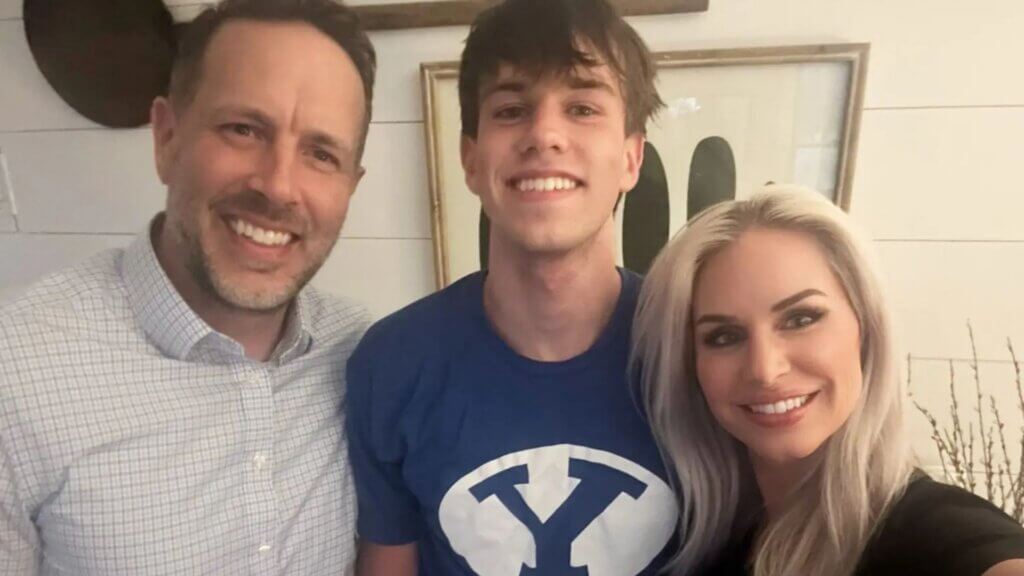
For families who had already started celebrating, the reversal hit hard. Owen told KSL TV 5 he “was really mad” when he found out, and said the university could have handled the situation “way better.” His mother, Talai, described herself as “completely heartbroken.” Both of his parents are BYU alumni, which made the prospect of their son attending the same school a particularly meaningful one.
What makes the situation sting even more is the timing. Owen and his family had not simply read the acceptance and set it aside. They had acted on it, logging back in specifically to lock in housing and move forward with enrollment. College admissions decisions carry enormous weight for students and their families, and that window between acceptance and the start of school is one of real excitement and preparation. Having it taken away, without warning, is not a minor inconvenience. And this was not the first time BYU had been here before.
What BYU Said, and What It Left Out
BYU Director of Admissions Chad Johnson issued a public apology after the error surfaced. In a written statement, he said the admissions department had reached out to those affected to express regret, acknowledging that admissions decisions are highly anticipated moments for applicants. Johnson said the team is actively working to prevent a repeat of the error. What the statement did not include was any explanation of what actually caused the malfunction in the notification system.
Talai Johansen pointed out another gap in the university’s response. She told KSL TV 5 that BYU had reached out to her and her husband to apologize, but not directly to Owen, the student who was actually affected. For a teenager processing a sudden reversal of what he believed was a major life milestone, the omission was notable. Talai also called on the university to do more than apologize, arguing that BYU should honor the mistaken acceptances for all nine students. “It is the right thing to do,” she said.
The university’s own FAQ states that admissions decisions are final. That policy, straightforward under normal circumstances, became an uncomfortable footnote in this situation. If decisions are final, then which decision applies when the school itself sent the wrong one? BYU did not publicly address that contradiction in its initial response. The families were left waiting, and the backlash from the incident continued to grow on social media, where other parents and prospective students took notice of what had happened.
This Was Not BYU’s First Admissions Error
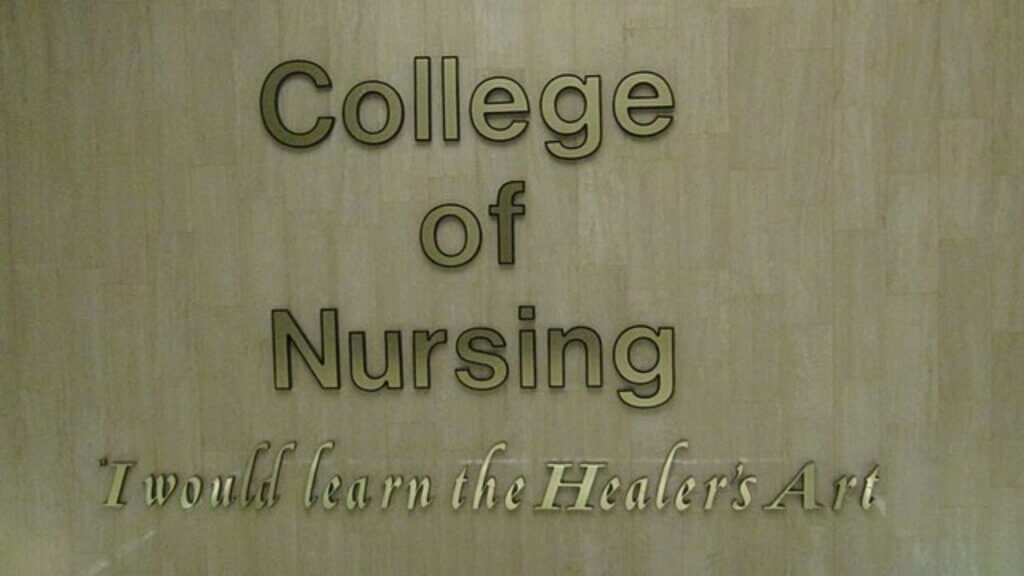
The February 2025 mistake did not occur in isolation. In 2024, BYU’s College of Nursing sent both acceptance and rejection letters to hundreds of nursing program applicants, all due to a malfunction in a new system the school had been using to deliver admissions decisions. That incident sent students through an emotional whiplash, with some receiving contradictory letters just minutes apart. One applicant spent nearly two hours believing she had been accepted before learning the truth.
Back-to-back errors involving the same core failure — a breakdown in the systems responsible for delivering life-altering communications — raises a reasonable question about institutional accountability. A single incident might be written off as an isolated technical glitch. A pattern suggests something more structural. BYU accepts roughly 68.7 percent of freshman applicants, making it one of the more competitive private universities in Utah, which means that for students on the edge of admission, the stakes around accurate communication are especially high.
For prospective students and their families, the college admissions process already carries significant pressure. Students submit essays, gather recommendation letters, and in BYU’s case, also secure an endorsement from an ecclesiastical leader as part of the application. When a university with those requirements sends a congratulatory message and then retracts it, the damage extends beyond disappointment. It erodes trust in the institution at the precise moment when incoming students are deciding whether to commit to it. And in this case, the pressure on BYU to act was about to reach a tipping point.
BYU Eventually Reversed Course

After the story gained traction and families pushed back publicly, BYU moved to address the situation more concretely. The university announced that all nine students affected by the admissions error had been provisionally admitted. University spokesperson Audrey Perry Martin said the admissions team would work with each student individually to ensure they have the opportunity to attend BYU while still meeting the school’s academic standards. It was a significant shift from the university’s earlier stance.
The reversal came only after sustained public pressure, media coverage, and families who refused to quietly accept the apology and move on. Talai Johansen had made clear she was not asking for special treatment for her son alone. “I want all of these nine students to be admitted into BYU,” she said. The outcome suggests that institutional accountability, when it comes, does not always arrive through official channels first. Sometimes it arrives because people speak up and the story becomes too visible to ignore.
The BYU admissions error is a small story in terms of numbers — nine students, one university, one broken system. But it reflects something larger about what students and families are owed when they put their trust in an institution during one of the most consequential decisions of a young person’s life. An apology matters. A fix matters more. For Owen Johansen and the eight others who went through the same ordeal, the provisional admission is a resolution. Whether it fully repairs the damage is another question entirely.