


Products are selected by our editors, we may earn commission from links on this page.
A massive explosion during routine rocket testing at SpaceX’s Starbase facility in South Texas startled residents, shook homes for miles around, and reignited intense concerns about safety, emergency response readiness, and regulatory oversight as SpaceX continues its rapid development of the world’s largest rocket system. The late-night blast on June 18 sent a fireball more than 2,000 feet into the sky, prompting dozens of 911 calls from panicked neighbors reporting shaking walls, bright flashes, and a booming roar that lit up the horizon like daylight, illustrating just how powerful the event was and how deeply it impacted local communities.
While SpaceX reported that all personnel were safe and that a safety perimeter was maintained, the explosion consumed significant amounts of propellant, including liquid methane and liquid oxygen, and released intense heat and pressure into the surrounding area, triggering small fires and scattering debris across the Massey test site and nearby terrain, an outcome that has left residents uneasy about the potential for future incidents.
In the aftermath, local officials, emergency responders, and residents alike have not only been grappling with the physical impacts but also wrestled with broader questions about how prepared area infrastructure and first responders are to handle such dramatic industrial accidents, especially given the relatively limited emergency resources available in rural sections of the Rio Grande Valley.
Community and Official Responses Highlight Safety Gaps
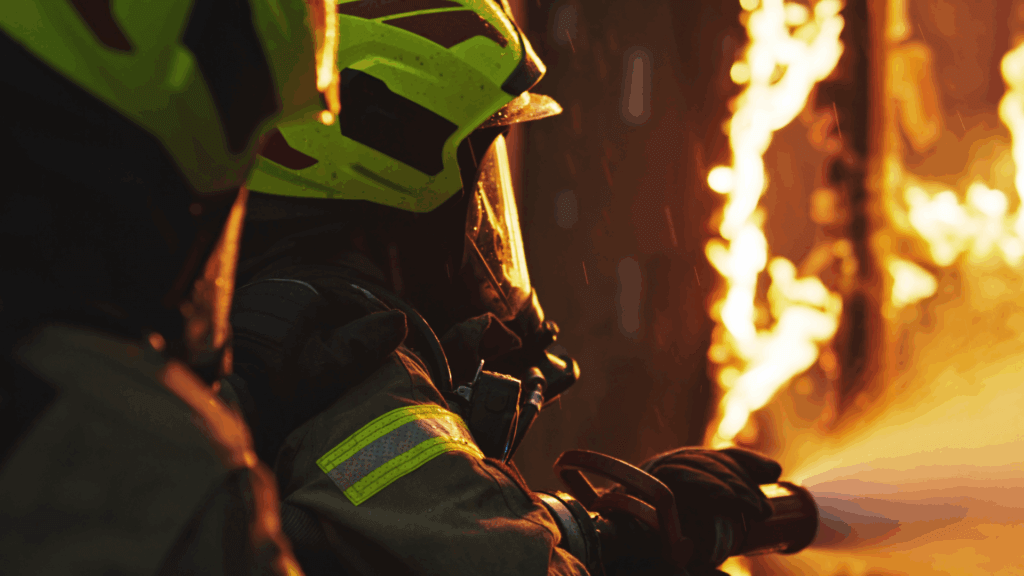
The explosion has exposed underlying safety concerns, particularly the coordination and capacity of local emergency services when confronting industrial-scale accidents involving flammable rocket fuel and high-pressure systems that are outside the routine experience of volunteer fire departments and standard municipal responders. Officials from Brownsville and Cameron County relayed that firefighters were held at a distance from the scene due to the risk of further explosions and cascading hazards, with commanders describing the event as far beyond a typical structure fire in both scale and complexity.
In fact, local leaders have raised alarms about the lack of clear regulatory oversight and investigation, with Cameron County Judge Eddie Treviño Jr. writing to multiple state and federal agencies seeking clarity on who is responsible for probing the incident and ensuring it does not recur, an effort that so far has not resulted in a unified response or publicly confirmed investigation from any single oversight body.
Some officials have also pointed to the broader impacts of such explosions on public trust and perceived safety, highlighting that neighbors were not aware critical testing was underway until after the blast occurred, and residents have expressed fear about potential future events as SpaceX continues ambitious testing that uses vast quantities of propellants and complex machinery within close proximity to populated areas.
Environmental and Regulatory Questions Remain Unresolved

While regulators like the Texas Commission on Environmental Quality (TCEQ) have been involved in assessing the aftermath, they reported that no evidence of a chemical spill into nearby rivers was detected, even as their personnel documented smoldering fires, smoke clouds, and debris scattered across the site and adjacent resaca, a concern that heightened community fears about air quality and environmental contamination after the incident.
Environmental and watchdog groups have also pointed to SpaceX’s history of mishaps and the sensitive ecology of the South Texas coast, which includes national wildlife refuges and habitat for endangered species, stressing that repeated explosions and test failures in the region raise questions about long-term impacts and whether current federal and state environmental reviews are sufficient.
At the same time, the absence of a clear lead agency to conduct a thorough, independent investigation has left many community members feeling that safety and environmental stewardship could be taking a back seat to commercial and technological goals, especially as SpaceX gears up for an ambitious schedule of rocket tests and launches that are central to broader missions such as lunar and Mars exploration.
What This Means for SpaceX and Local Communities

For residents living near the Starbase rocket testing site, events like the massive explosion serve as stark reminders of the risks that can accompany cutting-edge aerospace development, and many are calling for clearer communication, stronger safety protocols, and a more transparent oversight framework to ensure that future tests do not pose undue danger to people or property.
Local officials and emergency services leaders say that enhancing coordination among SpaceX, municipal responders, and state and federal regulators will be critical if the community is to feel secure and prepared for any future incidents, particularly given the immense scale of rocket fuels and machinery involved in building, testing, and launching next-generation spacecraft.
As SpaceX continues to push forward with ambitious goals for the Starship program, including potential future lunar missions and increased launch cadence from its South Texas facility, these safety concerns and calls for stronger regulatory oversight are likely to remain central to public discourse, ensuring that both technological advancement and community wellbeing must be thoughtfully balanced.