

Products are selected by our editors, we may earn commission from links on this page.
Half the country will eventually experience menopause. Congress has never once held a hearing about it. That changes September 16, when the Senate Special Committee on Aging holds the first-ever congressional hearing focused entirely on menopause. Nine of the committee’s 13 members are men. Sen. Kirsten Gillibrand knows the topic makes some colleagues uncomfortable, and she’s moving forward regardless.
Gillibrand Calls the Lack of Attention “Absolutely Disgraceful”
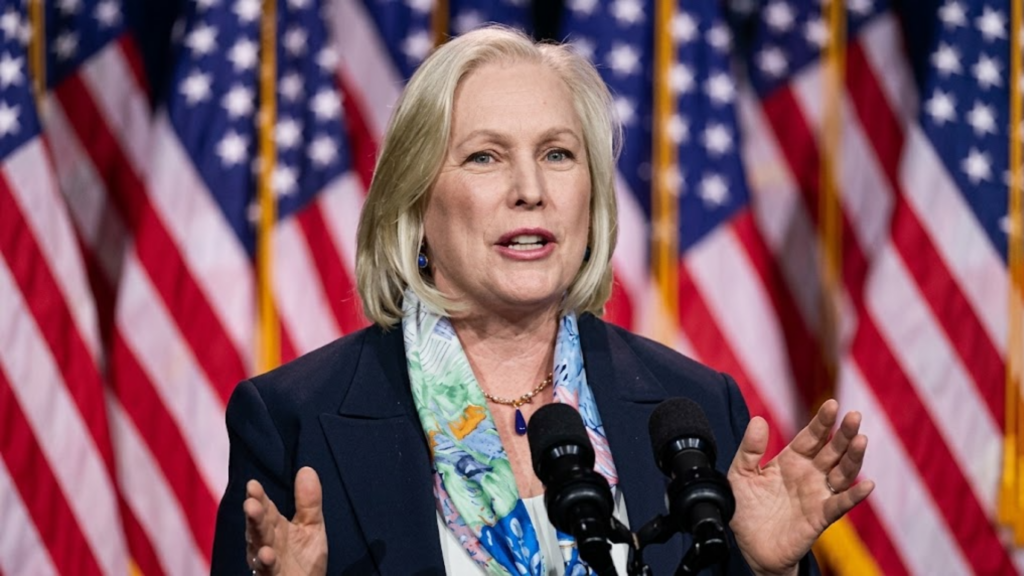
Gillibrand doesn’t soften her frustration about how long this has taken. “Every member of Congress knows someone who is going through, has gone through, or will go through menopause. Menopause impacts over half of our population, and the fact that Congress has never held a hearing on it is absolutely disgraceful,” she says. Her argument centers on a simple point: this isn’t a niche health issue. It touches nearly every family in the country.
More Than 75 Million Women Are Directly Affected

Gillibrand frames menopause care explicitly as health care, not a private or secondary concern. The condition affects more than 75 million American women. That scale alone raises real questions about why formal congressional attention has taken this long to materialize, especially given how many other health topics affecting far smaller populations have received dedicated hearings over the years.
One in Ten Women Leave the Workforce Because of Symptoms

This isn’t purely a health story, it’s an economic one too. One in ten women leave the workforce entirely because of menopause, and an additional one in five consider retiring early. That exodus contributes to fewer women in leadership roles, at a time when women already hold less than one-third of top jobs nationally. The ripple effects extend well beyond any individual woman’s personal health experience.
Menopause Costs the Economy $1.8 Billion in Lost Work Time

The financial toll extends to the broader economy, not just individual households. A Mayo Clinic study found menopause leads to $1.8 billion in lost work time annually. That figure gives policymakers a concrete economic argument alongside the health-based one, framing menopause care as something with measurable costs to businesses and the national economy when left unaddressed.
Only One in Three Medical Residency Programs Teach Menopause Care

Part of the problem traces directly back to medical training itself. According to the Menopause Journal, only one in three U.S. medical residency programs currently offer formal menopause curriculum. That gap in physician education helps explain why many women struggle to find adequate treatment, including basic medications like estrogen patches, despite menopause affecting such a massive share of the population.
An Advocate Says Menopause Affects Far More Than Symptoms Alone
Jennifer Weiss-Wolf, executive director of NYU Law’s Birnbaum Women’s Leadership Center, will testify at the hearing alongside two physicians and a public health official. “Our leaders need to understand that menopause is not just hot flashes and occasional symptoms, but impacts our careers, our wallets, our families, even our longevity,” she says. Her upcoming book focuses specifically on how everyday people can push for policy action on the issue.
Celebrities Are Talking About It, But Real Access Still Lags

Public conversation around menopause has genuinely shifted in recent years. Melinda French Gates invested $10 million in menopause training, the FDA removed a decades-old black box warning from some hormone replacement therapies, and celebrities from Halle Berry to Naomi Watts have spoken openly about symptoms. Despite that visibility, Weiss-Wolf argues real structural change hasn’t caught up. “This so-called ‘menopause moment’ will mean nothing without a top-down and bottom-up commitment across government to equitable and systemic reforms,” she says.
States Are Already Moving Faster Than Congress on This Issue
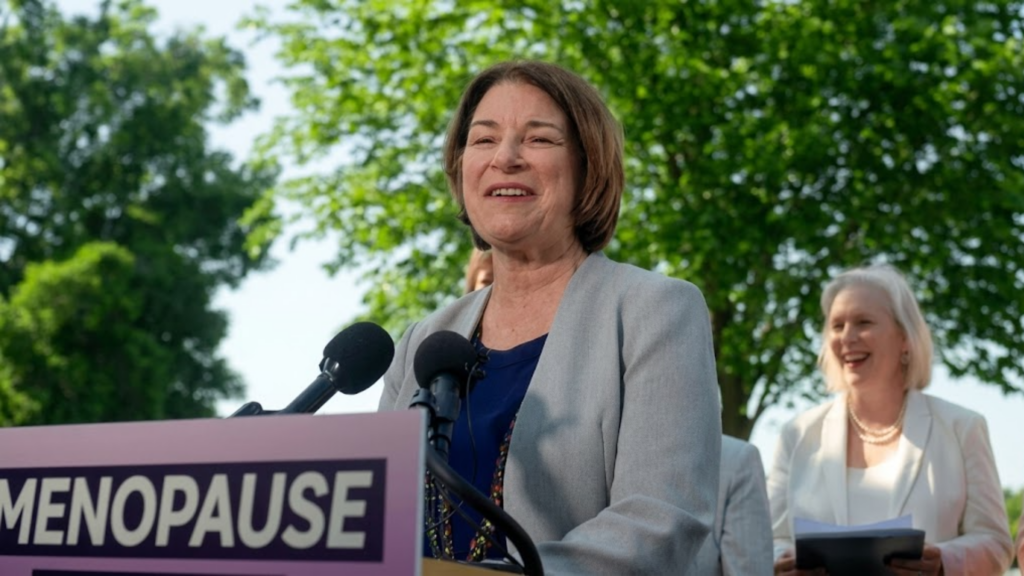
More than half of U.S. states have introduced or passed menopause-related bills in the past two years, often outpacing federal action entirely. Rhode Island became the first state to mandate workplace accommodations for menopausal employees last year. Maryland will soon require private insurers to cover menopause care and will incentivize provider education, showing states have moved ahead of Congress on concrete policy solutions.
A Republican and a Democrat Are Leading This Hearing Together
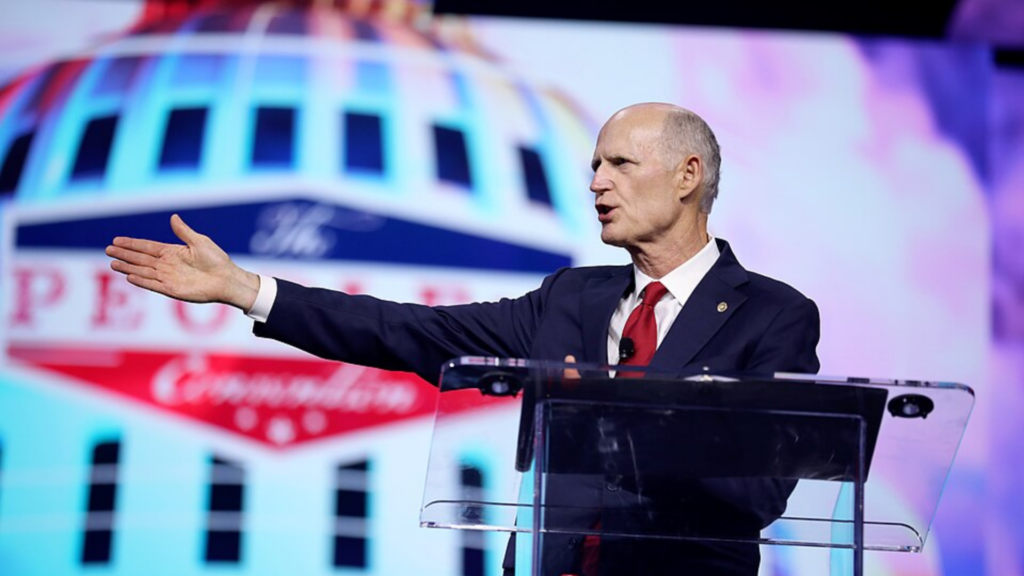
This effort has bipartisan backing at the top. Aging Committee Chairman Sen. Rick Scott, a Republican from Florida, is working directly with Gillibrand, a Democrat, to hold the hearing. “Women make up half of the U.S. population, yet there is a clear gap in information available to help them understand and navigate how menopause impacts their lives,” Scott said in a statement. The hearing streams September 16 at 3:30 p.m. ET.