

Products are selected by our editors, we may earn commission from links on this page.
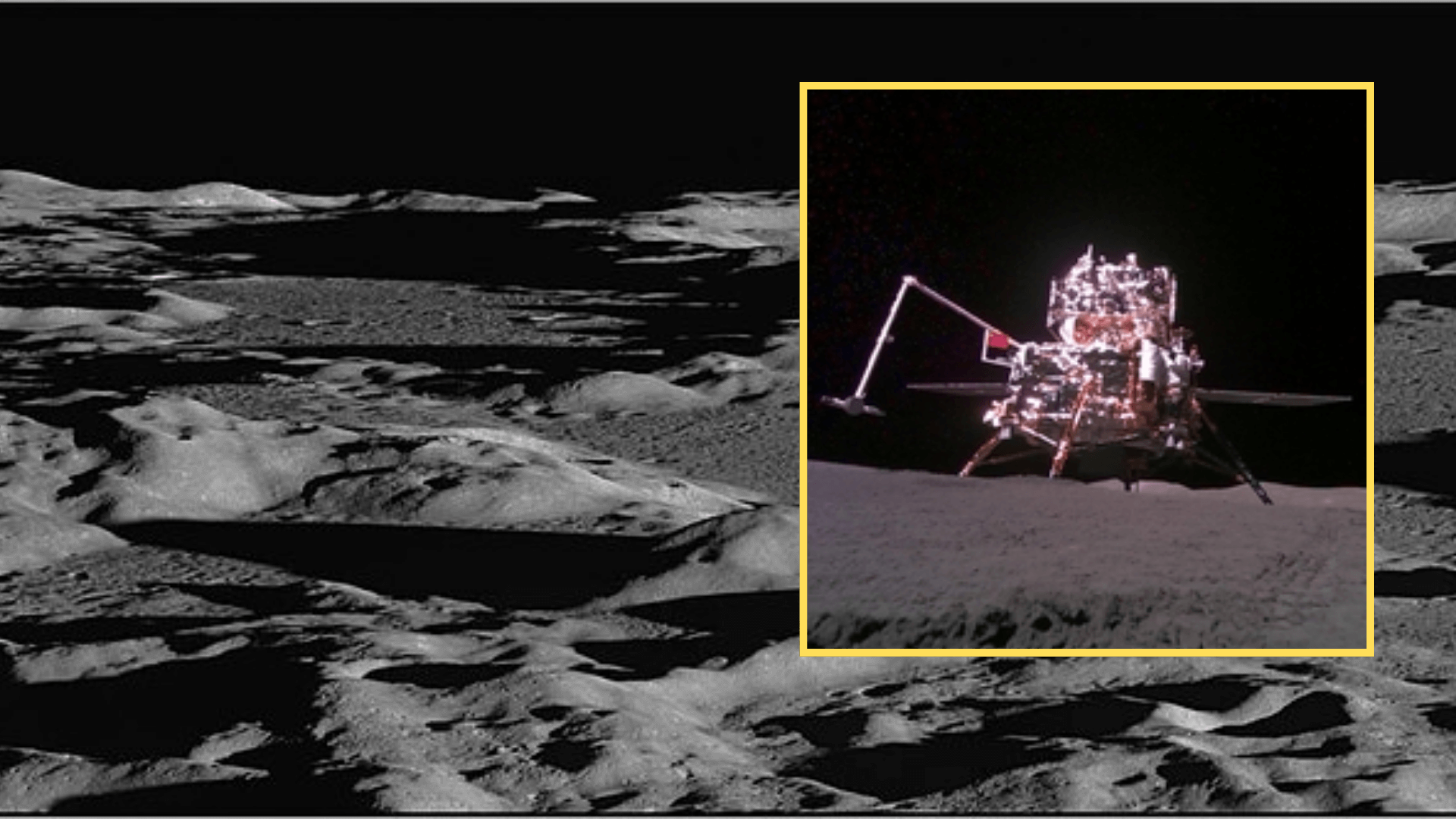
For the first time in human history, scientists have retrieved samples from the far side of the moon, and what they found may rewrite everything we thought we knew about our origins. Inside the dusty fragments brought back by China’s Chang’e-6 mission, researchers discovered seven microscopic rock pieces that don’t belong to the moon at all. They’re older, wetter, and eerily similar to the same type of space rocks that might have delivered the ingredients for life to Earth. Some scientists are calling them “extraterrestrial relics.” Others are calling for caution. Either way, the question is unavoidable: what else is hiding on the side of the moon we never see?
The Far Side: Our Closest Mystery Finally Explored

The moon’s far side — the half that never faces Earth — has been an object of fascination and conspiracy for decades. Untouched and unobserved until 2024, it’s a cosmic time capsule. The Chang’e-6 probe landed in the Apollo Basin, scooping up ancient dust untouched since the birth of the solar system. But what scientists found in that dust wasn’t just lunar debris, it was something that looked foreign.
Alien Ingredients in Lunar Dust

When researchers examined the samples under a microscope, they spotted seven strange fragments that didn’t match the moon’s usual volcanic composition. Unlike lunar rock, mostly dry basalt and feldspar, these bits were rich in carbon, water, and organic molecules. In other words, they were alive in chemical terms. Experts believe these fragments came from watery asteroids that slammed into the moon billions of years ago; asteroids that may have carried the very materials needed for life.
The “Olivine” Enigma

Buried within the samples were tiny green crystals of olivine, a mineral that forms deep inside asteroids. These crystals were loaded with 10–20% trapped water and elements like zinc and iron that don’t occur naturally on the dry lunar surface. Scientists now think this is evidence that extraterrestrial asteroids once delivered water and carbon to the moon, and possibly to Earth. The question haunting the scientific community: are we looking at the original spark of life itself?
The Moon Preserved What Earth Destroyed
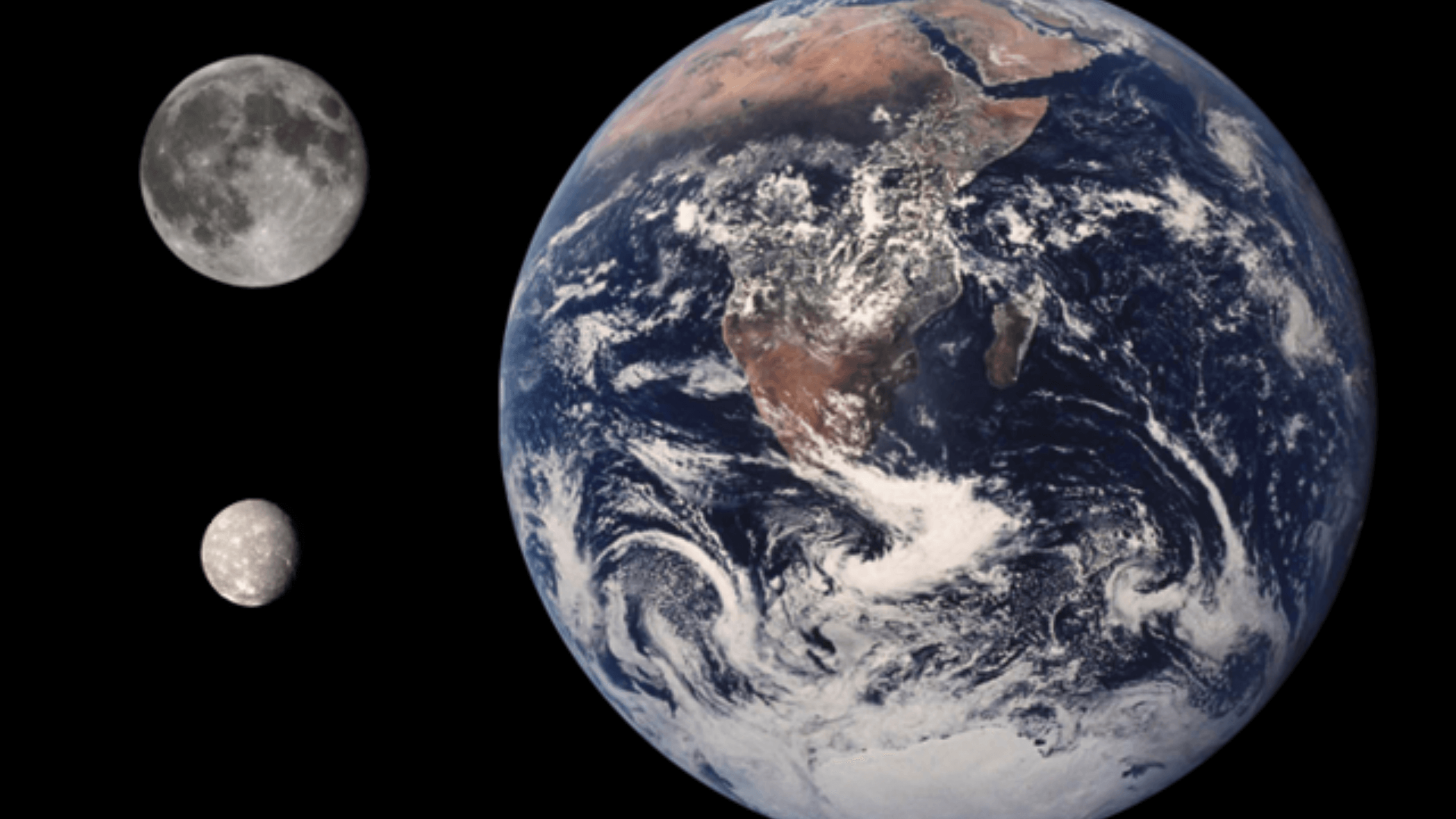
Earth’s atmosphere vaporizes most space debris long before it hits the ground, but the moon has no such shield. That means it’s a perfect archive of ancient collisions; a cosmic fossil record. The discovery suggests that the moon’s surface holds the missing pieces of Earth’s history, storing clues our planet burned away. Every speck of dust from the far side could be evidence of a forgotten age of interplanetary exchange.
Proof of a “Cosmic Water Delivery System”?

The extraterrestrial relics found on the moon match CI carbonaceous chondrites; the same type of asteroid known to contain amino acids and water ice. These are the same space rocks that scientists believe created Earth’s oceans and maybe even seeded early life. If true, this means water — the essence of life — didn’t start on Earth at all. It came from space. And the moon’s far side is proof of that cosmic delivery system.
Life Beyond Earth: Coincidence or Blueprint?

If watery asteroids struck both Earth and the moon, could they have hit other planets too? Mars, for instance, still bears the scars of ancient rivers. Even the frozen moons of Jupiter, like Europa, could have received the same chemical gifts. The theory is unsettling: life might not be a fluke, it might be a pattern, scattered across worlds. The moon’s relics, then, are more than lunar souvenirs; they’re evidence of a shared cosmic heritage.
A Scientific Breakthrough — and a Political One

The discovery also exposes the new reality of space competition. China’s Chang’e-6 mission beat everyone to this historic find including NASA. With future missions from the U.S., India, and Japan planned before 2030, this discovery has sparked quiet rivalry. Some experts warn that space exploration is shifting from discovery to dominance that whoever controls the moon’s resources could also control the data that defines humanity’s origins.
Scientists Are Split on the Meaning
Not everyone agrees that the relics prove anything about life. Some say they’re just geological leftovers from ordinary impacts. Others insist the findings are clear: these fragments contain organic matter that doesn’t belong to the moon. The divide has fueled debates across academic circles; is this the first evidence of a biological link between worlds, or just cosmic coincidence?
The Moon Might Be Telling Earth’s Story

Some scientists now believe the moon wasn’t just a silent bystander but a mirror planet, collecting the same asteroid debris that once transformed early Earth. If that’s true, the moon isn’t merely our satellite; it’s a witness to life’s beginning. The discovery of extraterrestrial fragments on its far side doesn’t just deepen curiosity; it challenges everything we thought we knew about where we come from. Maybe the story of life didn’t start on Earth at all, maybe it started out there, and the moon has been keeping the evidence for billions of years.