

Products are selected by our editors, we may earn commission from links on this page.
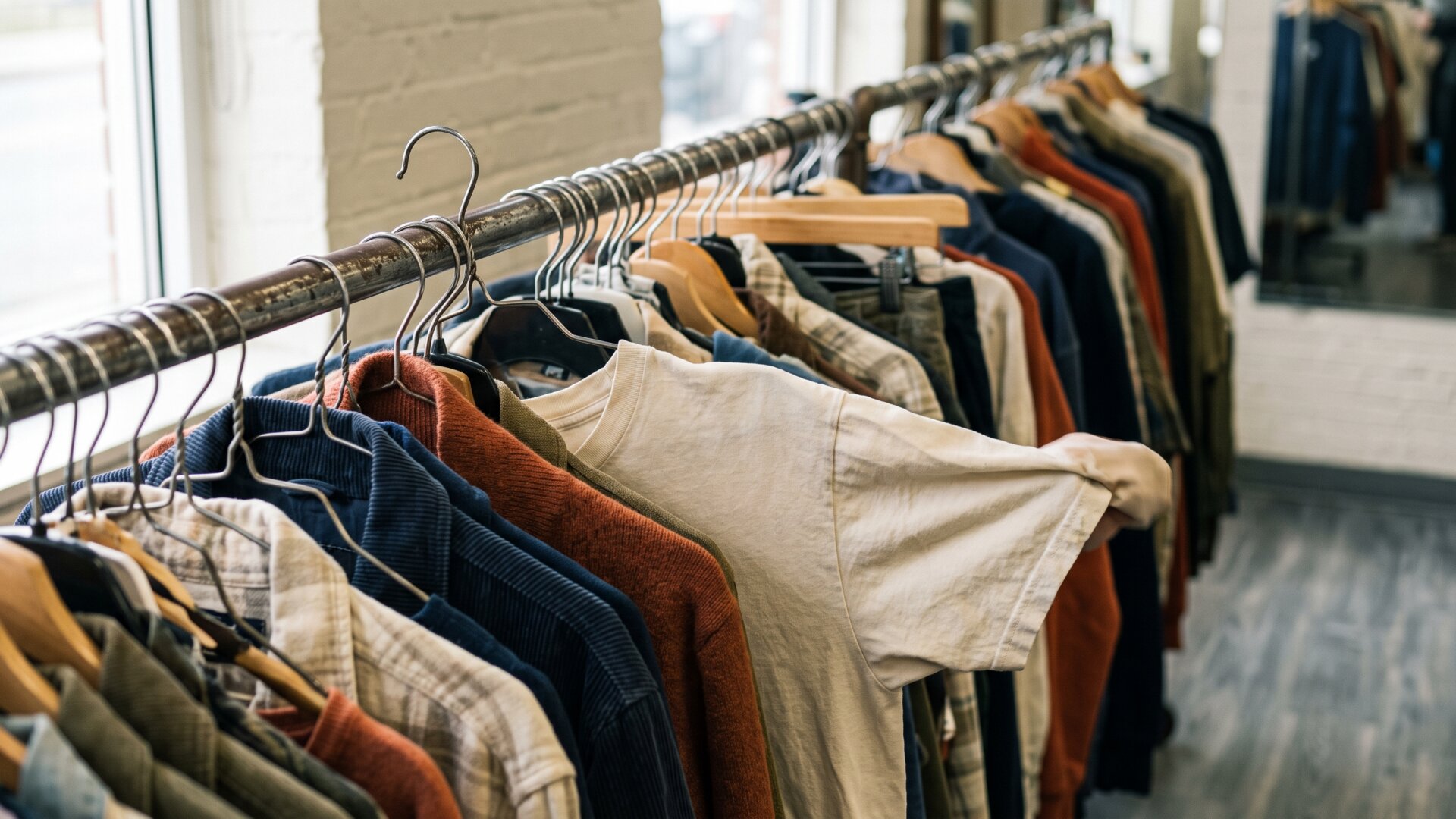
eBay’s Recommerce Report puts the figure at 81 percent of surveyed Americans who bought a secondhand item in the previous twelve months. The global figure across all markets was 76 percent. The gap widens on frequency: 55 percent of American respondents said they buy used goods at least once a month, against 47 percent worldwide. The report is built on responses from 10,523 secondhand shoppers and 1,707 eBay sellers. Its central finding is not that people are hunting bargains, which they have always done. It is that buying used has become a routine purchase channel sitting alongside new retail rather than a fallback below it.
This article was created with the assistance of AI and reviewed by our editorial team for accuracy and clarity.
Price leads, but it is not the whole story
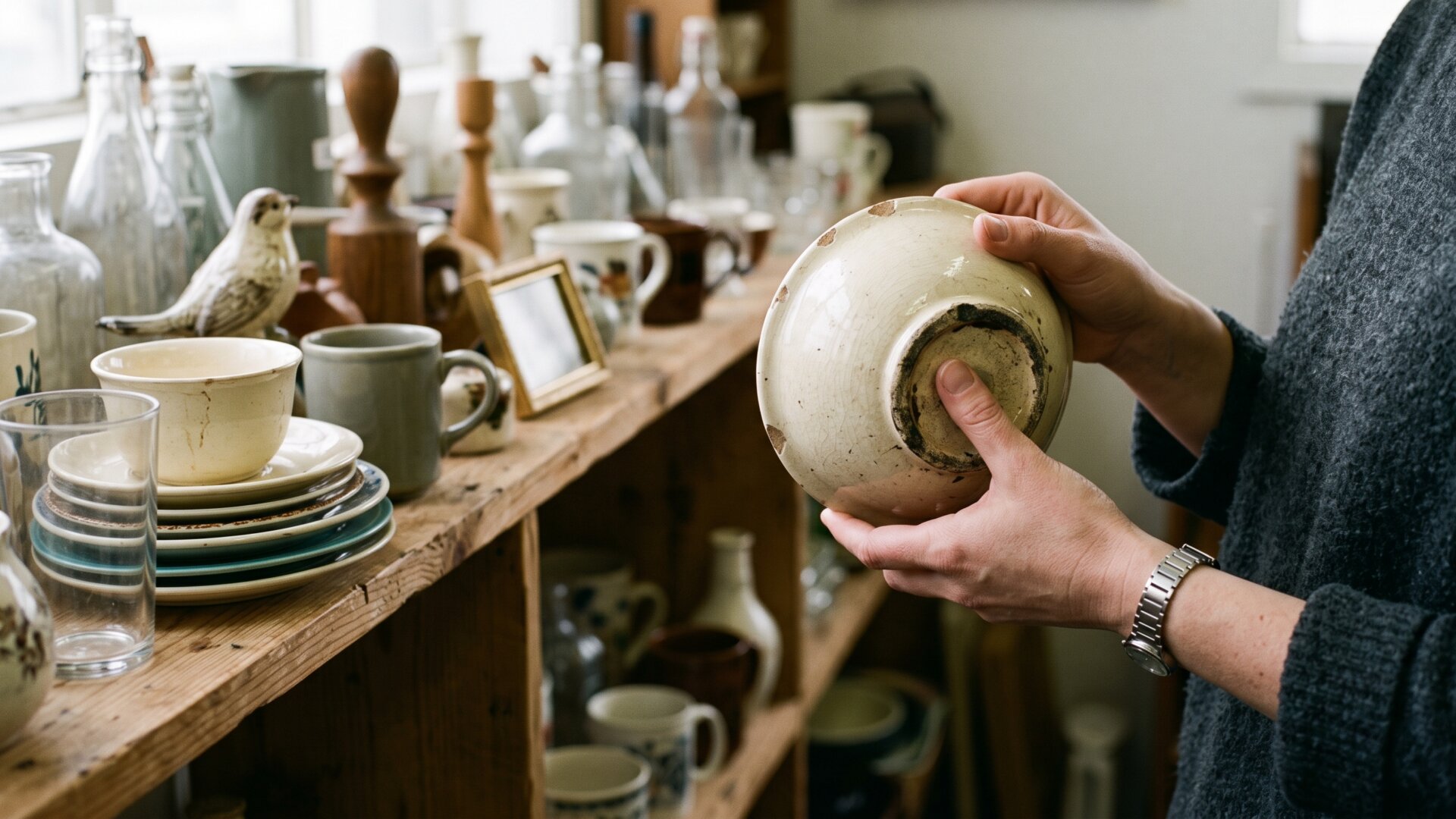
Among surveyed shoppers, 84 percent placed saving money in their top three reasons for buying secondhand. Only 46 percent ranked it first. That leaves more than half of respondents who buy used goods with something other than price at the top of their list. The environmental argument shows up strongly in the same data. Eighty-three percent of consumers surveyed said they liked the environmental benefits of buying previously used items, a figure close enough to the savings number that the two function as parallel motives rather than a main reason and an afterthought. eBay chief executive Jamie Iannone framed affordability as stretch rather than sacrifice, telling USA TODAY that shoppers are “leaning into the value that they can get from it.”
Fashion, footwear and household goods top the list

The categories shoppers said they look for most often on eBay are everyday fashion, footwear, and home and media items. None of those are collector categories. They are the things people replace on an ordinary schedule because clothing wears out, shoes wear out, and households accumulate. That matters for reading the rest of the report. A secondhand market dominated by rare items behaves like a hobby. One dominated by shirts, sneakers and kitchen goods behaves like a shopping habit, which is the distinction the survey data is describing. The phrasing shoppers themselves use has shifted too. Victoria Jelert, a 29-year-old buyer in New York City, calls the things she buys “pre-loved items, if you will.”
Three thousand dollars of sellable goods per household
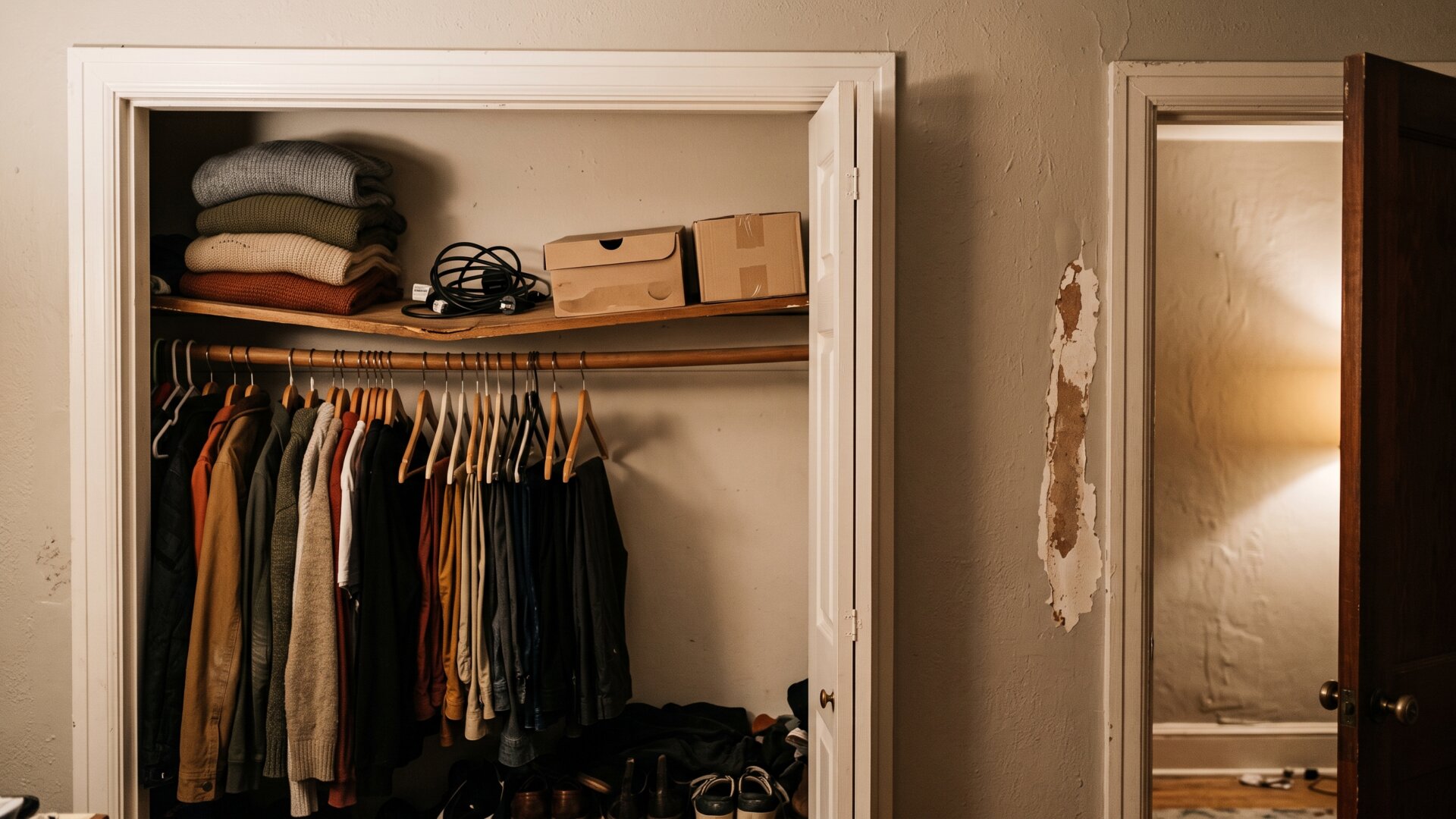
Iannone estimated that the average American household holds between $3,000 and $4,000 worth of items that could be sold online. That is an eBay figure describing eBay’s own addressable market, and it should be read as a company estimate rather than an independent measurement. Taken at face value, it reframes the ordinary house as inventory. A closet of unworn clothes, a drawer of old phones and a shelf of books stop being clutter and become a four-figure holding that happens to be stored in a spare room. Nearly 40 percent of consumers surveyed said they have sold secondhand items online, so a substantial minority are already treating their households that way.
eBay’s growth is coming from people selling to people
Iannone said the largest driver of growth for eBay over several recent quarters has been consumer-to-consumer business, meaning Americans buying and selling directly from one another rather than from retailers or businesses operating on the platform. That is a structural point about where the activity sits. A marketplace growing fastest on person-to-person trade is one where supply comes out of houses rather than out of warehouses, which places a ceiling and a floor on the business that conventional retail does not have. Among surveyed eBay sellers, the most popular categories were collectibles and memorabilia at 31 percent, electronics and computers at 27 percent, and books, movies and music at 24 percent.
What sellers list does not match what buyers want
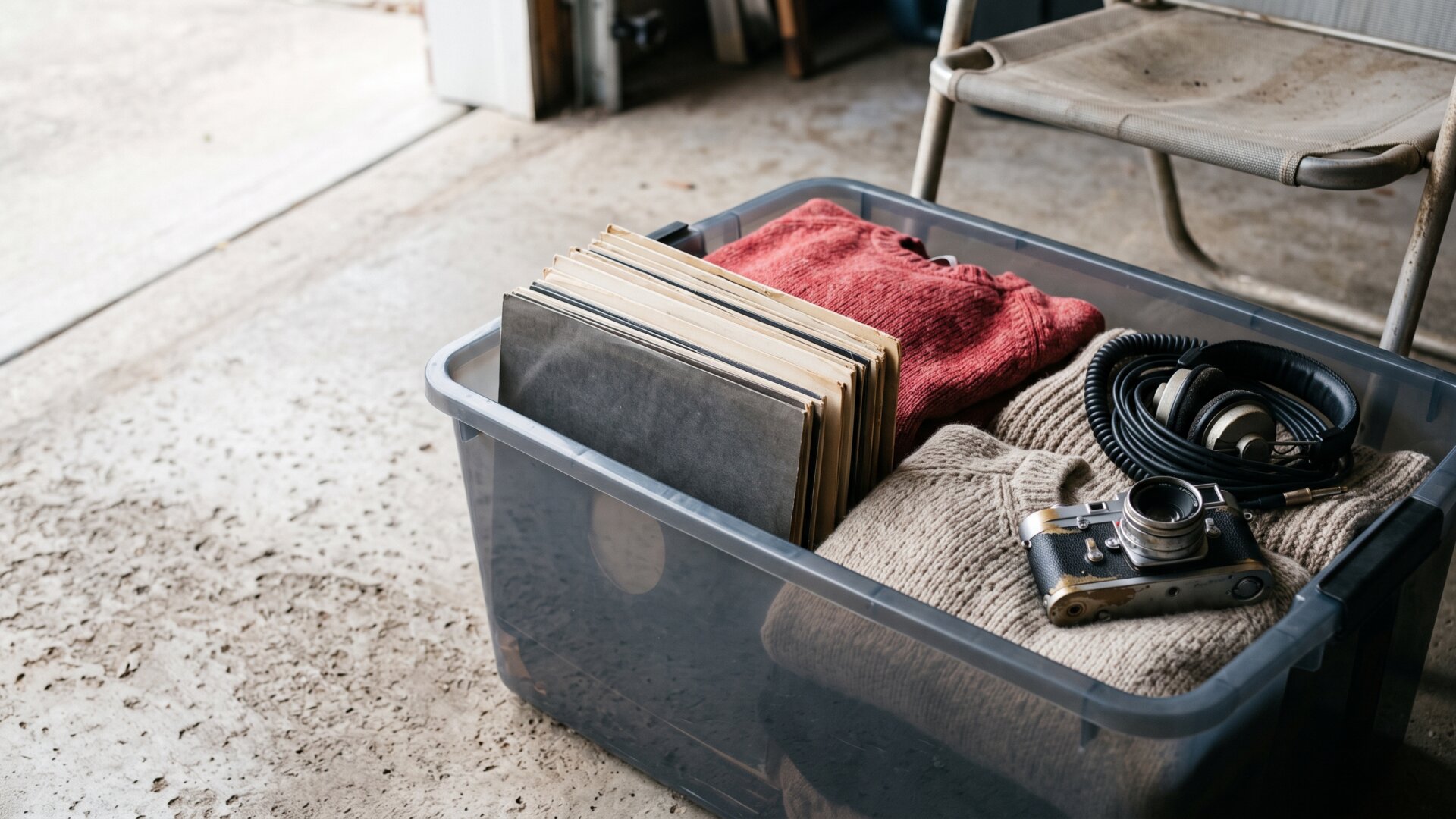
Compare the two category lists in the report and they do not line up. Shoppers named everyday fashion, footwear, and home and media items as what they look for. Sellers named collectibles and memorabilia, electronics and computers, and books, movies and music. Only the media category appears clearly on both sides. Clothing and footwear, which lead demand, do not appear in the seller top three at all, while collectibles lead supply without leading demand. For anyone deciding what to list from their own house, that gap is the practical finding in the report. The crowded end of the market is collectibles. The thinner end, relative to stated demand, is ordinary wearable clothing and shoes.
Younger buyers shop used at nearly double the overall rate
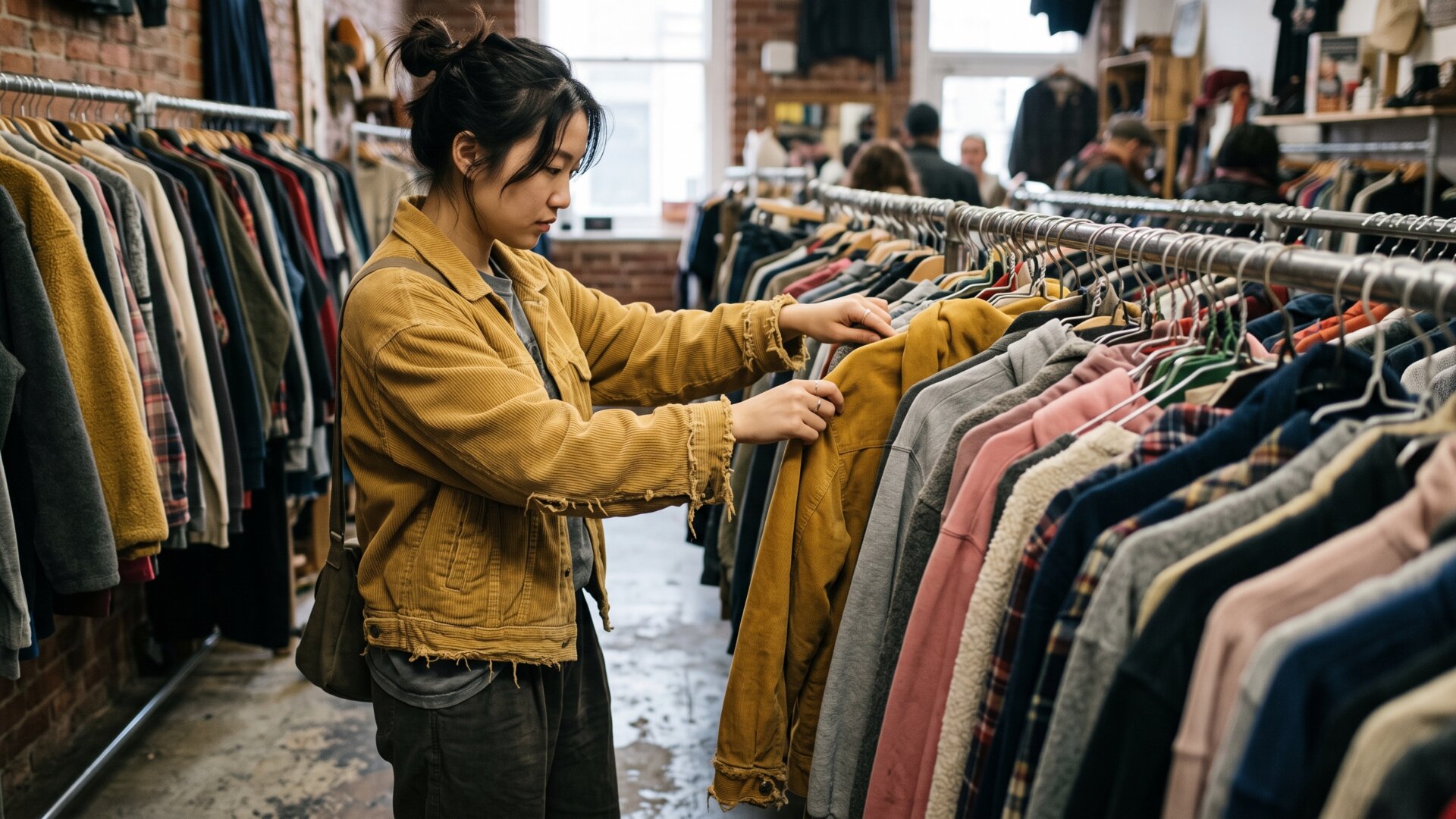
Forty-six percent of surveyed 18- to 29-year-olds said they buy secondhand weekly or every other week. Across all ages, the figure was 28 percent. The forward-looking numbers separate further: 53 percent of that youngest group expect to buy more secondhand in the coming year, against 36 percent overall. Iannone attributed part of the shift to taste rather than budget, saying the younger generation is “also into being creative and being unique.” He said his daughter used to take him thrifting when she was a teenager. The common assumption is that young buyers shop used because they have less money. The frequency gap holds even though the stated reasons include originality and reuse alongside price.
Refurbished buyers who never used to buy refurbished
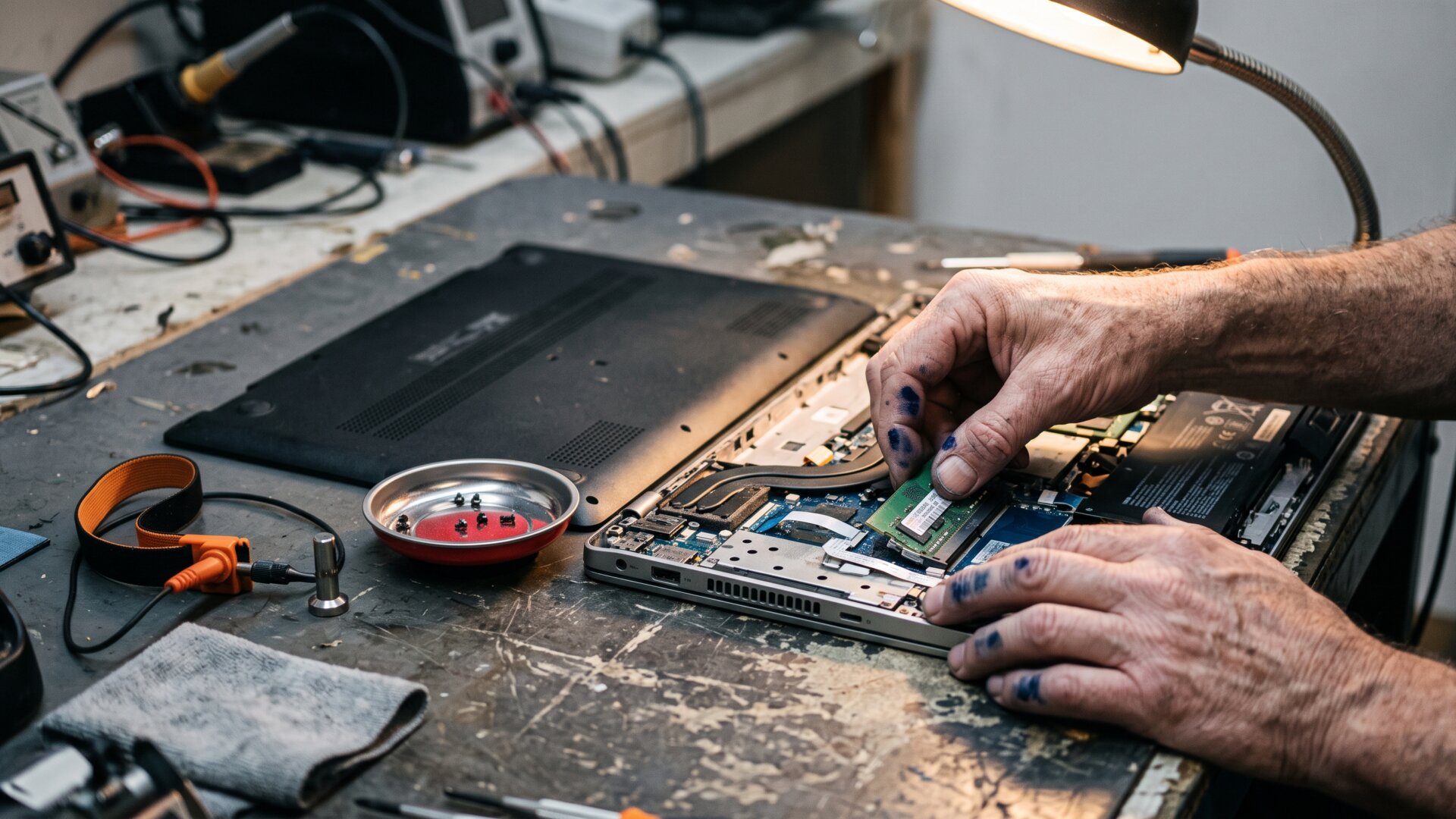
Jon Steingart, a Philadelphia-based eBay seller who buys and resells refurbished electronics, described a change in who is showing up. “I’ve been seeing an increase in buyers who normally wouldn’t buy refurbished,” he said. His description of what those buyers want is narrow. “They want as close to new as possible but they want to save money.” That is a different customer from someone browsing a thrift rack, and it puts pressure on condition grading, testing and returns rather than on price alone. Steingart said his busiest stretches are back-to-school, driven heavily by college students buying refurbished electronics, and the holiday season.
A New York buyer who sources 90 percent of purchases used

Victoria Jelert, 29, has bought secondhand from eBay and other platforms since she was a teenager. “Ninety percent of what I buy is secondhand,” she said. Her purchases have ranged across rare books, home goods and designer clothing. Her reasoning is explicitly about production volume rather than her own budget. She said too many goods are overproduced, and that “whenever we have the opportunity to extend the life of something that already exists rather than producing something new, I think inherently that’s a good thing.” She also used a specific term for the system she sees herself participating in, saying she loves knowing she is contributing to a circular economy.
The stigma that used to attach to used goods

The report’s most useful context is what it implies about the recent past. Secondhand buying carried a social penalty that has eased, which is why 81 percent is a plausible figure now and would not have been a generation ago. The behavior did not have to be invented. The embarrassment had to go. Iannone expects that to carry into gift-giving, saying, “I think we’re going to see a lot more people doing pre-loved shopping.” Giving a used item as a present is the clearest test of whether the stigma has actually lifted, because gifts are the one purchase a buyer makes under someone else’s judgment. If you are listing items, the report’s category gap is the thing to act on first.