

Products are selected by our editors, we may earn commission from links on this page.
More than 1,000 Michigan residents have been diagnosed with cyclosporiasis, making it the largest outbreak of the parasitic infection in the state’s history. The surge has prompted an extensive public health investigation as officials work to identify what may be connecting hundreds of illnesses reported over a short period. Although similar cases have been reported in other states, Michigan has emerged as the center of the outbreak.
Health officials have not yet identified a single source, but the investigation is increasingly pointing toward fresh produce. Early findings suggest lettuce or salad greens may be involved, though authorities caution that no specific type of produce, grower, or supplier has been confirmed. Because the investigation is ongoing, officials say other foods have not been ruled out.
The outbreak has also highlighted how difficult cyclosporiasis can be to investigate. Symptoms may not appear for up to two weeks after someone eats contaminated food, making it challenging for patients to remember exactly what they consumed. That delay can slow efforts to trace infections back to a common source, even when investigators believe the cases are connected.
What Is Cyclospora and How Does It Spread?
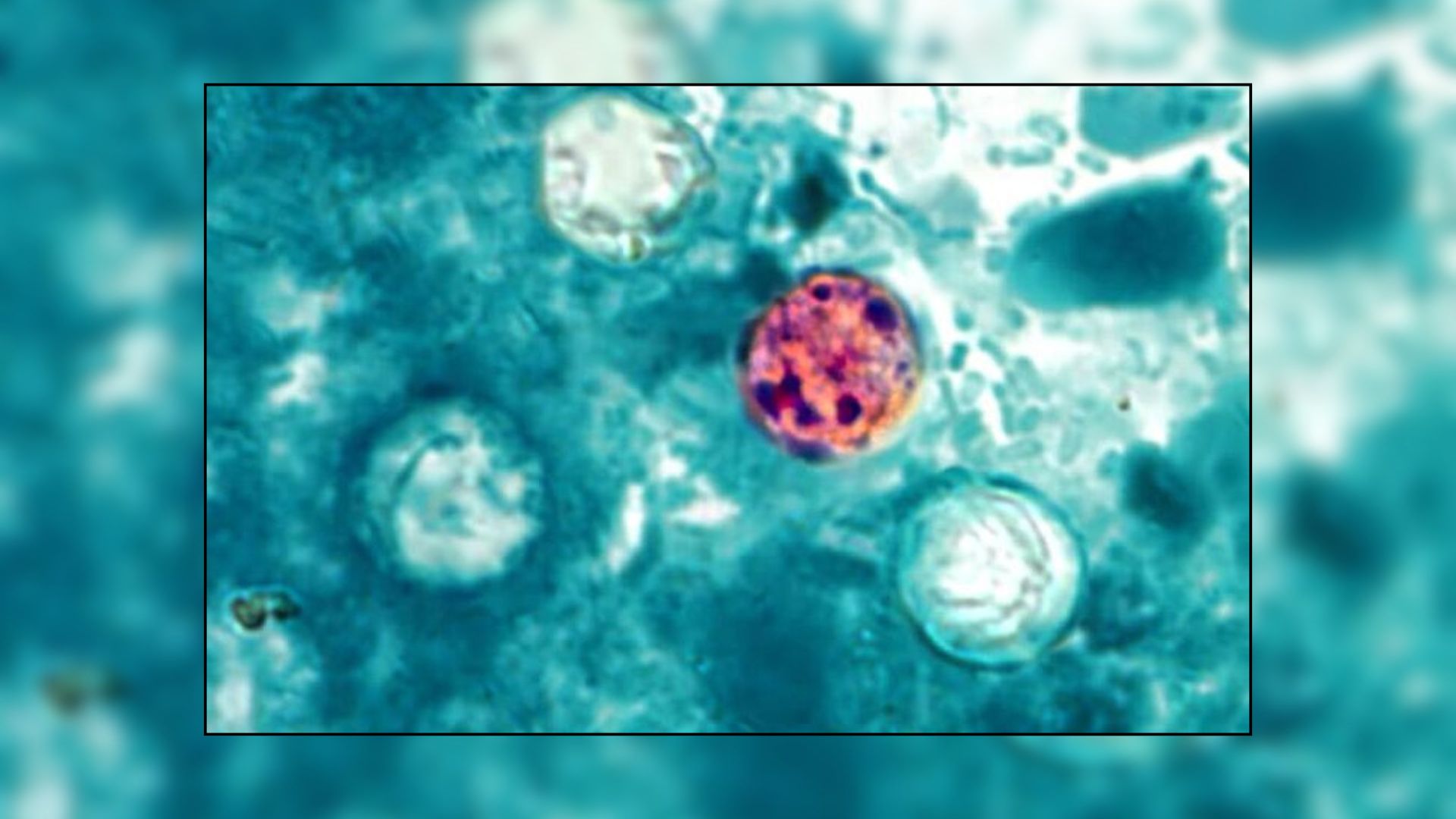
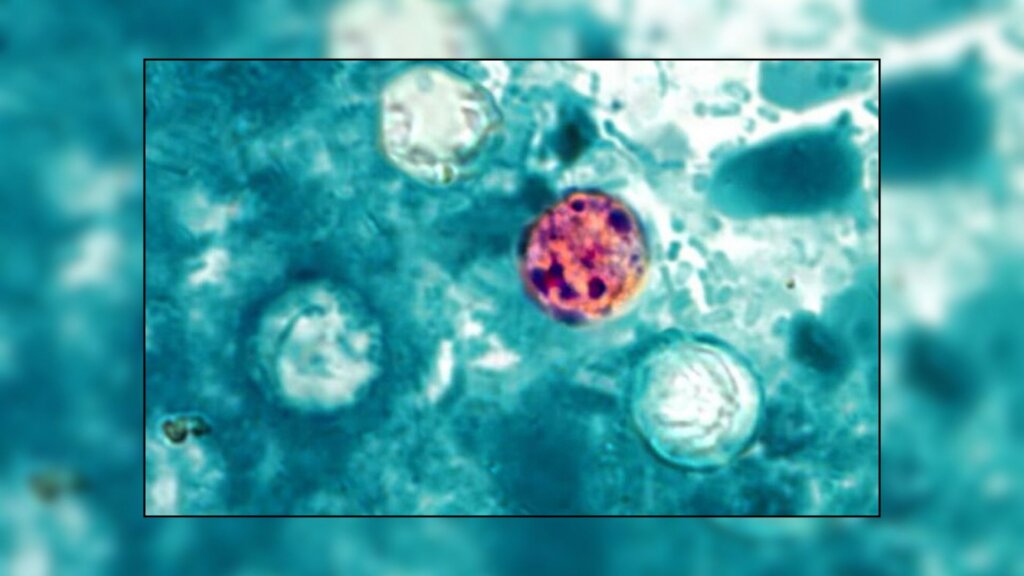
Cyclospora cayetanensis is a microscopic, single-celled parasite that infects the small intestine and causes an illness known as cyclosporiasis. According to the U.S. Centers for Disease Control and Prevention, the infection commonly causes watery diarrhea, often accompanied by frequent or sometimes explosive bowel movements, bloating, nausea, fatigue, stomach cramps, and, in some cases, fever. Symptoms typically begin about one week after exposure but may take up to two weeks to appear, and untreated illness can persist for weeks or even months. Fortunately, cyclosporiasis is generally treatable with antibiotics.
People usually become infected after eating fresh produce contaminated with feces during growing or harvesting, often through contaminated irrigation water. Previous Cyclospora outbreaks have been linked to imported raspberries, basil, cilantro, snow peas, and packaged salad mixes. Investigators emphasize that contamination typically occurs before produce reaches grocery stores, making the source difficult to pinpoint.
Unlike some gastrointestinal illnesses, Cyclospora is not commonly spread directly from one person to another because the parasite requires time outside the human body to become infectious. Instead, most infections are associated with contaminated food or, less commonly, contaminated water.
Why Finding the Source Takes So Long

Tracing a Cyclospora outbreak is considerably more challenging than investigating outbreaks caused by bacteria such as Salmonella or E. coli. Fresh produce has a short shelf life, meaning contaminated items are often gone by the time illnesses are reported. Patients may also have eaten complex meals containing numerous fresh ingredients, making it difficult to identify the common source.
Health investigators note that a single contaminated ingredient, such as basil or cilantro, can appear in multiple dishes purchased from different restaurants or grocery stores. That overlap can obscure the true source of contamination and prolong investigations for months. In some outbreaks, a definitive source is never identified.
Officials are continuing to interview patients, examine purchasing records, and analyze food distribution patterns to determine what may have connected recent illnesses. While early investigations have explored several possible produce items, no specific grower, supplier, or product has been confirmed as the source of the current outbreak.
How to Reduce Your Risk While Continuing to Eat Produce

Public health experts stress that consumers should not stop eating fruits and vegetables because of the outbreak. Instead, they recommend taking practical steps to reduce risk while recognizing that no single method completely eliminates the possibility of contamination.
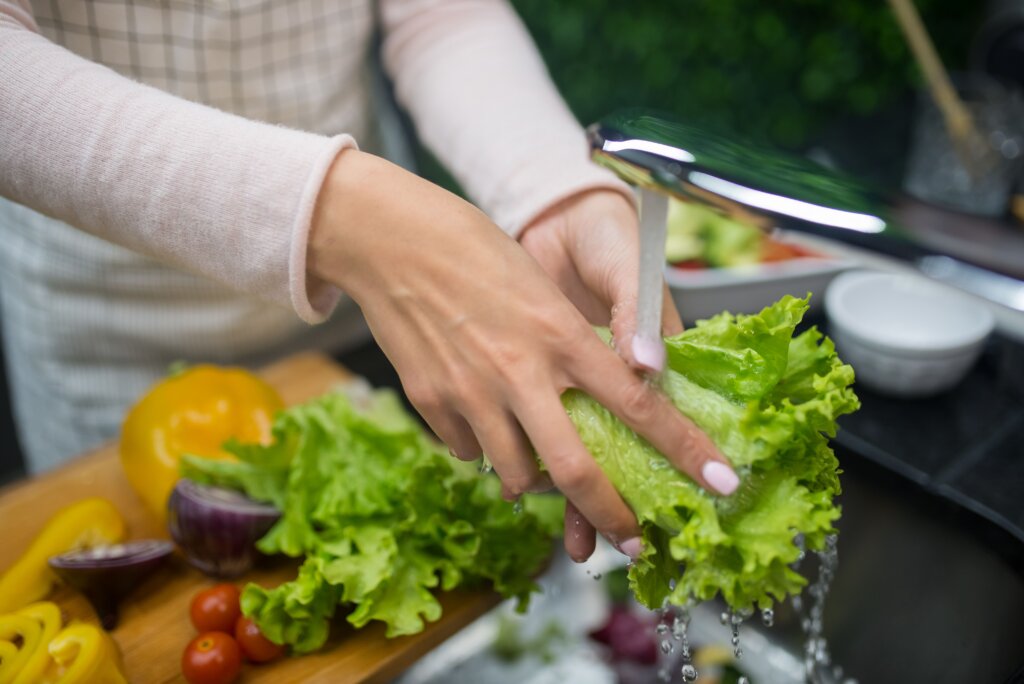
Washing produce under running water can remove dirt and some surface contaminants, although experts note that washing alone may not completely remove Cyclospora, particularly from fruits and vegetables with folds, crevices, or rough surfaces where the parasite may be protected. When practical, peeling fruits, choosing produce with smooth surfaces, or cooking vegetables can further reduce exposure.
Anyone who develops persistent watery diarrhea, especially after eating fresh produce, should seek medical evaluation. Because Cyclospora is not always included in routine laboratory testing for gastrointestinal illness, healthcare providers may need to order specific tests. Early diagnosis allows patients to receive appropriate antibiotic treatment and helps public health officials better understand and investigate the ongoing outbreak.