

Products are selected by our editors, we may earn commission from links on this page.

Recessions can be forecast using unemployment rates, yield curves, and consumer spending data. But a parallel universe of informal indicators often sparks deeper public fascination. These quirky signals rarely offer definitive predictions, yet they capture subtle shifts in mood and behavior long before official numbers do.
Men’s Underwear Purchases Dip
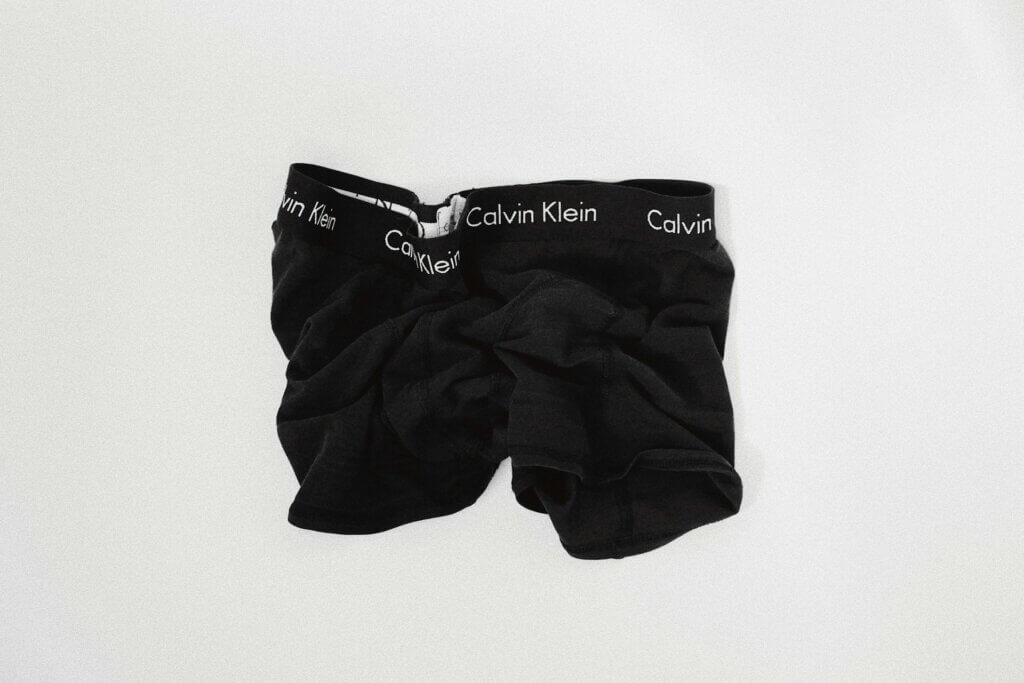
Former Federal Reserve Chair Alan Greenspan famously tracked men’s underwear sales as a recession clue. When economic anxiety rises, men delay restocking the most private, easily postponed item in their wardrobes. Sales drops in 2008 and 2020 supported the index’s logic, reinforcing its lore among economists and reporters.
Cardboard Box Orders Fall

Demand for cardboard boxes serves as a real-time proxy for goods movement. Fewer shipments often signal slowing consumer demand and caution among manufacturers. During the 2008 recession and again in 2022, steep declines in box orders reflected broader economic contractions and cooling retail activity.
Snack Spending Shrinks

Analysts note that consumers buy fewer snacks, especially branded or premium ones, when uncertainty rises. Business Insider highlights General Mills’ 5% revenue drop, extending to pet snacks as well. The trend suggests that even comfort foods lose ground when households become more price-sensitive.
Mini Liquor Bottle Purchases Spike

Though alcohol consumption doesn’t necessarily fall during recessions, buying habits change. Shoppers gravitate toward smaller, cheaper bottles sold in convenience stores, hotel minibars, and liquor aisles. Executives from Brown-Forman have linked this shift to inflation and squeezed discretionary budgets.
Lipstick Sales Climb When Confidence Falls
The “lipstick index,” coined in the early 2000s, proposes that small affordable luxuries surge when larger splurges feel out of reach. Business Insider reports that lipstick sales historically rose during downturns, including the early 2000s and the 2008 recession. This pattern reflects consumers seeking small boosts of joy amid tighter budgets.
Hemlines Quietly Signal Mood Shifts
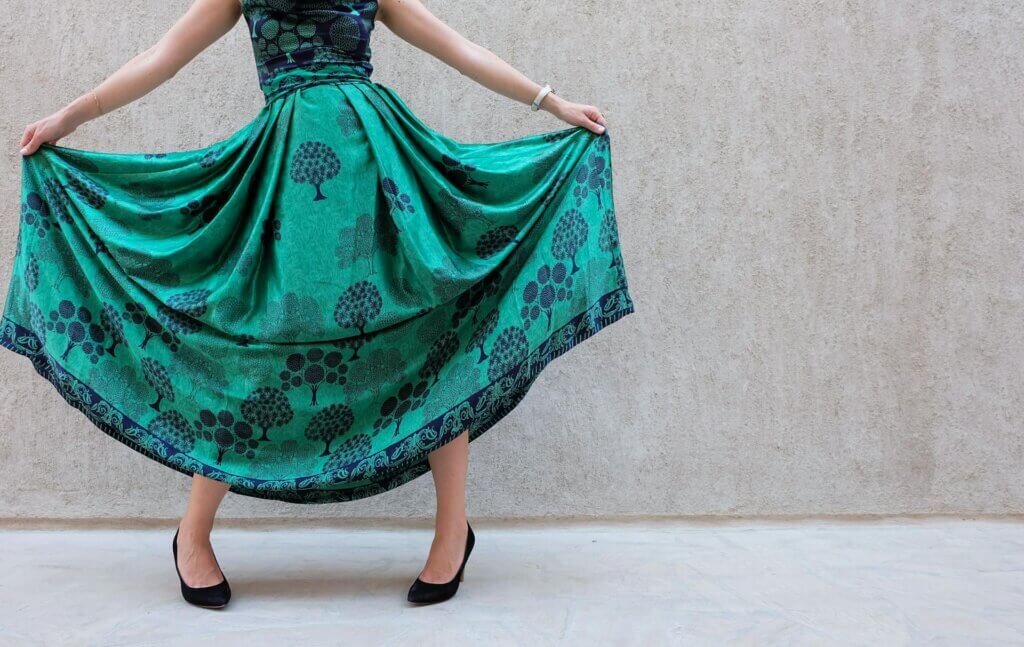
A century-old theory suggests skirt lengths rise in good times and fall when the economy dims. NPR and Business Insider both recount how miniskirts flourished in the booming 1960s but retreated during the 1970s oil crisis. Renewed trends toward maxi silhouettes during recent inflationary periods have revived interest in this fashion-based indicator
Diaper Rash Ointment Sales Increase
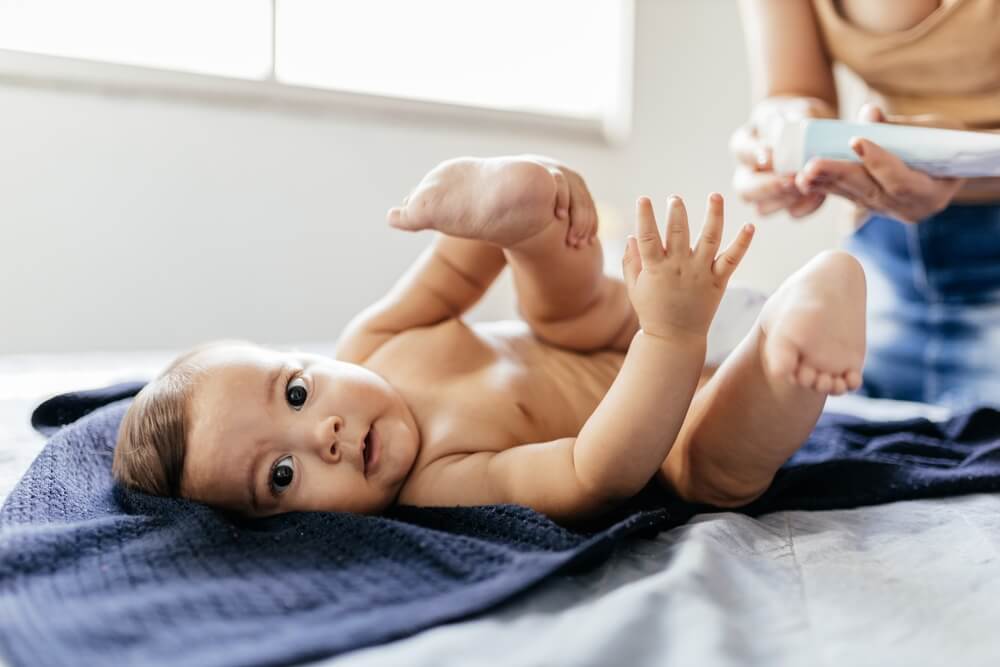
One of the most sobering indicators tracks how families stretch diapers further to cut costs. Business Insider notes that ointment sales rose during difficult moments in 2011, even as diaper sales slowed. The pattern underscores how household stress can surface in unexpected and deeply personal ways.
Frozen Pizza Becomes a Budget Staple
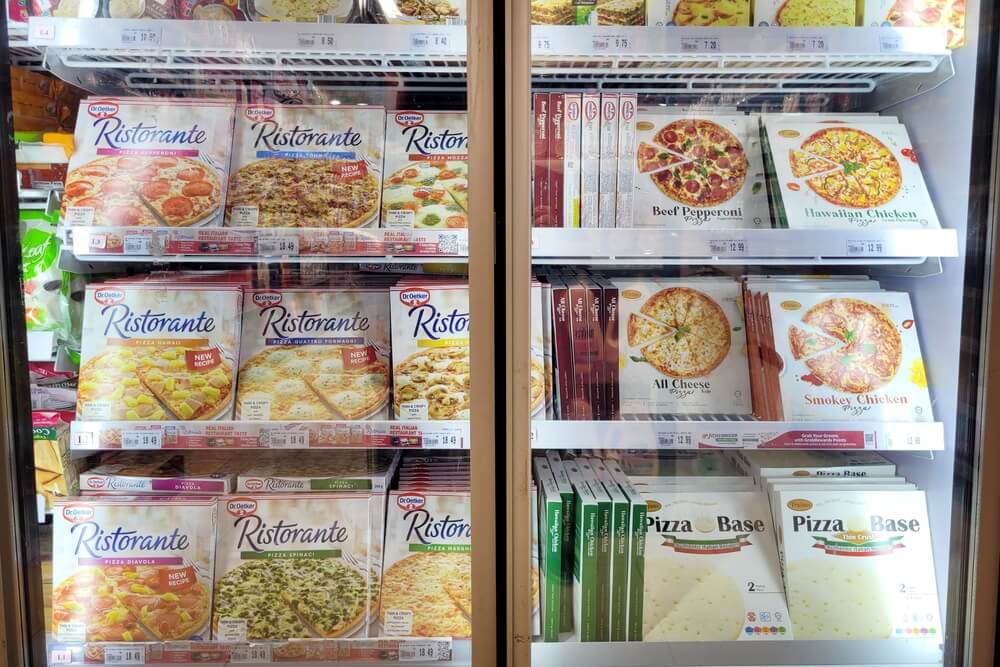
NPR reports that frozen pizza consumption spikes during recessions as consumers favor low-cost, easy meals with long shelf lives. This trend reflects a shift toward convenience and predictability when food budgets shrink. The rise in freezer-aisle staples serves as a subtle barometer of tightening household spending.
Parking Lots Grow Emptier
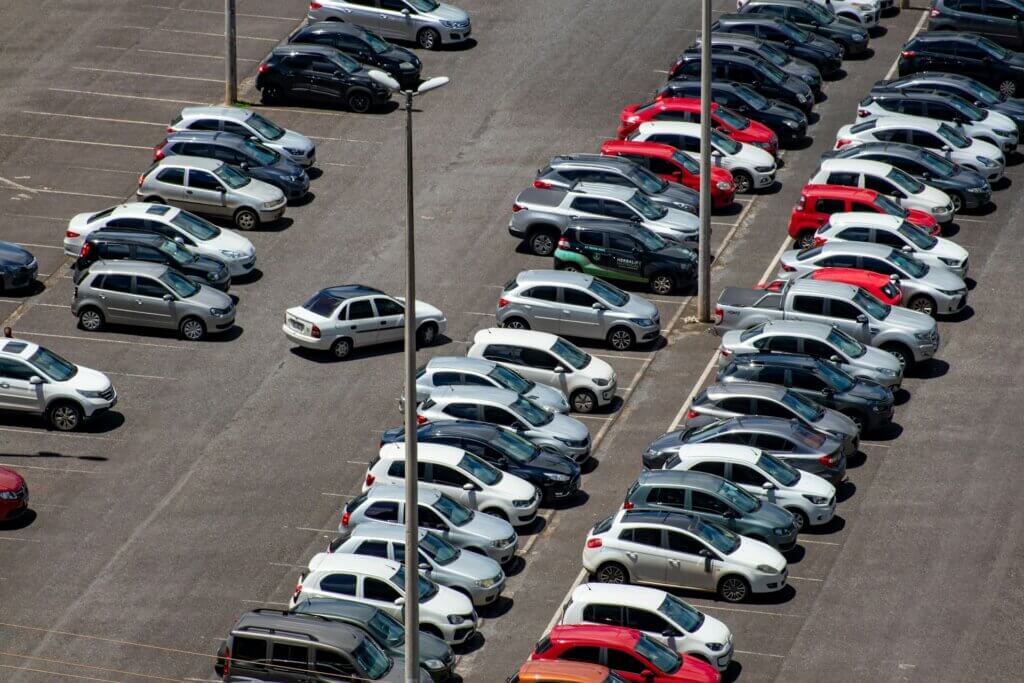
Empty spaces at malls and big-box stores have long been interpreted as signs of waning consumer activity. NPR notes that sparse parking lots suggest households are pulling back on discretionary purchases. While not precise, the visual cue captures real-time shifts in foot traffic and confidence
What These Clues Really Tell Us
Individually, these indicators can be anecdotal or inconsistent. But taken together, they portray how economic unease reshapes everyday decisions long before official metrics confirm a trend. Whether or not a recession arrives, these unusual signals offer a revealing look at how people adapt when uncertainty rises.