

Products are selected by our editors, we may earn commission from links on this page.
A stock trading near its lowest price in 12 years does not happen to a company having an ordinary bad year. Nike closed at $39.09 on August 17, a level not seen since 2014 and roughly 78 percent below its November 2021 peak. That collapse has erased close to $200 billion in market value. Market strategist Charlie Bilello called it the worst drawdown in Nike’s history as a public company, worse than anything the brand weathered during past recessions or boycotts.
The Growth Engine Nike Built for a Decade Is Now Dragging It Down

Nike spent roughly ten years building Nike Direct, its strategy for selling straight to consumers instead of through wholesalers. That same division is now the source of its steepest losses. In its fiscal fourth quarter, Nike Direct revenue fell 7 percent, driven by a 12 percent plunge in digital sales, according to the company’s own earnings release. The part of the business meant to insulate Nike from retail middlemen has become one of its biggest liabilities.
China Has Posted Eight Straight Quarters of Declining Sales
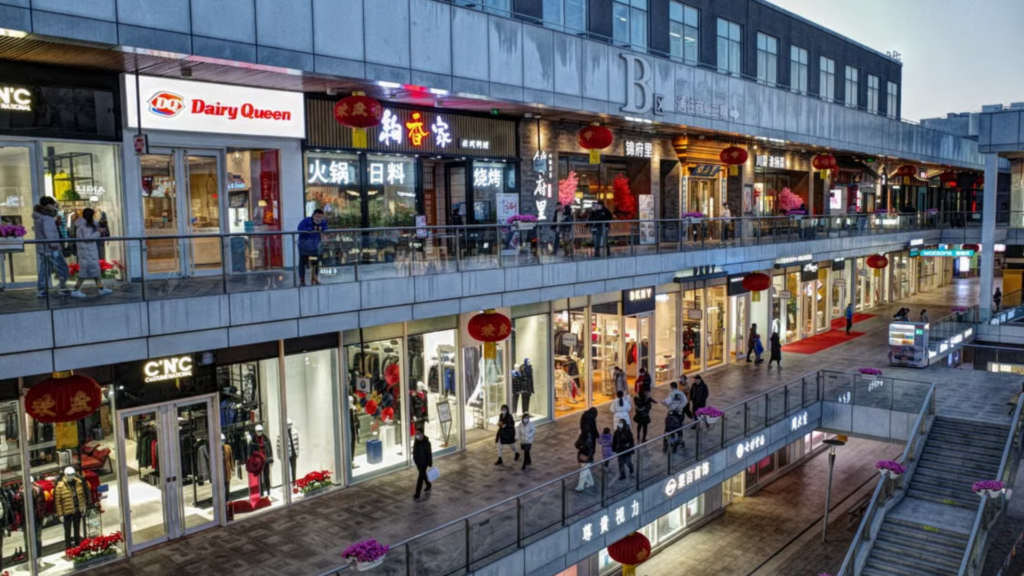
Greater China remains the one major region where Nike’s turnaround has not taken hold. The market posted its eighth consecutive quarter of falling sales, with fourth-quarter revenue down 12 percent on a reported basis and 17 percent adjusted for currency swings. Nike’s China revenue has fallen roughly 30 percent since 2021, and local competitors like Anta and Li Ning have kept gaining ground on price and product, not simply riding currency shifts in their favor.
Nike Is Cutting Off More Than 1,000 Chinese Retail Partners

Starting in January 2027, Nike will stop selling through more than 1,000 third-party online storefronts across China, consolidating sales into its own app, website, and official flagship stores on Tmall, JD.com, and Douyin. Distributors like Topsports, which relies on Nike for roughly a fifth of its own revenue, have already seen their stock prices drop on the news. Nike is choosing tighter brand control over guaranteed near-term sales, a bet unlikely to pay off quickly.
One Analyst Thinks Wall Street’s Earnings Estimates Are Still Too High

Not every Wall Street voice sees Nike’s turnaround the same way. JPMorgan analyst Matthew Boss downgraded the stock to Underweight on August 4, cutting his price target to $40 from $47. Boss argued consensus earnings estimates sit roughly 20 percent too high, since the China reset and North American store closures will keep squeezing profit through fiscal 2028. His call stands apart from the broader analyst community.
Most Analysts Still Disagree With That Bearish Call

Boss’s downgrade has not swayed the majority of Wall Street. Twelve analysts currently rate Nike a Buy, against just two Sell ratings, according to TheStreet’s reporting. The disagreement largely comes down to timing rather than direction. Bulls generally see a brand making the right long-term strategic moves. Boss sees a company front-loading real pain that the market has not fully priced into the stock yet, even at these already depressed levels.
A New CFO Arrived the Same Week the Stock Hit Its Low

Timing rarely feels coincidental in situations like this. David Denton, who previously served as CFO at Lowe’s and Pfizer, joined Nike on August 17, the exact week shares touched their 12-year low. Companies do not typically bring in outside financial discipline when things are going smoothly. Boards tend to make that move when they want a more analytical, skeptical voice in the room while a turnaround story is still being sold internally.
The Immediate Trigger Actually Came From a Rival, Not Nike Itself

Nike’s low point on August 17 was not driven purely by its own numbers. Rival brand On Holding reported second-quarter sales that missed Wall Street’s expectations and issued cautious full-year guidance, unsettling the entire athletic footwear sector that day. That external shock landed on top of Nike’s existing pressures, from the JPMorgan downgrade to ongoing China weakness, compounding into the steepest single-day slide investors had seen in a while.
Nike’s Board Appears to Be Planning for Years, Not Months

Denton’s arrival alongside a leadership shakeup in the accounting department suggests Nike’s board is not expecting a quick bounce back. Chief Accounting Officer Johanna Nielsen is departing effective September 4, with Denton temporarily stepping into that role as well. That kind of structural reshuffling, layered on top of a multi-year turnaround plan, points toward a company bracing for a longer rebuild rather than one clean quarter of good news.
Nike Now Has to Rebuild Trust One Region at a Time

Legacy consumer brands rarely collapse over a single disappointing quarter, and Nike’s slide fits that pattern closely. Years of compounding pressure, direct-to-consumer bets, geographic overexposure, and slow-moving decisions brought the stock to this point gradually rather than suddenly. The 2021 peak represented a moment when Nike stopped needing to prove anything to anyone. That moment has passed, and the company now has to earn its position back through results, not reputation.