

Products are selected by our editors, we may earn commission from links on this page.
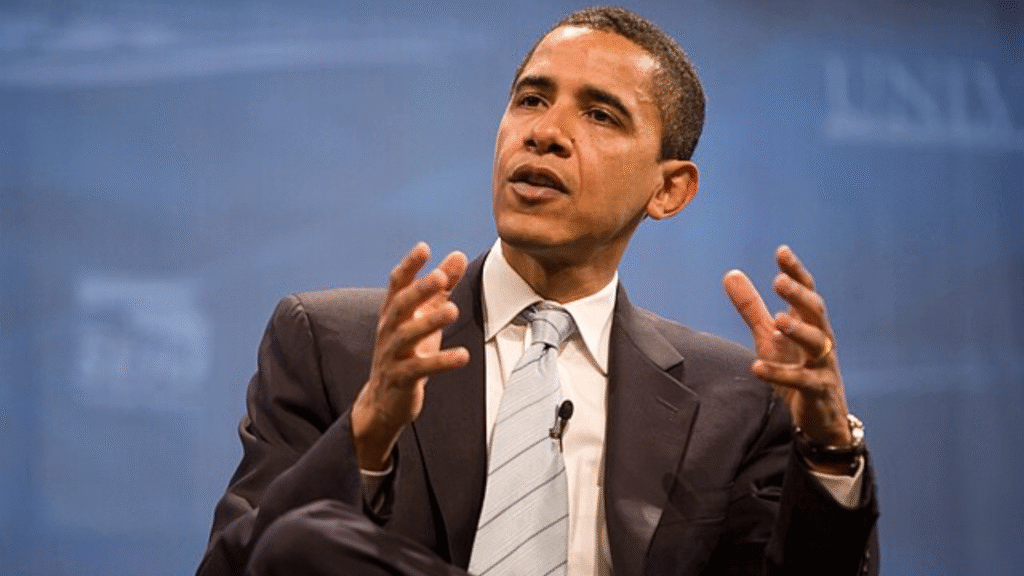
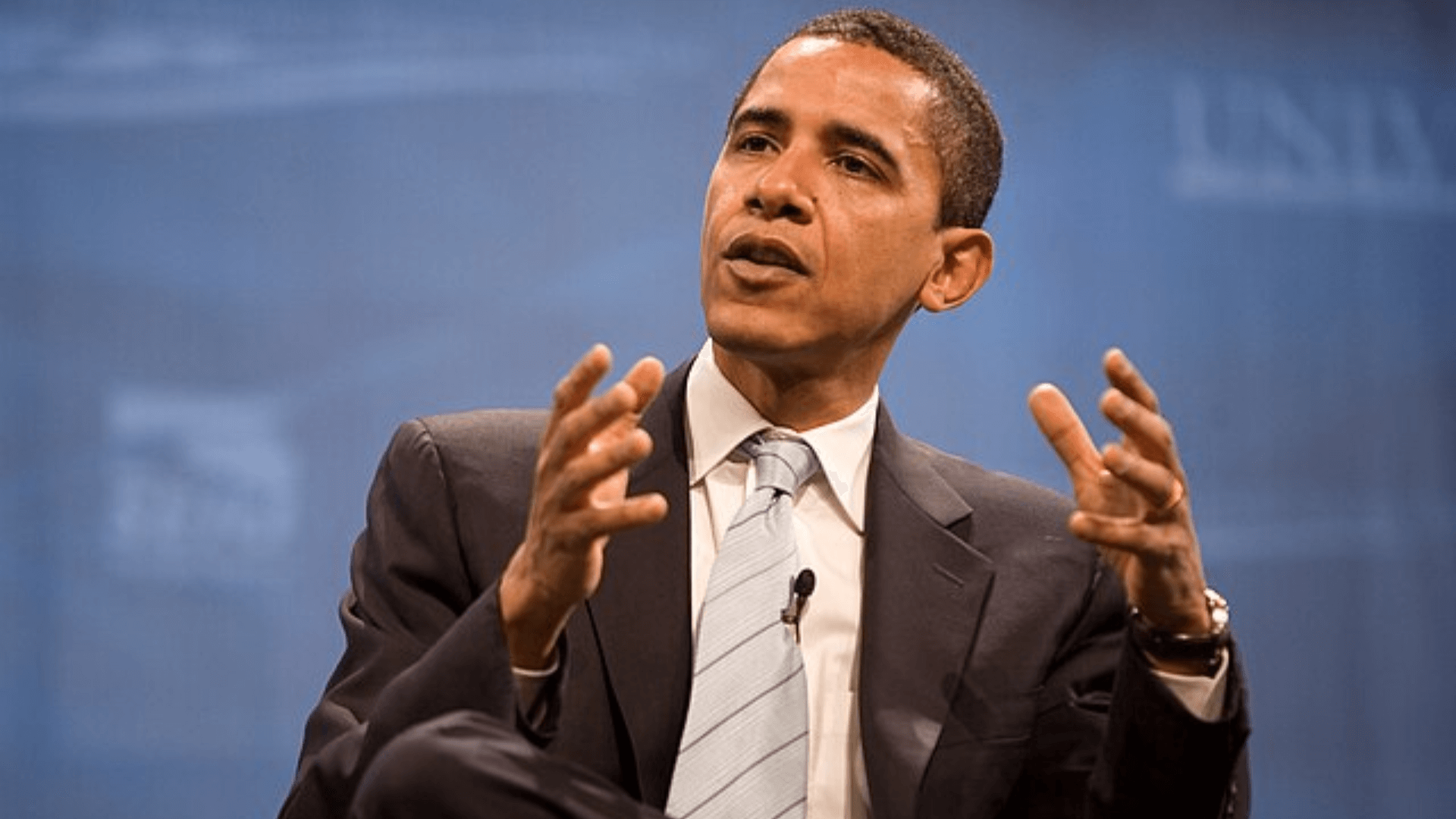
A political firestorm erupted when former President Barack Obama appeared on a podcast and answered a rapid-fire question about extraterrestrial life by saying that aliens are real, a comment that quickly went viral and reignited curiosity about UFOs and unidentified aerial phenomena. While Obama added that he personally had not seen any evidence and joked about conspiracy theories involving Area 51, the clip spread widely online and reignited the long-standing public fascination with whether humanity is alone in the universe.
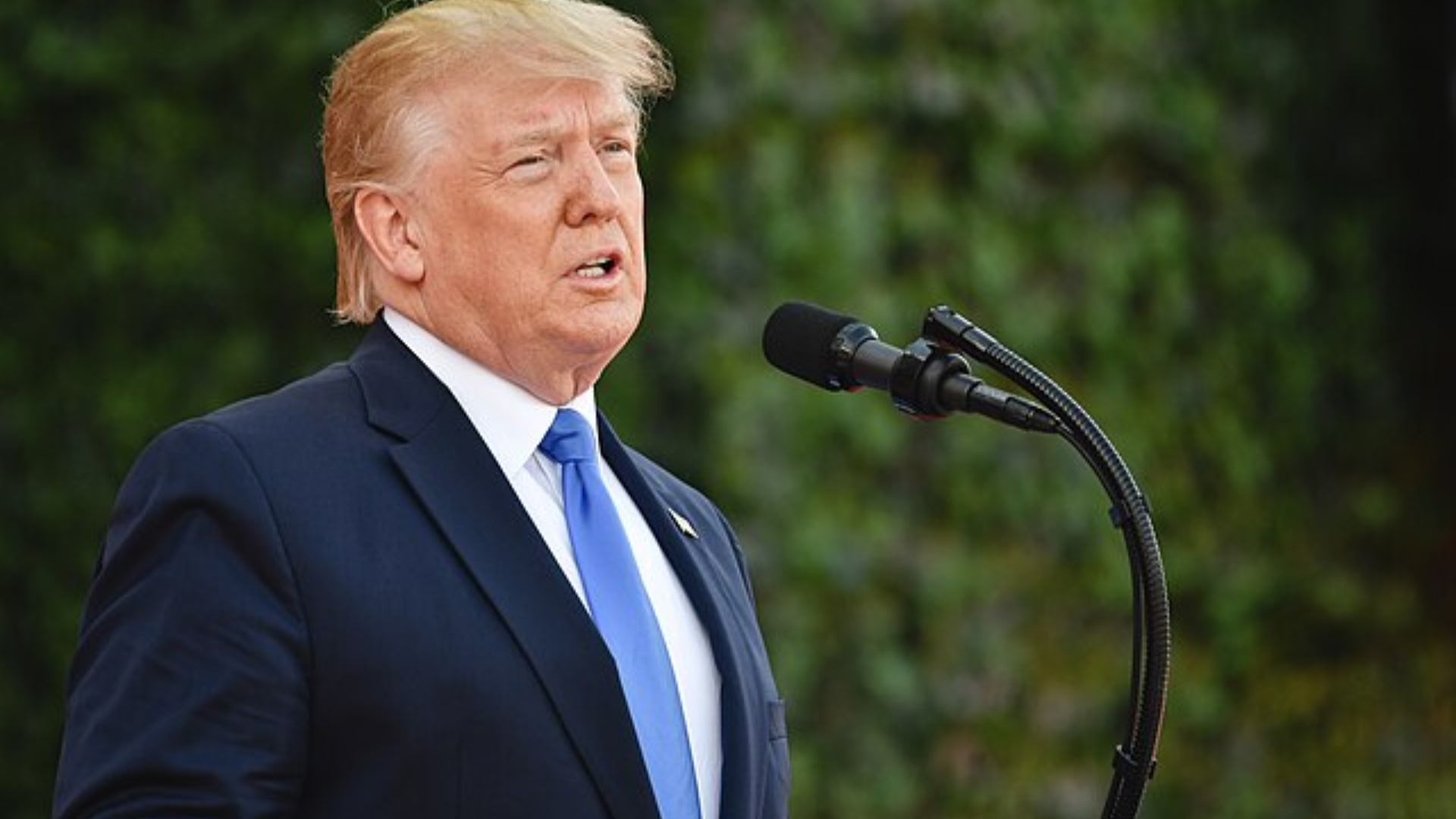
In response to Obama’s podcast remarks, President Donald Trump sharply criticized his predecessor, accusing him of revealing information that should have remained classified. Speaking to reporters aboard Air Force One, Trump said that Obama “gave classified information” and suggested it was inappropriate for him to discuss the topic in that forum. Trump claimed that Obama had “made a big mistake” by talking about aliens publicly and implied that such comments crossed a line, even though Obama later clarified his original statement and emphasized that he saw no evidence of alien contact during his presidency.
The exchange between the two former and current presidents has fueled speculation across social media and news outlets as Americans digest how comments on extraterrestrial life, which historically have been part scientific question and part pop culture fascination, have quickly become a point of political contention that includes allegations of improper disclosure and challenges to federal secrecy norms.
Trump Orders Government to Release UFO and Alien Files

Shortly after defending his criticism of Obama’s remarks, Trump announced that he would direct federal agencies, including the Pentagon, to begin identifying and releasing government records related to alien life, unidentified aerial phenomena (UAP) and unidentified flying objects (UFOs). Citing “tremendous interest” from the public, the president said that agencies should make these files available to the public, potentially shedding light on years of speculation and secretive investigations that have fascinated Americans for decades.
Trump’s announcement included a directive to the Secretary of War and other relevant departments to start the process of reviewing and declassifying information related to extraterrestrials and aerial phenomena. While details on the timeline or scope of the release have not been finalized, the move reflects a significant shift toward transparency that could result in a trove of documents being published, although officials have said it may take some time to fully assess what can be shared without compromising sensitive national security operations.
The planned release of UFO and alien-related files comes against a backdrop of ongoing interest in unidentified sightings and government investigations that have at times found unexplained aerial signatures but have not produced evidence of extraterrestrial contact. Intelligence and Pentagon reports in recent years have stated that while some sightings remain unexplained, there is no confirmed proof that Earth has been visited by alien life or that such life is being studied at facilities like Area 51, which the CIA once described as a test site for secret aircraft rather than an alien holding location.
Clarifying Statements and Scientific Perspectives
In the days after his initial comments surfaced, Obama used social media to clarify what he meant, explaining that he was referring to the statistical likelihood of life elsewhere in the vast universe rather than presenting evidence of alien visitation or secret government contact. He emphasized that during his presidency there was no evidence that extraterrestrials had made contact with Earth and reiterated that the distances between solar systems make direct visits unlikely despite the possibility of life in other parts of the cosmos.
NASA and scientific experts have weighed in by reminding the public that while life beyond Earth is a subject of active research, including the study of potentially habitable environments on other planets and moons, there is no confirmed evidence of extraterrestrial beings visiting or contacting humans. NASA officials have stated that while there are phenomena that remain unexplained or under investigation, these occurrences are often tied to natural or misidentified objects rather than alien technology.
The contrasting statements from political leaders and scientists illustrate wider public interest and debate over what constitutes credible evidence and how government transparency should intersect with scientific research, national security and public curiosity around one of humanity’s oldest questions.
What the Debate Could Mean Going Forward
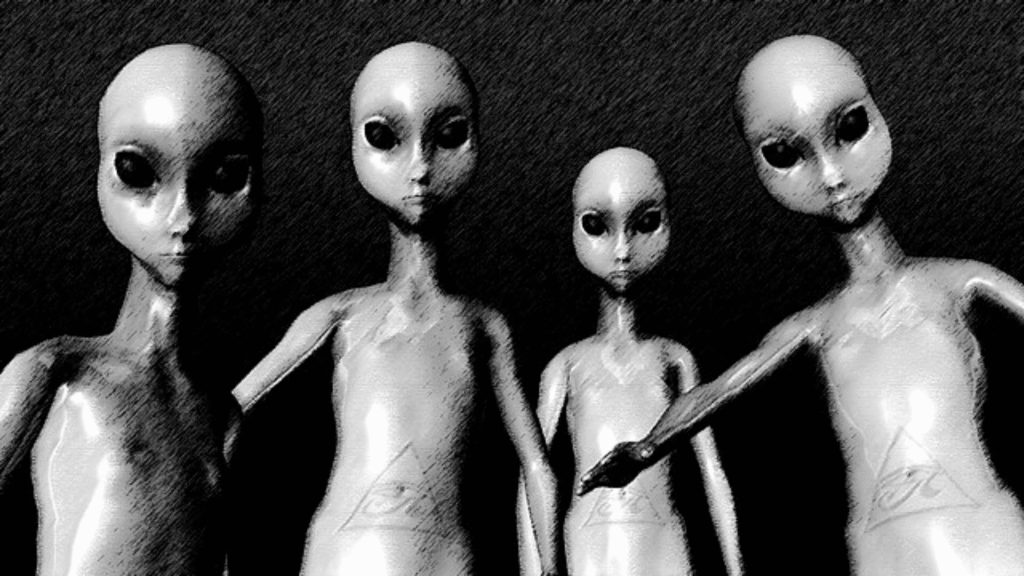
The exchange between Obama and Trump has reignited public discussion not just about extraterrestrial life, but about how political figures speak on sensitive topics and how the government handles classification and disclosure. If the UFO and alien files are released, they could provide unprecedented detail about centuries of sightings, investigations and unexplained phenomena, although officials caution that previous reports have found no evidence of alien visitation and that many unexplained cases relate to ordinary or terrestrial explanations.
The debate also highlights how public trust in science and government transparency intersects with long-held cultural fascinations with UFOs, Area 51 and the possibility of life beyond Earth. For many people, the notion of aliens has long transcended politics, but for others it remains fertile ground for speculation and controversy as leaders weigh what to disclose and how.
Whether this moment leads to meaningful new insights or simply fuels further speculation remains to be seen, but the conversation underscores the enduring power of the unknown in shaping public imagination and policy discussions alike.