

Products are selected by our editors, we may earn commission from links on this page.
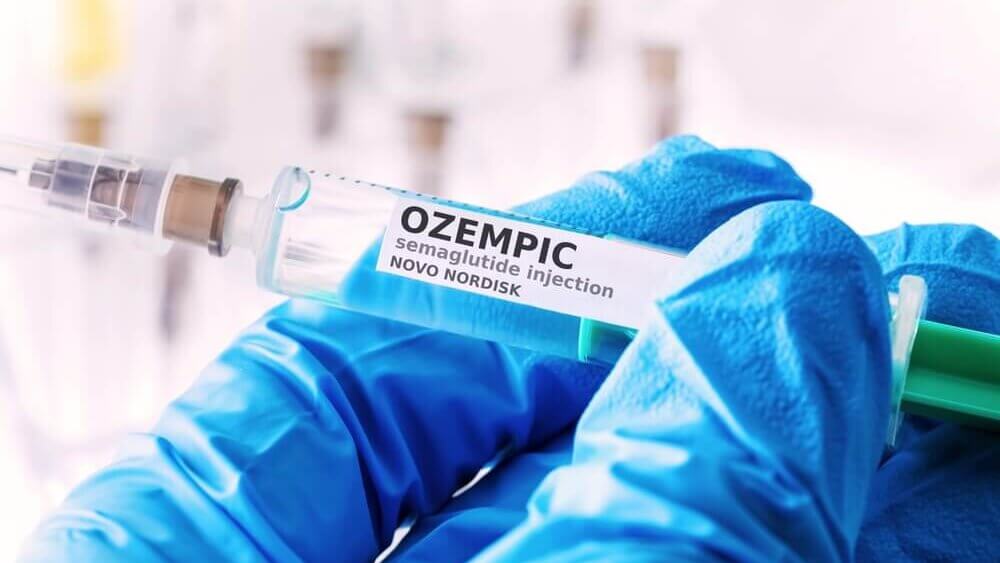
Novo Nordisk, the maker of blockbuster diabetes and weight-loss drug Ozempic, has announced it will slash the drug’s U.S. price in half. The move comes after President Donald Trump’s administration imposed strict tariffs on foreign-made drugs, pushing pharmaceutical companies to adjust pricing strategies.
For millions of Americans, this could mark a turning point in the ongoing debate over drug affordability and access.
The Price Cut
Ozempic’s new sticker price in the U.S. is expected to be about 50% lower than before, making it more attainable compared to its historically high monthly costs. For many patients, the drug had previously been prohibitively expensive, often costing upwards of several hundred dollars per month without insurance coverage.
Novo Nordisk’s decision signals a strategic shift to protect its market share in America, its most lucrative market.
Trump’s Tariffs
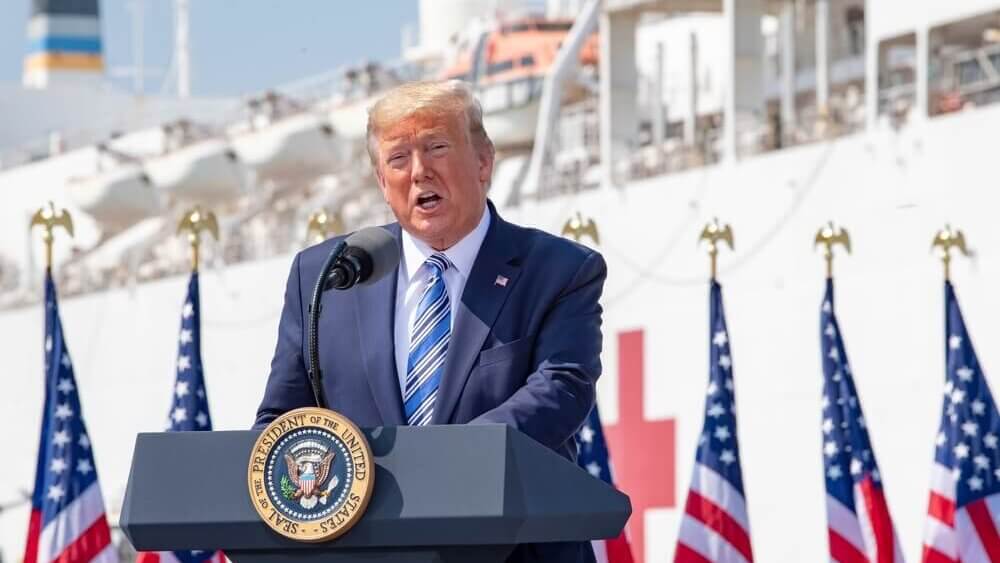
The price cut didn’t come voluntarily. It follows Trump’s aggressive push to curb the cost of imported drugs through steep tariffs, effectively forcing pharmaceutical giants to lower U.S. prices or face financial penalties.
While the move is being touted as a win for American consumers, it has also sparked concern abroad, as companies look to offset U.S. losses by charging other countries more.
Consumers & Accessibility
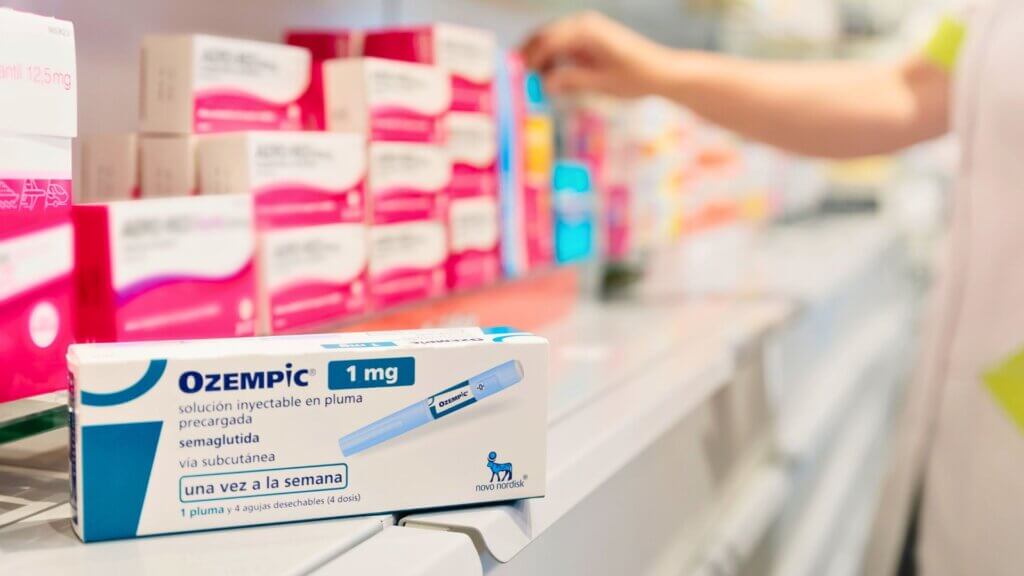
For patients, the headline sounds like a victory. But lower list prices don’t automatically translate into universal affordability. Insurance coverage, supply shortages, and out-of-pocket variations still dictate who can access Ozempic.
Experts warn that while the price cut helps, many consumers will continue to face barriers if their insurers restrict coverage or if supplies can’t keep up with surging demand.
Global Ripples
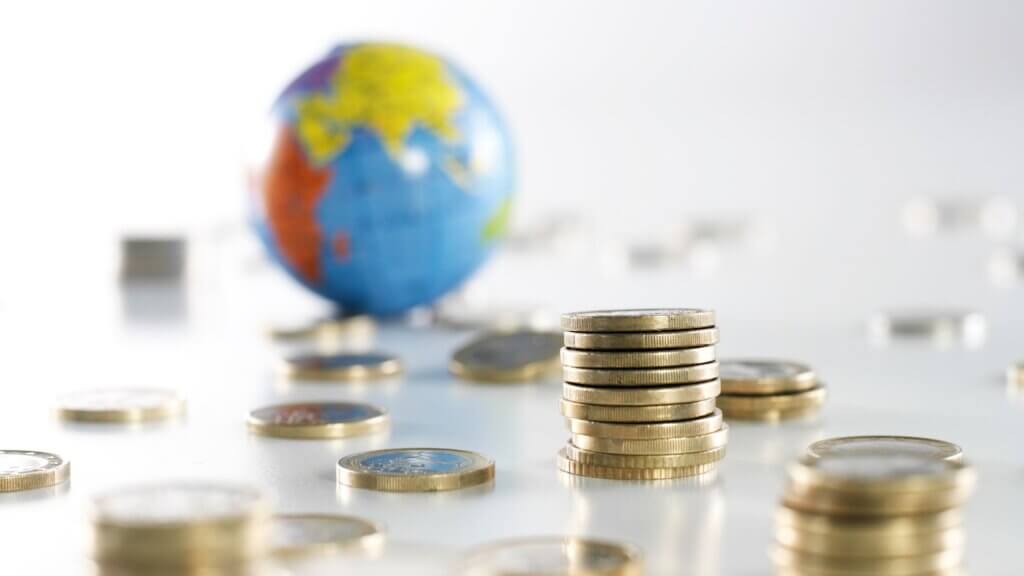
The ripple effects are already being felt internationally. In the UK and across Europe, governments are facing pressure from drugmakers to accept higher prices, effectively balancing out U.S. cuts.
This global reshuffling raises questions of fairness, with some regions forced to pay more so that Americans pay less. For countries with publicly funded healthcare systems, this could strain budgets and limit availability.
The Weight-Loss Boom
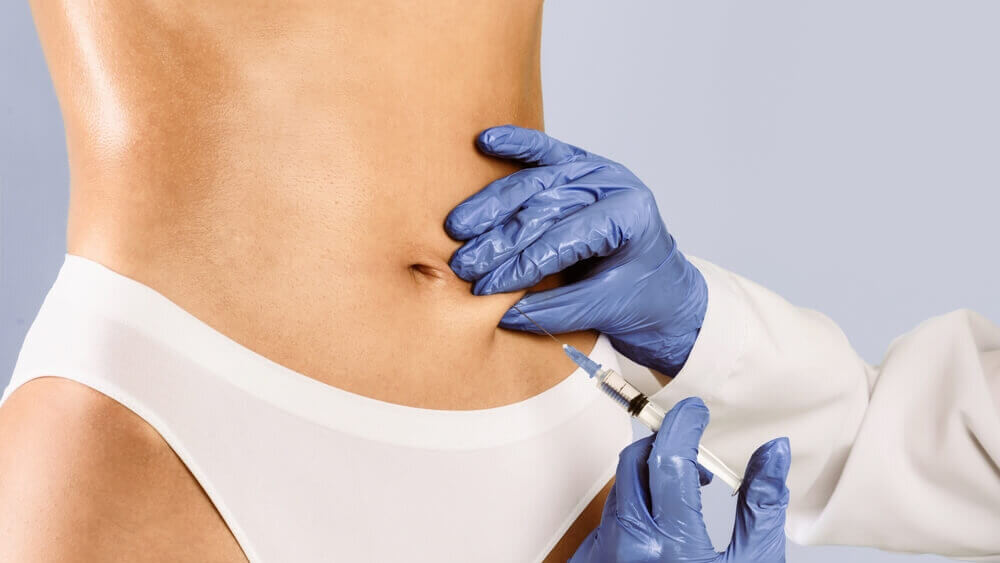
Ozempic’s popularity has soared well beyond its original use as a diabetes medication. It has become a cultural phenomenon, widely sought after for weight loss, fueling record sales and global shortages. Yet the market is shifting.
Competitors like Eli Lilly’s Mounjaro and Novo Nordisk’s own Wegovy are intensifying competition, and slowing growth suggests demand may be plateauing.
The Copycat Problem

Another challenge lies in the rise of counterfeit injections, fueled by soaring demand and limited access. Fake and unregulated versions of Ozempic have flooded markets, prompting
Novo Nordisk to take legal and commercial steps to protect both its brand and consumers. The new pricing strategy is seen as part of the effort to keep patients loyal to legitimate supply chains.
What It Means for Consumers
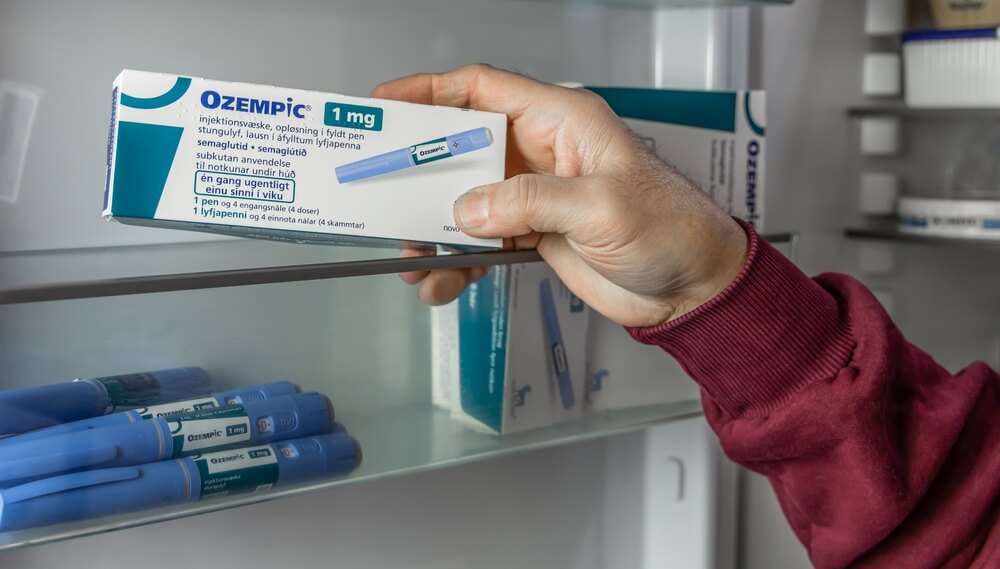
The halving of Ozempic’s U.S. price is a milestone in the fight over drug affordability, but it’s not a cure-all.
For patients battling diabetes or relying on the drug for weight management, the change may open doors—yet cost, coverage, and supply hurdles remain. Globally, the debate over who shoulders the burden of rising pharmaceutical costs is only growing louder.
For now, Americans may see some relief, but the larger struggle over fair access to life-changing drugs is far from resolved.