

Products are selected by our editors, we may earn commission from links on this page.
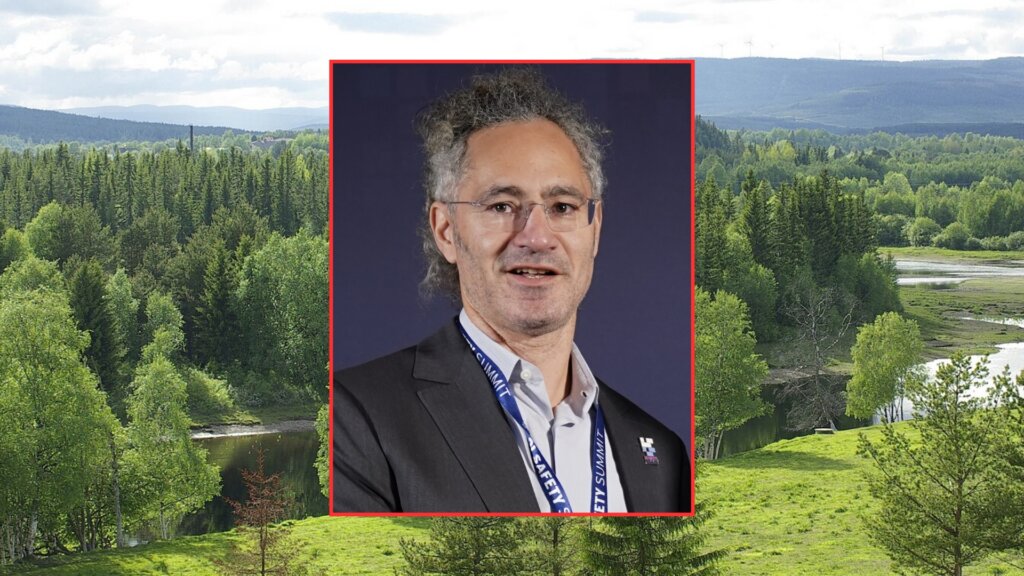
No press release went out. No town meeting was called. Yet in northern Härjedalen, a stretch of mountain-edge forest roughly the size of Liechtenstein had just gone to a buyer hidden behind a newly registered company. The deal covered 15,000 hectares near the quiet village of Storsjö Kapell, and it closed with so little noise that local officials were reportedly caught off guard. The first sign came in the mail.
Palantir CEO Alex Karp Is the Beneficial Owner Behind Cladonia Skog AB, a Brand-New Swedish Company
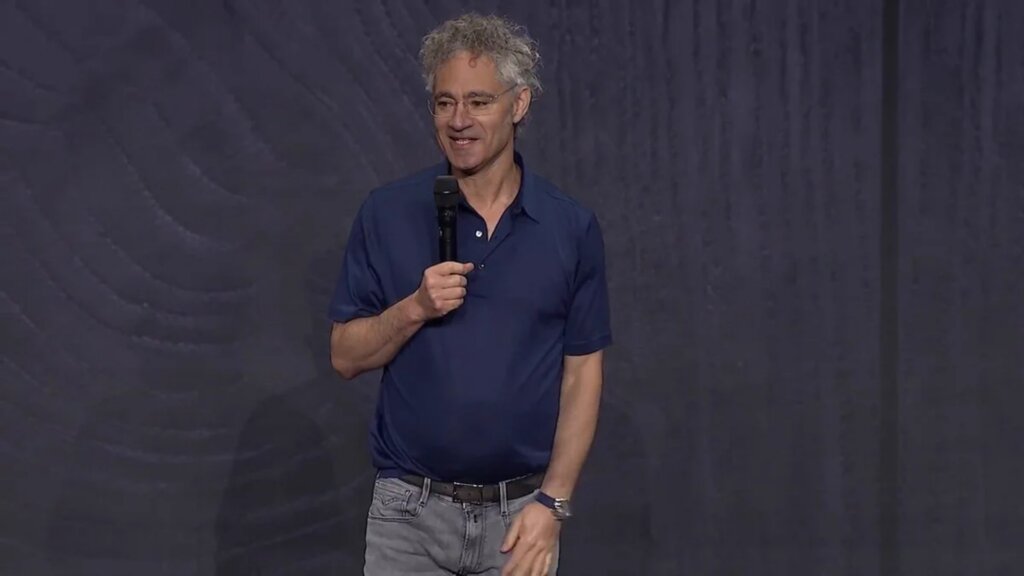
The buyer’s name sat behind layers of paperwork. Cladonia Skog AB, formed through Scandinavian Trust, a firm that helps foreign clients do business in Sweden, lists Palantir co-founder and CEO Alex Karp as its beneficial owner. The price came to 235 million kronor, about $22 million, paid to forestry and paper company SCA. Tidningen Härjedalen broke the story, but the paperwork had stayed out of sight for the people who actually used the land.
Storsjö Kapell, a Village Known for Hiking and Fishing, Sits Beside a Deal Covering 20,000 Football Fields
Storsjö Kapell sits in Berg municipality, a long way from boardrooms and trading floors. The property south of the village spans three parcels, one very large and two much smaller, which together add up to more than 20,000 football fields, according to Swedish business outlet EFN. Local authorities reportedly received no advance word of the sale. Only a few people in the area were contacted at all, and the message reached them in an envelope.
At Least Two Hunting Teams South of Storsjö Kapell Were Told Their Leases on the Land Were Over
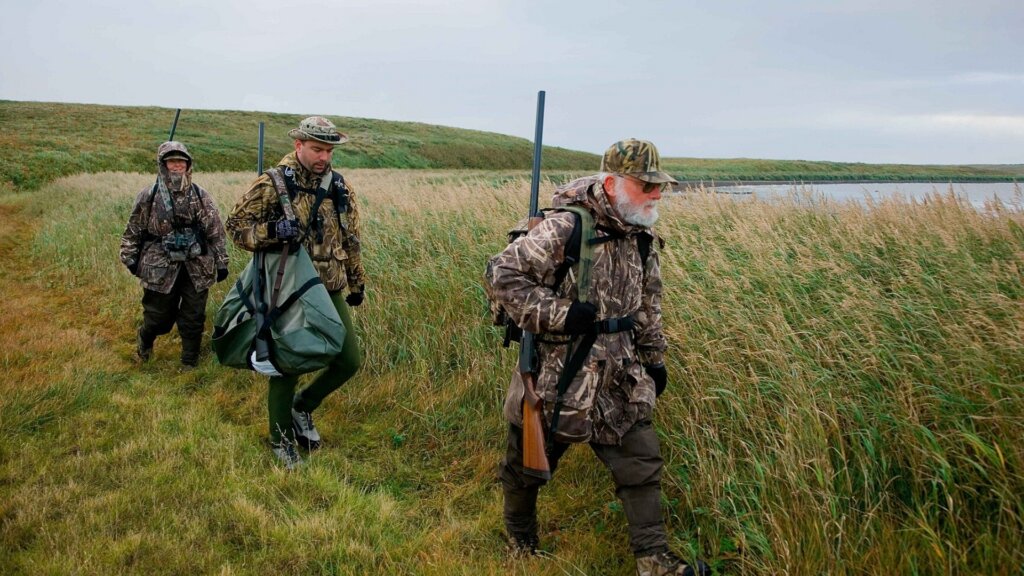
Under SCA, hunting rights on the property came through leases lasting roughly 11 months, open to renewal each year. Notices then went out by mail. SCA spokesperson Robert Östholm told Fortune that “we can of course no longer grant hunting rights on it,” since the land now belongs to someone else. At least two hunting teams lost access. Whether the new owner will ever offer them a lease remains unanswered, and SCA had its own explanation for letting the land go.
SCA Says the Land Sold for About a Quarter of the Regional Price Is Mostly Bare Mountain

The sale works out to roughly 16,000 kronor per hectare, against a regional average near 63,000 in southern Norrland, according to Swedish Forest Agency figures cited by EFN. SCA points to the terrain: mostly bare fell, slow-growing woods, bogs and rock, with little value for timber. The company described the property as well suited to recreation, hunting, skiing and hiking, which it understood to be the buyer’s motivation. Cladonia has described its own plans in different terms.
Cladonia Board Member Jenny Lopes Da Silva Says the New Owner Cares About the Forest’s Preservation
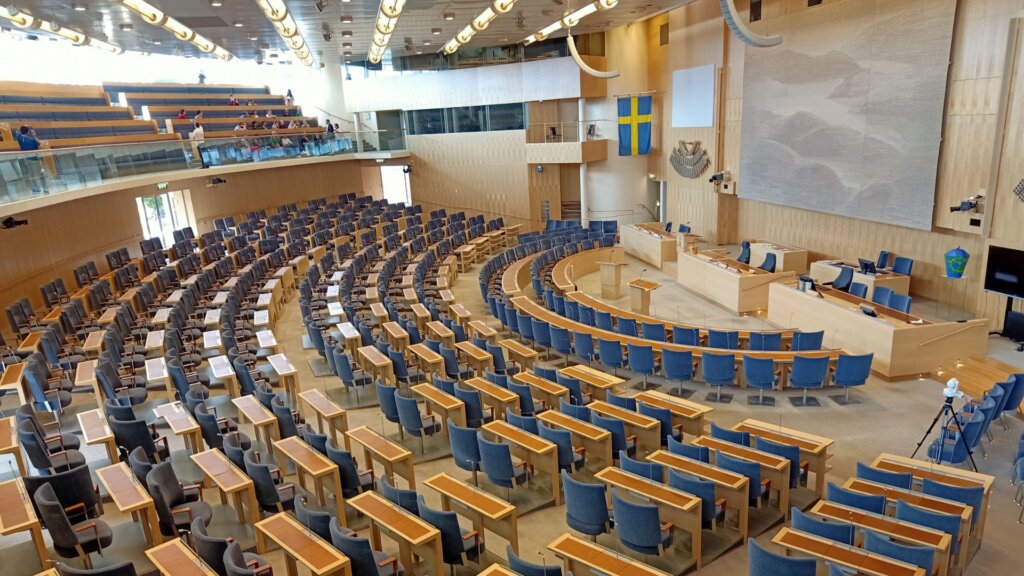
In a statement to Swedish media, Lopes Da Silva, who also works as a sales manager at Scandinavian Trust, said the new owner values the land’s beauty and wants to preserve it. The purchase contract names a plainer purpose: owning and managing the property and carrying out forestry. Swedish law lets anyone roam private forest, but hunting rights belong to the landowner. Neither statement addressed them, and the people asking were already wondering about the man behind the company.
Palantir Already Works With Swedish Defense Authorities, and a Report Places Its Staff Inside Police Headquarters
Karp’s company is no stranger to Sweden. Palantir’s country manager, Anders Fridén, confirmed earlier this year that it has a partnership with Swedish defense authorities. In July, Realtid, citing Dagens ETC, reported that a handful of Palantir employees work from the police building in Stockholm on a system called Acus. Police declined to confirm or deny it, citing national security, and Palantir offered no comment. Sweden was not the only country asking questions.
More Than 120 European Unions and Groups Have Urged Governments to Drop Palantir Contracts
Signatories of an open letter argue Palantir’s software is used for surveillance, predictive policing and AI-assisted warfare, German outlet IT Daily reported. NATO announced in March 2026 that its customized Palantir Maven Smart System reached full operational readiness, while the Dutch defense ministry said in June it expects a full alternative within two years. Europe’s push to reduce its reliance on U.S. technology has turned every Palantir contract into a debate. Karp’s land purchases had already drawn scrutiny in another country.
Karp Paid $120 Million for a 3,700-Acre Colorado Monastery, the Priciest Sale in Pitkin County History

In December 2025, Karp bought St. Benedict’s Monastery near Aspen from Trappist monks who had cared for the Capitol Creek Valley land since the 1950s. The buyer first appeared only as an LLC until the Wall Street Journal identified him. The Next Web counts a reported 20 properties in his portfolio, including a 500-acre New Hampshire estate and Miami mansions. No one on record has said what he plans to do with the Swedish forest.
Billionaire Land Buying Has Made Remote Forests a Favored Asset, and Härjedalen Is the Latest Example
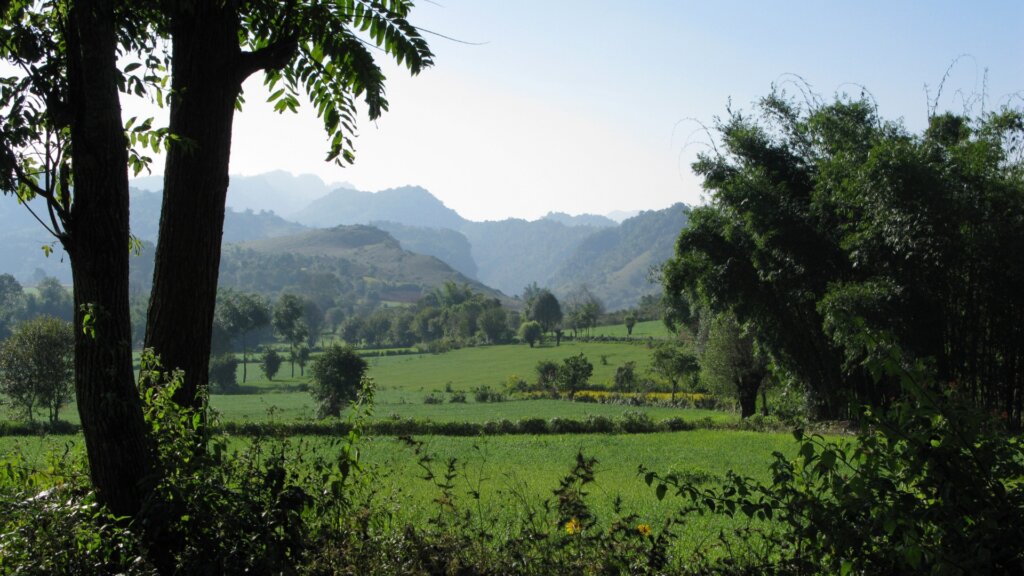
The Härjedalen sale shows how little notice a major land deal can generate when the buyer works through a fresh company and the seller considers the land marginal. Land is finite, which makes it a popular hedge against inflation, and U.S. farmland alone has grown into a $4.3 trillion asset class, according to Steve Bruere of Peoples Company. Mark Zuckerberg raises Wagyu cattle in Hawaii, and Alexis Ohanian runs a Florida farm. Karp’s Swedish forest joins a portfolio built on seclusion.