

Products are selected by our editors, we may earn commission from links on this page.
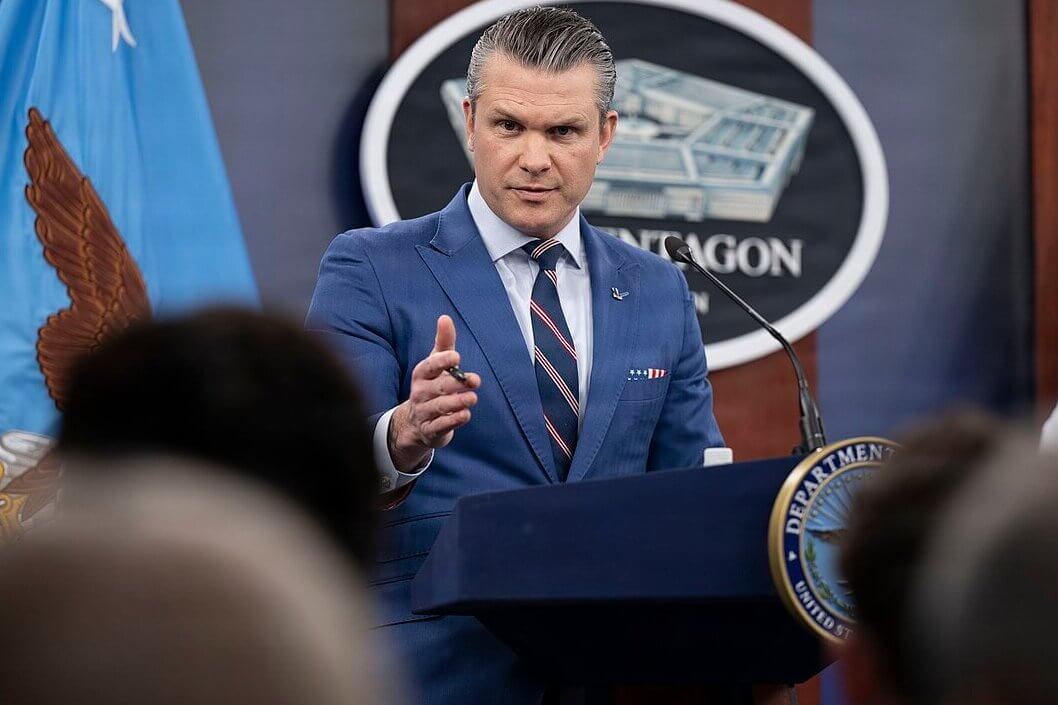
The Pentagon has taken another step in its increasingly contentious relationship with the press, declaring its press office a classified area and barring journalists from entering the space. The move affects an office that reporters have long used to ask questions, conduct interviews, and meet with defense officials. Critics see the decision as part of a broader effort to restrict independent reporting on military affairs, while Pentagon officials argue it is simply a practical response to operational needs involving classified material.
The Pentagon’s Explanation
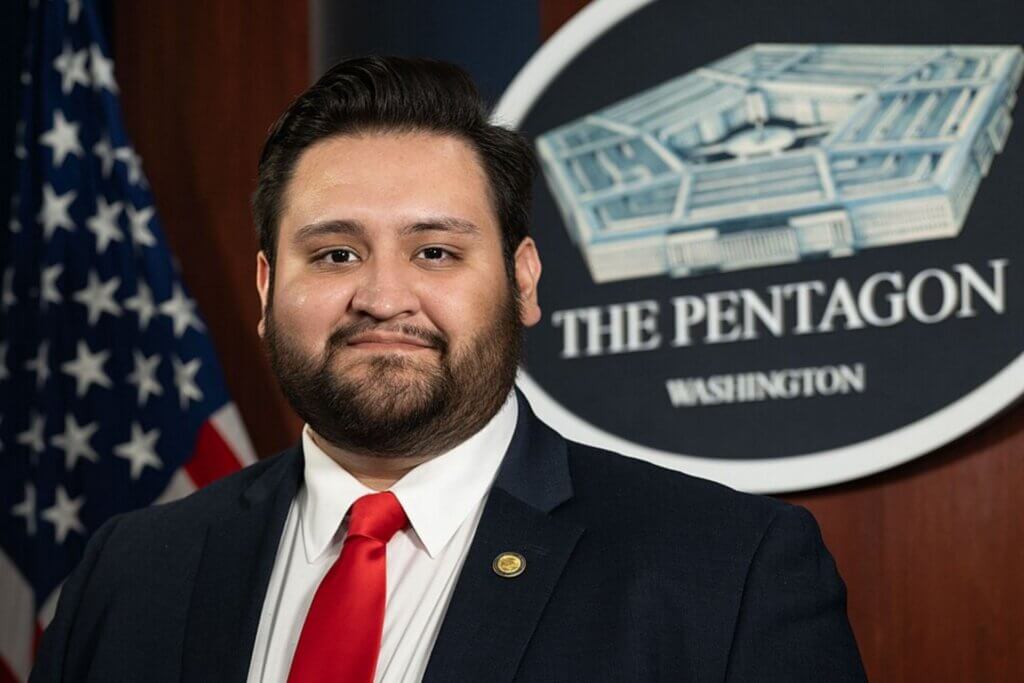
According to acting Pentagon press secretary Joel Valdez, the office was redesignated as a Sensitive Compartmented Information Facility, or SCIF, because speechwriters from the Office of the Secretary of War now share the workspace and routinely handle classified information. Valdez said journalists would no longer be allowed into the office because of the facility’s new status and insisted there was “nothing controversial” about the change. The Pentagon has maintained that the redesignation is driven by security requirements rather than an effort to limit media access.
Why The Decision Immediately Drew Attention
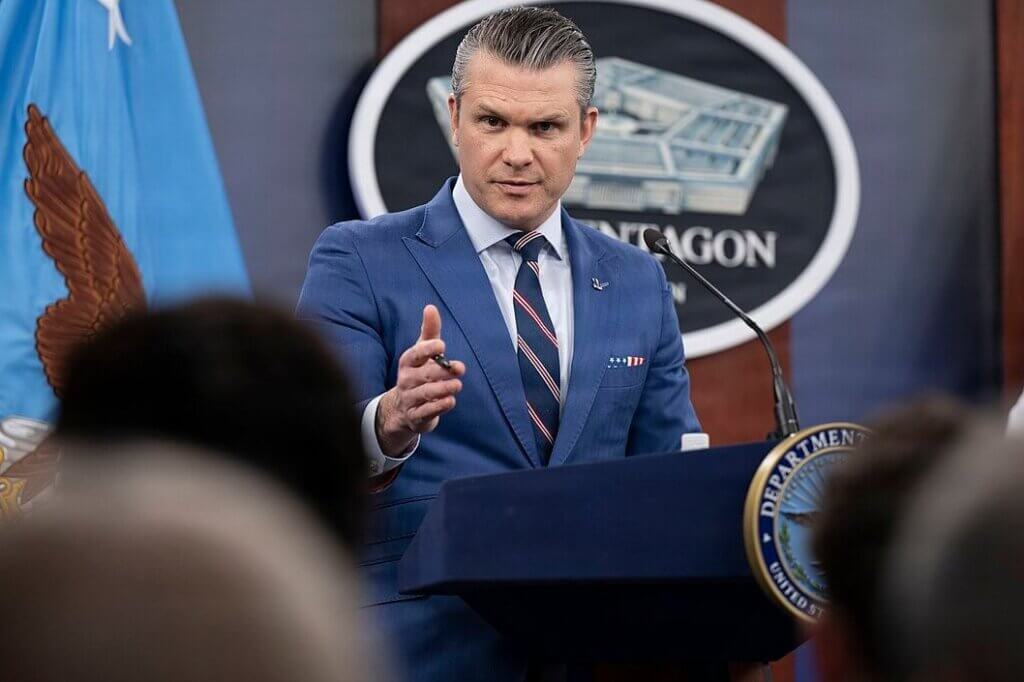
The redesignation did not occur in isolation. It arrived after months of disputes over media access under Defense Secretary Pete Hegseth, whose tenure has been marked by repeated clashes with major news organizations. Because the press office historically served as a key point of contact between journalists and military officials, critics argue that removing access to the space carries symbolic and practical significance beyond a simple office reorganization.
A Long Tradition Of Pentagon Access
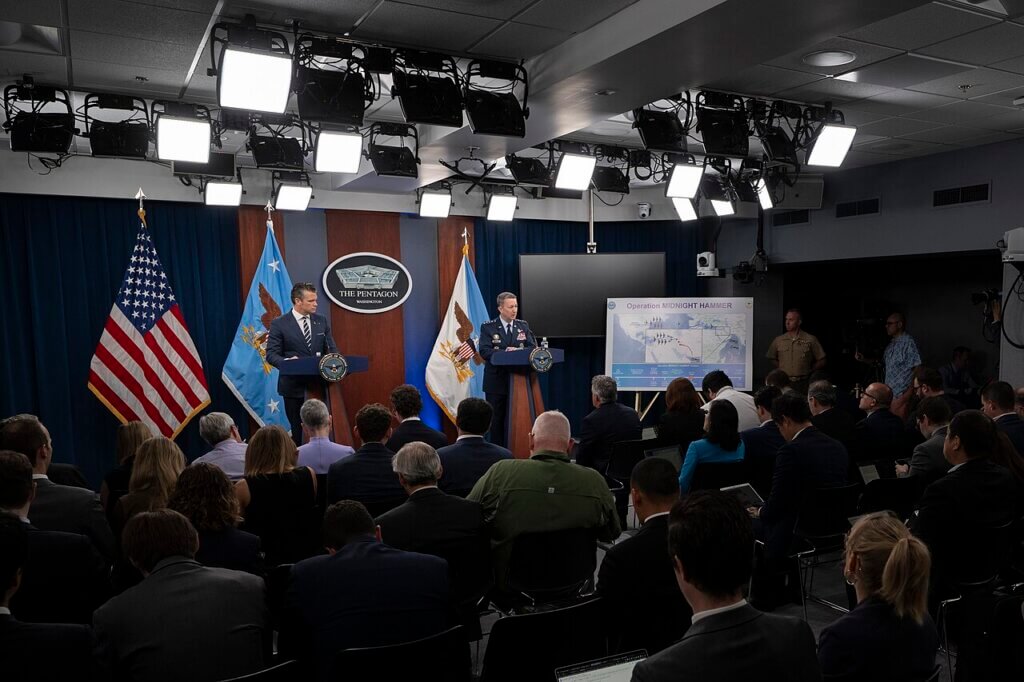
For decades, accredited Pentagon reporters operated with broad access inside the building. Journalists could move through designated areas, meet sources, and interact directly with public affairs personnel. That arrangement reflected a longstanding balance between national security concerns and public accountability. The Pentagon press room itself was not traditionally a location where classified discussions occurred, making its redesignation particularly noteworthy to press advocates.
Restrictions Began Long Before This Week
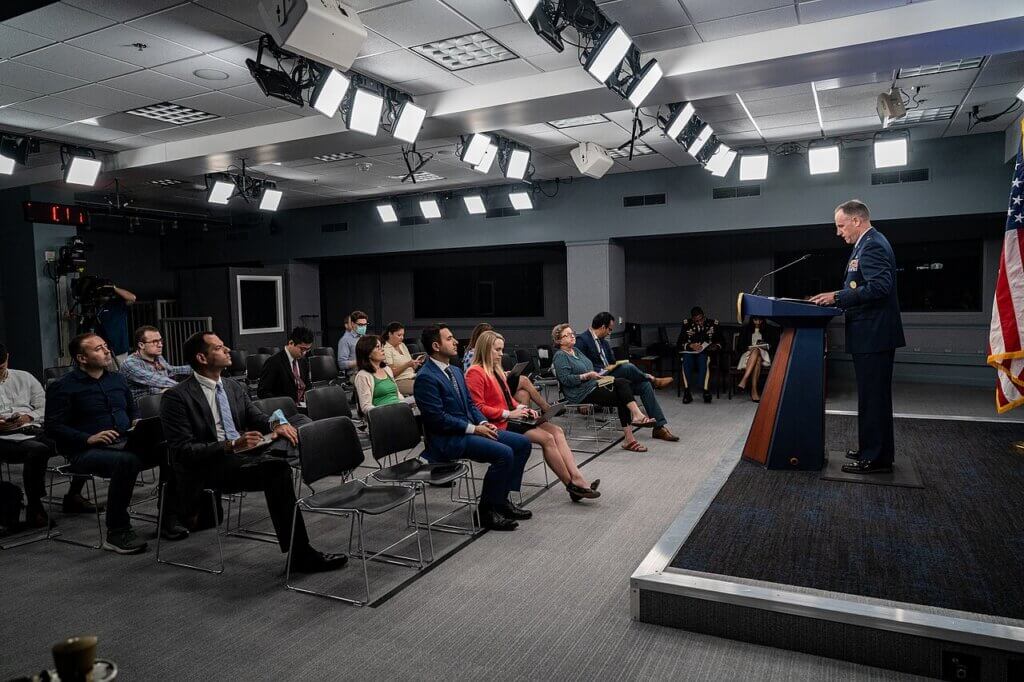
The latest change follows a series of actions dating back to 2025. The Defense Department introduced policies requiring journalists to report only information approved for public release and threatened credential consequences for violations. Reporters also faced increasing limits on movement within the Pentagon, while some long-established news organizations lost workspace assignments that were subsequently given to other outlets. Those changes sparked objections from journalists across the political spectrum, including some conservative organizations.
News Organizations Fought Back
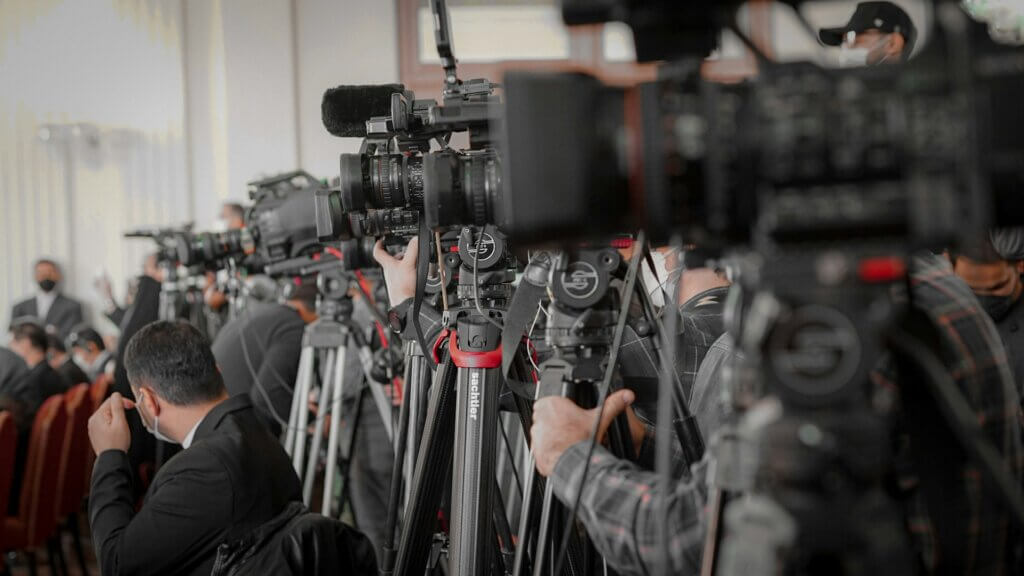
The response from the press corps was unusually coordinated. In October 2025, many Pentagon reporters surrendered their credentials and left the building rather than agree to new restrictions. News organizations argued that the policies made independent reporting significantly more difficult and could discourage sources from speaking with journalists. Several reporters told Columbia Journalism Review that growing secrecy and fear of retaliation were creating obstacles to public accountability.
The Battle Moved Into Federal Court
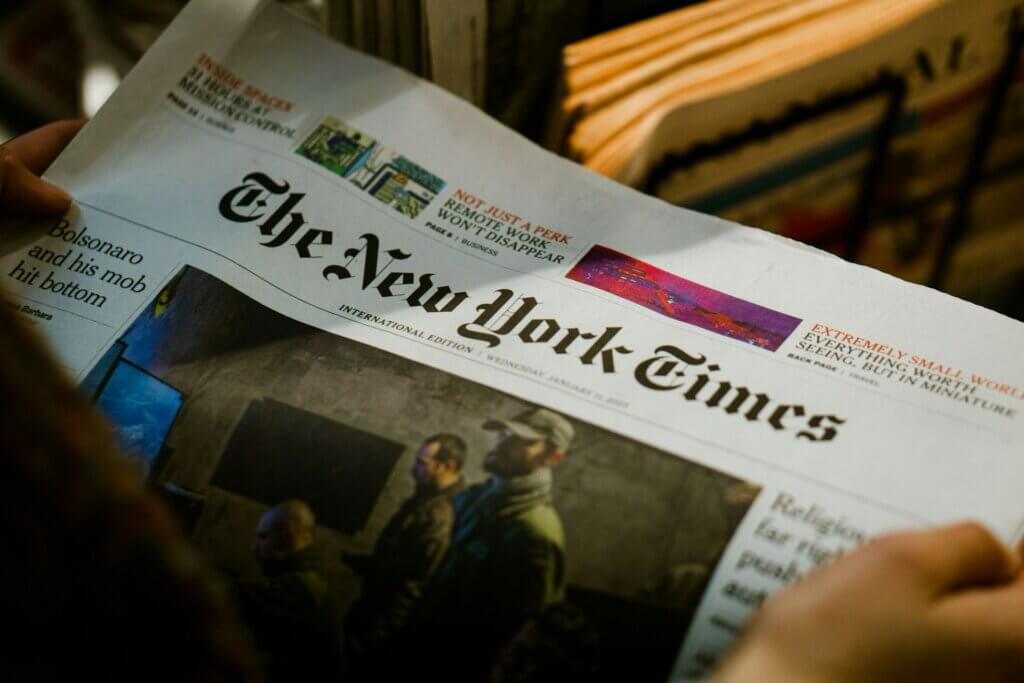
The New York Times has become one of the central challengers of the Pentagon’s media policies. The newspaper filed multiple lawsuits arguing that restrictions on reporter access and escort requirements violate First Amendment protections. U.S. District Judge Paul Friedman ruled against key portions of the Pentagon’s credentialing policies, finding constitutional problems with the restrictions. The administration has appealed those rulings, leaving the legal dispute unresolved.
Press Freedom Advocates Sound The Alarm

The National Press Club sharply criticized the redesignation of the press office, describing it as a troubling escalation in the Defense Department’s effort to restrict independent reporting. The organization argued that the move follows a broader pattern that includes escort requirements, workspace removals, credential disputes, and limits on access to information. Press freedom advocates contend that reducing journalist access ultimately reduces public oversight of military activities conducted in the name of American taxpayers.
The Pentagon Rejects Claims Of Secrecy
Defense Department officials strongly dispute accusations that transparency is being reduced. Valdez described the Pentagon as “the most transparent War Department in history” and dismissed criticism from major news outlets. Supporters of the administration argue that protecting classified information and tightening security procedures are legitimate priorities, particularly during periods of military conflict and heightened geopolitical tension.
The Larger Fight Is Far From Over
The redesignation of the Pentagon press office may appear to involve a single room inside a massive government building, but the dispute reaches far beyond physical space. Courts are still weighing challenges to Pentagon media policies, news organizations continue pressing for broader access, and defense officials remain committed to tighter controls. The outcome could help determine how future administrations balance national security concerns with the ability of journalists to independently report on one of the most powerful institutions in the federal government.