

Products are selected by our editors, we may earn commission from links on this page.

For years, budget salon chains have been a quiet constant in strip malls and shopping centers across the U.S., offering quick haircuts at prices meant to stay accessible. That familiarity is now being disrupted as a major low-priced salon brand scales back its footprint at an unprecedented pace.
In 2025 alone, more than 400 locations tied to Supercuts shut their doors across 38 states, marking one of the largest contractions in the brand’s history. The closures have affected both franchised and company-owned locations, leaving many communities without a nearby option for low-cost hair services.
While the company remains operational, the scale of the shutdowns has raised questions about what’s changing inside the salon industry and why even long-established, value-focused chains are struggling to keep locations open.
What Happened to the Stores
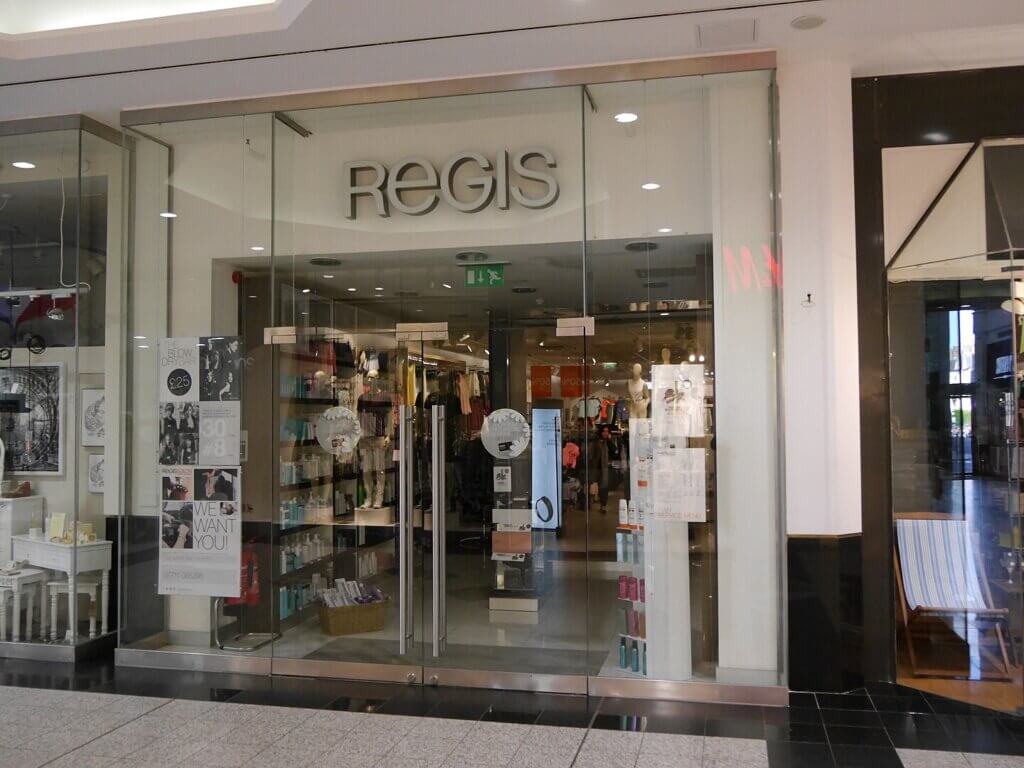
The closures stem from a broader restructuring led by Regis Corporation, the parent company behind Supercuts and several other salon brands. Regis closed 443 Supercuts locations in 2025, continuing a pattern of annual shutdowns that began several years earlier.
Company executives described the affected locations as “underperforming,” noting that many generated significantly lower sales than top-performing salons within the system. Data cited in earnings calls showed a wide revenue gap between stores that closed and those that remained open, suggesting consolidation rather than a complete retreat from the brand.
The closures were not isolated to one region. They occurred nationwide, spanning urban, suburban, and rural markets — a sign that the pressure facing these salons isn’t limited to a single local trend, but reflects broader shifts in consumer behavior and operating costs.
Why a Budget Chain is Struggling

Rising labor costs have played a major role in the closures. Salon businesses are labor-intensive, and many franchise operators report difficulty hiring and retaining stylists amid higher wage expectations and competition from independent salons offering more flexible schedules.
At the same time, franchise fees, required remodels, and mandatory upgrades imposed by corporate operators have increased financial strain on individual owners. Even modest changes in foot traffic can tip a low-margin salon into unprofitability, particularly in malls and strip centers that have seen declining visits.
Regis has also been moving toward an “asset-light” strategy, shifting away from company-owned stores and relying more heavily on franchises. That transition has resulted in aggressive pruning of locations that no longer fit its long-term financial model, even as the company emphasizes stability at its strongest-performing salons.
What the Closures Signal for the Industry

The shutdown of more than 400 low-priced salons underscores a quiet transformation in everyday service businesses. Consumers still want affordability, but expectations around convenience, experience, and staffing have evolved, making it harder for older business models to compete.
Industry analysts note that while chains like Supercuts are shrinking, the demand for hair services hasn’t disappeared — it’s shifting toward independent stylists, boutique salons, and appointment-based models that operate with fewer fixed costs.
For shoppers, the closures may mean fewer walk-in options and higher prices over time. For franchise owners, they highlight the growing risks of operating within tightly controlled systems. And for the salon industry as a whole, the message is clear: even budget brands must adapt quickly, or risk being left behind.