


Products are selected by our editors, we may earn commission from links on this page.
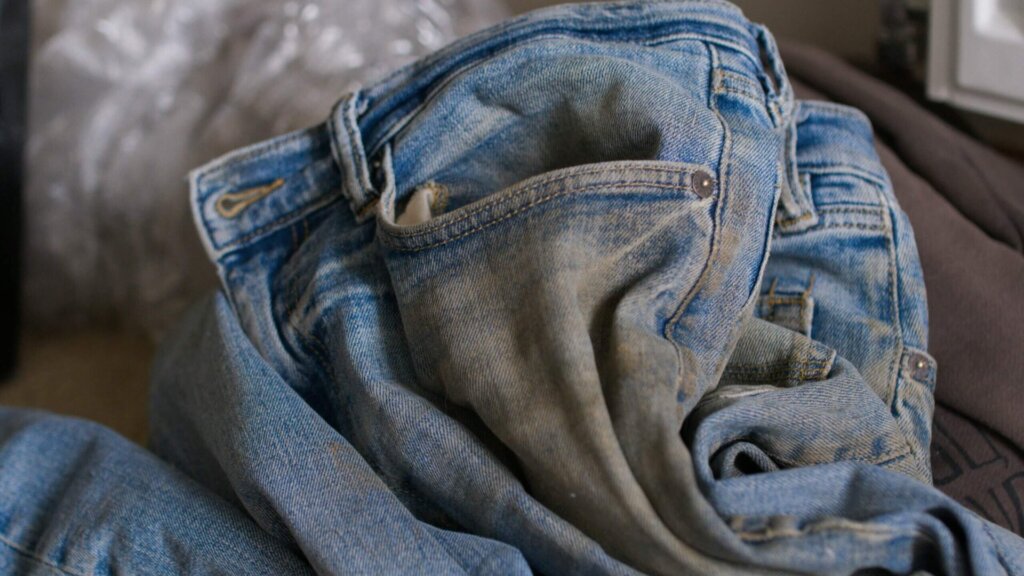
For Gen Z, food stains are no longer a fashion emergency but a normal part of daily life. Research shows that many young people are comfortable going out in public even when their clothes are visibly stained. Instead of feeling embarrassed, they see it as proof of enjoying a good meal. This relaxed attitude reflects a broader cultural shift away from rigid appearance standards.
Stains Happen—Especially to New Clothes
More than half of Gen Z respondents admit they are likely to spill food on a brand-new clothing item shortly after buying it. Compared to older generations, this happens at a much higher rate, suggesting a more carefree relationship with material things. For Gen Z, clothes are meant to be lived in, not preserved. A stain doesn’t ruin the outfit—it adds a story.
Public Events Are No Exception

From weddings to dates, Gen Z is also the generation most likely to drop food or drinks on themselves during special occasions. Instead of seeing this as a social faux pas, many simply laugh it off. This contrasts sharply with older generations, who often associate neatness with respectability. The findings suggest Gen Z values comfort and authenticity over appearances.
Boomers Think Differently

Only a minority of Baby Boomers say they would wear clothes with visible stains in public. For them, stains are often associated with carelessness or lack of discipline. This generational divide highlights how social norms around cleanliness and presentation have evolved. What once signaled embarrassment now barely registers as a concern.
Embracing Messy Eating Culture
Brands have begun to notice—and embrace—this shift. The research was commissioned alongside a campaign celebrating messy eating, reinforcing the idea that stains are part of enjoying good food. For Gen Z, eating is about pleasure, not performance. A splash of sauce can even feel like a badge of honor.
Stained Clothes Still Get Kept

Despite being comfortable wearing stained clothing, many people still hold on to items they no longer wear because of stains. A significant portion of adults admit they lack confidence in removing tough food marks. This creates wardrobes full of “almost wearable” clothes. Gen Z, however, seems more willing to keep using them anyway.
Certain Clothes Suffer the Most
T-shirts, shirts, jumpers, and trousers are the most commonly stained items. These are also staples of everyday wear, making spills almost unavoidable. Gen Z’s casual fashion choices—often centered on comfort—mean these items are constantly in use. As a result, stains become normalized rather than alarming.
Dressing for Messy Meals

Nearly a third of people admit they have specific clothes reserved for eating messy food. This habit shows an awareness of spills, even among those who don’t mind stains. Gen Z often leans into this idea with loungewear and casual outfits. It’s a practical approach rather than a perfectionist one.
Stains as Part of the Fun
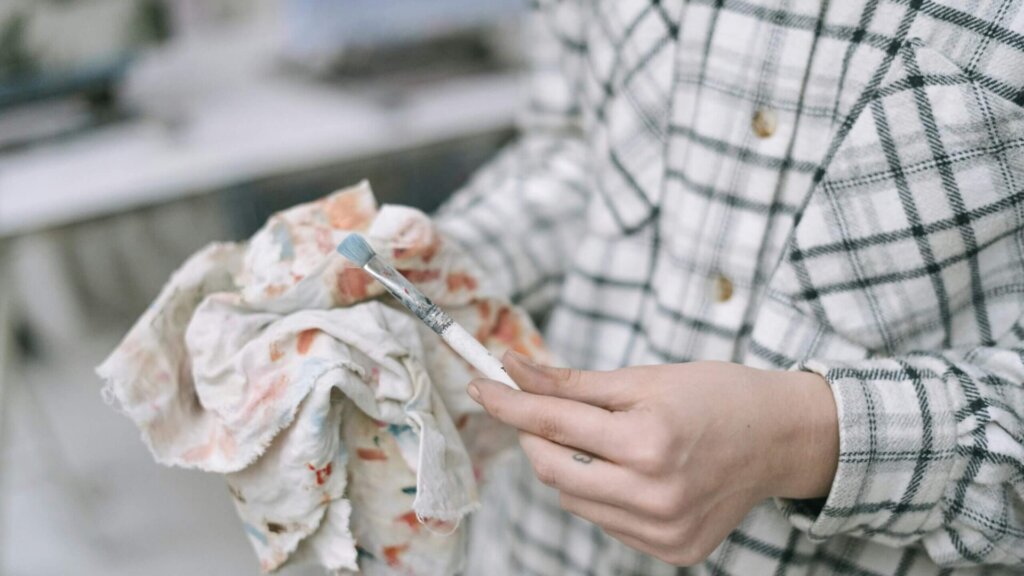
For some, stains are not just acceptable—they’re part of the enjoyment. Tomato sauces, oils, and gravies top the list of common culprits, but they’re also associated with comfort food and shared meals. Gen Z tends to romanticize these moments rather than hide them. The mess becomes part of the memory.
A Shift in Values, Not Laziness

Ultimately, Gen Z’s comfort with stained clothing reflects changing values, not carelessness. It points to a generation that prioritizes experience, authenticity, and joy over polished appearances. Clean lines and spotless outfits matter less than living fully in the moment. And if that moment leaves a stain, so be it.