

Products are selected by our editors, we may earn commission from links on this page.
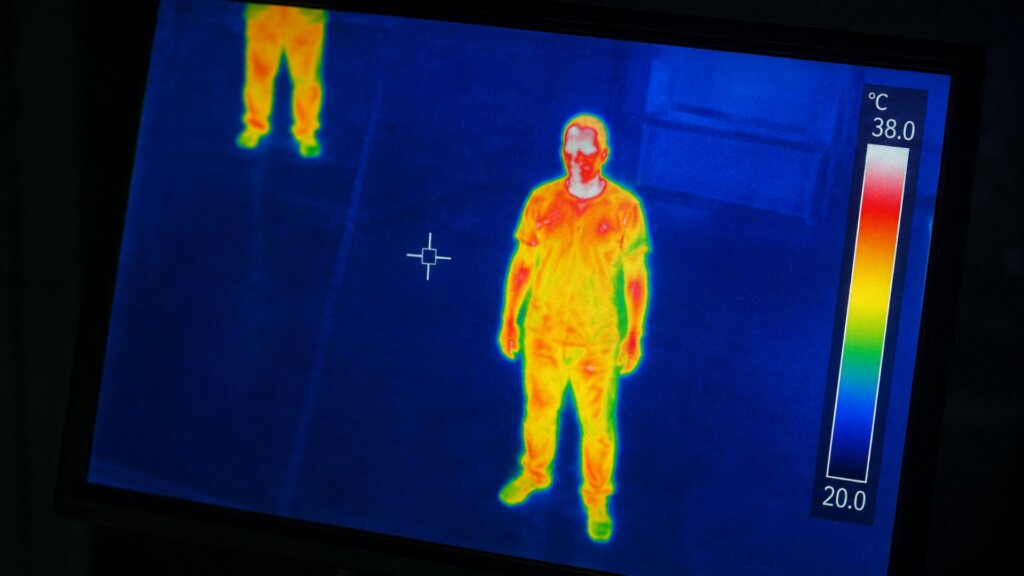
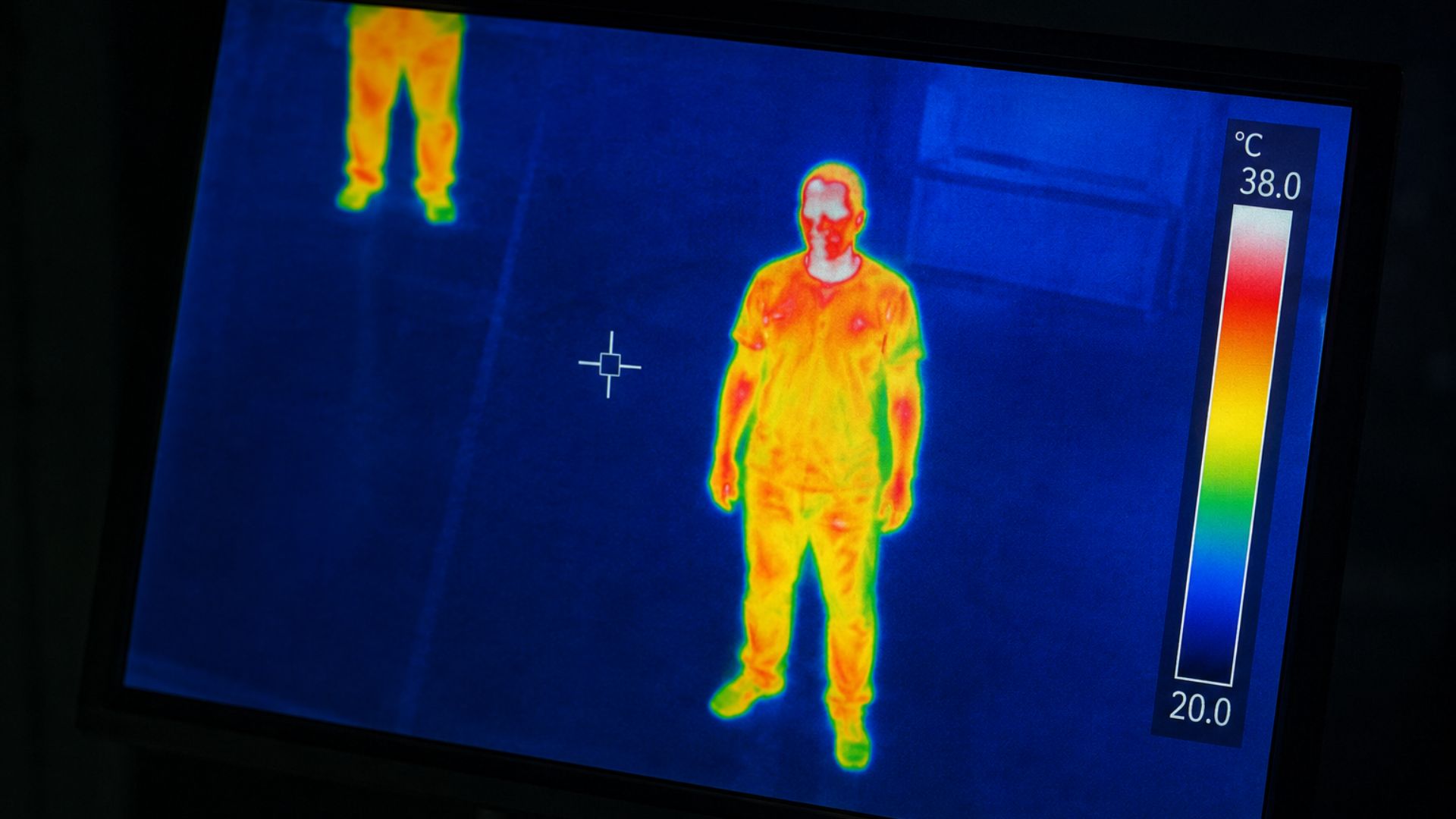
You walk past a café. You left your phone at home. You think you are invisible. You are not. Researchers at Germany’s Karlsruhe Institute of Technology have demonstrated that a standard WiFi router, the same kind sitting in millions of homes and offices, can now identify who you are with nearly perfect accuracy, using nothing but the wireless signals already bouncing around you.
This article was created with the assistance of AI and reviewed by our editorial team for accuracy and clarity.
How Radio Waves See You

WiFi signals behave like invisible light. They fan out from a router, bounce off walls, furniture, and human bodies, and return altered. Every person disturbs those waves in a slightly different way, shaped by their body size, posture, and gait. By capturing and analyzing these reflections, a system can build what amounts to a radio-wave portrait of any person in the area, without them ever knowing they are being observed.
The Science Behind the System

The technique exploits a signal type called beamforming feedback information (BFI). Devices on a WiFi network routinely send BFI data back to the router to help it direct its signal more efficiently. Critically, this feedback travels without encryption. Anyone within range can passively intercept it. The KIT team found that these unguarded signals carry enough body-reflection data for an artificial intelligence model to learn and recognize individual identities.
No Special Equipment Required

Earlier research into WiFi-based sensing relied on expensive, purpose-built hardware or a specialized data type called channel state information, which required physical access to network equipment. This new method uses only off-the-shelf routers and the ordinary communication traffic already flowing across any standard wireless network. The barrier to deployment is, in practical terms, close to zero for anyone with access to a router.
Tested on 197 Real People

The team ran controlled experiments involving 197 participants, training an AI model on each person’s radio-wave signature and then testing its ability to recognize them. The system identified individuals with close to 100% accuracy, regardless of the angle at which the person was standing or the way they moved through the space. Recognition took only a few seconds once the model had been trained.
Turning Off Your Phone Won’t Help

The most unsettling finding is what does not protect you. Leaving your smartphone at home or switching it off offers no defense. The system does not track your device; it tracks your body. As long as other WiFi devices in the surrounding space are active and connected to the network, their signal traffic is sufficient to generate the reflections needed for identification. Your presence alone is enough.
Every Router, a Potential Watcher

According to Julian Todt from KASTEL, the technology “turns every router into a potential surveillance instrument”. Someone who walks past the same café regularly could be quietly catalogued and later identified by businesses or government authorities without ever consenting or being informed. WiFi networks now cover homes, offices, restaurants, hospitals, airports, and public squares worldwide, giving this capability an almost boundless reach.
Invisible in Ways Cameras Are Not
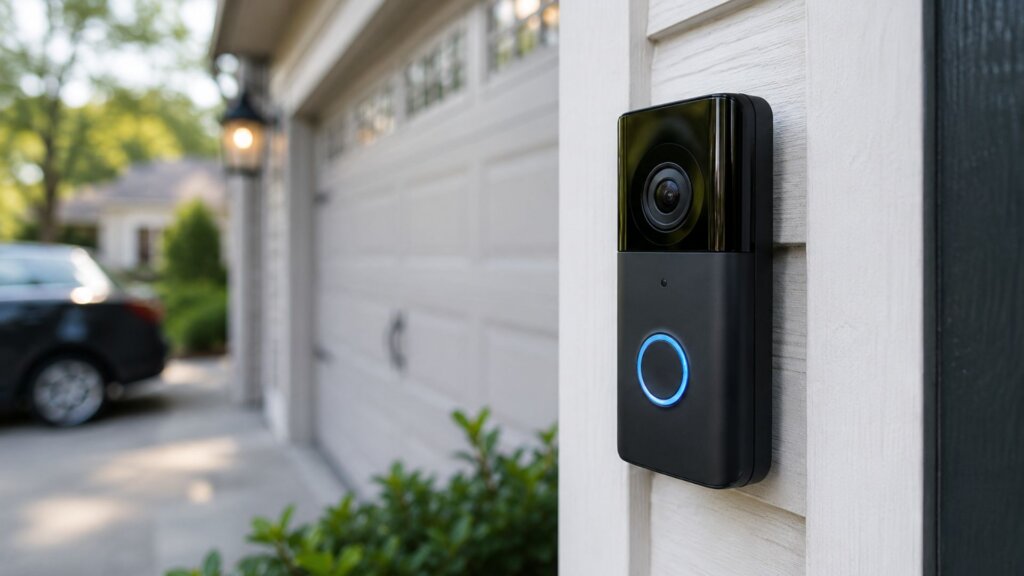
Researcher Felix Morsbach acknowledges that intelligence agencies and cybercriminals already have access to surveillance tools, including compromised security cameras and smart doorbells. WiFi-based identification, though, carries a specific quality those tools lack: complete invisibility. There is no lens to spot, no device to notice. As Morsbach puts it, wireless networks could become a comprehensive surveillance infrastructure precisely because they attract no suspicion at all.
Activists, Protesters, and the Authoritarian Risk

Strufe warns that the stakes reach beyond corporate data collection. In countries with authoritarian governments, this technology could track political opponents, identify protesters, or monitor dissidents in real time, without placing a single visible camera in public. The researchers are urgently calling for privacy safeguards to be written into the IEEE 802.11bf WiFi standard, ratified in 2025, which formally expands WiFi from a communication tool into a full sensing technology.
The Invisible Infrastructure Already Around You

The KIT research, published at the 2025 ACM Conference on Computer and Communications Security, does not describe something coming in the future. It describes a capability that can be built today, using hardware already installed nearly everywhere. The researchers have done what researchers are supposed to do: they found the danger and named it. What happens next, whether standards bodies, lawmakers, or the public act, is the question that matters now.